

2003-2006 Dodge Viper Wiring Harness Guide: Solving Electrical Gremlins and Door Wire Failures
This guide covers the diagnosis of common electrical failures, inspection of used harnesses, and critical compatibility warnings for the 2003-2006 Dodge Viper.
- This harness is for 2003-2006 Convertible models ONLY and is not compatible with the 2006 Viper Coupe due to body differences.
- The most common failure point is broken wires in the driver's door jamb, leading to failed power windows, locks, and mirrors.
- Failures are typically caused by physical damage like broken wires from flexing, chafing against metal, or corrosion, not spontaneous failure.
- Before condemning a harness, check for critical safety recalls, especially the one for inadvertent airbag deployment (NHTSA 15V046000).
Critical Compatibility Warning: Convertible vs. 2006 Coupe
Warning: The 2003-2005 Dodge Viper was only produced as a convertible. The coupe body style was introduced in 2006. Because of significant differences in the body, chassis, and features like the convertible top, wiring harnesses are generally NOT interchangeable between convertible and coupe models. A harness for a 2006 Coupe will not fit a 2003-2006 convertible, and vice-versa. Always verify the exact model and part number before purchasing.
Symptoms of a Failing Wiring Harness
Wiring harness issues typically don't appear suddenly. They often start as intermittent problems that become more frequent over time. These problems are usually caused by a wire breaking internally, a short circuit where a wire's insulation has rubbed through, 🎬 See how a shorted harness can cause engine codes. or corrosion in a connector.
- Instrument Cluster Problems: The speedometer, tachometer, and other gauges may flicker, work intermittently, or go completely dead.
- Flickering or Inoperative Lights: Headlights, interior lights, or dashboard illumination may flicker or fail to turn on. This was noted in a recall for the multi-function switch, which is connected by the harness.
- Loss of Accessory Functions: Power windows, door locks, the HVAC (heater and A/C) system, and windshield wipers may stop working without warning.
- High-RPM Sputtering: In some cases, owners have reported the entire electrical system seems to sputter or cut out under hard acceleration at high RPMs.
- Inoperative Door Functions: The most common and well-documented issue is the failure of the driver's side door harness. Wires inside the rubber boot between the door and the car body become brittle and break from the repeated stress of opening and closing the door. This can cause the power window, mirror, and lock on that door to fail. 🎬 Watch: How to fix broken wires in the door harness.
Known Issues, Recalls, and Technical Service Bulletins (TSBs)
Several significant electrical system recalls affect the 2003-2006 Viper. Before diagnosing a harness, ensure these recalls have been performed on the vehicle.
Safety Recalls
- NHTSA Campaign ID: 15V046000 (Chrysler R06): This major recall addresses a defect in the Occupant Restraint Control (ORC) module that can cause the front airbags and/or seatbelt pretensioners to deploy inadvertently while driving. This affects 2003-2004 models, with a similar recall later issued for 2005-2006 models. An unexpected airbag deployment can cause a crash.
- NHTSA Campaign ID: 03V152000: On certain 2003 Vipers, the park lamp contacts within the multifunction switch can corrode. This can lead to the headlights, parking lights, or instrument panel lights flickering or becoming completely inoperative, reducing visibility.
Pro Tip: You can check if a specific vehicle has outstanding recalls by entering its 17-digit Vehicle Identification Number (VIN) on the NHTSA website.
Buying a Used 2003-2006 Viper Wiring Harness: What to Inspect
Since new OEM harnesses are often expensive or discontinued, a quality used harness is a common solution. However, a thorough inspection is critical to avoid buying a part with the same problems you're trying to fix.
Inspection Checklist:
- Check All Connectors: Carefully examine every plastic connector. Look for cracks, broken locking tabs, or any signs of heat damage (discoloration, melting). Check the metal pins inside for any corrosion (white or green powder) or signs that they have been pushed out of the connector housing.
- Inspect for Previous Repairs: Look closely for any non-factory splices. Red flags include electrical tape wrapped around individual wires, plastic butt connectors, or any signs of soldering. A poorly repaired harness can cause more problems than the original failure.
- Test Wire Flexibility: Pay special attention to areas that bend, like the door hinge section of a door harness. Gently bend the wires. If the outer insulation feels stiff, brittle, or cracks, the copper inside is likely compromised and will fail soon.
- Look for Chafing and Abrasion: Inspect the entire length of the harness for areas where the outer loom or tape has been rubbed away, exposing the wires inside. This kind of damage is common where harnesses pass through the firewall or near sharp metal edges.
- Verify the Part Number: If possible, match the part number on the used harness to your original. Part numbers like `5029909AF` (2006 Instrument Panel) and `5029927AB` (Left Door) are specific to year and function. This is the best way to guarantee compatibility.
Cost Comparison: New vs. Used
Replacing a wiring harness can be expensive, primarily due to the high cost of a new part and the intensive labor required for installation.
| Part Type | Estimated Cost | Notes |
|---|---|---|
| New OEM | $800 - $2,000+ | Often discontinued or on backorder. Price varies significantly depending on the specific harness (e.g., dash vs. door). |
| New Aftermarket | $1,600+ (Performance) | Standard replacement harnesses are generally not available. Only high-performance, standalone engine management harnesses exist. |
| Used OEM | $150 - $600 | The most common and cost-effective option. Price depends on the harness type and condition. |
| Shop Labor | $300 - $2,500+ | Labor varies drastically. A door harness may take 2-4 hours ($300-$600). A full dash or body harness is a major job requiring 10-20+ hours ($1,500-$3,000+). |
Accessory Harness Replacement Overview
The difficulty of replacing a harness depends entirely on which harness is being replaced.
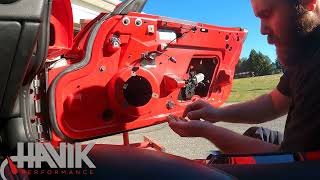
- Door Harness (Difficulty: 3/5): This is a common repair. It requires removing the interior door panel, 🎬 Watch this guide on removing the Viper door panel safely. disconnecting all components, and carefully feeding the harness through the rubber boot in the door jamb. It is feasible for a DIY mechanic with patience. Extending the wires slightly during repair can prevent the issue from recurring.
- Dash/Body Harness (Difficulty: 5/5): This is an expert-level job. It requires the complete removal of the dashboard, center console, seats, and carpeting to access and route the harness correctly. This is not recommended for beginners.
Pro Tip: When replacing any harness, always disconnect the battery's negative terminal first to prevent short circuits and protect the vehicle's sensitive electronics.
Frequently Asked Questions (FAQ)
Can I repair my old harness instead of replacing it?
Yes, repairing specific broken wires is possible, especially for the common door harness failure. However, it requires skill in soldering and properly insulating connections. A bad repair can lead to future failures. If multiple wires are broken or the harness is brittle from heat, replacement is the more reliable option.
Why do the door wires break so often?
This is a design issue common in many vehicles from this era. The wiring harness in the door jamb is often too short or made of a material that doesn't withstand constant flexing. Over thousands of cycles of the door opening and closing, the copper wires fatigue and break, usually inside the insulation where the break isn't visible.
What's the difference between an engine harness and an accessory/body harness?
The engine harness connects the Engine Control Module (ECM) to all the engine sensors and actuators (injectors, coils, etc.). The accessory, body, or dash harness connects the Body Control Module (BCM) to interior components like gauges, lights, radio, windows, and climate controls.
Could a bad Body Control Module (BCM) cause these same symptoms?
Yes, a failing BCM can cause many of the same issues, such as multiple, unrelated accessories failing at once. If a visual inspection of the wiring and connectors reveals no obvious damage, professional diagnosis of the BCM may be necessary.
Helpful Videos

Technical Specifications
OEM Part Numbers: 5029909AF (2006 Instrument Panel Wiring) 5029927AB (2006 Left Door Wiring) 05029946AC (2006 Battery Cable Harness)
Harnesses are specific to body style (Convertible vs. Coupe) and model year.
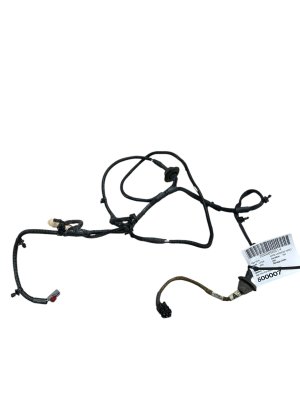
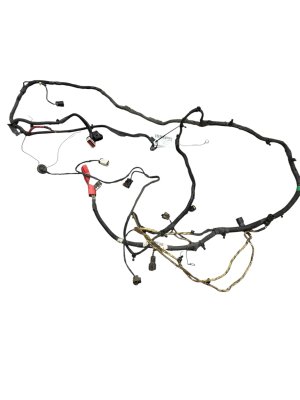
We Have This Part in Stock

The information in this article is provided for general reference and educational purposes only. Vehicle specifications, procedures, and part compatibility can vary by production date, trim level, and region. Always consult your vehicle's factory service manual and verify part numbers before purchasing or performing repairs. Safety-critical components such as airbags, seat belts, and braking systems should be installed by a qualified professional.
- Dodge Viper:
- 🎬 Helpful Videos
- 🛍️ Shop This Part
- Critical Compatibility Warning: Convertible vs. 2006 Coupe
- Symptoms of a Failing Wiring Harness
- Known Issues, Recalls, and Technical Service Bulletins (TSBs)
- Safety Recalls
- Buying a Used 2003-2006 Viper Wiring Harness: What to Inspect
- Inspection Checklist:
- Cost Comparison: New vs. Used
- Accessory Harness Replacement Overview
- Frequently Asked Questions (FAQ)
- 🎟️ Get 5% Off