

1998-2003 Ford Taurus & Mercury Sable Passenger Airbag: Column Shifter Warning & SRS Faults
This in-depth guide covers the critical compatibility warning, SRS light diagnosis, and replacement requirements for the passenger-side airbag in your 1998-2003 Ford Taurus or Mercury Sable.
- This passenger airbag ONLY fits 1998-2003 Taurus and Sable models with a column-mounted shifter, not a floor/console shifter.
- PROFESSIONAL INSTALLATION IS REQUIRED. Airbags are hazardous components, and the system must be professionally reset with a scan tool after replacement.
- If the airbag warning light is on, the entire SRS system is disabled and will NOT deploy in a crash.
- NHTSA investigated 2000-2001 models for airbag non-deployment, and numerous owner complaints exist for these model years.
Critical Compatibility Warning: Column Shifter Models ONLY
Warning: This passenger-side dashboard airbag is designed to fit ONLY the 1998-2003 Ford Taurus and Mercury Sable models equipped with a column-mounted automatic transmission shifter. It will NOT fit vehicles that have the shifter mounted on the floor or in a center console. The dashboard and its underlying support structure are physically different between column-shift and console-shift models, making the airbag modules incompatible.
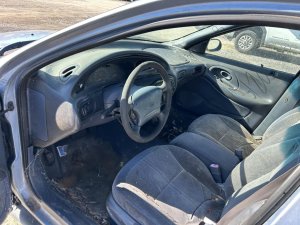
Vehicles with a column shifter have a different dashboard layout to accommodate the open space where a floor console would be. This directly affects the mounting points and shape of the passenger airbag module. Always verify your vehicle's shifter configuration before purchasing this part.
Symptoms of a Faulty Airbag System
The most common sign of a problem with any part of the SRS system is the airbag warning light on your dashboard.
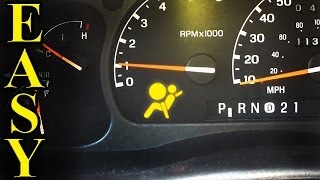
- Solid or Flashing Airbag Light: When you start your vehicle, the airbag light should illuminate for a few seconds as part of a system self-check and then turn off. If the light stays on or flashes, it means the Airbag Control Module has detected a fault and has disabled the entire airbag system.
- Consequences of an Active SRS Light: With the warning light on, the airbags will not deploy in a crash. In many cases, the seatbelt pretensioners, which tighten the belts during an impact, are also disabled. Driving with an active SRS light is a serious safety risk and will cause your vehicle to fail a state safety inspection in many jurisdictions.
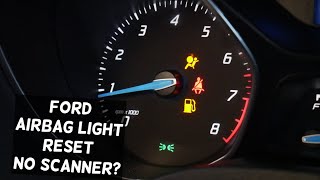
For this generation of Ford vehicles, the airbag light may flash a two-digit code (e.g., a series of 3 flashes, a pause, then 3 more flashes for Code 33). 🎬 Watch: How to diagnose and fix a flashing airbag light Common codes related to the passenger airbag include Code 33 (high resistance or open circuit) and Code 35 (low resistance or short circuit). Other issues, like a faulty clock spring or seatbelt pretensioner connection, can also trigger the light.
Known Issues, Investigations, and Recalls
NHTSA Investigation for Non-Deployment
In July 2003, the National Highway Traffic Safety Administration (NHTSA) upgraded an investigation into the 2000-2001 Ford Taurus and Mercury Sable for frontal airbags failing to deploy in crashes. The agency had collected 295 reports from owners and Ford claiming the airbags did not work in various frontal impacts, covering nearly 900,000 vehicles. While this investigation did not result in a formal recall for the airbag itself, it highlights a history of documented concerns with the SRS system in these models. Numerous owner complaints have been filed with NHTSA over the years citing airbag non-deployment in significant collisions for both the Taurus and Sable.
Takata Airbag Recalls
While the 1998-2003 Ford Taurus and Mercury Sable were not specifically named in the highest-priority waves of the massive Takata airbag recall, the age of these vehicles is a significant factor. The Takata recall concerns airbag inflators that can explode after long-term exposure to heat and humidity, sending metal shrapnel into the cabin. Older vehicles are considered higher risk because the chemical propellant in the inflator degrades over time. It is crucial to check the status of your specific vehicle by entering its Vehicle Identification Number (VIN) on the official NHTSA recalls website.
Replacement and System Reset
Warning: Professional Installation is Required. The Supplemental Restraint System is a complex and dangerous system to work on. Airbag modules contain explosive materials. Accidental deployment can cause serious injury or death. This is not a DIY repair. Legal liability and the risk of system failure make professional installation essential.
What Does Professional Replacement Involve?
- System De-powering: A technician will first disconnect the vehicle's negative battery terminal and wait at least 10-15 minutes to allow the system's backup power capacitors to fully discharge. This is a critical step to prevent accidental deployment.
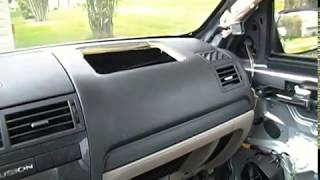
- Airbag Removal: The passenger airbag is typically accessed by removing the glove box and sometimes other lower dash panels. It is secured by several bolts (often 8mm or 10mm) that are unfastened from underneath the dashboard. 🎬 Watch: Professional walkthrough of driver and passenger airbag removal
- Installation of New/Used Unit: The replacement airbag is mounted, and its electrical connectors are securely attached.
- System Reset and Verification: After a new airbag is installed or a fault is repaired, the Airbag Control Module must be reset using a professional diagnostic scan tool. This tool clears the stored fault codes. If the module itself stored crash data from a previous accident, it must be professionally reset or replaced. The technician will then verify that the SRS warning light functions correctly (comes on and then goes off) upon startup.
Related Components to Inspect
When diagnosing an SRS light, a technician should also inspect related components:
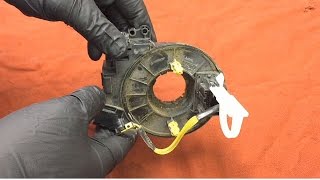
- Clock Spring: Located in the steering column, a faulty clock spring can interrupt the connection to the driver's airbag and trigger an SRS light. It can also cause the horn or steering wheel-mounted controls to stop working. 🎬 See this quick tip on how clock springs work and fail
- Wiring and Connectors: Loose or corroded connectors, especially under the front seats for the seatbelt pretensioners, are a common cause of intermittent airbag faults on Ford vehicles.
- Crash Sensors: The sensors located in the front of the vehicle can be damaged in even minor impacts, leading to system faults.
Buying a Used OEM Airbag
Given that new OEM airbags for these vehicles are often discontinued and no longer available from dealers, a quality used OEM airbag is a common and practical solution. However, extreme care must be taken when purchasing one.
- Source and History: Only buy from reputable, professional auto recyclers who can verify the part's history. Never install an airbag that came from a vehicle involved in a collision, even if it didn't deploy. Internal damage may not be visible.
- Physical Inspection: Inspect the airbag module for any signs of damage, such as cracks, dents, or stress marks on the housing. Ensure the electrical connectors are clean, straight, and free of corrosion. The outer dashboard cover should be free of cuts, brittleness, or discoloration from sun exposure.
- Part Number Verification: Match the OEM part number on the used airbag to your original part or the verified part numbers for your vehicle. Using an airbag with a non-matching part number can lead to system incompatibility.
- Storage and Handling: Used airbags must be stored and handled properly. They should be kept in a climate-controlled environment, away from moisture, and never dropped or mishandled.
Cost Comparison
Replacing an airbag system component can be expensive. Here is an estimated cost breakdown. Prices can vary significantly based on your location and the chosen repair shop.
| Part/Service | Estimated Cost |
|---|---|
| New OEM Passenger Airbag | $500 - $1,000+ (Largely discontinued, availability is extremely limited) |
| New Aftermarket Passenger Airbag | Not typically manufactured due to safety regulations and liability. |
| Used OEM Passenger Airbag | $75 - $250 (Varies by recycler and condition) |
| Airbag Control Module (Part Only) | ~$540 |
| Shop Labor (Airbag Replacement) | $200 - $400 |
| Shop Labor (Module Replacement & Programming) | $112 - $165 |
Frequently Asked Questions
Is it safe to drive with the airbag light on?
No, it is not safe. A solid or flashing airbag light means the airbags and potentially the seatbelt pretensioners have been disabled by the vehicle's computer. In the event of an accident, these critical safety systems will not function.
Can I install a used airbag myself to save money?
This is strongly discouraged. Airbags are hazardous materials that can cause severe injury if they deploy accidentally during installation. Furthermore, if the system is not reset correctly with a professional scan tool, it will remain inactive. Most repair shops will refuse to install customer-supplied used airbags due to liability concerns.
Why does this airbag only fit column-shift cars?
The location of the gear shifter dictates the design of the center part of the dashboard. Column-shift models have a different dash structure and mounting points for the passenger airbag compared to console-shift models, which have a large plastic console rising from the floor. The two airbag types are not physically interchangeable.
My airbag light is flashing. What does it mean?
A flashing light is the SRS module communicating a specific fault code. For this generation of Ford, you can often count the flashes to determine the code (e.g., 4 flashes, pause, 6 flashes = Code 46). This code helps a technician diagnose the exact problem, which could be anything from the airbag module itself to a seatbelt sensor or the clock spring.
Will a bad clock spring cause the passenger airbag light to come on?
No, a bad clock spring typically only affects components in the steering wheel, so it would trigger an airbag light fault related to the *driver's* side airbag, not the passenger's. If you have an airbag light and your horn or steering wheel controls have also stopped working, the clock spring is a likely culprit.
Helpful Videos
Technical Specifications
OEM Part Numbers: F8DB54043B13ABZUEF F8DB54044A74AAZUGL F8DBAAZUGL F8DBABZUEF F8DZ54043B13AAC F8DZ54044A74AAB F8DZ54044A74AAC YF1Z54044A74AAA
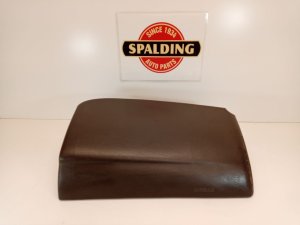
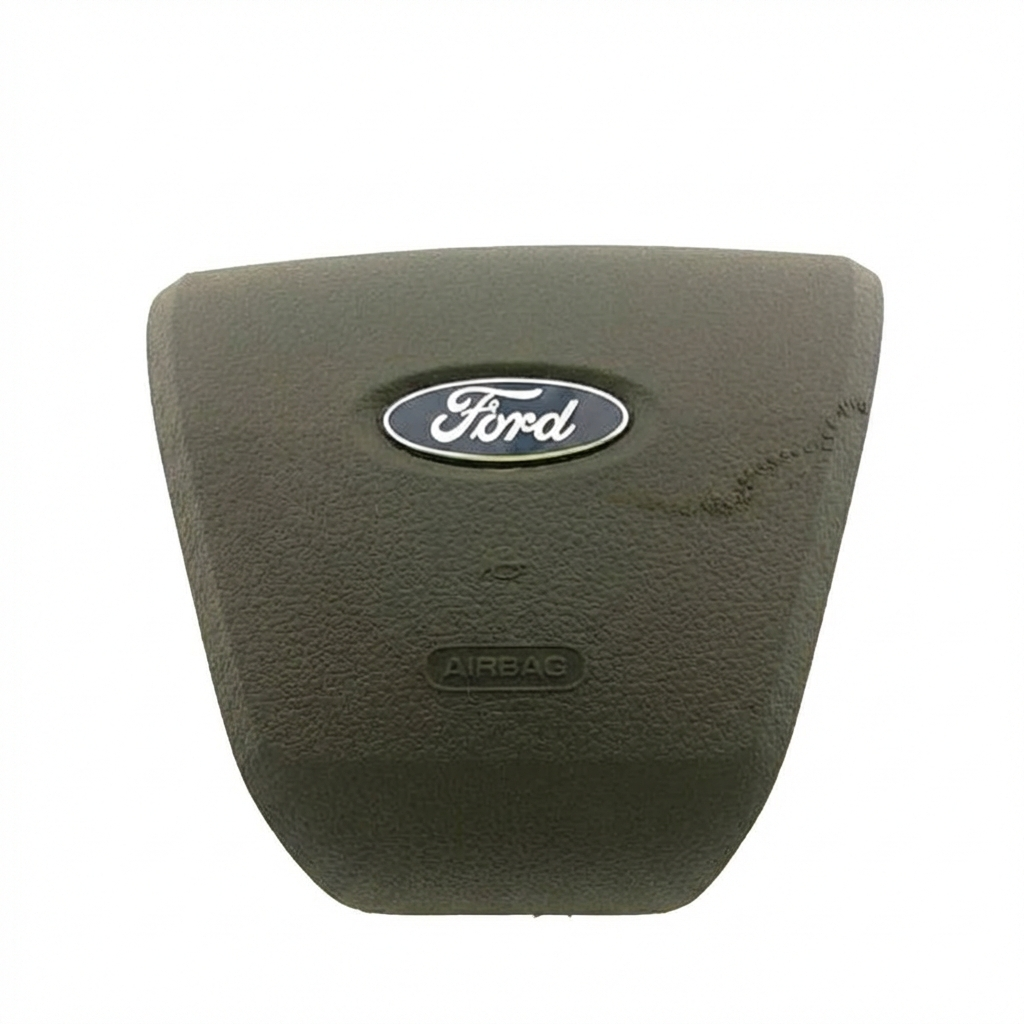
Passenger-side dashboard mounted airbag module. For use in vehicles with column-mounted automatic transmission shifter ONLY.
We Have This Part in Stock

The information in this article is provided for general reference and educational purposes only. Vehicle specifications, procedures, and part compatibility can vary by production date, trim level, and region. Always consult your vehicle's factory service manual and verify part numbers before purchasing or performing repairs. Safety-critical components such as airbags, seat belts, and braking systems should be installed by a qualified professional.
- Ford Taurus:
- Mercury Sable:
- 🎬 Helpful Videos
- 🛍️ Shop This Part
- Critical Compatibility Warning: Column Shifter Models ONLY
- Symptoms of a Faulty Airbag System
- Known Issues, Investigations, and Recalls
- NHTSA Investigation for Non-Deployment
- Takata Airbag Recalls
- Replacement and System Reset
- What Does Professional Replacement Involve?
- Related Components to Inspect
- Buying a Used OEM Airbag
- Cost Comparison
- Frequently Asked Questions
- 🎟️ Get 5% Off