

2019-2024 Jaguar I-Pace Air Bag Impact Sensor: Why Is My SRS Light On?
A detailed guide to diagnosing, replacing, and sourcing a used air bag impact sensor for the Jaguar I-Pace, focusing on common faults and SRS light issues.
- The primary symptom of a bad impact sensor is a constant airbag warning light, which means your entire SRS system is disabled and will not deploy in a crash.
- When buying a used sensor, you must match the OEM part number (J8A2-14D219-BA) exactly and inspect it for any physical damage or corrosion.
- After replacement, the fault code must be cleared from the vehicle's computer with a compatible diagnostic tool; the light will not turn off by itself.
- While there are no specific recalls for this sensor, I-Pace owners have reported airbag faults after hitting bumps, and the vehicle is subject to other major recalls for its battery system.
Symptoms of a Failing Air Bag Impact Sensor
The most common and serious symptom of a faulty air bag impact sensor is an illuminated SRS (Supplemental Restraint System) or airbag warning light on your instrument cluster. This light indicates that the system has detected a fault and has been disabled as a safety precaution.
- Airbag Warning Light: A persistent, non-flashing airbag light on the dashboard is the primary indicator. The system runs a self-check every time you start the vehicle, and if the light stays on, there is an active fault.
- SRS System Disabled: When the airbag light is on, you must assume the entire airbag system is inactive. In the event of a collision, the airbags and seatbelt pre-tensioners will not deploy.
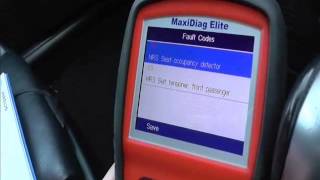
- Diagnostic Trouble Codes (DTCs): A professional scan tool can read specific codes from the Restraints Control Module (RCM). Codes related to a passenger-side impact sensor may include B0050 (Communication error) or 01222 (Side airbag impact sensor passenger side faulty).
- "Active Hood Fault" Message: On some I-Pace vehicles, a faulty acceleration or impact sensor can also trigger an "Active hood fault" message 🎬 Watch: How to diagnose and repair Jaguar pedestrian system faults., as the pedestrian protection system uses similar sensor inputs.
Warning: Never ignore an airbag warning light. A faulty sensor means your vehicle's primary passive safety system is compromised and will not function in an accident.
Known Issues, TSBs, and Recalls for the 2019-2024 Jaguar I-Pace
While there are no specific recalls or Technical Service Bulletins (TSBs) issued by Jaguar for the air bag impact sensor (part number J8A2-14D219-BA) on the I-Pace, owners have reported some relevant issues.
- Forum-Reported Failures: Some I-Pace owners have reported the airbag light appearing after hitting a sharp bump or pothole, suggesting the sensors can be sensitive or prone to failure from physical shock. Others have noted the light appearing after an emergency braking event.
- Low Voltage Issues: Like many modern Jaguars, the I-Pace can be sensitive to battery voltage. A low 12V battery can sometimes trigger spurious SRS fault codes. If your airbag light appeared after the vehicle's battery was drained, it's possible the code just needs to be cleared after ensuring the battery is fully charged.
- Related Recalls: It is important to note that the 2019-2024 Jaguar I-Pace has been subject to several significant safety recalls related to its high-voltage battery system, which poses a fire risk. These recalls do not involve the airbag sensors, but owners should check their vehicle's status with a dealer or on the NHTSA website to ensure all safety campaigns have been completed.
Buying a Used Air Bag Impact Sensor
Purchasing a used OEM air bag impact sensor can be a cost-effective solution, but careful inspection is crucial for this safety-critical part. Given the lack of aftermarket options, a quality recycled part is often the best alternative to an expensive new one.
What to Check Before You Buy:
- Verify the Part Number: This is the most important step. You MUST match the part number on your original sensor exactly. For the front passenger side, the known OEM part number is J8A2-14D219-BA. A mismatched part will not communicate with the RCM and will not work.
- Inspect the Casing: Look for any cracks, stress marks, or signs of physical damage on the plastic housing. A sensor from a vehicle involved in a major collision may be compromised even if it looks fine. Do not buy a sensor with any visible damage.
- Check the Connector: The electrical connector pins should be straight, clean, and free of any corrosion or moisture damage. A green or white crusty buildup is a major red flag.
- Source Vehicle History: If possible, inquire about the donor vehicle. A sensor from a low-mileage vehicle that was not involved in a major collision is ideal. Avoid parts from flood-damaged vehicles, as moisture is a primary cause of sensor failure.
Pro Tip: Always choose a used Original Equipment (OEM) sensor over a new, cheap, unbranded part if one were available. The SRS system is precisely calibrated to work with OEM components. For safety systems, sticking with the original manufacturer's equipment is the safest choice.
Replacement Information
The part number J8A2-14D219-BA corresponds to a side impact sensor. While the initial data may suggest a seat location, these sensors are typically installed in the vehicle's B-pillar (the post between the front and rear doors) or within the door itself.
- Difficulty Rating: 3/5
- Estimated Time: 1-1.5 hours
- DIY Feasibility: Possible for experienced DIYers.
The replacement process involves carefully removing interior trim panels to access the sensor's mounting location. This requires patience and the right tools to avoid breaking plastic clips.
Warning: Before beginning any work on the SRS system, you must disconnect the vehicle's 12V battery (ground cable first) and wait at least two minutes for the system's backup power to fully discharge. Failure to do so can result in accidental airbag deployment, which can cause serious injury.
Post-Installation Steps
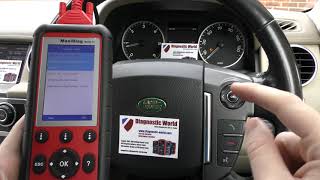
After installing the new sensor and reconnecting the battery, the fault code stored in the Restraints Control Module (RCM) must be cleared. The airbag light will not turn off on its own. This requires a diagnostic scan tool capable of communicating with the SRS module. While some high-end consumer scanners can do this, it may require a professional-grade tool or Jaguar-specific software (like JLR Pathfinder).
🎬 Watch: Resetting SRS codes and fixing B0050 errors with a scanner.Cost Breakdown
Prices can vary by location and supplier. The following is an estimated cost comparison:
| Part/Service | Estimated Cost |
|---|---|
| New OEM Sensor (Dealer) | $300 - $450 |
| New Aftermarket Sensor | Not Available |
| Used OEM Sensor | $50 - $150 |
| Shop Labor (Replacement) | $150 - $300 |
| Shop Labor (Diagnostics/Code Clearing) | $75 - $150 |
Frequently Asked Questions (FAQ)
Can I drive my I-Pace with the airbag light on?
While the vehicle will drive normally, it is strongly discouraged. An illuminated airbag light means the entire Supplemental Restraint System is disabled and will not deploy in a crash, significantly increasing the risk of serious injury. In many regions, an active airbag light is also an automatic failure for safety inspections.
Does a replacement airbag sensor need to be programmed?
The sensor itself typically does not require programming, but the fault code it triggered must be cleared from the Restraints Control Module (RCM) using a compatible diagnostic tool after installation. The system will not recognize the new part and the light will not go off until this is done.
Where is the J8A2-14D219-BA sensor located?
This is a side impact sensor. While the initial description mentions the passenger seat, it is more accurately for the passenger *side* of the vehicle. Its exact location is typically inside the B-pillar (the vertical support between the front and rear doors) or sometimes within the front door panel itself.
🎬 See this walkthrough on removing Jaguar I-Pace interior door panels.Could something else cause the airbag light?
Yes. Other common causes include a faulty passenger seat occupant sensor, a bad clock spring in the steering column, wiring issues, or even low system voltage from a weak 12V battery. A proper diagnostic scan is essential to confirm the faulty component before ordering parts.
Helpful Videos

Technical Specifications
OEM Part Numbers: J8A2-14D219-BA
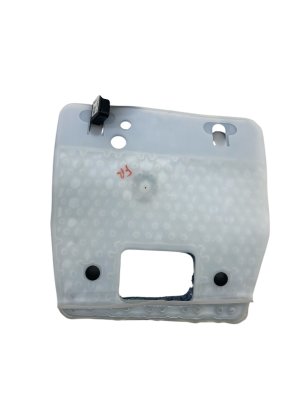
Side impact sensor for the Supplemental Restraint System (SRS). Detects side-on collisions and signals the Restraints Control Module (RCM).
We Have This Part in Stock

The information in this article is provided for general reference and educational purposes only. Vehicle specifications, procedures, and part compatibility can vary by production date, trim level, and region. Always consult your vehicle's factory service manual and verify part numbers before purchasing or performing repairs. Safety-critical components such as airbags, seat belts, and braking systems should be installed by a qualified professional.
- Jaguar I-Pace:
- 🎬 Helpful Videos
- 🛍️ Shop This Part
- Symptoms of a Failing Air Bag Impact Sensor
- Known Issues, TSBs, and Recalls for the 2019-2024 Jaguar I-Pace
- Buying a Used Air Bag Impact Sensor
- What to Check Before You Buy:
- Replacement Information
- Post-Installation Steps
- Cost Breakdown
- Frequently Asked Questions (FAQ)
- 🎟️ Get 5% Off