

2018-2023 Kia Stinger Air Bag Impact Sensor: Diagnosing the SRS Light
This guide explains why the same impact sensor is used in multiple locations on your Stinger and what to do when the airbag light comes on.
- The primary symptom of failure is an illuminated airbag light, which means the entire SRS system is disabled and will not deploy in a crash.
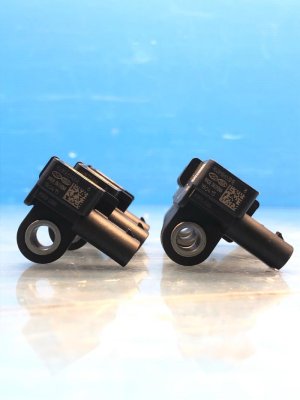
- The same sensor (Part No. 95920-J5000) is used in multiple locations (front, side, rear), but diagnosis is required to know which one has failed.
- There are no active recalls for this specific part on the 2018-2023 Kia Stinger.
- When buying used, you must get a guarantee that the sensor came from a vehicle where airbags did not deploy. Sensors are a one-time-use part in a collision.
Symptoms of a Failing Air Bag Impact Sensor
The signs of a bad impact sensor are serious and directly affect vehicle safety. Because the car's computer continuously checks the SRS system, a fault will be flagged immediately.
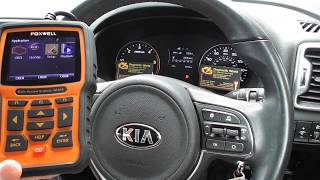
- Airbag Warning Light: The most common and immediate symptom is the illumination of the airbag warning light on your dashboard. This light, which typically looks like a person with an airbag deployed, indicates that the SRS has detected a fault and has been disabled. This means your airbags will not deploy in a crash while the light is on.
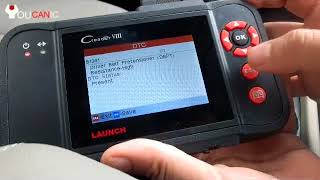
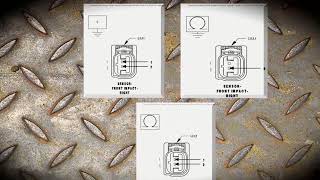
- Stored Diagnostic Trouble Codes (DTCs): When the SRS light comes on, a specific fault code is stored in the Airbag Control Unit. A mechanic with an OBD2 scanner capable of reading SRS codes can retrieve this code to pinpoint the problem, such as "side airbag crash sensor driver side faulty." This is the first step in any diagnosis. 🎬 Watch: How to diagnose SRS codes and identify faulty sensors.
Known Issues, Recalls, and Service Bulletins
As of early 2026, there are no specific recalls or technical service bulletins (TSBs) issued by the National Highway Traffic Safety Administration (NHTSA) for the air bag impact sensors (part number 95920-J5000) on the 2018-2023 Kia Stinger.
While some recalls exist for the Stinger for other issues, like potential wiring harness damage or oil leaks, none directly address a widespread failure of the impact sensors themselves. A large Kia airbag recall from 2022 involved other models like the Soul and Forte but did not include the Stinger. Always check the official NHTSA website with your vehicle's VIN for the most current information on any potential recalls.
Pro Tip: The most common cause of sensor failure is not a manufacturing defect, but external factors like moisture and corrosion, especially for sensors located in the doors or under the carpet. Physical damage from a previous, even minor, accident can also cause a sensor to fail later.
Buying a Used 2018-2023 Stinger Air Bag Sensor
Purchasing a used OEM impact sensor can be a cost-effective solution, but it requires careful inspection. Since this is a critical safety component, the source and condition are paramount.
Key Inspection Points:
- Verify Non-Deployment Status: This is the most important rule. NEVER purchase or install a sensor that has come from a vehicle where the airbags were deployed. According to I-CAR, a leading authority in collision repair, impact sensors are one-time-use components that must be replaced after a deployment event. Only buy from a reputable recycler who can guarantee the part came from a non-deployed vehicle.
- Check for Physical Damage: Inspect the sensor's plastic housing for any cracks, stress marks, or signs of being crushed. Check the electrical connector pins to ensure they are straight, clean, and free of corrosion.
- Confirm the Part Number: The verified OEM part number for this sensor is 95920-J5000 (or 95920J5000). Always match this number exactly to the part you are replacing. While this part is used in multiple locations, it's crucial to ensure you have the correct part number for your vehicle's generation.
Installation and Location Details
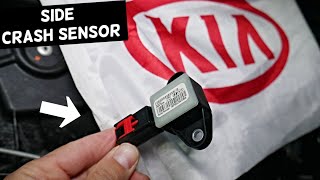
A unique aspect of the Kia Stinger is that the same impact sensor, part number 95920-J5000, is used in several different locations around the car. This includes the front, the side center pillars (B-pillars), and the rear quarter panels. The installation difficulty varies significantly depending on which sensor has failed.
| Sensor Location | Typical Location Details | Estimated Difficulty (1-5) |
|---|---|---|
| Front Impact Sensor | Typically mounted on or near the radiator core support, behind the bumper cover. | 2/5 (Requires removing some plastic shields, but generally accessible). |
| Side Impact Sensor (Center B-Pillar) | Located inside the B-pillar, between the front and rear doors. Requires removal of interior trim panels. | 4/5 (High risk of breaking trim clips; requires patience and care). | 🎬 See this walkthrough for locating and replacing side impact sensors.
| Side Impact Sensor (Rear Quarter Panel) | Located behind the interior trim in the rear passenger or cargo area. | 3/5 (Requires removal of some interior panels). |
Warning: Before attempting any work on the SRS system, you MUST disconnect the vehicle's negative battery terminal and wait at least three minutes for the system's backup power to discharge. Failure to do so can result in accidental airbag deployment, causing serious injury.
Cost to Replace a Kia Stinger Air Bag Sensor
The cost of replacement depends heavily on whether you do the work yourself or use a professional shop. Given the safety-critical nature of this part, many owners opt for professional installation.
| Cost Category | Estimated Price Range |
|---|---|
| New OEM Part (Dealer) | $65 - $97 |
| Used OEM Part (Recycled) | $25 - $50 |
| Shop Labor Cost | $98 - $429 (1-3 hours depending on location) |
| Total Professional Replacement | $200 - $500 (approx.) |
Frequently Asked Questions (FAQ)
Can I drive my Stinger with the airbag light on?
No. It is not safe to drive with the airbag light on. An illuminated SRS light means the entire airbag system is disabled and will not deploy in a crash, significantly increasing the risk of injury. The vehicle will drive, but its most important safety feature is inactive.
Can I reset the airbag light myself?
No. Standard OBD2 scanners cannot clear SRS fault codes. Even if you could clear the code, it will immediately return if the underlying fault (the bad sensor) is not fixed. The system must be repaired, and then the code can be cleared with a professional-grade scan tool.
🎬 Watch: Using a diagnostic tool to reset the airbag light.Are all the airbag sensors on a 2018-2023 Stinger the same?
The primary impact sensors located in the front, side pillars, and rear quarter panels are often the same part, 95920-J5000. However, there may be other types of sensors in the system. It is absolutely critical to have the system scanned to identify which specific sensor has failed before ordering a replacement.
Why should I buy a used OEM sensor instead of a new aftermarket one?
For SRS components, OEM (Original Equipment Manufacturer) parts are highly recommended. These parts are identical to the ones your car was built with, ensuring perfect compatibility and performance. While some aftermarket sensors exist, their quality and calibration can be questionable. A high-quality, non-deployed used OEM sensor is often a safer and more reliable choice than a new, unproven aftermarket part.
Helpful Videos

Technical Specifications
OEM Part Numbers: 95920-J5000 95920J5000
Used in front, side center pillar, and rear quarter panel locations.
We Have This Part in Stock

The information in this article is provided for general reference and educational purposes only. Vehicle specifications, procedures, and part compatibility can vary by production date, trim level, and region. Always consult your vehicle's factory service manual and verify part numbers before purchasing or performing repairs. Safety-critical components such as airbags, seat belts, and braking systems should be installed by a qualified professional.
- Kia Stinger:
- 🎬 Helpful Videos
- 🛍️ Shop This Part
- Symptoms of a Failing Air Bag Impact Sensor
- Known Issues, Recalls, and Service Bulletins
- Buying a Used 2018-2023 Stinger Air Bag Sensor
- Key Inspection Points:
- Installation and Location Details
- Cost to Replace a Kia Stinger Air Bag Sensor
- Frequently Asked Questions (FAQ)
- 🎟️ Get 5% Off