

2005-2015 Ford Mustang Alternator: A Guide to V6, V8, and Amperage Variants
This guide covers the common failure symptoms, replacement costs, and crucial compatibility differences for alternators across the S197 Mustang platform.
- Compatibility is critical: The correct alternator depends on your Mustang's engine (4.6L, 3.7L, 5.0L) and transmission type.
- A simple voltage test can diagnose the problem: A healthy system should read ~12.6V with the engine off and 13.7-14.7V with the engine running.
- Listen for warning signs: Whining or grinding noises from the engine bay are early indicators of failing alternator bearings.
- Replace related parts: It's wise to replace the serpentine belt and inspect the tensioner and idler pulleys during the job.
Variant Differences: Engine, Transmission, and Options Matter

Not all alternators for the 2005-2015 Mustang are the same. Choosing the correct one is critical for proper fit and function. The primary differences are based on the engine, transmission, and electrical load from factory options.
Warning: Installing the wrong alternator can lead to charging system problems, warning lights, and premature failure. Always verify the part number and amperage rating before purchasing.
2005-2010 Mustang GT (4.6L V8)
Models equipped with the 4.6L 3V V8 engine typically use a 135-amp alternator. Compatibility can depend on whether the vehicle has an automatic or manual transmission. Some higher-trim models with premium sound systems or other high-draw electronics may have been equipped with a higher amperage unit from the factory.
2011-2014 Mustang (3.7L V6 & 5.0L V8)
With the introduction of the 3.7L V6 and 5.0L V8 engines, the alternator options became more specific:
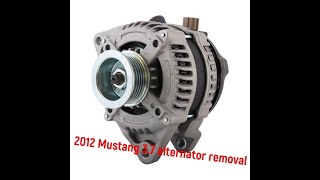
- 3.7L V6: These models often have different alternators depending on whether they have a manual or automatic transmission. The standard output is typically around 150 amps. 🎬 Watch this step-by-step removal guide for the 3.7L V6 model.
- 5.0L V8 (GT): The 5.0L GT also has specific alternators for manual and automatic transmissions. The standard amperage is around 150 amps, but higher-output versions (e.g., 175 amps) were available for vehicles with more electronic features.
2015 Mustang
The early 2015 models, which are part of the S550 generation but sometimes grouped with this part range, have their own specific requirements. Alternators for these vehicles are typically rated at 175 amps or higher and are not interchangeable with 2005-2014 models.
Symptoms of a Failing Alternator

A failing alternator provides several warning signs, most of which are related to the vehicle's electrical system.
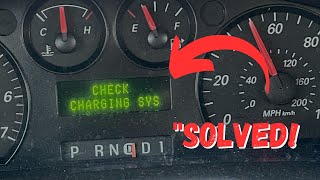
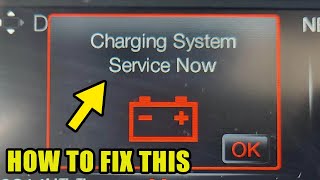
- "Check Charging System" or Battery Warning Light: This is the most direct indicator. The vehicle's computer has detected a problem with the charging system's voltage output. 🎬 See how to troubleshoot and solve common Ford charging system warnings.
- Dimming or Flickering Lights: You may notice headlights, interior lights, or the dashboard display dimming, especially at idle, and then brightening as you rev the engine. This indicates inconsistent power output.
- Whining or Grinding Noises: A high-pitched whining or a grinding sound from the front of the engine that changes with engine RPM often points to failing bearings inside the alternator.
- Slow or Dead Battery: An alternator's primary job is to charge the battery. If the alternator is failing, the battery will not get recharged, leading to difficulty starting the engine or a completely dead battery.
- Strange Electrical Issues: Power windows moving slowly, an erratic radio, or other seemingly random electrical problems can be caused by the inconsistent voltage from a failing alternator.
- Smell of Burning Rubber or Wires: A hot, burning smell can indicate that the alternator's drive belt is slipping and overheating, or that the alternator itself is overheating electrically.
Known Issues, TSBs, and Recalls

While there are no widespread recalls for alternators on the 2005-2015 Mustang, Ford did issue a Technical Service Bulletin (TSB) for some early models.
- TSB 06-19-12: For some 2005-2006 Mustang GT models, this TSB notes that diagnostic trouble codes P0340 and/or P0349 (related to the camshaft position sensor) could be caused by a malfunctioning diode or an open phase connection within the alternator.
Buying a Used Alternator: What to Look For

A used OEM alternator can be a reliable and cost-effective alternative to expensive new units or lower-quality aftermarket parts. Here’s how to inspect a used alternator:
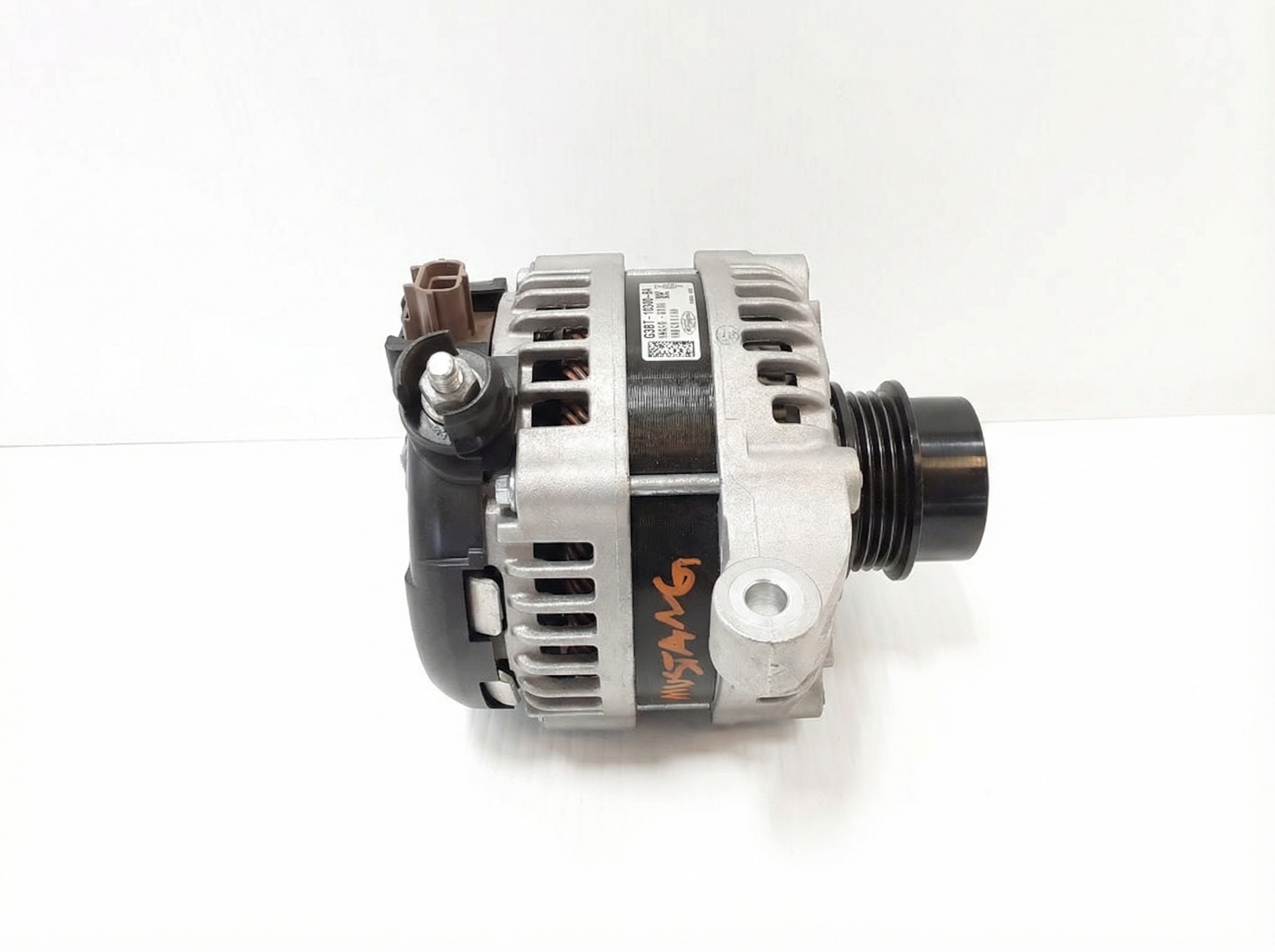
- Verify the Part Number: This is the most critical step. Match the part number from the used unit to your original alternator or a verified OEM parts catalog. The amperage rating must match your vehicle's requirements.
- Check the Pulley: Spin the pulley by hand. It should spin smoothly and quietly. Any grinding, roughness, or excessive noise indicates bad bearings. Also, check for any side-to-side wobble, which suggests wear.
- Inspect Electrical Connections: Look at the main power terminal (B+) and the regulator plug. The threads on the power terminal should be clean and undamaged. The plastic around the regulator plug should be free of cracks or signs of melting.
- Examine the Housing: Check the aluminum case for any cracks or significant corrosion. Look for signs of fluid contamination, such as oil or coolant, which can damage the internal components.
- Consider Mileage: Alternators are wear items. While they can last over 100,000 miles, a unit from a lower-mileage vehicle is always a better choice. Ask the seller for the mileage of the donor vehicle if possible.
Pro Tip: Used OEM alternators are often superior to new aftermarket ones. They are built to Ford's original specifications for durability and performance, whereas some aftermarket units can cause issues with the vehicle's sensitive electronics, leading to persistent "Check Charging System" warnings even when they appear to be working.
Cost Comparison for Ford Mustang Alternator Replacement
Prices can vary based on engine, year, and amperage rating. The following is an estimated cost breakdown:
| Part Type | Estimated Cost |
|---|---|
| New OEM | $300 - $550+ |
| New Aftermarket | $200 - $450 |
| Remanufactured | $200 - $400 |
| Used OEM | $50 - $150 |
| Shop Labor | $85 - $200 |
Step-by-Step Replacement Guide (General)
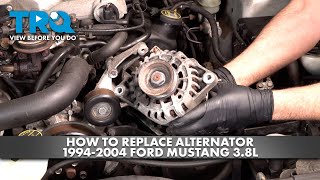
Replacing the alternator on a 2005-2015 Mustang is a manageable DIY project for those with basic mechanical skills. The process is similar for V6 and V8 models, with minor variations.
- Disconnect the Battery: Always disconnect the negative battery terminal first using an 8mm or 10mm wrench to prevent electrical shorts.
- Release Belt Tension: Use a breaker bar or ratchet with a 15mm socket on the serpentine belt tensioner and rotate it to release tension, then slip the belt off the alternator pulley. It's a good idea to take a picture of the belt routing beforehand.
- Remove Electrical Connections: Unplug the voltage regulator connector. Peel back the rubber boot on the main power terminal and remove the nut (typically 10mm or 13mm).
- Unbolt the Alternator: The alternator is typically held on by two or three bolts (usually 13mm or 15mm). Remove these bolts. The alternator may be a tight fit and require some gentle prying to remove from its bracket.
- Install the New Alternator: Seat the new alternator in the mounting bracket and start the bolts by hand.
- Torque to Spec: Tighten the mounting bolts to the proper torque specification, which is typically 35 lb-ft (48 Nm).
- Reconnect and Reassemble: Reconnect the main power cable and the regulator plug. Reinstall the serpentine belt, ensuring it is routed correctly. Finally, reconnect the negative battery terminal.
- Test the System: Start the engine and use a multimeter to check the voltage at the battery terminals. A healthy charging system should read between 13.7 and 14.7 volts with the engine running.
Related Parts to Replace
Since you already have the serpentine belt removed, it is highly recommended to inspect and replace these related components if they show signs of wear:
- Serpentine Belt: Look for cracks, fraying, or glazing. Replacing it is inexpensive preventative maintenance.
- Belt Tensioner and Idler Pulleys: Spin the pulleys by hand. If they feel rough, make noise, or wobble, they should be replaced to ensure proper belt tension and prevent future failure.
Frequently Asked Questions (FAQ)
Can I upgrade to a higher amperage alternator?
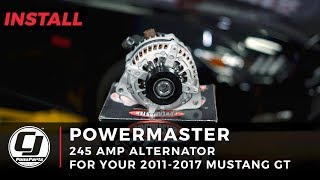
Yes, upgrading is possible and often recommended if you have added high-draw electrical accessories like a powerful stereo system or auxiliary lighting. However, you may also need to upgrade the main power wire (the "Big 3" wiring upgrade) 🎬 Watch a high-output alternator installation on a Mustang GT. to handle the increased current safely.
Is rebuilding my old alternator a good option?
Rebuilding an alternator by replacing components like the voltage regulator, brushes, and bearings can be cost-effective, but it requires specialized knowledge. For most DIY mechanics, purchasing a quality used or remanufactured unit is a more practical solution.
Why is my "Check Charging System" light still on after replacing the alternator?
This can happen for several reasons. First, low-quality remanufactured or aftermarket alternators may not communicate correctly with the Ford ECU. Other causes include a bad battery that can no longer hold a charge, corroded battery terminals, a faulty ground wire, or a blown fuse in the charging circuit.
How long should a Ford Mustang alternator last?
An original equipment alternator can last anywhere from 80,000 to 150,000 miles or more. Longevity is affected by driving conditions, electrical load, and exposure to heat and contaminants like oil leaks.
Helpful Videos
Technical Specifications
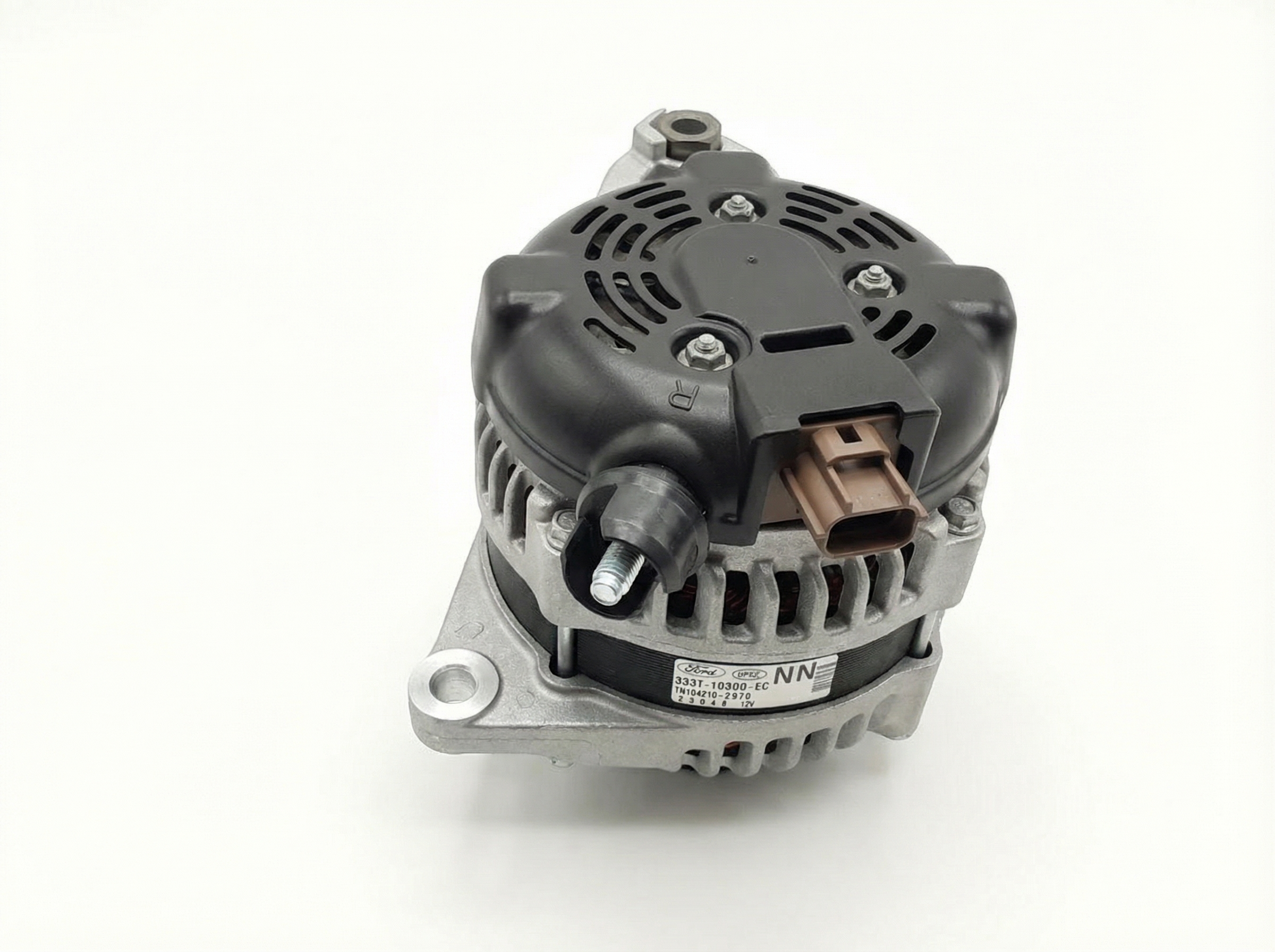
OEM Part Numbers: 4R3T10300AA 4R3T10300AB 4R3Z10346AA 6R3Z10346A 6R3Z10346AARM 6R3Z10V346ABRM 9R3T10300DA 9R3T10300DB 9R3TDA 9R3TDB 9R3Z10346D BR3T10300EB BR3T10300EC BR3T10300JB BR3T10300JC BR3Z10346A
Common amperage ratings include 135A, 150A, and 175A. Voltage is 12V DC. Rotation is clockwise.
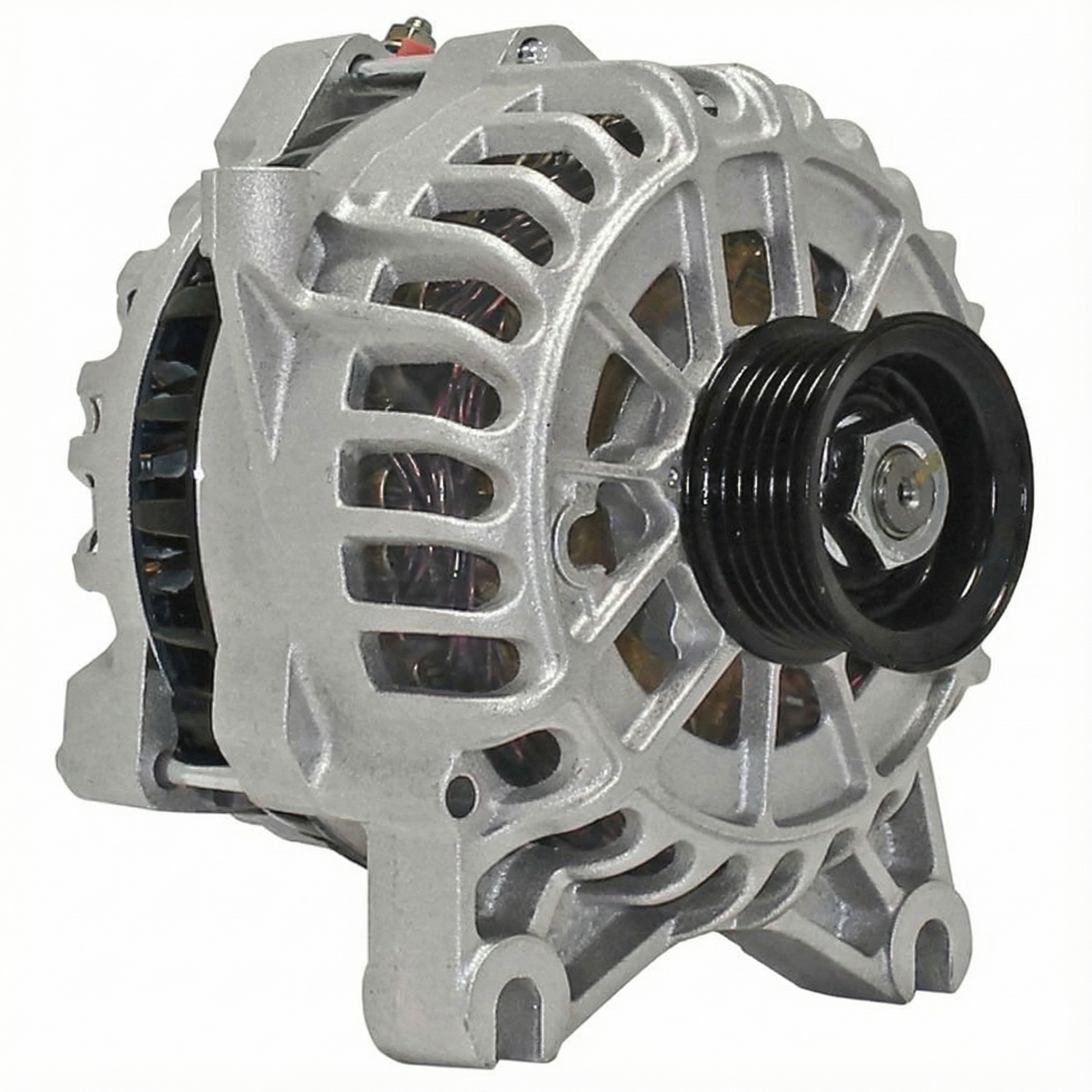
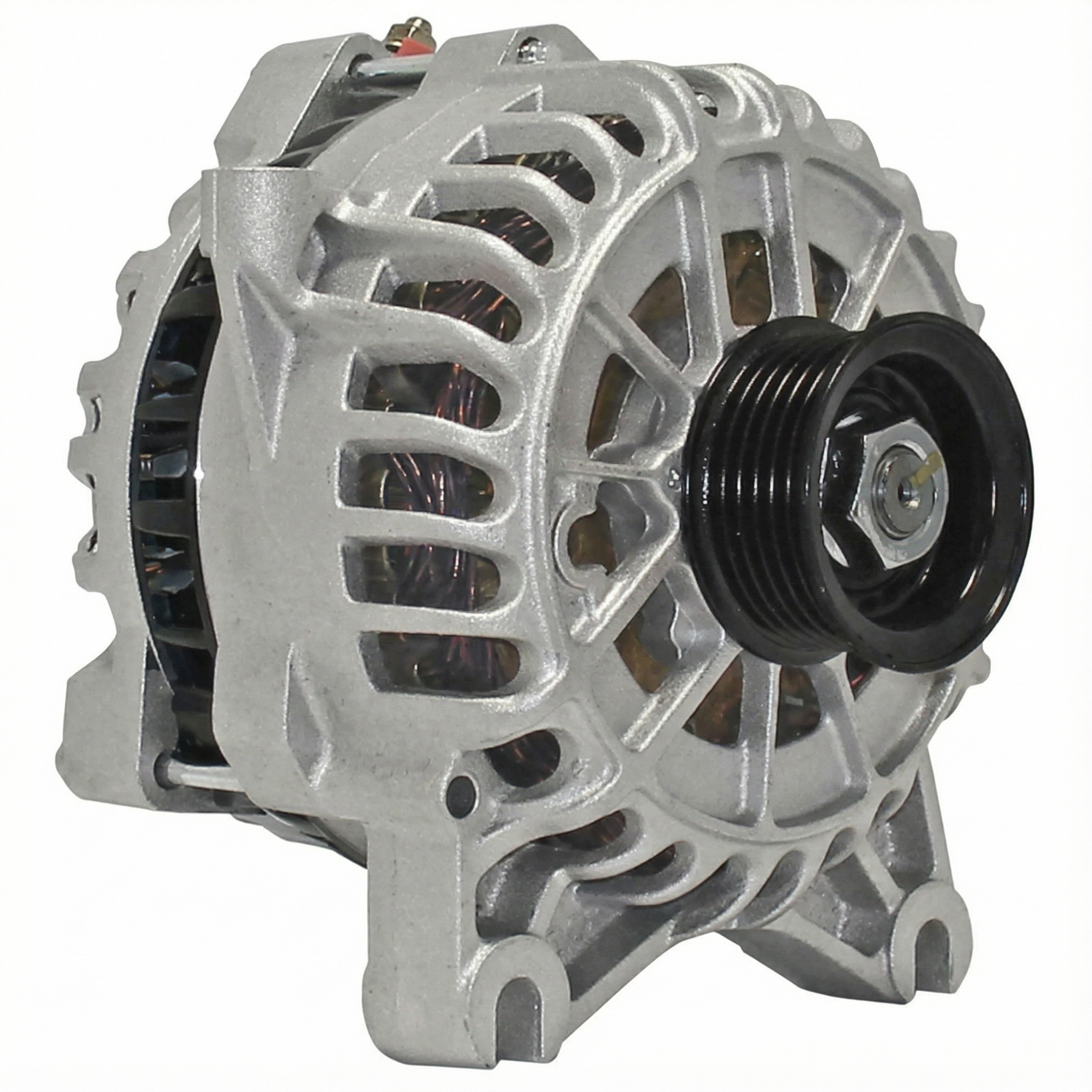
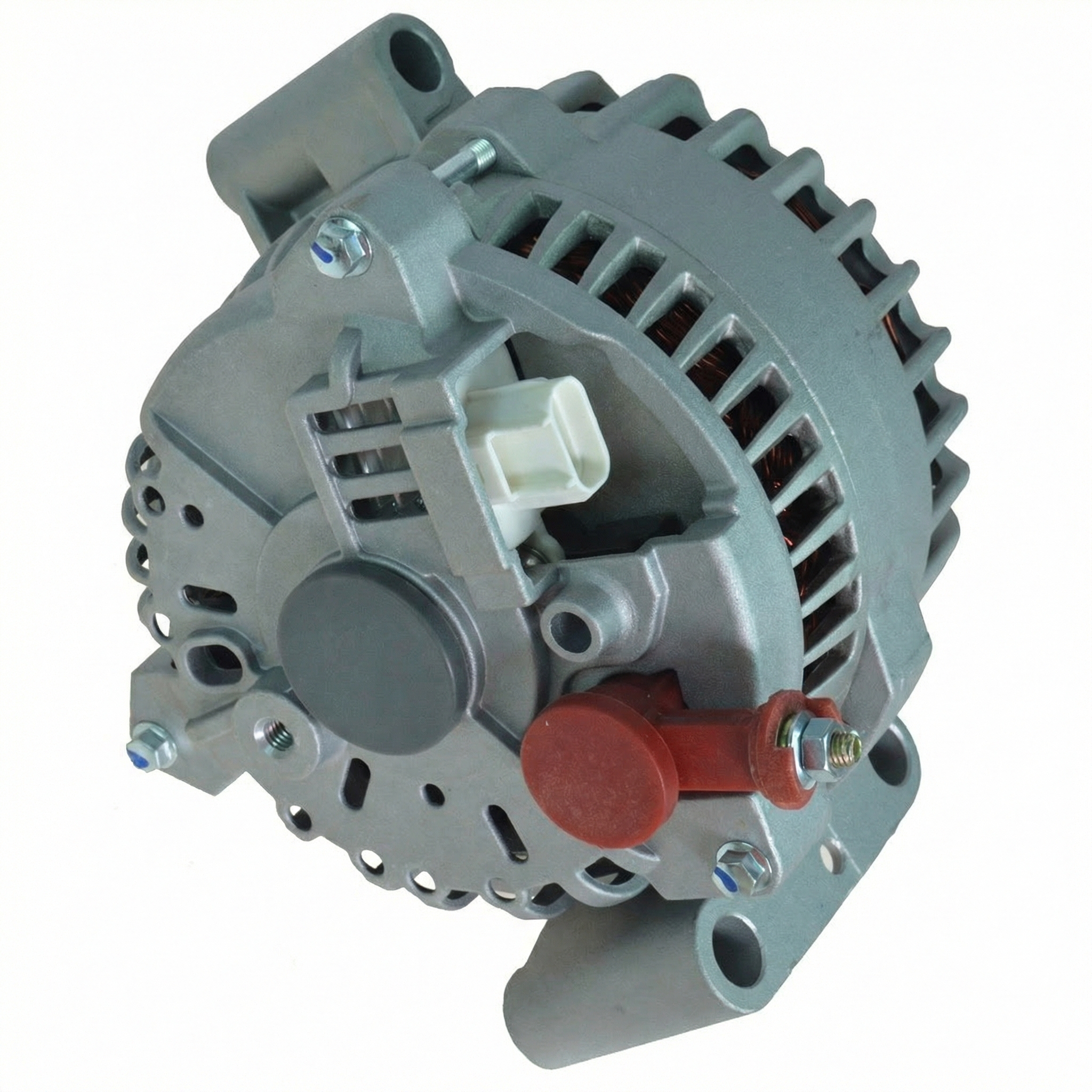
We Have This Part in Stock

The information in this article is provided for general reference and educational purposes only. Vehicle specifications, procedures, and part compatibility can vary by production date, trim level, and region. Always consult your vehicle's factory service manual and verify part numbers before purchasing or performing repairs. Safety-critical components such as airbags, seat belts, and braking systems should be installed by a qualified professional.
- Ford Mustang:
- 🎬 Helpful Videos
- 🛍️ Shop This Part
- Variant Differences: Engine, Transmission, and Options Matter
- 2005-2010 Mustang GT (4.6L V8)
- 2011-2014 Mustang (3.7L V6 & 5.0L V8)
- 2015 Mustang
- Symptoms of a Failing Alternator
- Known Issues, TSBs, and Recalls
- Buying a Used Alternator: What to Look For
- Cost Comparison for Ford Mustang Alternator Replacement
- Step-by-Step Replacement Guide (General)
- Related Parts to Replace
- Frequently Asked Questions (FAQ)
- 🎟️ Get 5% Off