

1986-1995 Taurus & Sable Power Antenna: Fixing Common Failures and Replacement Guide
A complete guide to diagnosing and replacing the frequently faulty power antenna in the first and second-generation Ford Taurus and Mercury Sable.
- The most common failure is a broken nylon drive cable, which causes a grinding noise while the mast stays put.
- Replacing only the mast and cable is the cheapest repair if the motor still runs.
- When buying a used unit, try to test the motor with a 12V source and ensure the mast is perfectly straight.
- Replacing the entire power unit with a simple, fixed-mast antenna is a popular and permanent solution to avoid future failures.
Symptoms of a Failing Antenna
When the power antenna on a 1986-1995 Ford Taurus or Mercury Sable begins to fail, the symptoms are usually obvious. Understanding them can help you pinpoint the exact cause of the problem.
- Grinding or Clicking Noises: A loud grinding, clicking, or whirring sound from the fender area when you turn the radio on or off is the most common symptom. This almost always means the internal nylon drive cable has snapped or its teeth have stripped, and the motor is running without being able to engage the mast.
- Antenna Won't Extend or Retract: The mast may stay stuck in the down position, up position, or only move partially. 🎬 Watch this guide on how to fix a stuck antenna If you can hear the motor running, the problem is likely the mast or its drive cable. If you hear nothing, the issue could be the motor itself, 🎬 Watch: How to diagnose a power antenna motor failure the radio's signal wire, or a fuse.
- Bent or Broken Mast: Physical damage from car washes, vandalism, or debris can prevent the antenna from moving correctly. A bent mast can jam the mechanism, leading to a stripped drive cable or a burned-out motor.
- Poor Radio Reception: If your radio reception is suddenly full of static or you can't tune in to stations you normally receive, the antenna mast or the coaxial cable connecting it to the radio may be damaged or disconnected.
Buying a Used 1986-1995 Taurus or Sable Antenna
Given the age of these vehicles, a new OEM power antenna assembly is likely discontinued or extremely rare. A used OEM unit is often the most practical and cost-effective solution. Here’s what to check before buying a recycled antenna.
What to Physically Inspect:
- Check the Mast: The telescoping stainless steel mast should be perfectly straight and clean. Run your fingers along its length to feel for any bends, kinks, or corrosion, which can cause it to jam.
- Inspect the Drive Cable: If possible, ask the seller to extend the antenna. Look at the toothed nylon cable that emerges. It should be flexible and have clean, sharp teeth. If it's brittle, cracked, or missing teeth, it will fail soon. The end of this cable is a common failure point.
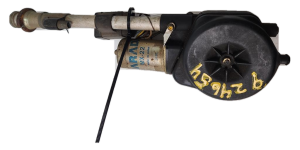
- Test the Motor: The best way to verify a used power antenna is to test it. You can do this with a 12-volt power source. The motor assembly typically has a three-wire connection: one for constant power (Red), one for ground (Black), and one for the trigger signal from the radio (Green). Applying 12V to the power and trigger wires should make the antenna extend; removing power from the trigger wire should make it retract. Listen for smooth operation, not grinding.
- Examine the Housing: Check the plastic motor housing for cracks or signs of water intrusion. The unit should be dry and sealed to protect the internal gears and electronics.
Pro Tip: Many failures are due to the mast and cable alone. If you find a good used motor assembly but the mast is questionable, you can often buy a new aftermarket mast replacement kit 🎬 See how to replace the antenna mast and cable for $15-$30 and install it into the used OEM motor. This gives you the best of both worlds: a reliable factory motor and a brand-new wear item.
Known Issues, TSBs, and Recalls
For the 1986-1995 Ford Taurus and Mercury Sable, there are no specific recalls or Technical Service Bulletins (TSBs) related to the power antenna. This is a common wear-and-tear item not considered a safety issue by NHTSA.
The single most common known issue is the failure of the flexible nylon drive cable inside the mast. Over decades of use, the plastic becomes brittle and snaps, or the teeth get stripped by the drive gear. When this happens, the motor runs but cannot push the mast up or pull it down, resulting in a grinding noise. This is so common that many owners opt to replace the power unit with a fixed, non-retracting "whip" antenna to eliminate the problem permanently.
Cost of Replacement
The cost to fix a broken antenna can vary significantly depending on whether you replace the entire assembly or just the mast.
| Part | Estimated Cost |
|---|---|
| New OEM Assembly | Discontinued / Not Available |
| New Aftermarket Mast Only | $15 - $60 |
| New Aftermarket Full Assembly | $60 - $125 |
| Used OEM Assembly | $20 - $85 |
| Shop Labor | $50 - $150 |
Antenna Replacement Overview
Replacing the antenna on a Taurus or Sable is a straightforward job for a DIYer. The entire assembly is typically located in the trunk on the driver's side, behind the carpeted liner.
- Access the Antenna: Open the trunk and pull back the side liner to expose the power antenna motor and its mounting bracket.
- Disconnect Wiring: Unplug the main power connector and the coaxial antenna cable from the motor assembly.
- Remove the Outer Nut: On the outside of the fender, unscrew the special retaining nut that holds the top of the antenna in place. A special tool exists, but careful use of needle-nose pliers or a flathead screwdriver can also work.
- Unbolt the Assembly: Back in the trunk, remove the bolts securing the antenna motor bracket to the vehicle's body. The entire unit can then be maneuvered out.
- Installation: Installation is the reverse of removal. If you are only replacing the mast, you will need to open the motor housing (usually held by several small screws), remove the old broken cable, and feed the new one in while the radio is turned on to engage the motor.
Frequently Asked Questions (FAQ)
Can I just replace the broken mast instead of the whole motor?
Yes, and this is the most common and affordable repair. If you can hear the motor running when you turn the radio on, it means the motor is working. You can purchase an aftermarket mast kit which includes the telescoping antenna and the integrated nylon drive cable. The repair involves opening the motor case to remove the old, broken piece of cable and feeding the new one in.
My antenna makes a grinding noise. What does that mean?
A grinding noise is the classic sign of a broken or stripped nylon drive cable. The motor is trying to push or pull the mast, but the teeth on the cable are not engaging with the drive gear. The motor will continue to run for a few seconds before timing out. The only fix is to replace the mast and cable assembly.
Can I replace my power antenna with a regular, non-power antenna?
Yes. Many owners choose to replace the failure-prone power antenna with a simpler fixed-mast or flexible rubber antenna. Aftermarket fixed antennas are available that will fit the factory location. You would simply remove the old power unit, install the new fixed antenna, and tape off the now-unused power connector in the trunk.
My antenna doesn't make any noise and won't go up. What should I check first?
If there is no sound from the motor at all, the problem is electrical. Start by checking the fuse for the radio or power antenna. If the fuse is good, the issue could be the motor itself, the wiring, or the trigger signal from the radio that tells the antenna to extend.
Helpful Videos
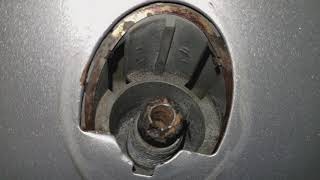
Technical Specifications
OEM Part Numbers: F3AZ-18A886-A
Power Source: 12V DC; Mast: Stainless Steel Telescoping; Drive: Flexible Nylon Toothed Cable; Connection: 3-wire motor plug, Motorola-style coaxial cable.
We Have This Part in Stock

The information in this article is provided for general reference and educational purposes only. Vehicle specifications, procedures, and part compatibility can vary by production date, trim level, and region. Always consult your vehicle's factory service manual and verify part numbers before purchasing or performing repairs. Safety-critical components such as airbags, seat belts, and braking systems should be installed by a qualified professional.
- Ford Taurus:
- Mercury Sable: