

2009-2016 Ford & Lincoln GPS/Satellite Antenna Failure: Solving 'GPS Signal Lost'
This guide covers the common failure of the roof-mounted GPS and satellite radio antenna on the Ford Edge, Explorer, Flex, Taurus, and Lincoln MKT, MKS, and MKX, causing navigation and SiriusXM problems.
- The most common cause for 'GPS Signal Lost' or 'Satellite Antenna Fault' is a failed roof antenna, not the expensive radio module.
- This is a multi-function antenna for GPS and Satellite Radio; it is NOT the anti-theft antenna or a simple AM/FM mast.
- Replacement requires partially lowering the headliner but is a manageable DIY job, saving hundreds in labor costs.
- When buying a used part, verifying the electrical connectors and inspecting the base gasket for damage are the most critical steps.
Identifying the Correct Antenna

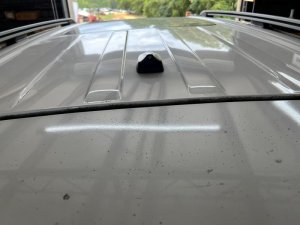
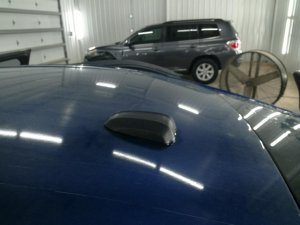
Important: This guide covers the roof-mounted 'shark fin' antenna that provides the signal for GPS Navigation and Satellite Radio (SiriusXM). There is significant confusion because Ford uses the term 'antenna' for several unrelated parts. This is NOT the anti-theft transceiver (PATS antenna) located around the ignition switch, nor is it the simple screw-on mast for AM/FM radio found on some models. The most common failure causing 'GPS Signal Lost' or 'Satellite Antenna Fault' messages is this roof-mounted unit.
The vehicles covered in this guide share a common platform and electronics, leading to a shared, frequent failure of the roof antenna. This part is critical for the function of the MyFord Touch or SYNC navigation system and satellite radio. The failure is almost always internal to the antenna unit itself or its short coaxial cable, often due to moisture intrusion or heat damage to the internal circuit board.
Symptoms of a Failing GPS/Satellite Antenna


When the roof antenna fails, it typically results in a loss of satellite-based services. The symptoms are usually very clear and point directly to a signal reception problem.
- 'GPS Signal Lost' Message: The most common symptom. Your navigation screen will show this error, and the map will no longer track your vehicle's current location.
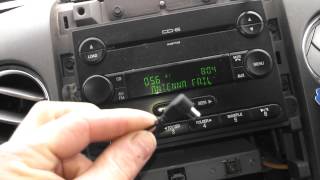
- 'Satellite Antenna Fault' Message: The radio display may show this specific error, indicating a problem with the satellite radio antenna or its connection.
- Incorrect GPS Position: Before a total failure, the navigation may show your car in the wrong location, be slow to update, or lag significantly behind your actual position.
- Intermittent or No Satellite Radio: SiriusXM channels may cut out frequently or stop working entirely, while AM/FM radio continues to work perfectly.
- Water Leaking Into Cabin: In some cases, the gasket at the base of the antenna can dry out and crack. This allows water to leak into the vehicle, often dripping from the overhead console, dome light, or passenger-side grab handle.
Known Issues, TSBs, and Recalls

While no specific recalls have been issued by the NHTSA for this antenna failure on the listed vehicles, the problem is widely documented across owner forums. The issue is a common service complaint. The primary cause is a failure of the internal electronics of the antenna unit. In many cases, moisture gets past the seals and corrodes the circuit board and cable connections, leading to signal loss. There are no formal Technical Service Bulletins (TSBs) that cover all these models, but the diagnostic procedure is consistent: if the radio and infotainment modules have no faults, the antenna itself is the likely culprit.
🎬 Watch: How to fix the "No Signal" satellite radio issue| Vehicle | Common Years Affected | Specific Notes |
|---|---|---|
| 2010-2016 Lincoln MKT | All | Replacement often requires lowering the rear of the headliner for access. |
| 2011-2015 Ford Edge | All | A very common failure point. Access is by removing the rear overhead console/dome light assembly. |
| 2011-2013 Ford Explorer | All | Similar to the Edge, access is gained by partially dropping the rear of the headliner. |
| 2009-2012 Ford Flex | All | The boxy shape can make headliner access slightly different, but the principle is the same. |
| 2011-2015 Ford Taurus | All | Access is through the trunk by removing the rear package tray trim on some models, or by lowering the headliner. |
| 2009-2014 Lincoln MKS | All | Similar to its Taurus platform-mate. |
| 2014 Lincoln MKX | All | Shares the same antenna and failure modes as the Ford Edge of the same era. |
Buying a Used GPS/Satellite Antenna
Purchasing a used OEM antenna is a cost-effective way to solve this problem, as aftermarket options are limited and can have questionable quality. Here’s what to look for:
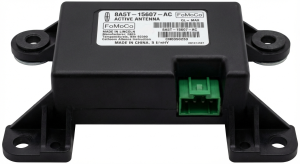
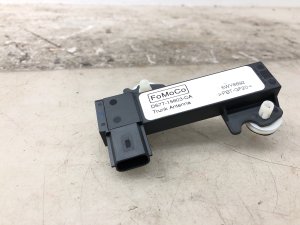
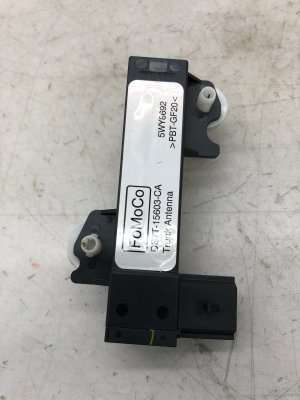
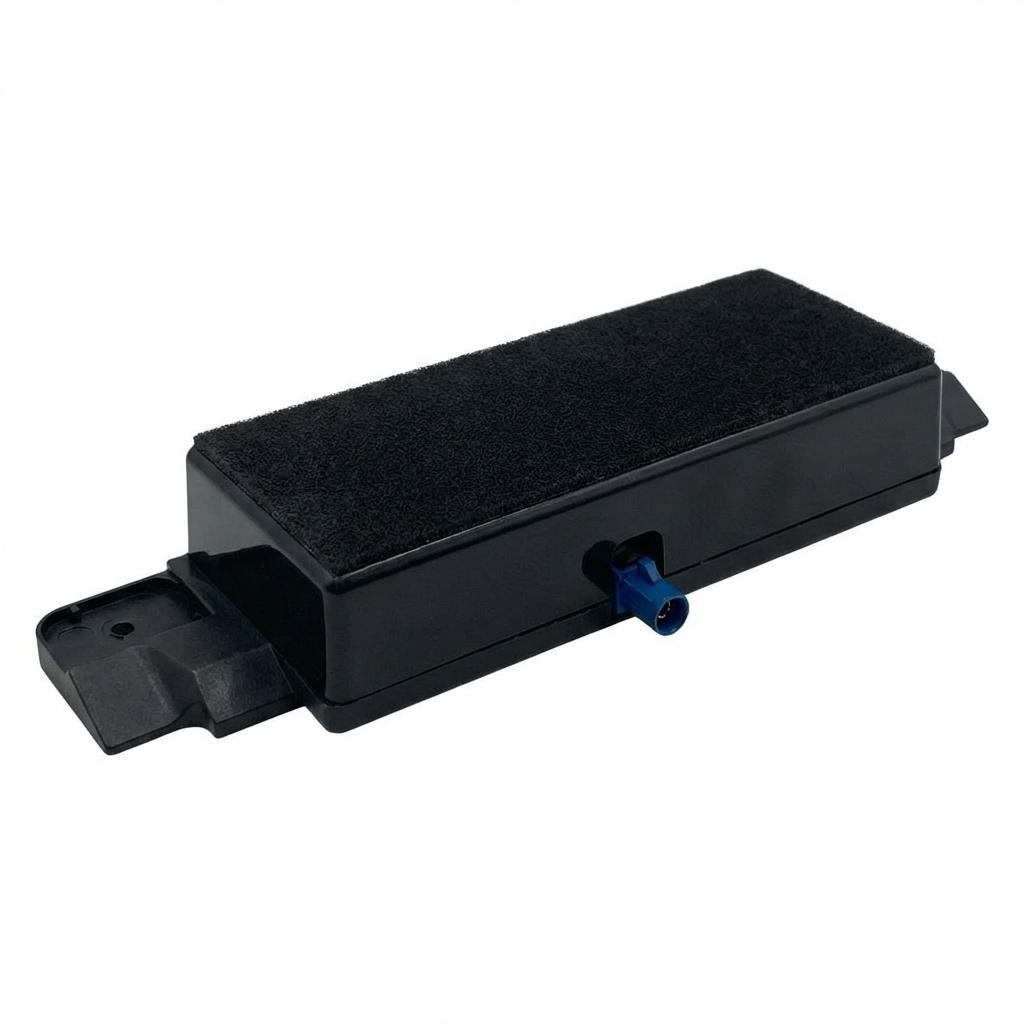
- Verify the Part Number and Connectors: The most critical step. These vehicles used several different antenna bases depending on options. The connectors (usually one or two Fakra-style plugs in different colors) MUST match your original part. Remove your old antenna first to get the part number and inspect the connectors before buying.
- Inspect the Gasket: Check the condition of the foam or rubber gasket on the base. It should be pliable and intact, with no signs of being dry-rotted or compressed flat. A bad gasket will cause a water leak.
- Check for Physical Damage: Look for cracks in the plastic 'shark fin' housing. The cover on these can become brittle and break, exposing the sensitive electronics inside to the elements.
- Source from a Dry Climate: If possible, buy a used antenna from a vehicle that lived in a dry, southern or western state. These parts will have had less exposure to moisture and road salt, reducing the risk of internal corrosion.
- Ask About the Donor Vehicle: Confirm the donor vehicle had functional navigation or satellite radio before it was dismantled. Reputable sellers will often test these modules.
Cost Comparison
Replacing the GPS antenna can be expensive at a dealership, primarily due to labor and the high cost of a new OEM part which may also need to be painted to match.
| Part Type | Estimated Cost | Notes |
|---|---|---|
| New OEM | $150 - $400+ | Often comes unpainted (primered). Price varies by specific part number. |
| New Aftermarket | $50 - $150 | Quality and compatibility can be inconsistent. May require splicing wires. |
| Used OEM | $40 - $120 | Best value. Provides original equipment function and fit at a significant discount. |
| Shop Labor | $150 - $300 | Typically 1-2 hours. Involves carefully lowering the vehicle's headliner. |
Replacement Overview
Replacing the antenna is a feasible DIY project for someone with moderate experience. The difficulty is rated 3 out of 5.
- Disconnect the Battery: Always disconnect the negative battery terminal before working on vehicle electronics.
- Gain Access: The main challenge is accessing the nut that holds the antenna to the roof. This requires partially lowering the vehicle's headliner from the rear. This usually involves removing the rear grab handles, C-pillar or D-pillar trim panels, and the rear dome light assembly.
- Unplug and Unbolt: Once the headliner is lowered, you will see the bottom of the antenna. Disconnect the one or two electrical connectors. Then, use a socket (often 10mm) to remove the retaining nut.
- Install the New Antenna: Clean the roof surface where the old antenna was mounted. Position the new antenna, ensuring the gasket is seated correctly. Tighten the retaining nut, but do not overtighten, as this can damage the roof sheet metal or the antenna base.
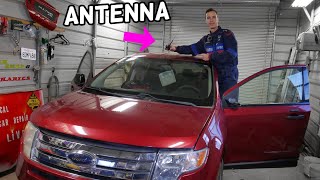
- Reconnect and Test: Plug in the electrical connectors. Reconnect the vehicle's battery and turn the ignition to the 'On' position. Check the navigation screen and satellite radio to confirm the signal is restored before you reinstall the headliner and trim. 🎬 See this walkthrough for replacing the antenna on an Edge
Pro Tip: When lowering the headliner, be gentle. It is made of a fiberboard-like material that can crease or break if bent too sharply. Having a helper to hold it down while you work is highly recommended.
Frequently Asked Questions
Do I need to program a new antenna?
No. The antenna is a simple receiver. No programming or calibration is required after installation. It is a plug-and-play part.
My AM/FM radio works fine, can the antenna still be bad?
Yes. On most of these models, the AM/FM antenna is separate from the GPS/Satellite antenna, even if they are housed in the same base unit. It's very common for the satellite functions to fail while AM/FM reception remains perfect.
The dealer wants to replace my whole radio/SYNC module. Could it just be the antenna?
Yes, and it's very likely. The 'Satellite Antenna Fault' or 'GPS Signal Lost' errors are almost always caused by a failure in the antenna or its cable, not the expensive radio or SYNC module inside the dashboard. Replacing the much cheaper antenna first is the most logical and cost-effective diagnostic step.
Can I just replace the broken cover or gasket?
No, the antenna is sold as a complete, sealed unit. The cover and gasket are not available as separate service parts from Ford. If the cover is broken or the gasket is leaking, the entire antenna assembly must be replaced.
Technical Part Numbers
Part numbers vary significantly based on year, model, and options (GPS, Satellite Radio, etc.). Always verify the number on your existing part before ordering a replacement. Common base numbers include:
- AE5Z-18813-A (Often superseded by HM5Z-18813-A)
- 9E5Z-18936-A (Often superseded by BE5Z-18936-B)
- GA8T-19G461-AC
- DT4T-19G461-BA
- BT4Z-18936-A / BT4Z-18936-B
Helpful Videos
Technical Specifications
OEM Part Numbers: AE5Z-18813-A HM5Z-18813-A 9E5Z-18936-A BE5Z-18936-B GA8T-19G461-AC DT4T-19G461-BA BT4Z-18936-A BT4Z-18936-B CP9Z-18936-A FM5Z-18936-A
Connectors: 1 or 2 Fakra-style coaxial plugs (color-coded). Mounting: Single stud with retaining nut. Functions: GPS and/or SDARS (Satellite Digital Audio Radio Service).
We Have This Part in Stock

The information in this article is provided for general reference and educational purposes only. Vehicle specifications, procedures, and part compatibility can vary by production date, trim level, and region. Always consult your vehicle's factory service manual and verify part numbers before purchasing or performing repairs. Safety-critical components such as airbags, seat belts, and braking systems should be installed by a qualified professional.
- Lincoln MKT:
- Ford Edge:
- Ford Explorer:
- Ford Flex:
- Ford Taurus:
- Lincoln MKS:
- Lincoln MKX: