

2007-2014 Escalade, Tahoe & Yukon Auxiliary Transmission Cooler: Leaks, Overheating, and Replacement
This guide covers the common failure points, symptoms, and replacement costs for the auxiliary transmission oil cooler found on the 2007-2014 GM full-size SUV platform.
- The most common failure is not the cooler itself, but the cooler lines leaking at the factory crimp joints.
- Symptoms include red fluid leaks, transmission overheating warnings, and poor shifting performance.
- A used OEM cooler is a viable option, but inspect fittings carefully and always flush it before installation.
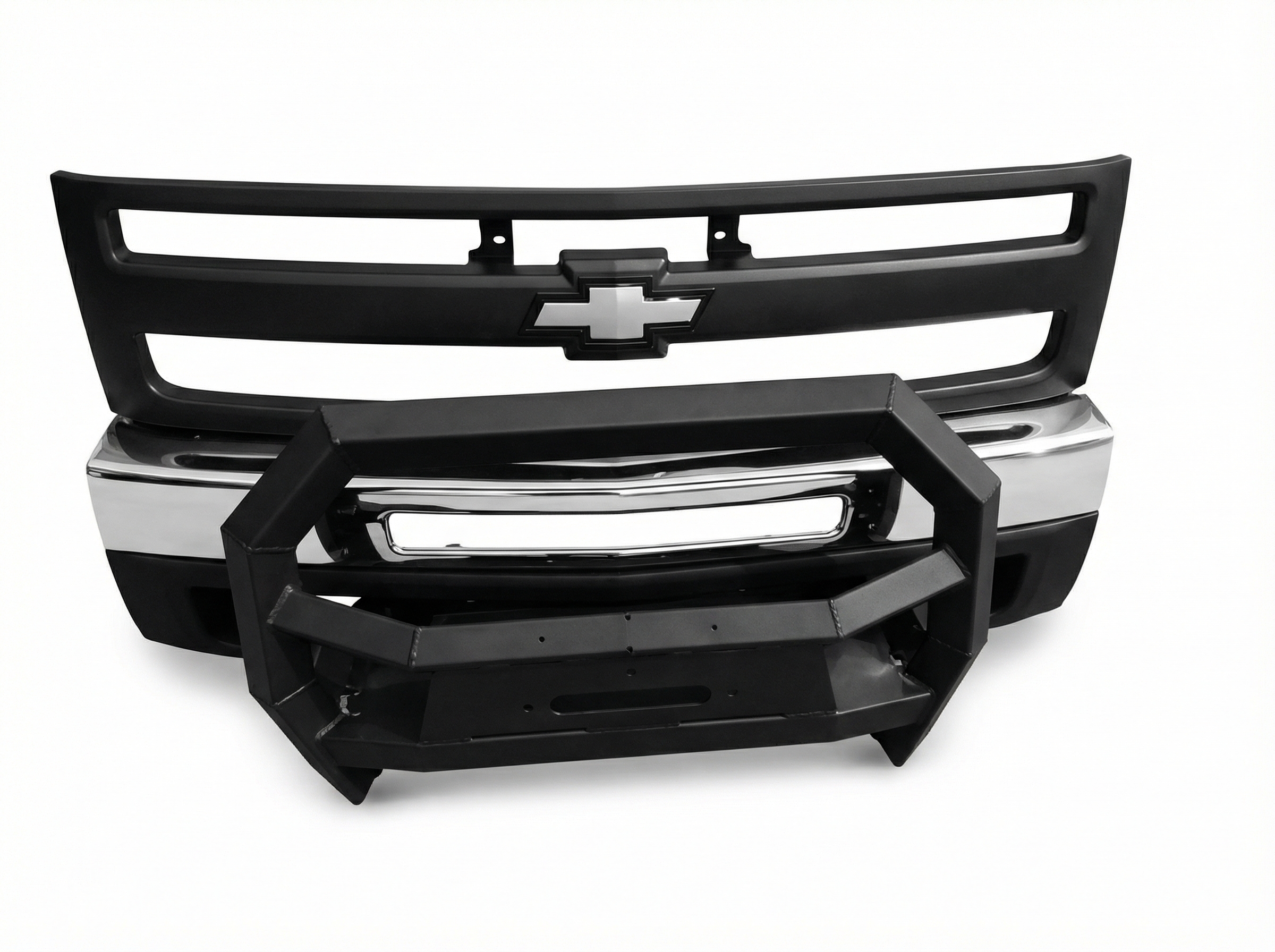
- Replacement requires removing the front grille for access and can be challenging for DIYers due to tight spaces around the line fittings.
Symptoms of a Failing Transmission Oil Cooler
A problem with the auxiliary transmission cooler or its lines will almost always manifest as a fluid leak or a transmission that is running too hot. Ignoring these signs can lead to catastrophic transmission failure.
Transmission Fluid Leak
This is the most common and obvious symptom. You may notice a puddle of reddish or dark brown fluid on the ground under the front of your vehicle. The leak's source is often not the cooler itself, but the lines connected to it. The factory lines have sections of rubber hose crimped to metal tubing, and these crimps are a notorious failure point. They can weep fluid slowly or fail suddenly. Look for oily residue and grime caked onto the lines and the cooler fittings.
Pro Tip: Automatic Transmission Fluid (ATF) is typically bright red when new and turns dark red or brown as it ages. It has a distinct, slightly sweet smell. This helps distinguish it from an engine oil leak (brown/black) or a coolant leak (often orange or green and watery).
Transmission Overheating
If the cooler is clogged internally or the fluid level is low due to a leak, the transmission can overheat. This may trigger a "TRANSMISSION HOT" warning message on your instrument cluster. You might also notice a burning smell, which is the smell of overheated transmission fluid. Driving with an overheating transmission can quickly cause permanent internal damage.
Poor Shifting Performance
Overheated or low transmission fluid doesn't lubricate or operate hydraulic components correctly. This can cause a range of shifting problems, including:
- Erratic or delayed shifts: The transmission may hesitate before engaging a gear.
- Slipping gears: The engine RPMs may flare up during a shift without a corresponding increase in vehicle speed.
- Harsh or clunking shifts: Gear changes may become rough and noisy.
Known Issues, TSBs, and Recalls
The primary known issue for this part on the 2007-2014 Cadillac Escalade, Chevrolet Tahoe, GMC Yukon, and related models is the failure of the transmission cooler lines.
TSB for Leaking Cooler Line Crimps
General Motors issued Technical Service Bulletin (TSB) #08-07-30-049 addressing leaks from the transmission cooler lines at the hose-to-steel-line crimp. This issue is more common in colder climates but can happen anywhere. The bulletin indicates that updated lines with a revised crimp process were released to solve this problem. Many owners discover this leak as a slow weep that covers the lines and surrounding components in oily grime.
Related Recall: Improperly Seated Lines
While a direct recall for this specific part is not prevalent for the entire 2007-2014 range, GM did issue a recall (NHTSA Campaign ID: 14V224000, GM Bulletin 14121B) for some 2014 trucks and 2015 SUVs for transmission cooler lines that were not securely seated in their fittings at the factory. An unsecured line can pop out, causing a massive and sudden loss of transmission fluid, which can strand the vehicle and create a fire hazard if the fluid contacts a hot exhaust. This highlights the critical importance of ensuring the new or replacement lines 'click' into place securely during installation.
Warning: A sudden, large transmission fluid leak is a serious safety issue. If you experience this, pull over immediately and shut off the engine to prevent catastrophic transmission damage and reduce fire risk.
Buying a Used Automatic Transmission Oil Cooler
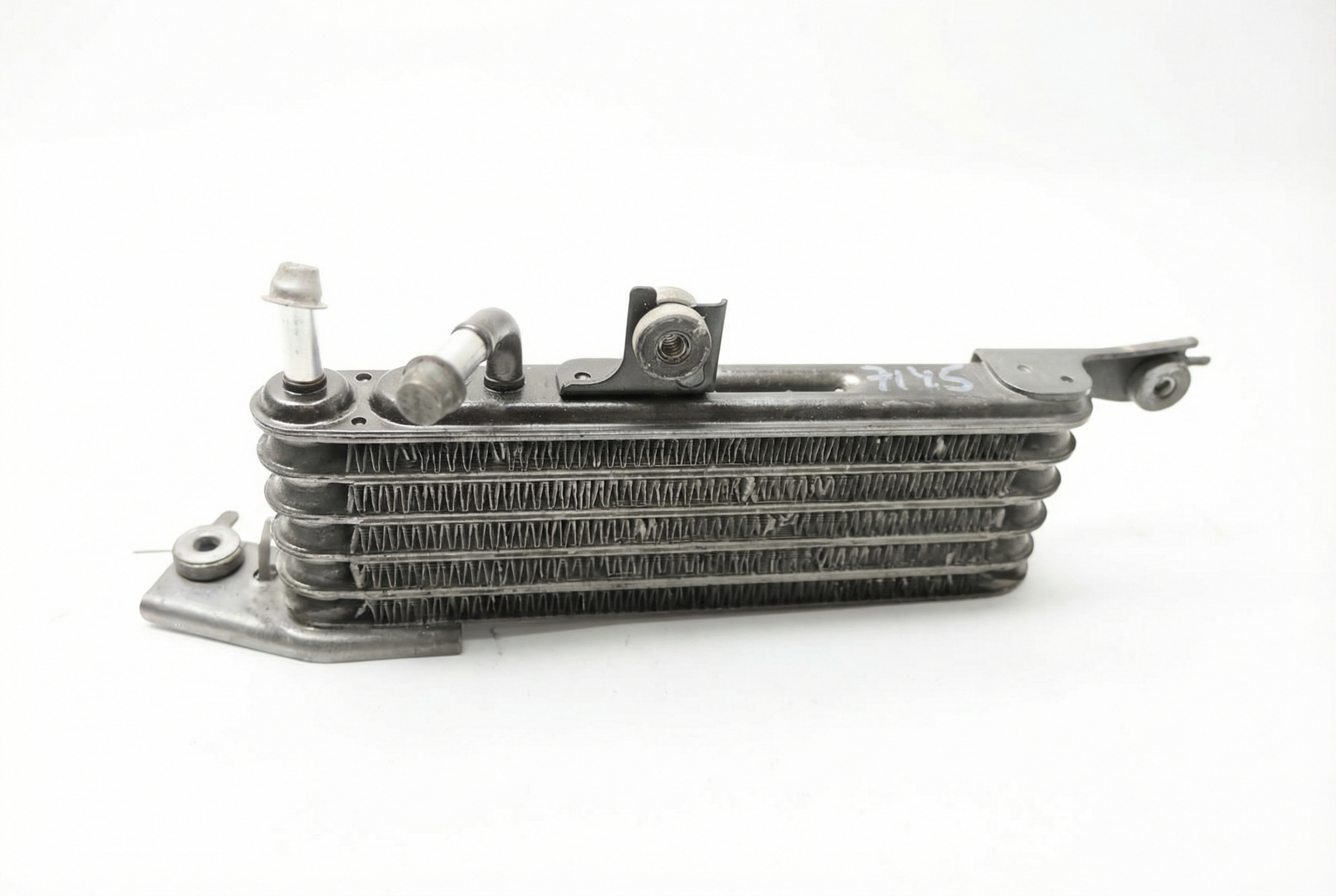
A used OEM cooler can be a smart buy, offering factory fit and quality at a lower price. However, a careful inspection is crucial before purchasing.
What to Inspect on a Used Cooler
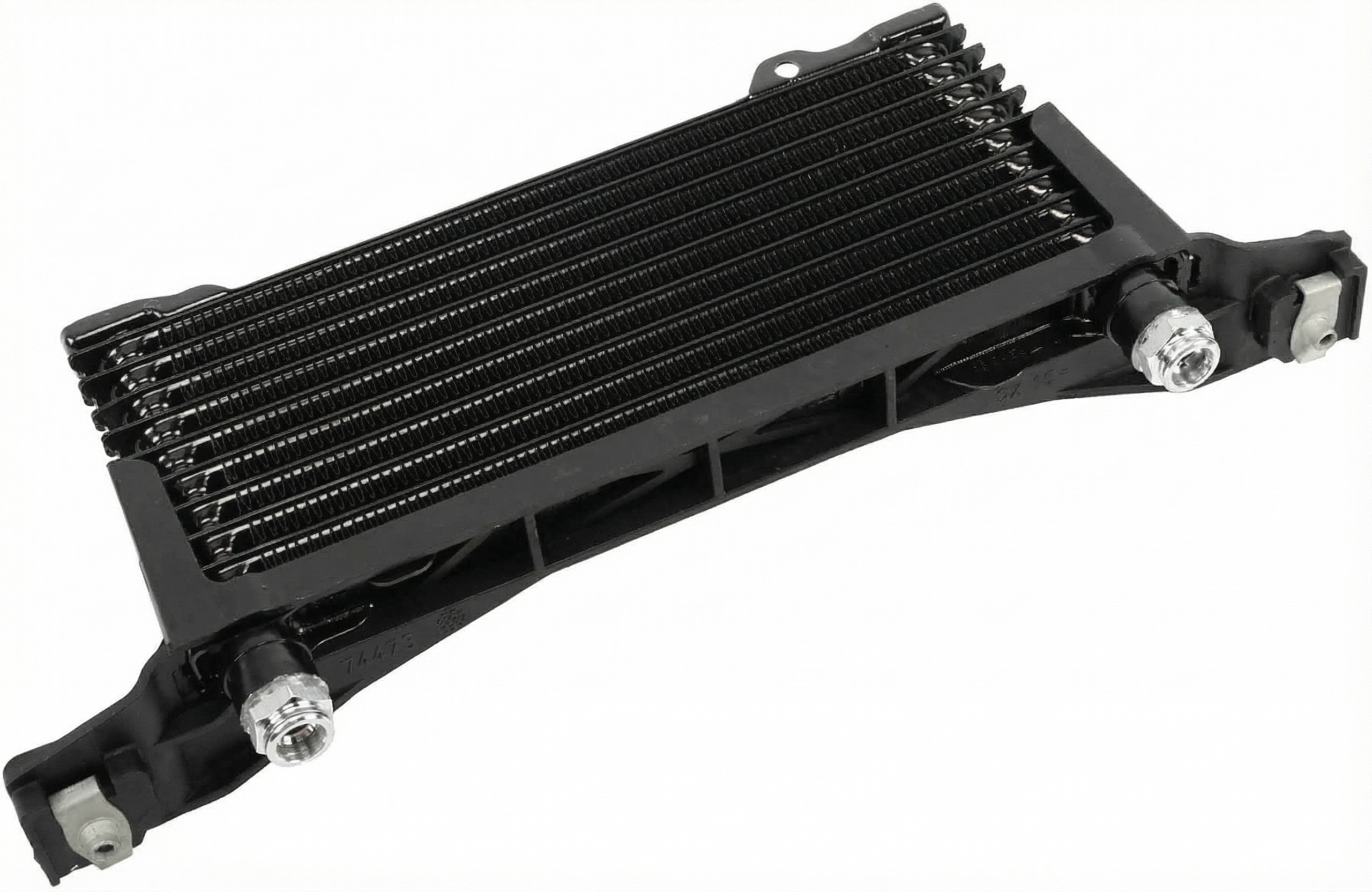
- Physical Damage: Check the cooling fins for major bends or damage from road debris. While a few bent fins are okay, crushed sections can restrict airflow and reduce cooling efficiency.
- Mounting Points: Ensure all mounting tabs and brackets are intact and not cracked or broken.
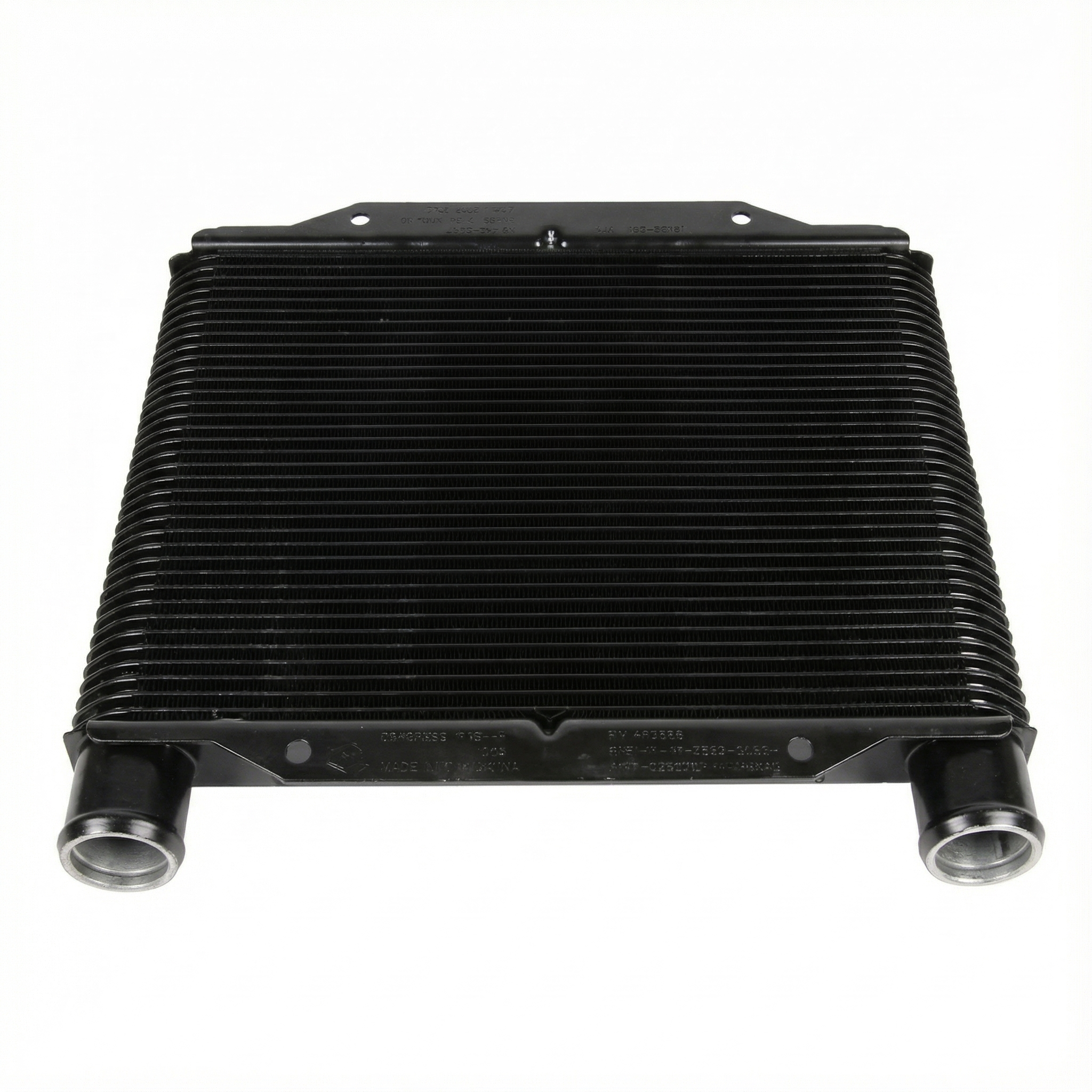
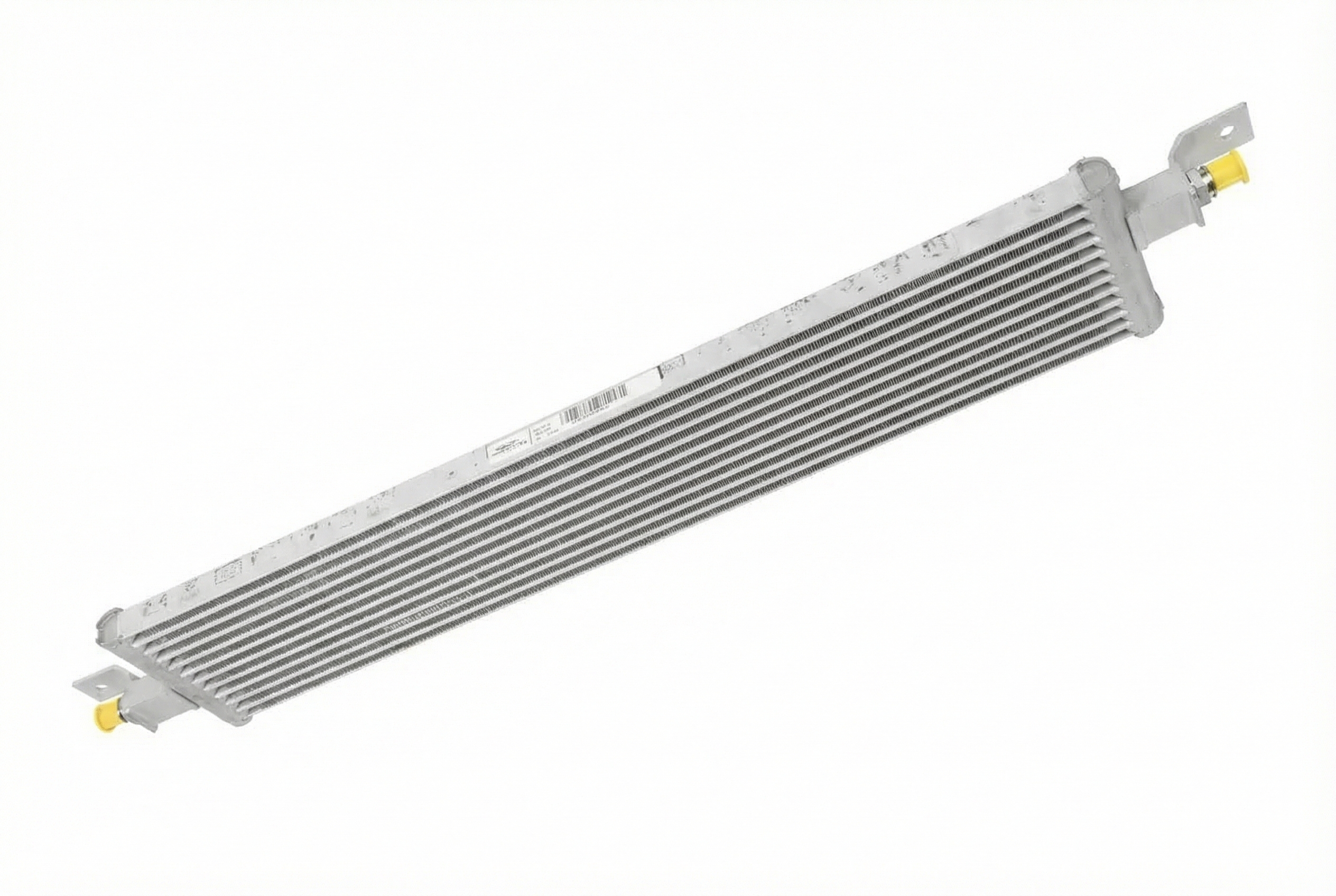
- Fittings: This is the most critical area. Inspect the inlet and outlet hose barbs or quick-connect fittings. They should be perfectly round and free of cracks, deep gouges, or corrosion that could prevent a good seal. Avoid any cooler with damaged fittings.
- Internal Condition: It's impossible to see inside, which is the biggest risk with a used cooler. It could be clogged with debris from a previous transmission failure. Always flush a used cooler thoroughly with a transmission cooler flush solvent before installation. Do NOT use water or brake cleaner.
Used OEM vs. New Aftermarket
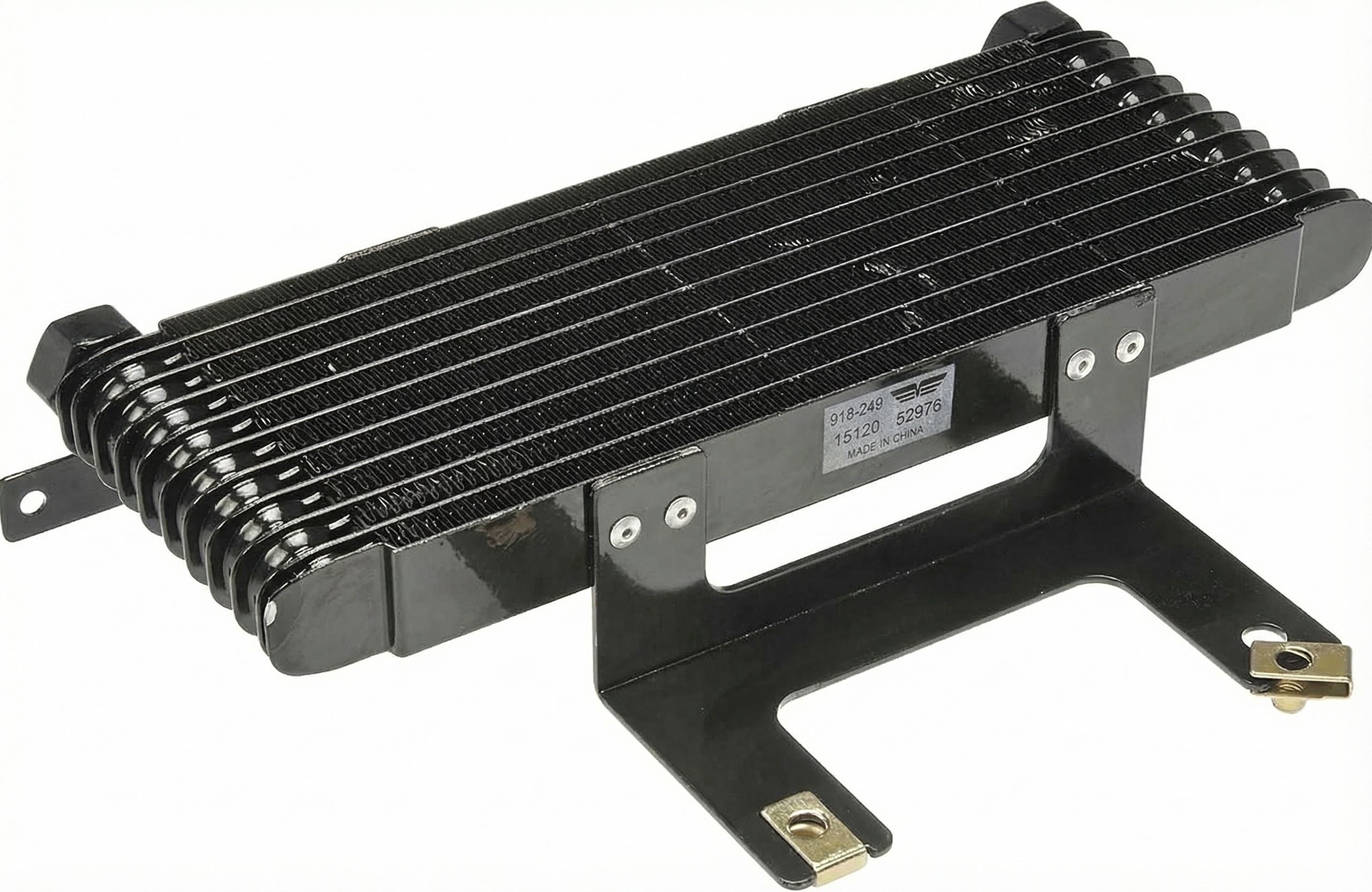
For a part like this, a quality used OEM cooler is often a better choice than a cheap, new aftermarket unit. The OEM part is guaranteed to fit correctly and was designed to meet GM's specific cooling requirements. Some low-cost aftermarket coolers may use inferior materials or have slightly different dimensions that complicate installation. However, reputable aftermarket brands like Dorman or Hayden can be a good alternative if a quality used part is unavailable.
Replacement Cost & Difficulty
Replacing the auxiliary transmission cooler is a moderately difficult job that a skilled DIYer can perform. The biggest challenge is often dealing with rusty fasteners and accessing the line fittings.
Installation Difficulty: 3/5
Estimated Time: 1.5 - 3 hours
The basic process involves removing the front grille to access the cooler, placing a drain pan, disconnecting the cooler lines (be prepared for fluid spillage), unbolting the old cooler, and installing the new one. Accessing the line fittings at the transmission itself can be very difficult and may not be necessary if you are only replacing the auxiliary cooler and the front portion of the lines.
| Part/Service | Estimated Cost |
|---|---|
| New OEM Cooler | $170 - $260 |
| New Aftermarket Cooler | $40 - $120 |
| Used OEM Cooler | $50 - $100 |
| Shop Labor (Cooler or Lines) | $400 - $800 |
Frequently Asked Questions (FAQ)
Is this the only transmission cooler on my vehicle?
No. All of these vehicles have a primary transmission cooler that is integrated into the end tank of the main engine radiator. This auxiliary cooler is additional, usually included as part of a heavy-duty cooling or trailering package to provide extra cooling capacity under heavy loads.
Can I just repair the leaking rubber hose on my cooler line?
Yes, this is a common DIY repair. Many owners choose to carefully cut off the factory crimps and replace the failed rubber section with a length of high-quality, high-pressure 3/8" transmission oil cooler hose and secure it with hose clamps. This can be a cost-effective solution if the metal portions of the lines are still in good condition.
What kind of transmission fluid do I need to top it off?
These vehicles use DEXRON-VI automatic transmission fluid. Do not use other types of fluid. After replacing the cooler or lines, you will lose some fluid. Check the level using the dipstick (with the engine running and transmission warm) and top off as needed. It's a good idea to have 1-2 quarts on hand before starting the job.
Do I need to bleed the system after replacement?
There is no special bleeding procedure. The system is self-bleeding. After installation, start the engine and let it idle for a few minutes. Shift through all the gears (with your foot on the brake), pausing for a few seconds in each. This circulates the fluid through the new cooler and lines. Then, re-check the fluid level and inspect for leaks.
Helpful Videos
Technical Specifications
OEM Part Numbers: 15291422 15779543 15882245 20880895
This auxiliary cooler is a stacked-plate design, typically with 10 rows of cooling tubes. It connects to the system using 3/8-inch hose barb or quick-connect style fittings.
We Have This Part in Stock

The information in this article is provided for general reference and educational purposes only. Vehicle specifications, procedures, and part compatibility can vary by production date, trim level, and region. Always consult your vehicle's factory service manual and verify part numbers before purchasing or performing repairs. Safety-critical components such as airbags, seat belts, and braking systems should be installed by a qualified professional.
- Cadillac Escalade:
- Chevrolet Tahoe:
- GMC Yukon:
- Cadillac Escalade ESV:
- Chevrolet Suburban 1500:
- GMC Yukon XL 1500:
- Cadillac Escalade EXT:
- 🎬 Helpful Videos
- 🛍️ Shop This Part
- Symptoms of a Failing Transmission Oil Cooler
- Transmission Fluid Leak
- Transmission Overheating
- Poor Shifting Performance
- Known Issues, TSBs, and Recalls
- TSB for Leaking Cooler Line Crimps
- Related Recall: Improperly Seated Lines
- Buying a Used Automatic Transmission Oil Cooler
- What to Inspect on a Used Cooler
- Used OEM vs. New Aftermarket
- Replacement Cost & Difficulty
- Frequently Asked Questions (FAQ)
- 🎟️ Get 5% Off