

Ford E-Series Van Transmission Overheating: Your Guide to the 2008-2014 Auxiliary Oil Cooler
A deep dive into the common failures, symptoms, and replacement of the auxiliary transmission oil cooler for the Ford E-150, E-250, E-350, and Econoline Wagon.
- This auxiliary cooler is essential for Ford E-Series vans with the 4.6L V8 and 4-speed auto; do not bypass it.
- If your transmission fails, you MUST replace or flush the cooler to prevent debris from destroying the new transmission, as noted in TSB 16-0032.
- Symptoms of failure include transmission overheating warnings, red fluid leaks, a burning smell, and poor shifting.
- When buying a used cooler, a thorough flush is mandatory to remove old fluid and potentially catastrophic debris.
Symptoms of a Failing Transmission Oil Cooler
A failing auxiliary transmission cooler can lead to serious transmission damage if ignored. Watch for these key symptoms in your 2008-2014 Ford E-150, E-250, E-350, or 2010-2014 Econoline Wagon.
1. Transmission Overheating Warning
This is the most direct sign of a cooling problem. Your dashboard may display a transmission temperature warning light or a message like "Transmission Hot." This can be caused by an internal clog in the cooler restricting fluid flow, or external fins being blocked by dirt and debris, preventing air from cooling the fluid. An overheating transmission can also produce a distinct burning smell as the fluid cooks.
2. Red Fluid Leaks
If you see puddles or drips of a reddish or pinkish-brown fluid under the front of your van, you likely have a transmission fluid leak. The auxiliary cooler or its connecting lines can corrode, get punctured by road debris, or develop cracks at the fittings, leading to leaks. Check the cooler itself and the rubber and metal lines running to and from it.
3. Poor or Erratic Shifting
When transmission fluid is low (due to a leak) or overheated, it cannot provide the correct hydraulic pressure needed for smooth operation. This can cause a variety of shifting problems, including:
- Delayed or harsh gear engagement
- Gears slipping, where the engine revs up but the van doesn't accelerate properly
- Hesitation or jerky shifts
- Unusual whining, clunking, or grinding noises
4. Dark or Burnt-Smelling Transmission Fluid
Healthy transmission fluid is bright red and translucent. If you check the fluid on the dipstick and it appears dark brown or black, or smells burnt, it is a clear sign it has been overheated. This indicates the cooling system is not doing its job effectively and the fluid has broken down, losing its protective qualities.
Known Issues, TSBs, and Recalls
While there are no direct recalls for this specific auxiliary cooler, a critical Technical Service Bulletin (TSB) highlights its importance in the transmission's overall health.
TSB 16-0032: 4R75E Planetary Gear Failure
Ford issued TSB 16-0032 for 2008-2010 and 2013-2014 E-Series vans equipped with the 4R75E automatic transmission. The bulletin addresses customer complaints of grinding, whining, vibration, or gear slippage, which can result from a planetary gear assembly failure inside the transmission. When this internal failure occurs, it sends metallic debris throughout the transmission system.
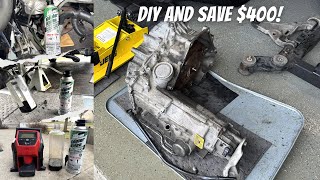
Important: The official repair procedure in TSB 16-0032 requires the mechanic to flush the transmission cooler and lines after repairing or replacing the transmission. This is because metal debris from the failed transmission gets trapped in the cooler. 🎬 See how internal 4R75E failures are diagnosed and solved. If the cooler is not flushed or replaced, this debris will be sent directly into the newly repaired or replaced transmission, causing it to fail again almost immediately.
Buying a Used Automatic Transmission Oil Cooler: A Buyer's Guide
A used OEM cooler can be a smart, cost-effective choice, offering factory fit and quality for less than a new part. However, because this part is critical to transmission health, careful inspection is essential.
1. The Golden Rule: Flush Before Installing
You must thoroughly flush a used transmission cooler before installation. This is not optional. The cooler may contain trapped metal shavings from the donor vehicle's transmission. Installing a contaminated cooler is a guaranteed way to destroy your own transmission. Use a commercially available cooler flush kit or compressed air to force any old fluid and debris out of the cooler until it runs completely clean.
🎬 Watch this guide on how to flush a cooler at home.2. Physical Inspection Checklist
Before buying, carefully inspect the used cooler for the following:
- Fins: Look for excessive damage. A few bent fins are normal, but large areas of crushed fins will block airflow and reduce cooling efficiency.
- Welds and Seams: Check all edges and corners for any signs of cracking or previous repairs (e.g., JB Weld), which indicate a past leak.
- Inlet/Outlet Ports: Ensure the threaded fittings are clean and not stripped or cross-threaded. Damage here can make it impossible to get a leak-free seal.
- Corrosion: Look for heavy rust or corrosion, especially in areas where road salt is common. Severe corrosion can lead to pinhole leaks.
3. Verify Compatibility
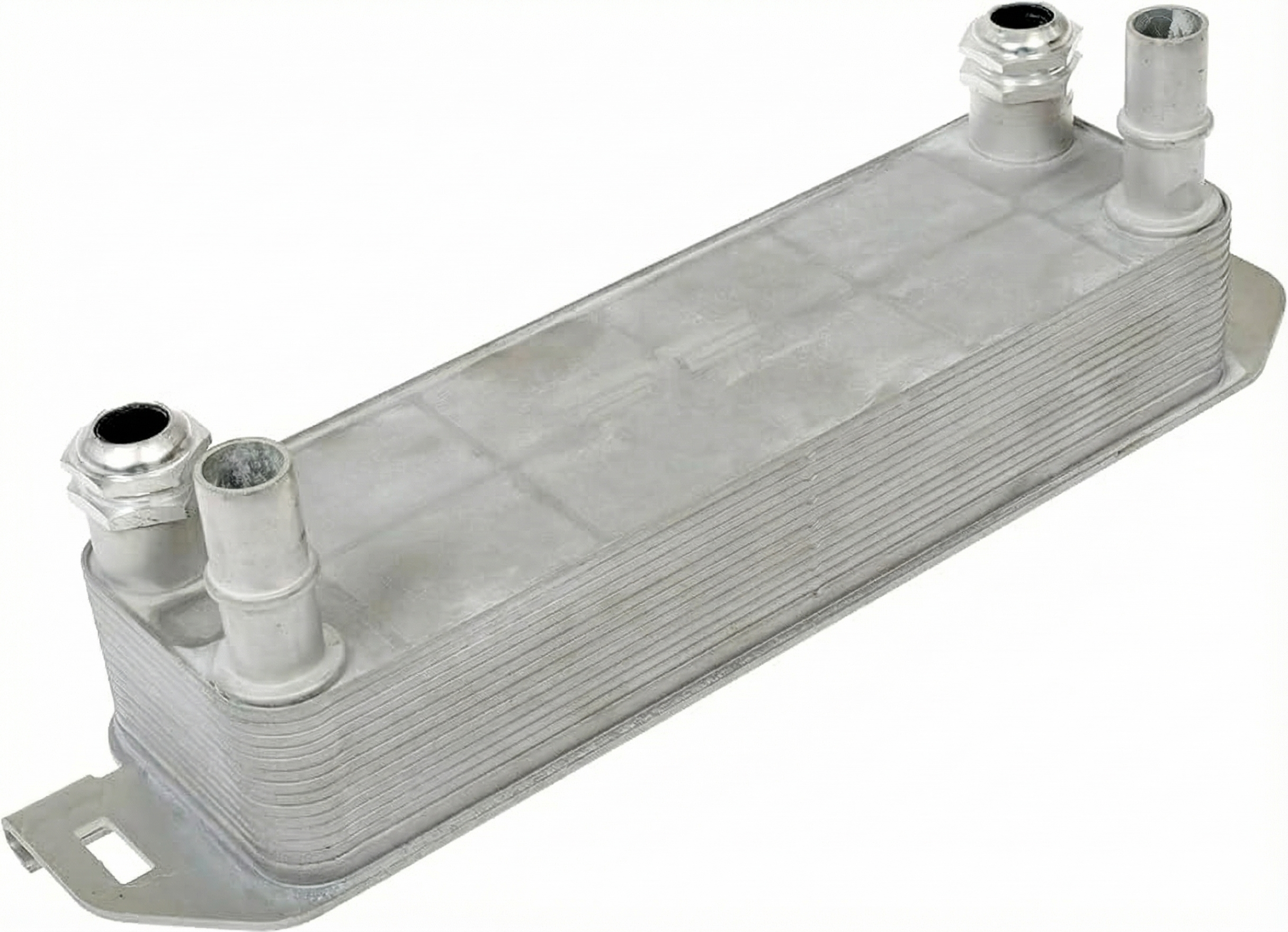
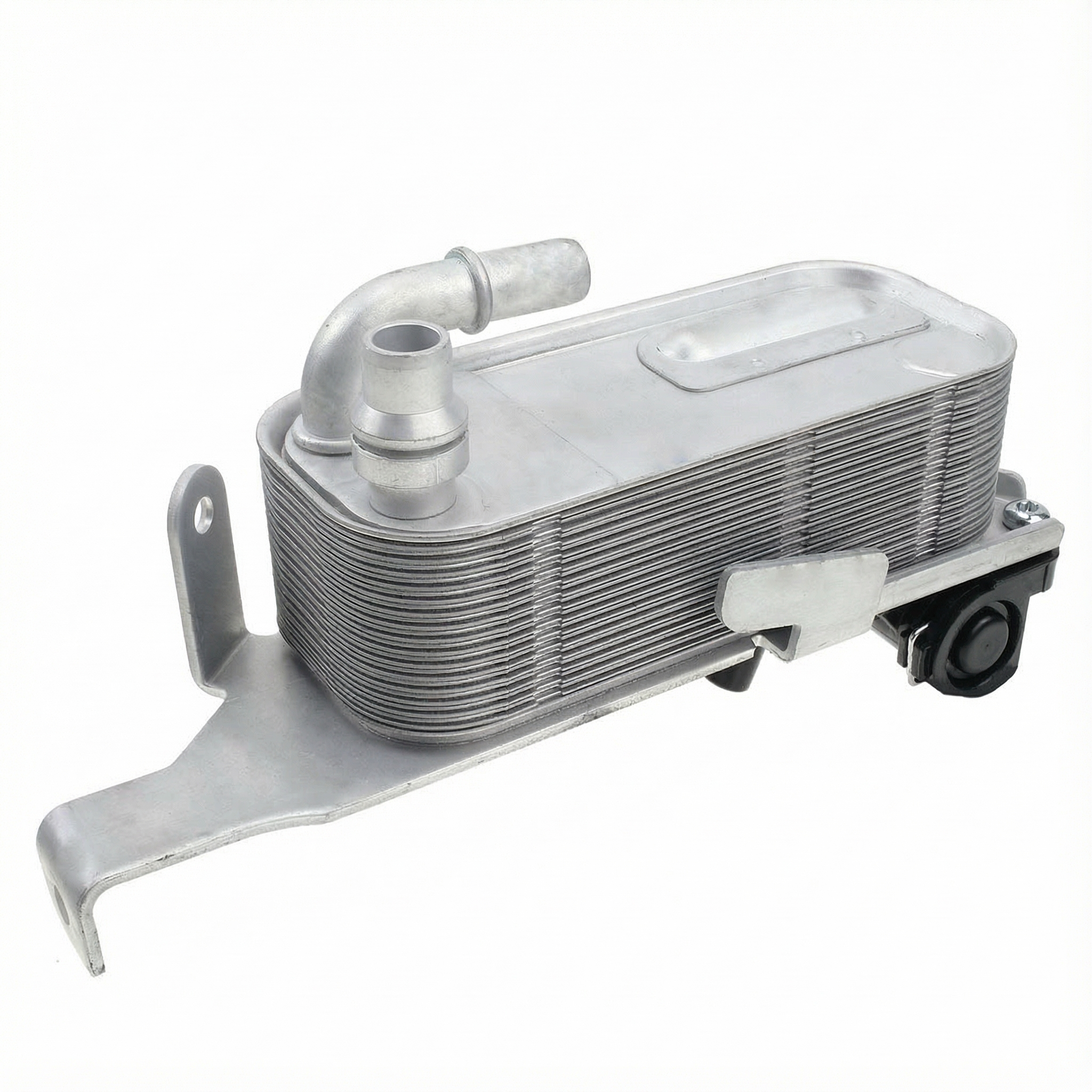
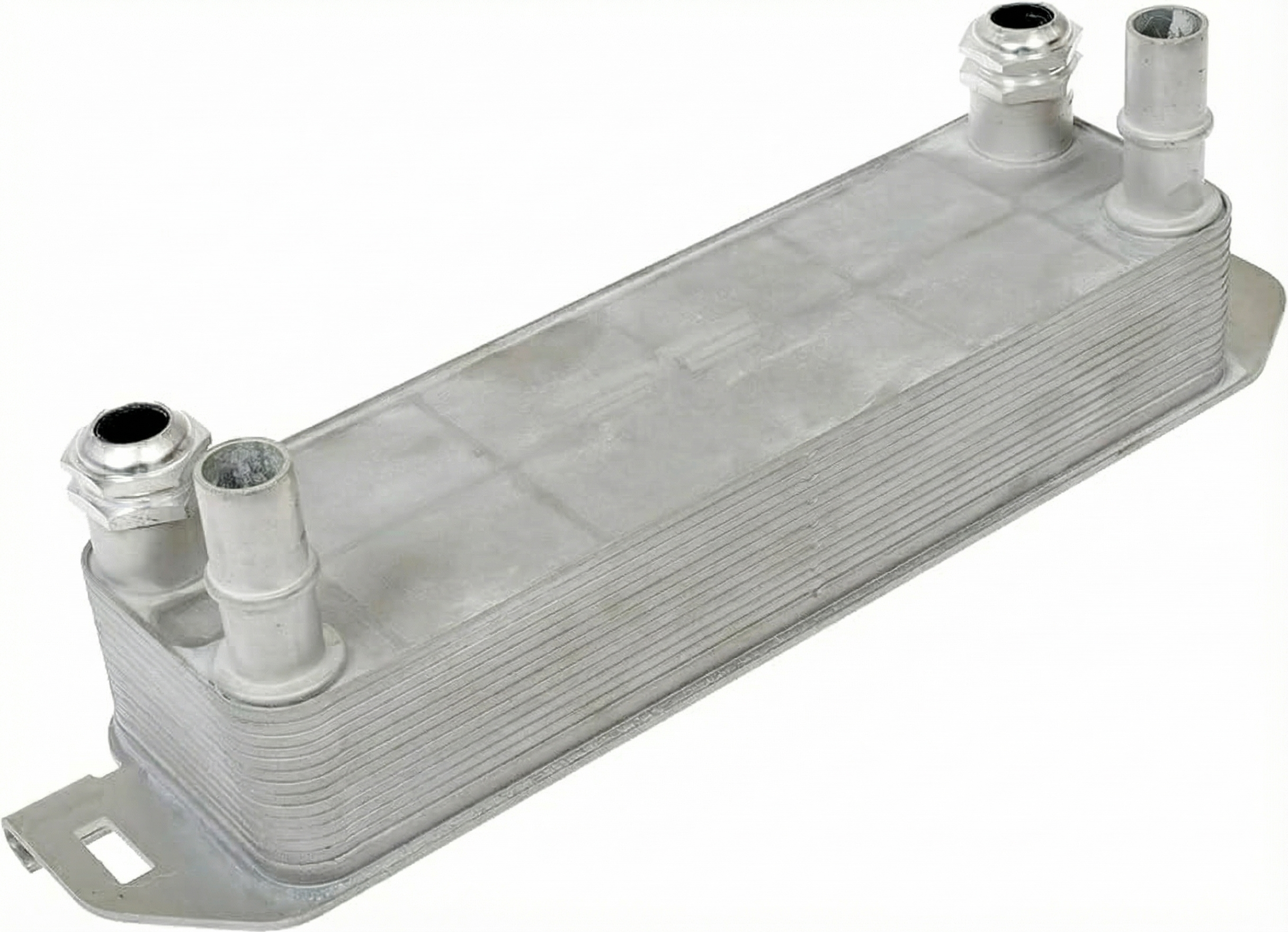
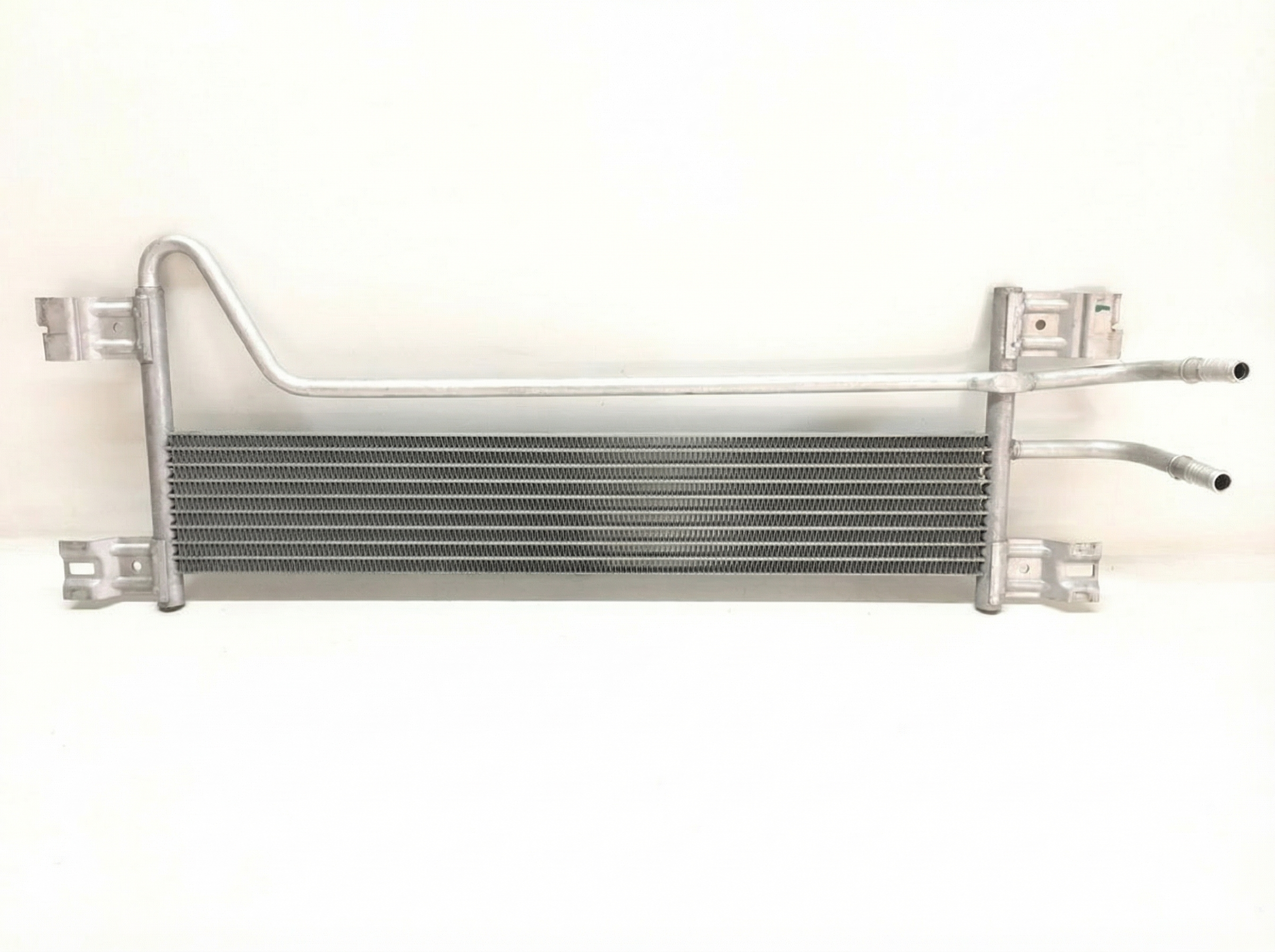
This cooler, part number 9C2Z-7A095-A (which supersedes 8C2Z-7A095-D), is specifically for E-Series vans with the 4.6L V8 and 4-speed automatic transmission. Some sources indicate it may also fit certain 5.4L V8 models with the 4-speed auto. Always verify the part number and application with the seller to ensure it matches your specific van.
Replacement Overview & Difficulty
- Difficulty Rating: 2 out of 5 (Easy to Moderate)
- Estimated Time: 1-2 hours
- DIY Feasible: Yes, for those comfortable with basic tools and managing fluid spills.
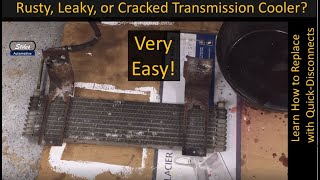
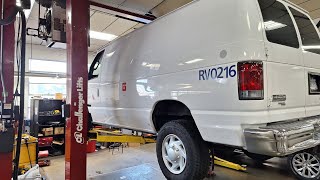
Replacing the cooler is generally straightforward. It is located at the front of the vehicle, typically mounted to the radiator support. The process involves removing the front grille for access, disconnecting the two fluid lines, unbolting the old cooler, and reversing the process for installation. The main challenges are tight access on some vans and dealing with transmission fluid, which will leak from the lines when disconnected. Always have a drain pan ready.
🎬 Watch this video for a walkthrough of Econoline transmission access.Pro Tip: When disconnecting the lines, use a small piece of rubber hose and a bolt to plug the lines to minimize fluid loss and prevent contaminants from entering the open lines.
Cost Comparison
Prices can vary, but here is a general cost expectation for the part and labor.
| Item | Estimated Cost |
|---|---|
| New OEM (Dealer) | $110 - $130 |
| New OEM (Online) | $65 - $95 |
| New Aftermarket | $50 - $100 |
| Used OEM | $40 - $75 |
| Shop Labor | $110 - $250 |
Frequently Asked Questions (FAQ)
Can I just bypass the auxiliary cooler if it's leaking?
No. This cooler is installed by the factory on vans expected to see heavy use. Bypassing it will significantly reduce your transmission's cooling capacity, leading to overheating, especially when towing, hauling, or driving in stop-and-go traffic. This will drastically shorten the life of your transmission.
My transmission failed. Do I have to replace the cooler?
You must either replace the cooler or have it professionally flushed. A failed transmission releases metal debris that gets trapped in the cooler. If you connect a new or rebuilt transmission to a contaminated cooler, that debris will be flushed into the new unit, causing it to fail very quickly. Most transmission replacement warranties are voided if the cooler is not replaced.
Will a bigger aftermarket cooler work better?
While a larger cooler can offer more cooling, it's not always necessary and can complicate installation. The OEM cooler is engineered for the vehicle's needs. For most users, a new or clean used OEM cooler is the most reliable and straightforward solution. If you are significantly modifying your van for very heavy-duty towing, a larger cooler might be considered as part of a larger system upgrade.
Is this cooler the same as the power steering cooler?
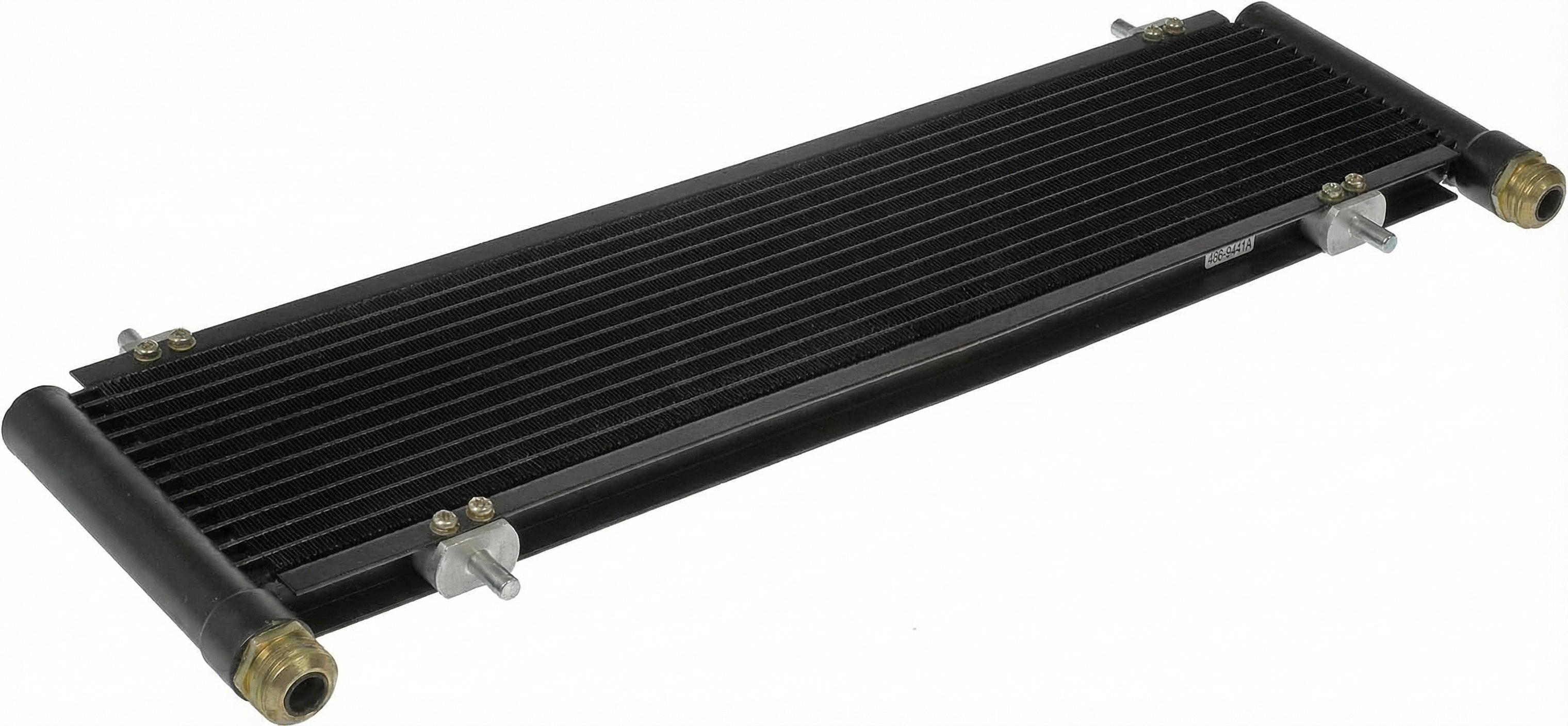
No. While they may look similar and be mounted in the same area, they are separate parts for different systems. The transmission cooler lines will run back to the transmission, while the power steering cooler lines run to the power steering rack or pump.
Helpful Videos
Technical Specifications
OEM Part Numbers: 9C2Z-7A095-A 8C2Z-7A095-D
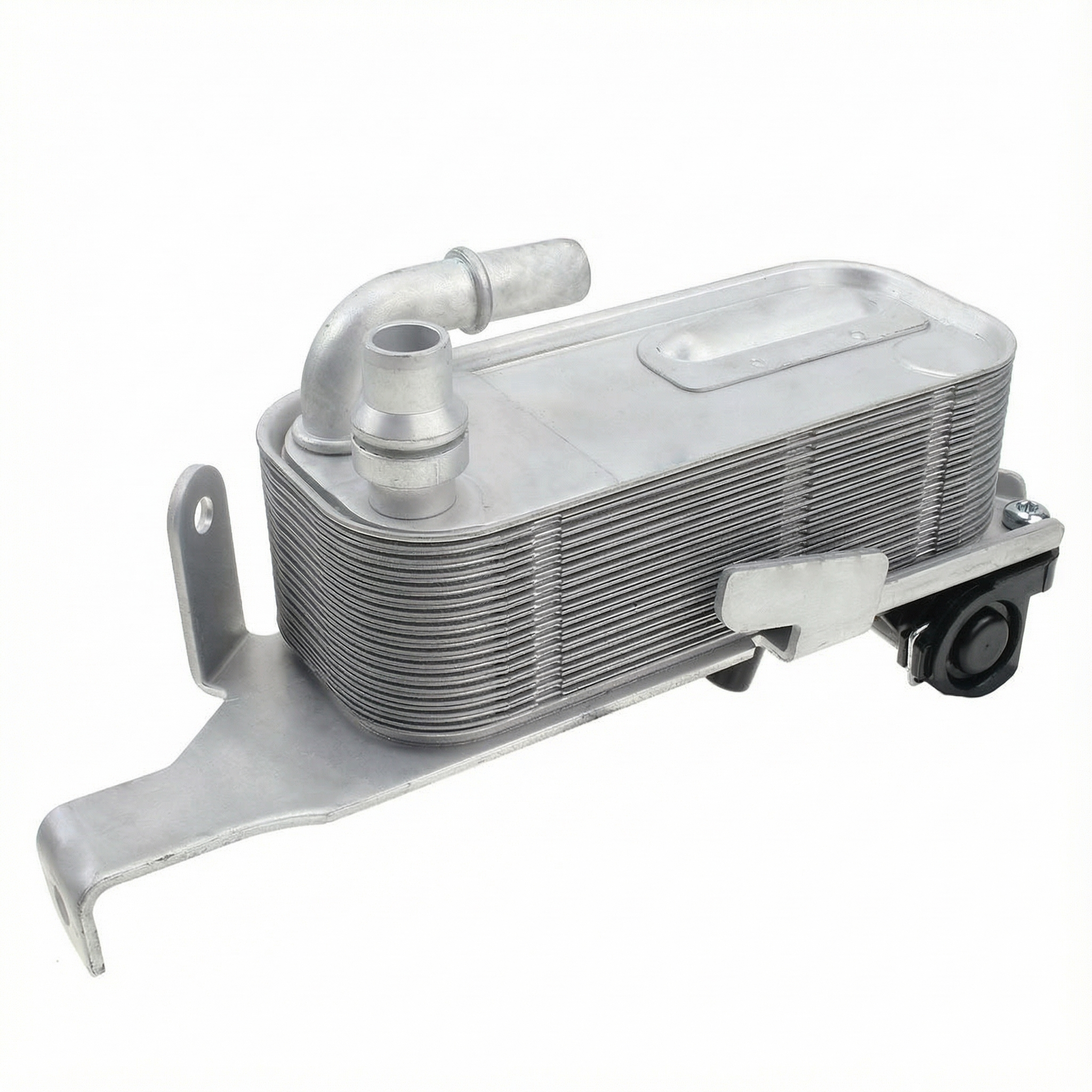
This is an auxiliary, air-to-fluid oil cooler for the automatic transmission. It is designed for 2008-2014 Ford E-150, E-250, and E-350 vans, primarily those equipped with the 4.6L V8 engine and 4-speed automatic transmission.
We Have This Part in Stock

The information in this article is provided for general reference and educational purposes only. Vehicle specifications, procedures, and part compatibility can vary by production date, trim level, and region. Always consult your vehicle's factory service manual and verify part numbers before purchasing or performing repairs. Safety-critical components such as airbags, seat belts, and braking systems should be installed by a qualified professional.
- Ford E-150:
- Ford E-250:
- Ford E-350:
- Ford Econoline Wagon:
- 🎬 Helpful Videos
- 🛍️ Shop This Part
- Symptoms of a Failing Transmission Oil Cooler
- 1. Transmission Overheating Warning
- 2. Red Fluid Leaks
- 3. Poor or Erratic Shifting
- 4. Dark or Burnt-Smelling Transmission Fluid
- Known Issues, TSBs, and Recalls
- TSB 16-0032: 4R75E Planetary Gear Failure
- Buying a Used Automatic Transmission Oil Cooler: A Buyer's Guide
- 1. The Golden Rule: Flush Before Installing
- 2. Physical Inspection Checklist
- 3. Verify Compatibility
- Replacement Overview & Difficulty
- Cost Comparison
- Frequently Asked Questions (FAQ)
- 🎟️ Get 5% Off