

2000-2002 Lincoln LS Transmission Cooler: V6 vs. V8 and Critical Line Routing Issues
This guide covers the distinct transmission oil coolers for the 3.0L V6 and 3.9L V8 engines and addresses a crucial safety recall involving the cooler lines.
- The 3.0L V6 and 3.9L V8 engines use different, non-interchangeable transmission coolers; verify your engine before buying.
- Check for a critical safety issue where cooler lines can rub against the A/C pulley, causing a leak and fire risk (NHTSA Recall 20V-691).
- NEVER install a used transmission cooler without flushing it thoroughly to remove debris from the donor car, which can destroy your transmission.
- Symptoms of failure include fluid leaks, transmission overheating warnings, poor shifting, and a burning smell.
V6 vs. V8: A Critical Part Difference
Warning: The 2000-2002 Lincoln LS used two different automatic transmission oil coolers depending on the engine. The 3.0L V6 and 3.9L V8 models use different parts that are not interchangeable. Before ordering, you must confirm which engine your vehicle has. The OEM part number for the 3.0L V6 cooler is generally listed as 2W4Z-6A642-BB, while the 3.9L V8 uses part number 2W9Z-6A642-EA. Always verify the part number and engine application before purchase.
Known Issues: Cooler Line Safety Recall
While there are no recalls for the transmission cooler itself, a significant safety recall (NHTSA Campaign Number: 20V691000) was issued for the transmission oil cooler lines. The recall states that the lines may have been improperly routed during assembly, allowing them to make contact with the air conditioning compressor pulley. This contact can wear a hole in the line, causing a transmission fluid leak. Leaking fluid can drip onto hot engine components, creating a serious risk of an engine compartment fire.
Even if your vehicle is outside the recall window, it is essential to inspect the routing of the transmission cooler lines. Ensure there is adequate clearance between the lines and any moving parts, particularly the A/C compressor pulley. Any line showing signs of chafing or damage should be replaced immediately.
🎬 Watch: How to replace your transmission cooler linesSymptoms of a Failing Transmission Cooler
A failing transmission cooler can lead to serious and expensive transmission damage. Watch for these common symptoms:
- Transmission Overheating: The most direct sign of a problem is a transmission temperature warning light on your dashboard. Heat is a primary killer of automatic transmissions.
- Fluid Leaks: Puddles of red or brownish, sweet-smelling fluid under the front of the car are a tell-tale sign of a leak from the cooler or its lines.
- Poor Shifting Performance: When transmission fluid overheats, it loses its ability to lubricate and maintain pressure properly. This can cause delayed shifts, rough or jerky gear changes, or a sensation of the transmission slipping where the engine revs but the car doesn't accelerate accordingly.
- Burning Smell: A burnt toast or acrid chemical smell can indicate that the transmission fluid is overheating and burning.
- Unusual Noises: Grinding, whining, or clunking sounds during gear shifts can be a sign of internal transmission damage aggravated by poor cooling.
- Contaminated Fluid: In vehicles where the cooler is integrated into the radiator, an internal failure can cause coolant and transmission fluid to mix. This creates a milky, pinkish fluid often described as a "strawberry milkshake" in either the radiator or the transmission. This is a catastrophic failure that requires immediate attention to avoid destroying both the transmission and engine cooling system.
Buying a Used Automatic Transmission Oil Cooler
A used OEM cooler can be a cost-effective alternative to expensive new parts, but careful inspection is critical to avoid damaging your transmission.
Physical Inspection Checklist:
- Check for Cracks and Damage: Carefully inspect the cooler's body, especially where the tanks are joined to the cooling fins. Look for any visible cracks, dents, or signs of physical impact.
- Inspect Fittings and Ports: Ensure the threaded fittings for the cooler lines are clean and not stripped. Damaged threads can prevent a proper seal, leading to leaks.
- Look for Corrosion: Examine the cooling fins. While some light surface corrosion is normal, avoid any cooler where the fins are crumbling or heavily corroded, as this reduces cooling efficiency.
- Check for Stains: Dark stains around the fittings or seams can indicate a past leak. While a used part will be dirty, look for concentrated areas of oily residue.
The Critical Importance of Flushing
Warning: Never install a used transmission cooler without thoroughly flushing it first. The donor vehicle likely had a transmission failure, which sends metal shavings and clutch material debris throughout the system, including into the cooler. If you install a contaminated cooler, this debris will be flushed into your healthy transmission, causing catastrophic failure almost immediately.
There are two primary methods for flushing:
- DIY Aerosol Flush: You can buy a can of transmission cooler flush solvent from an auto parts store. You connect the can to one port and spray the solvent through the cooler into a catch pan until the fluid runs clean. You then use compressed air to blow out any remaining solvent. 🎬 See how to flush your transmission cooler at home This is better than nothing, but some professionals warn that it may not remove all debris and can sometimes dislodge particles that get stuck elsewhere.
- Professional Hot Flush: A transmission shop uses a specialized machine that pulses heated fluid in both directions through the cooler to dislodge and remove stubborn debris. This is the most effective and recommended method to ensure the cooler is completely clean.
Pro Tip: Many professional transmission shops refuse to warranty their work unless the transmission cooler is replaced with a new unit, precisely because of the contamination risk. If you choose to use a recycled cooler, investing in a professional flush is the best insurance you can buy for your transmission.
Cost Comparison
Prices for a 2000-2002 Lincoln LS transmission cooler can vary significantly. Here are typical price ranges to expect:
| Part Type | Estimated Cost |
|---|---|
| New OEM | $400 - $500+ |
| New Aftermarket (Universal/Direct-Fit) | $40 - $140 |
| Used OEM (Recycled) | $50 - $120 |
| Shop Labor for Replacement | $240 - $500 |
Note: Prices are estimates and can vary based on location, supplier, and the specific part required (V6 vs. V8). Labor costs do not include the price of a system flush or new fluid.
Installation Overview
- Difficulty: 3 out of 5 (Moderate)
- Estimated Time: 1.5 - 3 hours
- DIY Feasible: Yes, for mechanically experienced individuals.
Replacement involves raising the vehicle, removing the lower splash shields for access, disconnecting the cooler lines (be prepared for fluid spillage), and unbolting the cooler itself. Access can be tight. One forum source indicates the cooler tube bracket nut should be tightened to 13 lb-ft (18 Nm). After installation, the system must be refilled with the correct type and amount of transmission fluid and checked for leaks.
Frequently Asked Questions (FAQ)
Can I use a V8 transmission cooler on my V6 Lincoln LS, or vice-versa?
No. The V6 and V8 engines use different part numbers for the transmission cooler. The mounting points, line connections, or cooling capacity may differ. You must purchase the correct cooler for your specific engine to ensure proper fit and function.
My transmission fluid looks like a pink milkshake. Is the cooler bad?
Yes, almost certainly. This condition indicates that the internal seal in the radiator-integrated cooler has failed, allowing engine coolant and transmission fluid to mix. This is a critical failure. You must stop driving the vehicle immediately. Both the radiator and the transmission will need to be flushed, and the transmission may already have suffered irreversible damage.
Is it better to install a larger, aftermarket cooler?
For a stock vehicle used for daily driving, the OEM cooler is sufficient. However, if you frequently tow, live in a very hot climate, or drive aggressively, upgrading to a larger plate-and-fin style aftermarket cooler can provide better cooling performance and extend the life of your transmission.
Do I really need to flush a used cooler if it looks clean?
Yes, absolutely. The most dangerous contaminants are microscopic metal particles that you cannot see. These particles will circulate into your transmission's valve body and solenoids, causing sticking, slipping, and eventual failure. Skipping the flush on a used cooler is gambling with a multi-thousand dollar transmission repair.
Helpful Videos
Technical Specifications
OEM Part Numbers: 2W4Z-6A642-BB (for 3.0L V6) 2W9Z-6A642-EA (for 3.9L V8)
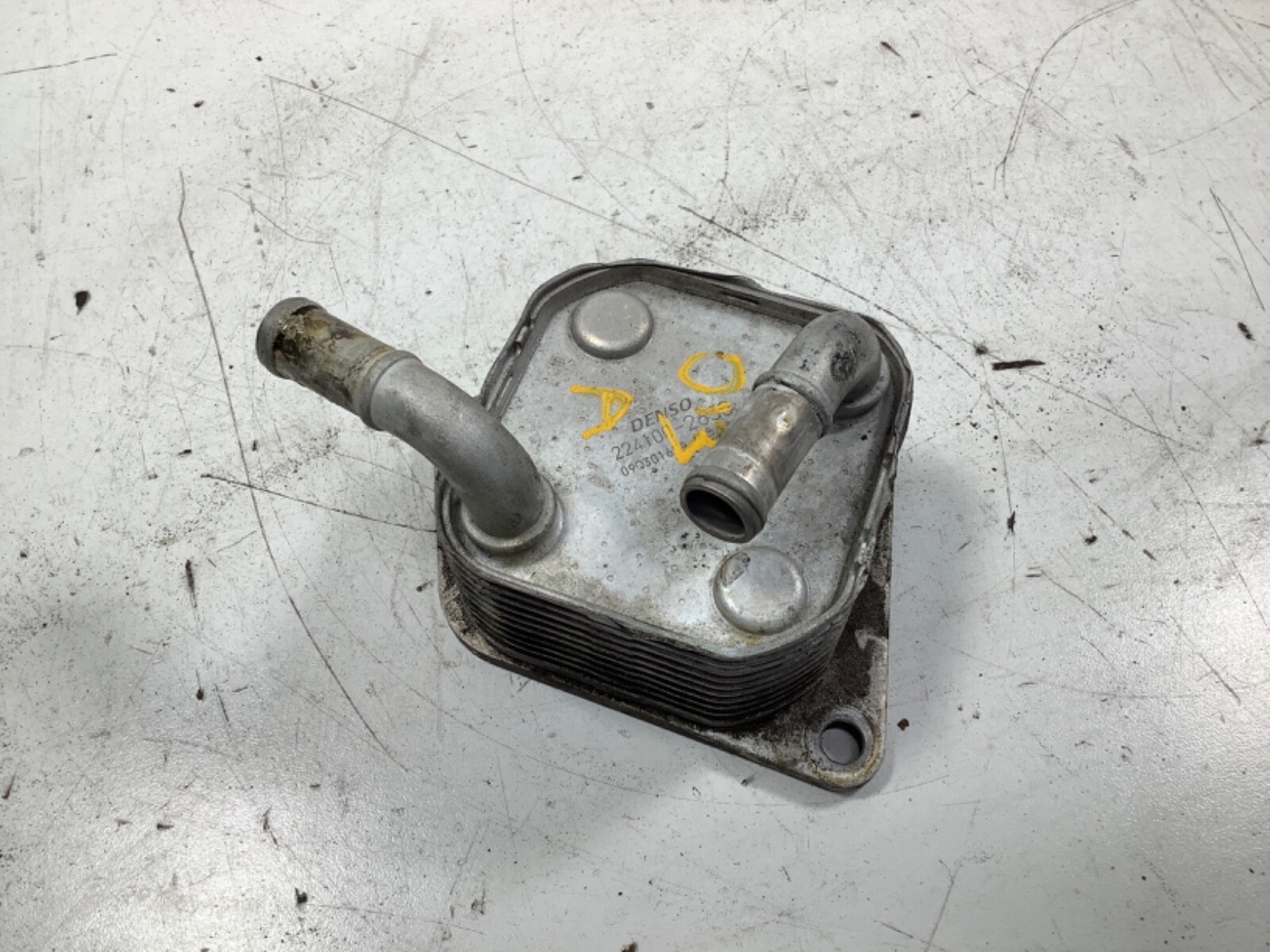
The OEM cooler is an oil-to-water or oil-to-air heat exchanger. The 5R55N automatic transmission was used in these models.
We Have This Part in Stock

The information in this article is provided for general reference and educational purposes only. Vehicle specifications, procedures, and part compatibility can vary by production date, trim level, and region. Always consult your vehicle's factory service manual and verify part numbers before purchasing or performing repairs. Safety-critical components such as airbags, seat belts, and braking systems should be installed by a qualified professional.
- Lincoln LS:
- 🎬 Helpful Videos
- 🛍️ Shop This Part
- V6 vs. V8: A Critical Part Difference
- Known Issues: Cooler Line Safety Recall
- Symptoms of a Failing Transmission Cooler
- Buying a Used Automatic Transmission Oil Cooler
- Physical Inspection Checklist:
- The Critical Importance of Flushing
- Cost Comparison
- Installation Overview
- Frequently Asked Questions (FAQ)
- 🎟️ Get 5% Off