

2000-2004 Acura RL & Honda Legend Electrical Problems: Decoding the Multiplex Control Modules
This guide clarifies the confusing 'Body Control Module' system in the RL and Legend, helping you diagnose and replace the right part without dealer programming.
- The modules for these vehicles are PLUG-AND-PLAY and do NOT require dealer programming, making a used part an excellent choice.
- The main 'Body Control Module' is actually the Multiplex Integrated Control Unit (MICU), which is part of the driver's side fuse box.
- Before replacing the module, you must check for water leaks in the driver's side kick panel, a known issue that causes these parts to fail.
- Widespread, unrelated electrical problems (battery drain, erratic lights, faulty locks) point to the main MICU, while isolated issues may point to a smaller sub-module.
Is It a BCM, a MICU, or a Fuse Box? Clearing Up the Confusion
If you're experiencing a host of strange electrical problems with your 2000-2004 Acura RL or Honda Legend, you may have been told you have a bad Body Control Module (BCM). While this is generally correct, the terminology for this specific vehicle can be confusing. Unlike many cars that have one standalone BCM, these models integrate the primary body control functions into the driver's side fuse/relay box, a part Honda calls the Multiplex Integrated Control Unit (MICU). Essentially, the main 'BCM' and the fuse box are one and the same part. Other functions are handled by separate, smaller modules connected to this main hub.
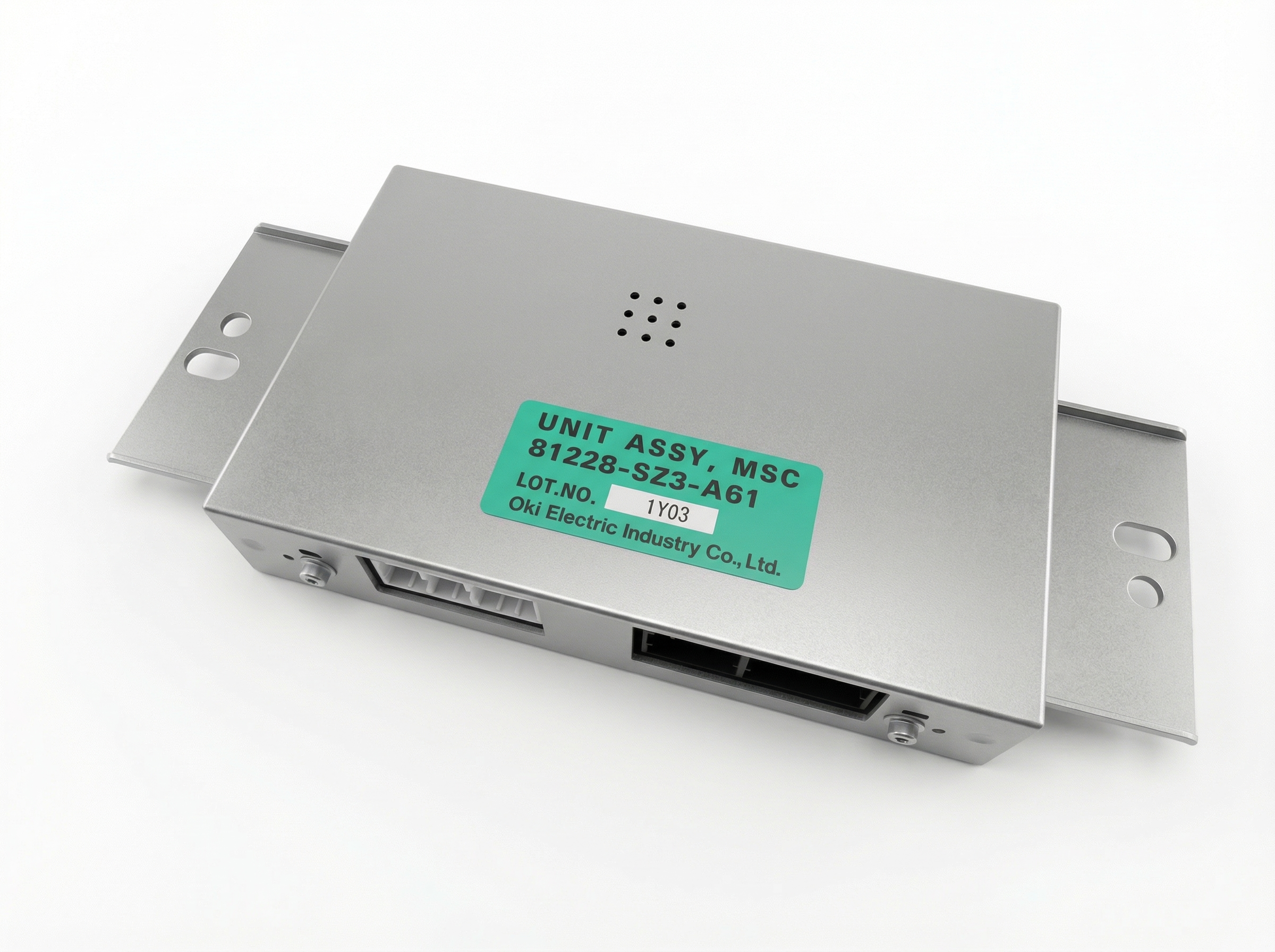
Important: The part number 36700-SZ3-A03, often mislabeled in parts catalogs, is NOT the Body Control Module. It is the separate Cruise Control Module, located behind the passenger side of the dashboard. If your only issue is with the cruise control, that is the part you need. This guide focuses on the modules that control the main body electronics.
Symptoms of a Failing Multiplex Control Unit
Because the multiplex system controls so many different components, a failure can manifest in numerous ways. Symptoms often appear unrelated, making diagnosis tricky.
Widespread Electrical Problems (Main Driver's Side MICU Failure)
When the main driver's side unit fails, you'll typically see multiple, widespread issues at once:
- Parasitic Battery Drain: A battery that dies overnight is a classic symptom. 🎬 See how to perform a professional parasitic battery drain test. The MICU may fail to go into 'sleep mode' when the car is off, keeping circuits active and draining the battery.
- Erratic Lights: Interior dome lights or exterior headlights and taillights may flicker, stay on, or fail to turn on at all.
- Power Lock & Window Malfunctions: Door locks may cycle on their own, or stop responding to the key fob and interior switches. Windows may fail to operate, often with the driver's master switch being the first to fail.
- Security System Faults: The factory alarm may sound randomly or the keyless entry system may become unresponsive.
- Dashboard Warning Lights: A failing MICU can lose communication with other modules, causing a random assortment of warning lights to appear.
Isolated Failures (Specific Modules)
If your problem is limited to a single, specific area, a smaller, secondary module may be the cause:
- Seat Memory Failure: If the only issue is that the vehicle no longer saves or recalls power seat positions, the dedicated Seat Memory Control Module is the likely culprit.
- Passenger-Side Issues: If problems like window or lock failures are confined to the passenger door, the passenger-side multiplex unit may be at fault.
How to Diagnose the Problem
Step 1: Check the Basics First
Before condemning any control module, always rule out simpler causes. Test the battery and alternator to ensure they are functioning correctly. A weak battery can cause a wide range of strange electrical behavior that mimics a module failure. Carefully check all related fuses in both the under-hood and interior fuse panels.
Step 2: Inspect for Water Intrusion (A Known Issue)
Warning: A common cause of failure for the driver's side MICU is water damage. Acura issued a Technical Service Bulletin (TSB B98-028) for an issue where water can leak from a clogged A-pillar drain or a bad windshield seal and drip directly onto the fuse box/MICU in the driver's kick panel. Before replacing the module, you MUST inspect this area for any signs of moisture, rust, or green/white corrosion on the connectors. If a leak is present, it must be repaired before installing a replacement part, or the new module will quickly fail too.
CRITICAL: No Programming Required
This is the most important takeaway for anyone needing to replace one of these modules. The main Multiplex Control Unit and all related electronic modules in the 2000-2004 Acura RL and Honda Legend are plug-and-play. They do not need to be programmed, flashed, or coded to the vehicle after installation. This makes using a recycled OEM part an easy and highly cost-effective repair. 🎬 Watch: How to replace a Honda/Acura MICU without dealer programming. You will not need to visit a dealer or a specialized locksmith for installation, saving you hundreds of dollars.
Buying a Used Multiplex Control Unit
Since new OEM modules are often discontinued and no new aftermarket alternatives exist, a quality used OEM part is the best and most common solution. Here’s what to look for:
- Match The Part Number Exactly: This is the most crucial step. Several different versions of the MICU were made. You must remove your original unit and match the OEM part number printed on its label to ensure compatibility. For example, part numbers for the driver's side unit include 38800-SZ3-A01 through A05.
- Physical Inspection: When you receive the used part, inspect it carefully. Look for any signs of corrosion on the pins, melted plastic, or a burnt smell. Given the known water leak issue, be especially wary of any signs of water damage.
- Trustworthy Source: Buy from a reputable seller that offers a warranty. This gives you protection in case the part is defective.
Cost Comparison
Costs can vary, but here is a general estimate for the main driver's side Multiplex Control Unit (MICU):
| Part Type | Estimated Cost |
|---|---|
| New OEM | $450 - $600+ (if available/not discontinued) |
| New Aftermarket | Not Available |
| Used OEM | $50 - $150 |
| Shop Labor | $100 - $200 |
Frequently Asked Questions
Where is the main Body Control Module (MICU) located?
The main Multiplex Control Unit is located under the driver's side of the dashboard. It is integrated into the interior fuse box, located in the kick panel area to the left of the pedals.
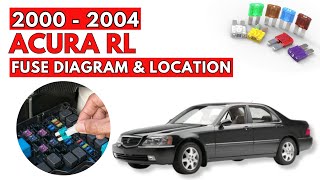
🎬 Watch: Locate your fuse box and identify specific circuits here.Do I really not need to program a replacement module?
Correct. For the 2000-2004 Acura RL and Honda Legend, all of the body-related multiplex control modules are plug-and-play. No programming or dealer visit is required for them to function.
What's the difference between the MICU and the ECU?
The MICU (or BCM) controls the car's body electronics: lights, windows, locks, wipers, etc. The ECU (Engine Control Unit), also called the PCM, is completely separate and controls only the engine and transmission functions.
My battery keeps dying. Could it be the MICU?
Yes. A faulty MICU that fails to enter its low-power sleep mode is a very common cause of parasitic battery drain in these vehicles. However, you should always have your battery and alternator professionally tested first to rule out these more common culprits.
Helpful Videos
Technical Specifications
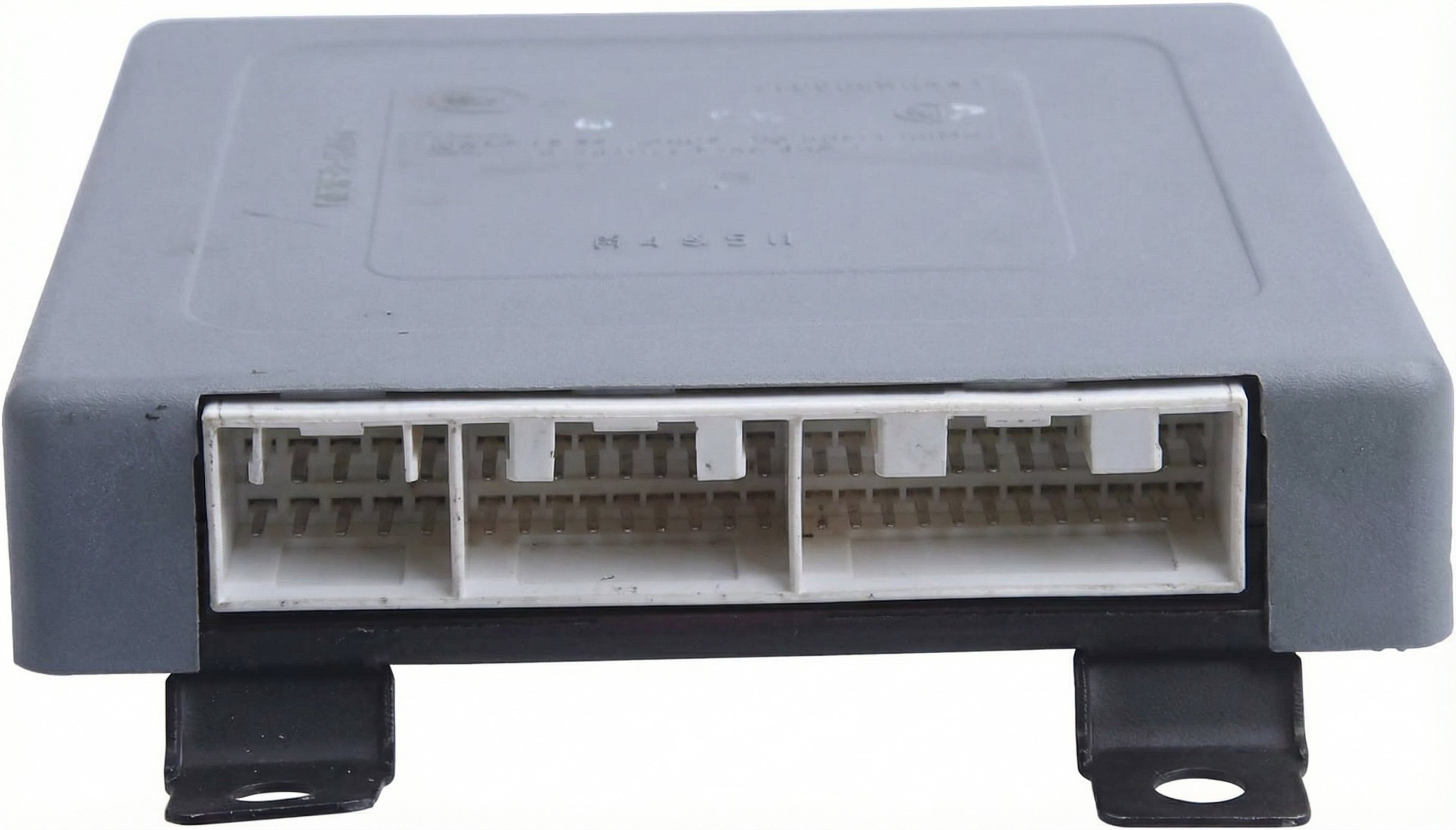
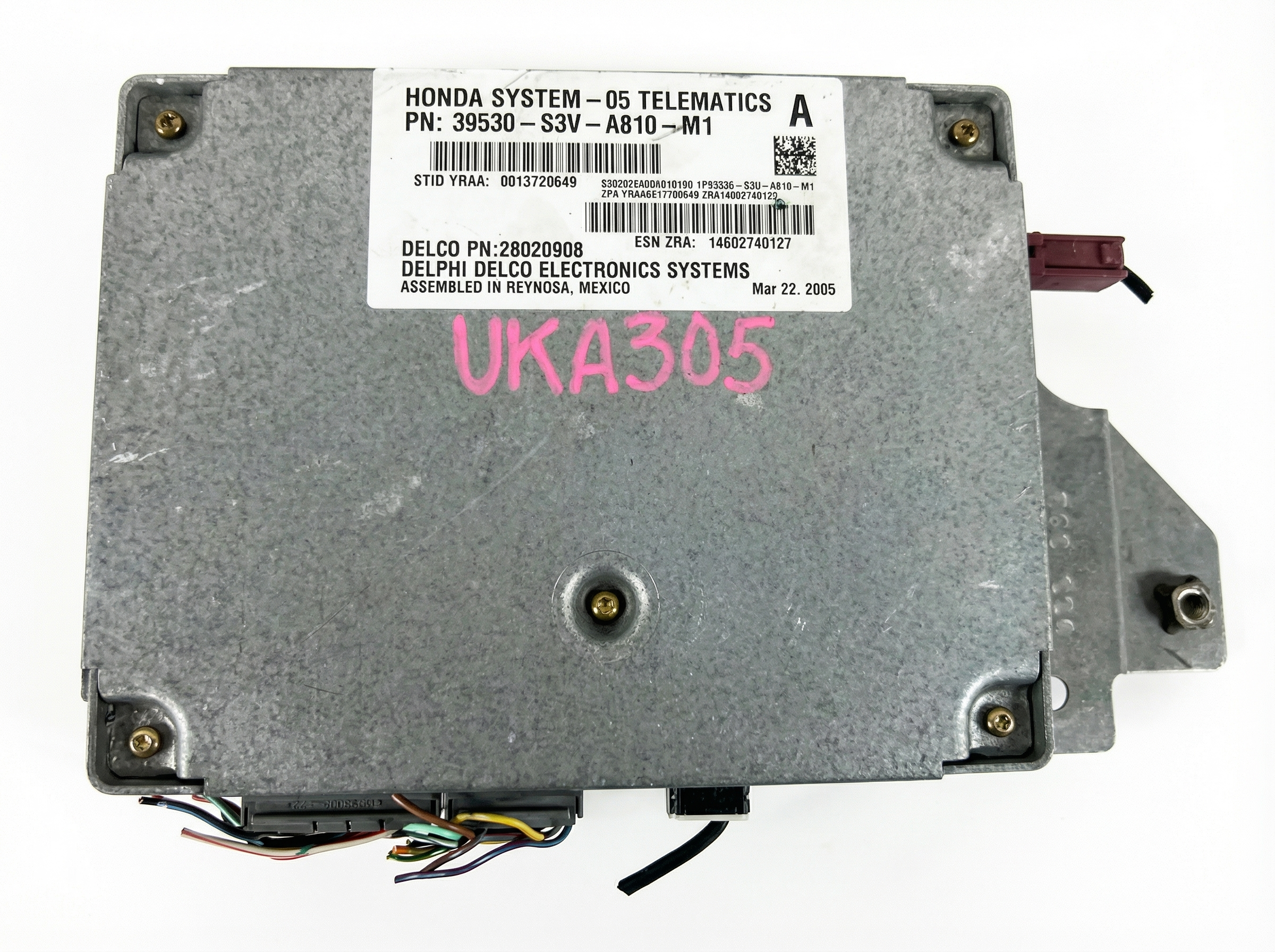
OEM Part Numbers: 38800-SZ3-A01 38800-SZ3-A02 38800-SZ3-A03 38800-SZ3-A04 38800-SZ3-A05 38850-SZ3-A01 38850-SZ3-A04 38900-SZ3-A11 36700-SZ3-A03
System uses a network of Multiplex Control Units. The main unit is the driver's side Multiplex Integrated Control Unit (MICU), which is integrated into the under-dash fuse box.
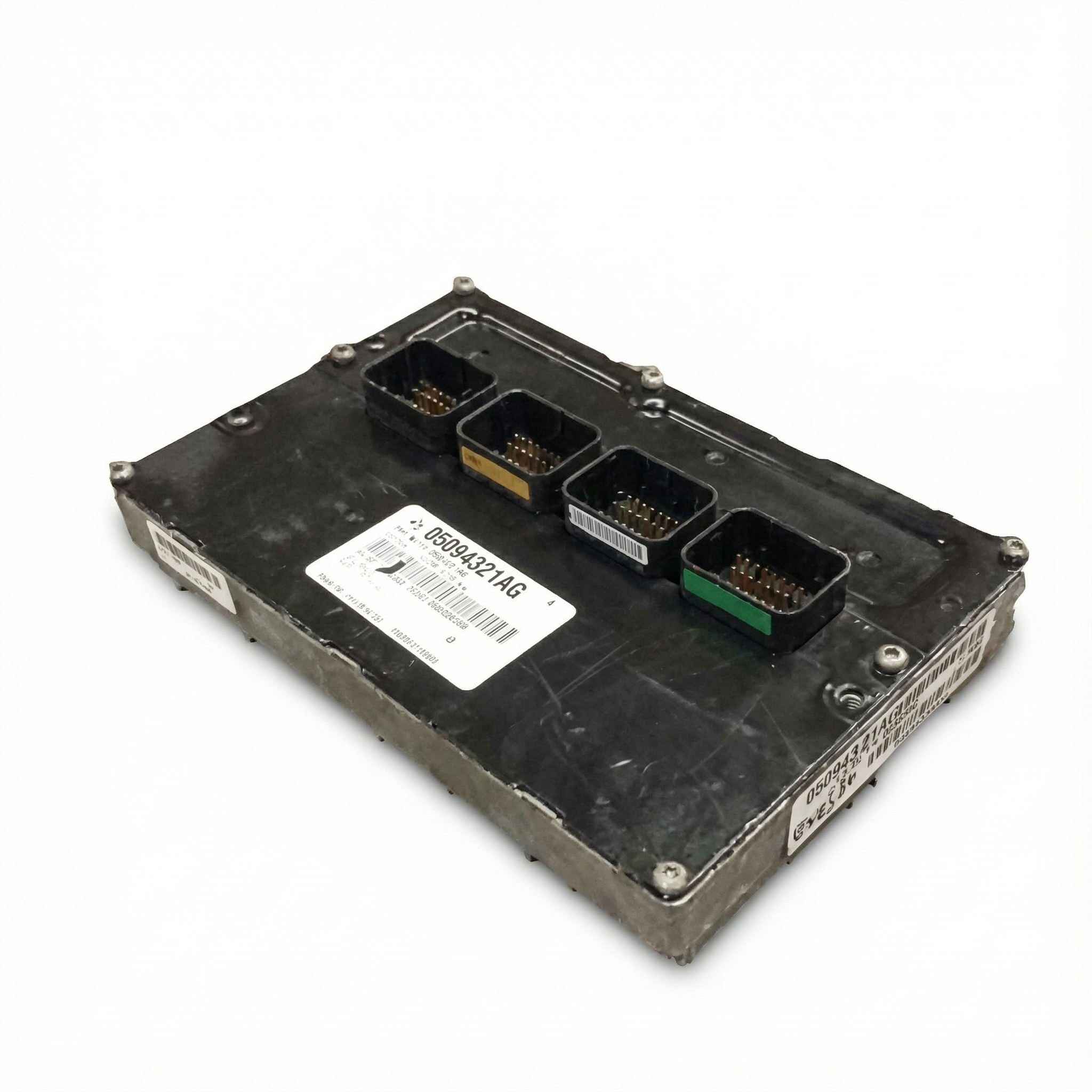
We Have This Part in Stock

The information in this article is provided for general reference and educational purposes only. Vehicle specifications, procedures, and part compatibility can vary by production date, trim level, and region. Always consult your vehicle's factory service manual and verify part numbers before purchasing or performing repairs. Safety-critical components such as airbags, seat belts, and braking systems should be installed by a qualified professional.
- Acura RL:
- Honda Legend:
- 🎬 Helpful Videos
- 🛍️ Shop This Part
- Is It a BCM, a MICU, or a Fuse Box? Clearing Up the Confusion
- Symptoms of a Failing Multiplex Control Unit
- Widespread Electrical Problems (Main Driver's Side MICU Failure)
- Isolated Failures (Specific Modules)
- How to Diagnose the Problem
- Step 1: Check the Basics First
- Step 2: Inspect for Water Intrusion (A Known Issue)
- CRITICAL: No Programming Required
- Buying a Used Multiplex Control Unit
- Cost Comparison
- Frequently Asked Questions
- 🎟️ Get 5% Off