

2017-2019 Alfa Romeo Giulia BCM: Programming, Electrical Faults, and Replacement Guide
This guide details the critical programming steps, common failure symptoms, and how to choose a used Body Control Module for your 2017-2019 Giulia.
- A replacement Body Control Module (BCM) is NOT plug-and-play; it absolutely requires a 'Proxy Alignment' procedure to be programmed to the vehicle.
- A flashing odometer is the key indicator that a Proxy Alignment is needed.
- A recall (NHTSA 19V-551) exists for a BCM software update on 2018-2019 models to fix an inaccurate fuel gauge; check this before replacing hardware.
- Advanced DIYers can perform the Proxy Alignment with tools like MultiECUScan, but it requires specific cables and carries the risk of failure if not done correctly.
Symptoms of a Failing Body Control Module


A faulty BCM in a Giulia can cause a wide range of seemingly random electrical problems. Because it controls so many systems, diagnosis can be tricky. Watch for these common signs:
- Erratic Electronics: One of the most frequent symptoms is the unpredictable behavior of electrical parts. This can include headlights or interior lights turning on and off by themselves, windshield wipers activating randomly, or power windows and locks malfunctioning.
- Warning Lights on Dash: A failing BCM can trigger a cluster of warning lights, sometimes resembling a Christmas tree on your dash. You might see intermittent warnings for the airbag, ABS, or security system.
- Starting and Security Issues: The BCM is a key part of the vehicle's immobilizer system. A fault can prevent the key fob from being recognized, leading to a no-start condition even with a good battery. The security alarm may also act erratically.
- Parasitic Battery Drain: A classic symptom of a bad BCM is a battery that repeatedly dies, often overnight. The faulty module may not allow certain electrical circuits to shut down when the car is off, causing a slow but steady power drain.
- Flashing Odometer: While not a failure symptom itself, a flashing odometer is a definitive sign that the BCM is not synchronized with the other modules in the car, which requires a "Proxy Alignment" procedure.
Known Issues, Recalls, and Technical Service Bulletins (TSBs)

Before replacing your BCM, it's important to be aware of any software updates or recalls that could mimic BCM failure.
Safety Recall V84 / NHTSA 19V-551: Inaccurate Fuel Gauge
This recall affects some 2018-2019 Alfa Romeo Giulia models. The BCM software may display an inaccurate fuel level, showing more fuel than is actually in the tank. This can happen after the car has been parked on a steep incline for an extended period. The danger is that the vehicle could run out of fuel and stall unexpectedly. The fix is a free software update for the BCM performed by an Alfa Romeo dealer. Always check if your vehicle is affected by this recall before assuming the BCM hardware is faulty.
Warning: The initial data for this article mentioned that used modules contain crash data. While BCMs can store various data, the Airbag Control Module (SRS Module) is the primary component that stores non-erasable crash data after a collision. A BCM from a crashed vehicle is still a risk due to potential unseen damage, but the primary concern for undeletable crash data lies with the SRS module.
BCM Replacement and Programming: The Proxy Alignment Procedure

Replacing the BCM in an Alfa Romeo Giulia is not a simple plug-and-play task. The replacement module, whether new or used, must be programmed to the vehicle. This process is known as a "Proxy Alignment" (or Proxi Alignment).
A Proxy Alignment synchronizes all the car's electronic modules, allowing the new BCM to communicate with the Engine Control Module (ECM), ABS module, instrument cluster, and others. Without this procedure, the vehicle will likely not start, and the odometer will flash continuously.
Who Can Program a Giulia BCM?
- Alfa Romeo Dealerships: Dealers use the proprietary wiTECH scan tool to perform Proxy Alignments.
- Independent Shops & DIY: Advanced mechanics and knowledgeable DIYers can perform a Proxy Alignment using aftermarket software like MultiECUScan (MES) or AlfaOBD. This requires a compatible OBD2 interface (like an ELM327), specific adapter cables (typically grey and blue for the Giulia), and a Windows laptop.
- Cloning Services: Some specialized services can clone the data from your original BCM to a donor (used) unit. This involves sending both modules to the service provider. The cloned module is then returned as a plug-and-play part, requiring no further programming.
Pro Tip: If you are using MultiECUScan, it is critical to follow the procedure exactly. Using the wrong adapter cables or having an unstable power supply can cause the alignment to fail, potentially leaving the vehicle in a non-running state.
Buying a Used Body Control Module
Purchasing a used BCM can offer significant cost savings, but it's crucial to buy the right part to avoid compatibility issues.
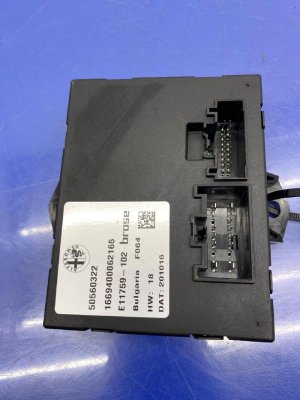
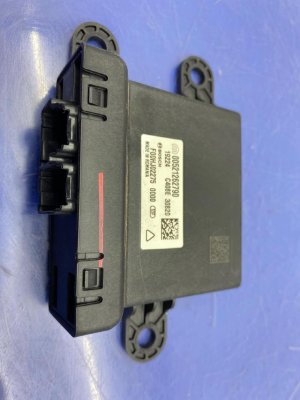
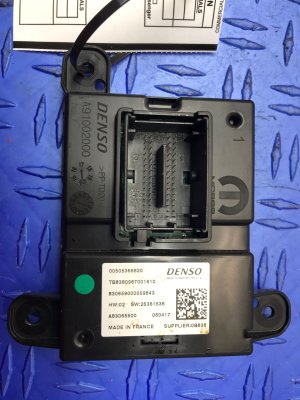
- Match Part Numbers Exactly: The most important step is to match the OEM part number on your original module to the used part. The primary OEM part numbers for this generation are 50548732 (Alfa Romeo) and 68357867AA (Mopar). However, other numbers may exist depending on the vehicle's specific options and build date. Always verify the number on your specific part.
- Inspect for Damage: When you receive the used module, inspect it carefully for any signs of physical damage, corrosion on the pins, or evidence of water intrusion. The BCM is typically located in the driver's side footwell area, under the dashboard, where it can be susceptible to moisture if any leaks are present.
- Source from a Reputable Supplier: Buy from a recycled parts seller that tests their components and offers a warranty. This provides a safety net in case the part is defective.
- Avoid Modules from Flood Vehicles: Never purchase a BCM from a vehicle with known flood damage, as internal corrosion can lead to premature failure.
Cost of Replacing a Giulia Body Control Module
| Part Type | Estimated Cost |
|---|---|
| New OEM | $450 - $650 |
| New Aftermarket | Not commonly available |
| Used OEM | $80 - $250 |
| Remanufactured | $200 - $400 |
| Shop Labor (Replacement & Programming) | $250 - $450 |
Note: Prices are estimates and can vary based on location, supplier, and vehicle specifics. Labor costs for programming can vary significantly between dealerships and independent shops.
Frequently Asked Questions (FAQ)
Does a replacement BCM for an Alfa Romeo Giulia have to be programmed?
Yes, absolutely. A replacement BCM, whether new or used, must be programmed to the car using a procedure called Proxy Alignment. It is not a plug-and-play part. Failure to program it will result in a flashing odometer and likely a no-start condition.
What is a Proxy Alignment?
Proxy Alignment is the software procedure used on Alfa Romeo and other FCA vehicles to synchronize all the electronic control modules on the car's network. When a module like the BCM is replaced, this procedure introduces it to the other modules so they can communicate correctly.
Can I drive my Giulia with a bad BCM?
It is not recommended. A failing BCM can cause unpredictable behavior in critical safety systems like headlights, wipers, and turn signals. It can also leave you stranded with a no-start condition or a dead battery without warning.
Where is the BCM located on a 2017-2019 Giulia?
The Body Control Module is typically located under the dashboard in the driver's side footwell. It is often integrated with the interior fuse box assembly and may require removing lower dash panels to access.
Technical Specifications
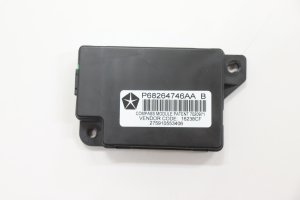
OEM Part Numbers: 50548732 68357867AA
The BCM is integrated with the interior fuse box and located in the driver's side footwell.
We Have This Part in Stock

The information in this article is provided for general reference and educational purposes only. Vehicle specifications, procedures, and part compatibility can vary by production date, trim level, and region. Always consult your vehicle's factory service manual and verify part numbers before purchasing or performing repairs. Safety-critical components such as airbags, seat belts, and braking systems should be installed by a qualified professional.
- Alfa Romeo Giulia:
- 🛍️ Shop This Part
- Symptoms of a Failing Body Control Module
- Known Issues, Recalls, and Technical Service Bulletins (TSBs)
- Safety Recall V84 / NHTSA 19V-551: Inaccurate Fuel Gauge
- BCM Replacement and Programming: The Proxy Alignment Procedure
- Who Can Program a Giulia BCM?
- Buying a Used Body Control Module
- Cost of Replacing a Giulia Body Control Module
- Frequently Asked Questions (FAQ)
- 🎟️ Get 5% Off