

2018-2021 Alfa Romeo Stelvio Body Control Module: Failure Symptoms and Programming Guide
This definitive guide covers the common electrical failures, recalls, and critical programming procedures required when replacing the Body Control Module in your Alfa Romeo Stelvio.
- A replacement BCM (new or used) is NOT plug-and-play and absolutely requires programming via "Proxy Alignment" or "Cloning" to function.
- A flashing odometer is the key symptom indicating that a Proxy Alignment is needed.
- Water intrusion is a known failure cause; a recall for 2018 models exists to add better sealing. Check for signs of moisture.
- Always match the OEM part number on your original module exactly when buying a used replacement, as they are specific to the vehicle's options.
Symptoms of a Failing Stelvio Body Control Module


A faulty BCM in an Alfa Romeo Stelvio can cause a variety of strange and seemingly random electrical issues. Diagnosing a bad BCM can be tricky because the symptoms often overlap with other electronic problems. Look for these common warning signs:
- Erratic Electronics: This is the most common sign. You may experience headlights, interior lights, or taillights turning on and off by themselves, windshield wipers activating randomly, or power windows and locks working intermittently or not at all.
- Parasitic Battery Drain: A classic symptom is a battery that repeatedly dies, often overnight. A faulty BCM may fail to shut down certain electrical circuits when the car is off, causing a slow but steady drain on the battery.
- No-Start Condition: The BCM is a key part of the vehicle's immobilizer and security system. If it fails, it may not recognize your key fob, preventing the engine from starting even if the battery and starter are good.
- Flashing Dashboard Lights: You might see a flurry of warning lights for the airbag, ABS, or security system appear and disappear on the instrument cluster. In some cases, the entire dashboard may light up like a Christmas tree or gauges may act erratically.
- Flashing Odometer: A steadily flashing odometer is a specific and definitive sign that the vehicle's electronic modules are not synchronized. This indicates that a "Proxy Alignment" procedure is required, which is common after a BCM has been replaced without proper programming.
Known Issues, Recalls, and Technical Service Bulletins (TSBs)

Several official recalls and known issues affect the BCM on the 2018-2021 Alfa Romeo Stelvio. Before replacing the module, ensure these have been addressed.
Recall for Water Intrusion (2018 Models)
An important recall was issued for some 2018 Stelvio models due to improperly sealed A-pillar joints. This defect can allow water to leak into the cabin and onto the Body Control Module and its electrical connectors, causing corrosion. This corrosion can lead to a loss of windshield wiper function, exterior lighting failure, an inoperative horn, or unintended turn signal activation. The official fix involves a dealer installing additional sealing to protect the BCM from moisture. Water damage is a common cause of BCM failure, so any signs of moisture or corrosion in the driver's footwell should be investigated immediately.
Recall for Inaccurate Fuel Gauge (2018-2019 Models)
NHTSA campaign 19V-551 (also known as FCA recall V84) affects certain 2018-2019 Stelvio models. The BCM software may cause the fuel gauge to display a higher fuel level than what is actually in the tank, creating a risk of the vehicle unexpectedly running out of fuel and stalling. The remedy for this is a simple software update performed by an Alfa Romeo dealer, free of charge.
Pro Tip: Before assuming your BCM has failed, check with an Alfa Romeo dealer or use the NHTSA website to see if your vehicle's VIN is affected by these recalls. A free software update or sealing repair might solve your electrical issues without needing to replace the part.
Replacement and Programming: The Critical Steps

Replacing the BCM in an Alfa Romeo Stelvio is not a simple plug-and-play job. The replacement module, whether new or used, MUST be programmed to the vehicle for it to function. Failure to do so will result in a no-start condition, a flashing odometer, and numerous error messages. You have two main options for this process: Proxy Alignment or BCM Cloning.
Option 1: Proxy Alignment
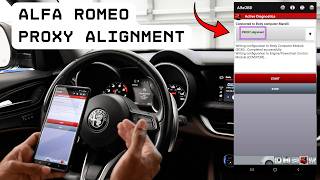
"Proxy Alignment" (or Proxi Alignment) is the factory procedure for synchronizing all of the car's electronic control units. When a new or used BCM is installed, this procedure introduces it to the other modules on the vehicle's network (like the ECU, ABS module, and instrument cluster). A flashing odometer is the primary symptom that a Proxy Alignment is needed.
This procedure can be performed by:
- An Alfa Romeo dealership using their proprietary wiTECH diagnostic tool.
- An independent mechanic with advanced diagnostic software like MultiECUScan or AlfaOBD.
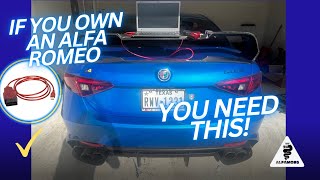
- A knowledgeable DIYer using MultiECUScan or AlfaOBD software on a laptop with the correct OBD-II interface and adapter cables (typically grey and blue). 🎬 Watch: How to use MultiECUScan to fix a flashing odometer.
Warning: To perform a Proxy Alignment on a 2018 or newer Stelvio, you must first bypass the Secure Gateway Module (SGW). The SGW is a firewall that prevents unauthorized access to the vehicle's network. A physical SGW bypass module is required to allow tools like MultiECUScan or AlfaOBD to make configuration changes.
Option 2: BCM Cloning
Cloning is a process where all the essential data from your original BCM is read and transferred directly to a donor (used) module. This data includes the vehicle's VIN, immobilizer security codes, and specific configuration settings. A cloned BCM is a true plug-and-play solution; the car recognizes it as the original unit, and no further programming or Proxy Alignment is needed. This service is offered by various mail-in electronic repair shops.
Pro Tip: If your original BCM is not completely dead and can still be read by diagnostic tools, cloning is often the simplest and most straightforward solution. It avoids the complexities of performing a Proxy Alignment and dealing with the SGW bypass.
Buying a Used Body Control Module
Purchasing a used OEM Body Control Module is a very common and cost-effective repair method, but careful selection is crucial.
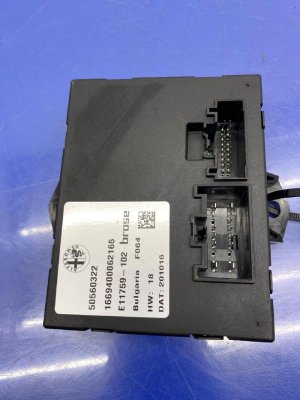
- Match the Part Number EXACTLY: Alfa Romeo used many different BCMs depending on the vehicle's year, trim, and optional features. The OEM part number on the replacement module must be an identical match to your original unit. Do not rely on visual similarity. The initial part number for this generation is 00505654570, but others like 00505597920 exist for later models. Always verify the number on your specific part.
- Inspect for Damage: When you receive the used module, carefully inspect the case and connector pins for any signs of corrosion, water marks, or physical damage. Given the known water intrusion issue, this is especially important.
- Source from a Reputable Seller: Buy from a seller who offers a warranty and a return policy. This protects you in case the module is defective or was removed from a flood-damaged vehicle.
- Why Used OEM is a Good Choice: For a complex electronic part like this, a used OEM module that has been properly programmed or cloned is often more reliable than a new, unproven aftermarket part (if one is even available). The hardware is factory-spec, ensuring proper communication with other vehicle systems once programmed.
Cost of Replacement
The cost to replace a Stelvio BCM can vary significantly based on the parts source and labor required for programming.
| Item | Estimated Cost | Notes |
|---|---|---|
| New OEM Part | $950 - $1,200+ | Purchased from an Alfa Romeo dealer. A rebuilt OEM unit was found for around $950. |
| Used OEM Part | $100 - $250 | Commonly found on online marketplaces and from recycled parts suppliers. |
| Shop Labor (Replacement) | $150 - $250 | This covers the physical swap of the module, which is located in the driver's footwell. |
| Shop Labor (Programming) | $150 - $300 | Cost for a dealer or independent shop to perform the Proxy Alignment. |
| Cloning Service | $180 - $250 | Mail-in service to clone your original module's data to a donor unit. |
Frequently Asked Questions (FAQ)
Do I absolutely have to program a replacement BCM?
Yes. A replacement Body Control Module in a 2018-2021 Stelvio will not work without being programmed to your specific vehicle. You must either perform a Proxy Alignment or have the original module's data cloned to the replacement unit. A simple swap will result in a no-start condition and a flashing odometer.
Where is the BCM located on the Alfa Romeo Stelvio? 🎬 Watch this video to help locate your Body Control Module.
The Body Control Module is located under the dashboard in the driver's side footwell. It is typically positioned near the steering column, and accessing it requires removing the lower dash trim panel.
Can I perform the Proxy Alignment myself?
Yes, if you are technically inclined. You will need a Windows laptop, a licensed copy of MultiECUScan or AlfaOBD software, a quality OBD-II interface, the correct adapter cables (blue and grey), and an SGW bypass module for your 2018+ vehicle. Following the software's instructions carefully is critical to avoid damaging other modules.
What is a flashing odometer, and how do I fix it?
A flashing odometer is the vehicle's way of telling you that one or more electronic modules on the network are not recognized. This is the classic sign that a Proxy Alignment procedure is needed to synchronize all the modules. Running the Proxy Alignment with the proper tools will resolve the flashing.
Can a locksmith program the BCM?
Some specialized automotive locksmiths have the advanced tools and knowledge to program BCMs, especially for key and immobilizer functions. However, given the specific nature of Alfa Romeo's Proxy Alignment, it's more common for this work to be done by a dealer or a European auto specialist with tools like MultiECUScan. Always confirm with the locksmith that they have experience with Alfa Romeo/FCA vehicles.
Helpful Videos

Technical Specifications
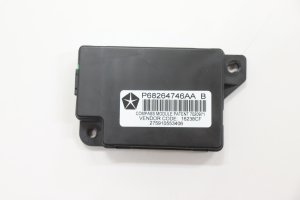
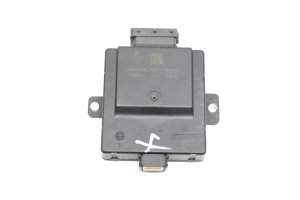
OEM Part Numbers: 00505654570 00505597920
The BCM is located in the driver's side footwell, under the dashboard near the steering column.
We Have This Part in Stock

The information in this article is provided for general reference and educational purposes only. Vehicle specifications, procedures, and part compatibility can vary by production date, trim level, and region. Always consult your vehicle's factory service manual and verify part numbers before purchasing or performing repairs. Safety-critical components such as airbags, seat belts, and braking systems should be installed by a qualified professional.
- Alfa Romeo Stelvio:
- 🎬 Helpful Videos
- 🛍️ Shop This Part
- Symptoms of a Failing Stelvio Body Control Module
- Known Issues, Recalls, and Technical Service Bulletins (TSBs)
- Recall for Water Intrusion (2018 Models)
- Recall for Inaccurate Fuel Gauge (2018-2019 Models)
- Replacement and Programming: The Critical Steps
- Option 1: Proxy Alignment
- Option 2: BCM Cloning
- Buying a Used Body Control Module
- Cost of Replacement
- Frequently Asked Questions (FAQ)
- 🎟️ Get 5% Off