

Audi & Porsche BCM (J393/J519) Issues in Q7, Q5, A4, A5, Macan & More (2016-2025)
This guide covers the common failures, replacement costs, and critical programming requirements for the Body Control Modules found in many modern Audi and Porsche vehicles.
- Replacement REQUIRES programming by a dealer or specialist to remove 'Component Protection' and adapt keys.
- The most common cause of failure is water damage, often from clogged panoramic sunroof drains.
- There are two main modules: J519 (under dash, for lights/wipers) and J393 (in trunk, for keys/security).
- Matching the part number exactly is critical, but it will NOT avoid the need for programming.
Understanding Body Control Module Failures


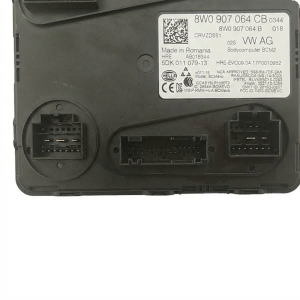
The Body Control Module (BCM) in these Audi and Porsche models is not a single part, but a system of two primary modules that act as the central nervous system for most non-engine related electronics. The J519 (BCM1) is the Central Electrics module, typically located under the driver's side dashboard, controlling lights, wipers, and other core functions. The J393 (BCM2) is the Comfort Control Module, located in the trunk area, and is responsible for security, keyless entry, central locking, and the immobilizer. Failure in either module can lead to a cascade of electrical gremlins that can be difficult to trace.
Common Failure Modes
The most frequent cause of BCM failure in these vehicles, particularly for the trunk-mounted J393 module, is water intrusion. Clogged panoramic sunroof drains or compromised body seams can allow water to pool in the luggage compartment, shorting out the sensitive electronics within the module. This is a well-documented issue, especially in the Audi Q5, Q7, and Porsche Macan. Other causes include voltage spikes from improper jump-starting, internal component wear, and vibrations leading to cracked solder joints.
Warning: A separate but related issue affects the Gateway Control Module in many of these same vehicles. A recall (NHTSA 21V947000) was issued because liquid spills in the rear seat could penetrate the Gateway Module, causing a sudden loss of engine power. While this is not the BCM, its symptoms can be similar and its location makes it vulnerable to the same water intrusion issues.
Symptoms of a Failing Body Control Module
BCM failure symptoms are often widespread and confusing. Because the modules control so many different systems, a single fault can make it seem like the entire vehicle is failing. Here are the most common signs:
- No Start or Key Not Recognized: A primary symptom of a failed J393 (BCM2) is the vehicle's refusal to recognize the key or start. You may get a "Steering Faulty" or "Key not detected" message on the dash, and the steering column may not unlock.
- Erratic Lights and Wipers: Lights (headlights, interior lights, turn signals) flickering, staying on, or not working at all is a classic sign of a J519 (BCM1) issue.
- Central Locking and Window Failures: Doors not locking or unlocking with the remote or interior switches, and power windows not operating, point to a problem with the J393.
- Parasitic Battery Drain: A faulty BCM can fail to shut down completely, leaving certain circuits active and draining the battery overnight.
- Multiple, Unrelated Dashboard Warnings: A failing BCM can lose communication with other modules, causing a cascade of warning lights for systems that are actually working fine. This is often accompanied by communication error codes like U0140.
- Alarm System Malfunctions: The alarm sounding for no reason, or the keyless entry system failing, is tied to the J393 module.
Known Issues, TSBs, and Recalls

While specific TSBs for BCM failure are elusive, several recalls and known problems are highly relevant:
- NHTSA Recall 21V947000 (Audi Campaign 90S9): This major recall affects 2018-2022 Audi Q5 and SQ5 models, among others. It addresses water ingress that can damage the Gateway Control Module, located under the rear seat. The fix involves installing a protective cover and sealing an underbody seam. While not the BCM, the root cause (water damage) is the same.
- Porsche Macan Sunroof Drain Issues: Owners have reported failures of the BCM and other rear-mounted electronics due to clogged panoramic sunroof drains allowing water to flood the trunk area.
- Audi Q7 Water Intrusion: Similar to the Macan, the Q7 is known for water damage to the J393 Comfort Control Module in the trunk due to sunroof drain issues.
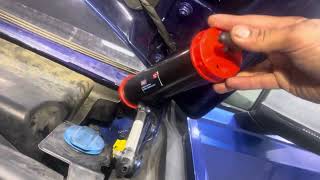
Pro Tip: If you own one of these vehicles, especially with a panoramic sunroof, it is critical to regularly check and clean the sunroof drains. 🎬 Watch: How to clear front sunroof drains on an Audi Q7 The drains are small rubber tubes that run down the vehicle's pillars and can easily become clogged with debris, causing water to back up and overflow into the cabin and trunk.
Buying a Used Body Control Module
Purchasing a used BCM can save you hundreds of dollars, but it comes with significant risks and requirements. This is not a simple plug-and-play part.
1. Component Protection
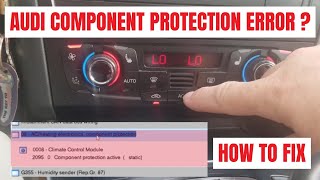
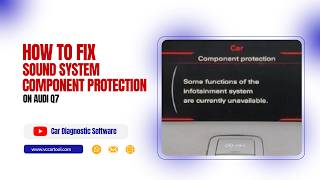
Audi and Porsche use a system called Component Protection (CP) to prevent theft. Most major electronic modules, including the BCM1 and BCM2, are electronically linked to the vehicle's VIN. When you install a used module, the Component Protection feature will activate, limiting the module's functionality. For the J519, this might mean interior lights don't work. For the J393, it will prevent the car from starting. Removing Component Protection requires special tools (like ODIS) and an online connection to Audi/VW servers. This must be done by a dealer or a qualified independent shop with the proper equipment. 🎬 Watch: Using ODIS software to remove Component Protection
2. Immobilizer and Key Programming
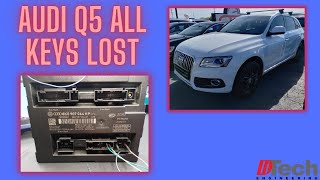
The J393 (BCM2) is the heart of the immobilizer system. When you replace it, the car loses its connection to the keys. Even after Component Protection is removed, the keys must be re-programmed to the new module. 🎬 See how a technician reads BCM2 data for key programming This is another dealer or specialist-level task. It is impossible to start the car with a used J393 until both CP is removed and the keys are adapted.
3. Matching Part Numbers
It is absolutely critical to match the OEM part number exactly. There are many hardware and software variations of these modules. Even a single letter difference in the part number can mean it is incompatible with your vehicle's options. Always verify the part number on your original module before ordering a replacement.
4. Inspection and Sourcing
When buying used, inspect the module for any signs of water damage, corrosion on the pins, or evidence that the case has been opened. Ask the seller about the donor vehicle's history if possible. A module from a low-mileage, collision-damaged vehicle is preferable to one from a flood car. Because of the complex programming, buying a used OEM module and having it programmed is often more reliable than using a new, cheap aftermarket part which may not integrate correctly with the vehicle's other systems.
Programming and Installation

Warning: Replacing a BCM in these vehicles is not a DIY-friendly job for the average mechanic. While the physical replacement may be straightforward, the electronic programming is complex and requires dealer-level tools.
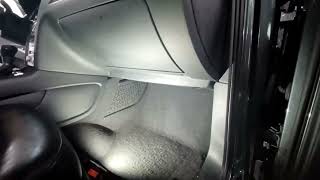
- Physical Installation: The J519 is under the dash, requiring removal of lower trim panels. The J393 is in the trunk, behind the driver's side trim panel.
- Component Protection Removal: The vehicle must be taken to a dealer or a specialist with ODIS diagnostic software. They will connect to the factory servers to adapt the used module to your car's VIN.
- Key Adaptation (for J393): If the J393 was replaced, all existing keys must be re-programmed to the vehicle.
- Coding and Adaptation: The new module may need to be coded with the specific features of your vehicle (e.g., sunroof, lighting package, etc.). This is typically done at the same time as CP removal.
Some advanced specialists may offer to "clone" your old module by transferring the EEPROM chip (a small memory chip) from the old board to the new one. This can sometimes bypass the need for Component Protection removal, but it is a delicate process that requires micro-soldering skills and carries the risk of damaging both modules.
Cost Breakdown
The cost to replace a BCM can vary significantly based on whether you use new or used parts and who performs the labor and programming.
| Part/Service | Estimated Cost |
|---|---|
| New OEM BCM (Part Only) | $550 - $750 |
| Used OEM BCM (Part Only) | $100 - $300 |
| Shop Labor (Physical Replacement) | $115 - $170 (1-1.5 hours) |
| Dealer/Specialist Programming (CP Removal & Coding) | $200 - $500 |
| Total Estimated Cost (with Used Part) | $415 - $970 |
| Total Estimated Cost (with New Part) | $865 - $1,420 |
Frequently Asked Questions (FAQ)
Can I drive my car with a bad BCM?
It depends on the failure. If the J393 (Comfort Module) has failed and the car won't recognize the key, you cannot drive it at all. If the J519 (Central Electrics) has failed, you may be able to drive, but with significant safety risks like non-functioning lights or wipers. Driving is not recommended.
Will a used BCM from the exact same model work without programming?
No. Due to Component Protection being tied to the original vehicle's VIN, even a module from an identical car will have limited functionality and will likely prevent the car from starting until it is reprogrammed by a dealer or specialist.
Can an independent mechanic replace my BCM?
While many independent shops can physically swap the module, only those who have invested in specialized, dealer-level diagnostic tools like ODIS with an online subscription can perform the necessary Component Protection removal and key programming. Always confirm with the shop beforehand if they can complete the entire job.
Is water damage to the BCM covered by warranty or recall?
Generally, no. Water damage from clogged drains is typically considered a maintenance issue. However, the related recall for the Gateway Module (NHTSA 21V947000) does address a specific water intrusion point, and the dealer will perform that repair for free on affected vehicles. It's worth checking if your vehicle is covered by this recall, as the fix may help prevent future damage to other modules in the same area.
Helpful Videos
Technical Specifications
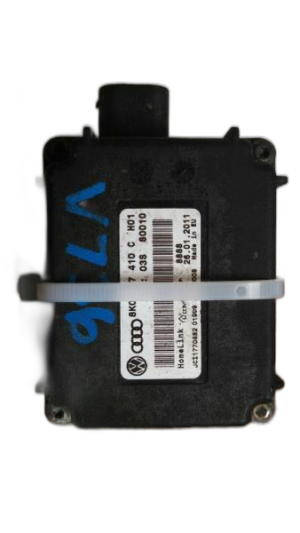
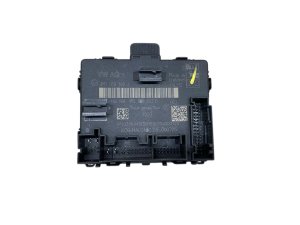
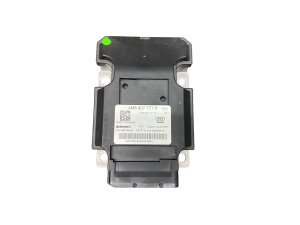
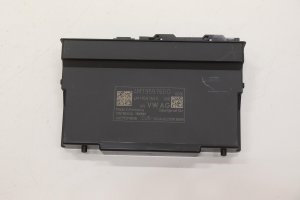
OEM Part Numbers: 4M0035504 4N0-035-456 4N0035456 4N0035456A 95B035773A 95B035773A1E0 95B907245 8W0907063CG 8W0907063BG 4F0907279
In VAG vehicles, the Body Control Module system is typically split. The J519 (BCM1 or Central Electrics Module) is located under the dashboard. The J393 (BCM2 or Comfort System Central Control Module) is located in the rear of the vehicle, often in the trunk on the driver's side. Both modules are integral to the vehicle's CAN bus network and are subject to Component Protection.
We Have This Part in Stock

The information in this article is provided for general reference and educational purposes only. Vehicle specifications, procedures, and part compatibility can vary by production date, trim level, and region. Always consult your vehicle's factory service manual and verify part numbers before purchasing or performing repairs. Safety-critical components such as airbags, seat belts, and braking systems should be installed by a qualified professional.
- Audi Q7:
- Audi Q5:
- Audi A4:
- Audi A5:
- Audi Q8:
- Porsche Macan:
- Audi A8:
- 🎬 Helpful Videos
- 🛍️ Shop This Part
- Understanding Body Control Module Failures
- Common Failure Modes
- Symptoms of a Failing Body Control Module
- Known Issues, TSBs, and Recalls
- Buying a Used Body Control Module
- 1. Component Protection
- 2. Immobilizer and Key Programming
- 3. Matching Part Numbers
- 4. Inspection and Sourcing
- Programming and Installation
- Cost Breakdown
- Frequently Asked Questions (FAQ)
- 🎟️ Get 5% Off