

2001-2002 Chrysler 300M, Concorde & Intrepid Body Control Module: A Guide to Symptoms and Replacement
Electrical chaos in your Chrysler 300M, Concorde, or Dodge Intrepid? This guide covers the common symptoms of a failing Body Control Module and the critical programming requirements for replacement.
- A replacement Body Control Module MUST be programmed to your vehicle's VIN to function.
- Symptoms of failure are typically widespread electrical issues, like flickering lights, dead battery, and non-working accessories.
- Before buying a used BCM, confirm you have a local shop that is willing and able to program it.
- Always match the part number from your original module exactly; do not rely on vehicle model and year alone.
Symptoms of a Failing Body Control Module
When a BCM begins to fail, it can cause a wide range of strange and seemingly unrelated electrical problems. Because the BCM controls so many different systems, you might notice issues in multiple areas at once. These problems are often intermittent at first, making them difficult to diagnose.
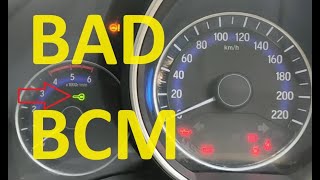
🎬 Watch: Common symptoms of a failing Body Control Module- Erratic Interior and Exterior Lights: Headlights, taillights, or interior lights may flicker, stay on when the car is off, or not turn on at all.
- Power Accessory Malfunctions: Power windows, door locks, and power mirrors may stop working or operate on their own. The remote keyless entry fob may become unresponsive.
- Instrument Cluster Problems: The dashboard gauges might behave erratically or go completely blank. You may also see multiple warning lights illuminate for no apparent reason.
- Climate Control Issues: The air conditioning or heater may not respond to controls, or the blower fan might run intermittently.
- Security System and Starting Problems: The factory alarm may go off randomly, or the vehicle's immobilizer may prevent the car from starting. This can manifest as a no-crank or a crank-but-no-start condition.
- Parasitic Battery Drain: A faulty BCM can fail to shut down a circuit, causing a slow drain on the battery that leaves you with a dead battery after the car sits for a while.
- Communication Codes: A professional scan tool may show 'U' codes, such as U0140 (Lost Communication With Body Control Module), indicating a network problem.
Buying a Used Body Control Module: What You MUST Know
Replacing the BCM in your 2001-2002 Chrysler 300M, 2002 Chrysler Concorde, or 2002 Dodge Intrepid is not a simple plug-and-play repair. Programming is required, which makes buying a used module complex.
Warning: A BCM from another vehicle will NOT work correctly if you simply install it. The module contains vehicle-specific information, including the Vehicle Identification Number (VIN) and data related to the anti-theft system.
- Match the Part Number EXACTLY: The most critical step is to physically remove your original BCM and match the OEM part number on its label to the used part you intend to buy. Do not rely on vehicle year and model alone. Different part numbers exist for different options and are not interchangeable.
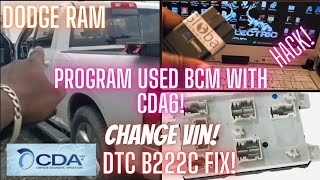
- Plan for Programming: A used BCM must be reprogrammed to your car's VIN and configured for its specific options (like keyless entry, security system, etc.). This is not a DIY job for most mechanics. It requires specialized dealer-level scan tools (like the Chrysler MDS2) or high-end aftermarket equipment. 🎬 Watch: How to program a used BCM and change VINs
- Find a Capable Shop First: Before you even buy the part, call local dealerships or specialized independent auto electronics shops. Ask them if they are willing and able to program a used BCM for your specific vehicle. Many shops will only program new parts that they supply. Confirming you have a programmer lined up will save you a major headache.
- Inspect for Damage: When buying a used module, check the connectors for any signs of corrosion, bent pins, or heat damage. Avoid any units that show signs of water intrusion, which is a common cause of failure.
Known Issues, TSBs, and Recalls
While no specific recalls target the BCM for these models, one Technical Service Bulletin (TSB) highlights the need for programming.
- TSB 08-022-02 (2002-2003 Dodge Intrepid Police Vehicles): This bulletin addresses police vehicles with a special "stealth mode" lighting feature. It explicitly states that if the BCM is replaced, the new module must be flash programmed to enable these functions. While this TSB is for a specific trim, it confirms that BCMs on this platform are programmable and require software configuration upon replacement.
Cost of Replacement
The cost can vary significantly based on the part source and labor rates. Diagnosis is a key first step, as many BCM-like symptoms can be caused by simpler issues like bad grounds or fuses.
| Item | Estimated Cost |
|---|---|
| Diagnostic Check | $50 - $150 |
| New OEM BCM | $400 - $600+ (if available) |
| Remanufactured BCM | $150 - $400 |
| Used OEM BCM | $50 - $150 |
| Shop Labor (Installation & Programming) | $100 - $300 |
Pro Tip: Given the low cost of used BCMs, they can be a budget-friendly option, but ONLY if you factor in the cost and hassle of programming. A remanufactured unit from a reputable supplier like Cardone may offer a better balance of cost and reliability.
Frequently Asked Questions (FAQ)
Do I have to get my new Body Control Module programmed?
Yes, absolutely. A replacement BCM, whether new, used, or remanufactured, must be programmed to your vehicle's VIN. It also needs to be configured for your car's specific features. Failure to do so will result in features not working and may even prevent the car from starting due to the anti-theft system.
Can I replace the BCM myself?
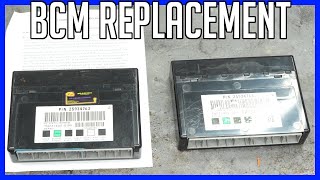
Physically swapping the module is often straightforward for a DIY mechanic. It is typically located under the dashboard on the driver's side, secured with a few bolts and electrical connectors. 🎬 See this walkthrough on how to replace a BCM However, the final, mandatory step is programming, which requires expensive, specialized tools that most DIYers do not have.
My car has the part numbers 04602406AA, 04602406AB, or 4602406AA. Is this my BCM?
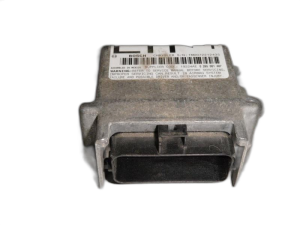
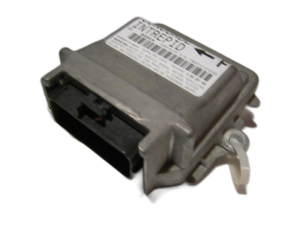
There is conflicting information about these part numbers. Some online listings identify 04602406AA as an Occupant Safety Restraint (Airbag) Control Module, not a Body Control Module. It is absolutely critical to verify the part number printed on your vehicle's original BCM before ordering a replacement. Do not rely on database information alone.
What's the difference between a BCM and an ECM/PCM?
The Body Control Module (BCM) manages body electronics like lights, windows, and locks. The Engine Control Module (ECM) or Powertrain Control Module (PCM) is the 'brain' of the engine, controlling fuel injection, ignition timing, and emissions systems. They are separate computers that communicate with each other, but a bad BCM will not usually cause poor engine performance, and a bad ECM will not cause your power windows to fail.
Helpful Videos
Technical Specifications
OEM Part Numbers: 04602406AA 04602406AB 4602406AA 04602410AG P04602410AL
The BCM is located under the driver's side dashboard. It requires programming with a Chrysler-compatible diagnostic tool (like MDS2) after installation.
We Have This Part in Stock

The information in this article is provided for general reference and educational purposes only. Vehicle specifications, procedures, and part compatibility can vary by production date, trim level, and region. Always consult your vehicle's factory service manual and verify part numbers before purchasing or performing repairs. Safety-critical components such as airbags, seat belts, and braking systems should be installed by a qualified professional.
- Chrysler Concorde:
- Dodge Intrepid:
- Chrysler 300M: