

1999 Chrysler Concorde, Intrepid, LHS & 300M Body Control Module: A Guide to Failures and Programming
This guide covers the common electrical failures, symptoms, and critical programming requirements for the Body Control Module in 1999 Chrysler Concorde, Dodge Intrepid, Chrysler LHS, and Chrysler 300M models.
- A replacement Body Control Module MUST be programmed to the vehicle by a dealer or a properly equipped shop; it is not a plug-and-play part.
- Failure to program the BCM will likely trigger the anti-theft system and cause a no-start condition.
- Common symptoms of failure are strange and widespread electrical problems, like flickering lights, dead gauges, and malfunctioning power accessories.
- When buying a used BCM, you must match the OEM part number exactly. Do not rely on vehicle model alone.
Symptoms of a Failing Body Control Module
A failing BCM on a 1999 Chrysler Concorde, Dodge Intrepid, Chrysler LHS, or Chrysler 300M often leads to a variety of confusing electrical issues. Because the BCM controls so many different systems, symptoms can be widespread and intermittent. You might notice one or several of the following problems:
- Erratic Interior/Exterior Lights: Headlights, taillights, or interior lights may flicker, stay on when they should be off, or not turn on at all.
- Malfunctioning Power Accessories: Power windows, door locks, and mirrors may work intermittently or stop responding completely.
- Instrument Cluster Problems: Gauges on the dashboard (like the speedometer or fuel gauge) may behave erratically, drop to zero, or stop working entirely. Warning lights might illuminate for no reason.
- Security System and Starting Issues: The factory alarm may go off randomly, or the keyless entry may fail. In some cases, a faulty BCM can interfere with the Sentry Key Immobilizer System (SKIS), preventing the car from starting.
- Unexplained Battery Drain: A faulty BCM can fail to shut down certain circuits, leading to a parasitic draw that drains the battery overnight.
- Windshield Wiper Problems: Wipers may not turn on, may get stuck in one position, or may activate on their own.
A technician with a professional scan tool can look for specific Diagnostic Trouble Codes (DTCs) related to the BCM. Common codes may include communication errors (U-codes) or body-specific faults (B-codes). A code like P1695 (No BCM Bus Messages) can also point to a BCM communication problem.
Known Issues, TSBs, and Recalls
For the 1999 model year, there are no specific recalls or Technical Service Bulletins (TSBs) that directly target the Body Control Module itself for these vehicles. However, several TSBs and owner complaints from the era mention electrical issues that could be related to a failing BCM. For example, TSB #0803100 for the 1999 Chrysler LHS addresses an issue where a power window sticks in the up position, a function controlled by the BCM. Additionally, NHTSA complaints for the 1999 Chrysler LHS describe incidents where all dashboard gauges stopped working and the driver's seat began moving on its own, which are classic symptoms of BCM failure. There were also recalls for issues like seat back recliners and ignition-park interlocks, but these are separate mechanical systems not directly tied to BCM failure.
Warning: A used BCM must be programmed to your vehicle by a dealer or a properly equipped independent shop. Failure to do so will likely result in a no-start condition due to the anti-theft system.
Buying a Used Body Control Module
Purchasing a used BCM can be a cost-effective solution, but it requires careful attention to detail. Since these vehicles are from the same platform, the modules are often interchangeable, but the part number is the most critical factor.
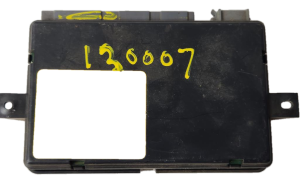
- Match the Part Number Exactly: The most important step is to match the OEM part number on your original BCM with the used unit. The vetted part numbers for these vehicles include 04606936AC and 04606936AD. Other compatible numbers may exist. Do not rely on the vehicle model alone.
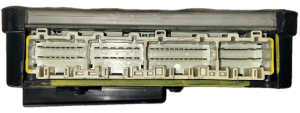
- Inspect for Damage: When you receive the used module, inspect the case and connectors for any signs of corrosion, water damage, or physical trauma. These can indicate a pre-existing problem.
- Understand the Total Cost: The price of the used module is only part of the total cost. You MUST factor in the expense of having it professionally programmed to your vehicle.
- Why Used OEM is Often Better: For a critical component like the BCM, a used Original Equipment (OEM) part is often more reliable than a new, cheap aftermarket unit. OEM modules are built to the manufacturer's exact specifications for durability and performance.
Replacement Location and Procedure
The Body Control Module in the 1999 Concorde, Intrepid, LHS, and 300M is located inside the passenger compartment, under the driver's side of the dashboard. It is attached to the back of the interior fuse box, also known as the Junction Block.
- Disconnect the Battery: Always disconnect the negative battery terminal before beginning any work on the vehicle's electrical system.
- Access the Module: Remove the lower dashboard trim panel and knee blocker reinforcement under the steering column to gain access to the Junction Block.
- Remove the Junction Block: Unbolt the Junction Block assembly from its mounting bracket on the dash panel.
- Disconnect and Separate: Disconnect the wire connectors from the BCM. Remove the screws holding the BCM to the Junction Block, then slide the BCM off the Junction Block.
- Installation: Installation is the reverse of removal. Attach the new BCM to the Junction Block, secure the assembly, reconnect all wiring, and re-install the trim panels before reconnecting the battery.
Required Programming After Installation
This is the most critical step of the replacement process. A replacement BCM, whether new or used, will not work correctly by simply plugging it in. It must be programmed to your specific vehicle.
- Anti-Theft System (SKIS): The BCM is a key part of the Sentry Key Immobilizer System (SKIS). The module stores vehicle-specific security information and must be synchronized with your vehicle's Powertrain Control Module (PCM) and programmed transponder keys. If this is not done, the engine will likely start and then immediately stall, or not crank at all.
- Vehicle Options: The BCM must also be configured for the specific options on your car, such as keyless entry, the type of lighting, and other power accessories.
- Who Can Program It?: This programming requires a specialized diagnostic tool. For these vehicles, it was originally the dealership's DRB III scan tool. 🎬 Watch: How to program the SKIM module using a DRB III tool. While some advanced automotive locksmiths or independent repair shops may have tools that can perform this function, a trip to a Chrysler/Dodge dealership is the most certain way to ensure it is done correctly. Do-it-yourself programming is not an option for the BCM itself. Some mail-in services offer to 'clone' your original BCM's data to a replacement unit, which can make the new part plug-and-play.
Cost Comparison
| Part Type | Estimated Cost |
|---|---|
| New OEM | $750+ (if available) |
| New Aftermarket | $300 - $500 |
| Remanufactured | $200 - $400 |
| Used OEM | $50 - $150 |
| Shop Labor (Programming) | $100 - $250 |
Frequently Asked Questions (FAQ)
Can I drive my car with a failing Body Control Module?
It depends on the symptoms. If the failure affects critical systems like headlights or causes the engine to stall, it is not safe to drive. If the issues are minor, like malfunctioning power windows, you may be able to drive it to a repair shop, but be aware that symptoms can worsen unexpectedly.
Does the mileage need to match when buying a used BCM?
While the BCM does communicate with other modules, the vehicle's mileage is primarily stored in the instrument cluster and/or the PCM on these models. The critical step is programming the replacement BCM to the vehicle's VIN and security system, not matching the mileage from the donor car.
Can a locksmith program a 1999 Chrysler BCM?
Some specialized automotive locksmiths have the advanced tools and software needed to program Chrysler BCMs, especially for key-related functions. However, not all do. It is essential to call ahead and confirm they have the capability for a 1999 model year Chrysler vehicle before assuming they can do the job. A dealership is the most reliable option.
Will disconnecting the battery reset a faulty BCM?
Disconnecting the battery for an extended period or touching the disconnected cable ends together can sometimes perform a 'hard reset' that temporarily clears glitches or error data stored in the BCM's memory. However, this will not fix an internal hardware failure like a bad solder joint or failed component. If the problems return shortly after, the module itself is likely faulty and needs replacement.
Helpful Videos

Technical Specifications
OEM Part Numbers: 04606936AC 04606936AD 4606936 4606936AD P04602282AH P04602282AG P04602282AF
The BCM is located under the driver's side dashboard, attached to the interior fuse panel (Junction Block).
We Have This Part in Stock

The information in this article is provided for general reference and educational purposes only. Vehicle specifications, procedures, and part compatibility can vary by production date, trim level, and region. Always consult your vehicle's factory service manual and verify part numbers before purchasing or performing repairs. Safety-critical components such as airbags, seat belts, and braking systems should be installed by a qualified professional.
- Chrysler Concorde:
- Dodge Intrepid:
- Chrysler LHS:
- Chrysler 300M: