

1999 Chrysler LHS & 300M Body Control Module: Fixing Electrical Gremlins and Programming Secrets
A complete guide to diagnosing, replacing, and understanding the critical programming requirements for the BCM in your 1999 Chrysler LHS or 300M.
- A replacement BCM MUST be programmed by a dealer or specialist with a Chrysler DRB III tool.
- It is NOT a plug-and-play part due to its link with the vehicle's anti-theft and immobilizer system.
- When buying a used BCM, you must match the part number exactly to your original module.
- Common failure symptoms include erratic lights, non-working power accessories, battery drain, and no-start conditions.
- New OEM and aftermarket BCMs are generally not available; used or remanufactured are the primary options.
Symptoms of a Failing BCM
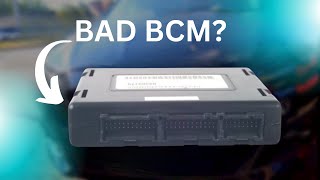
A bad Body Control Module in a 1999 Chrysler LHS or 300M can create a host of frustrating electrical issues. Because the BCM controls so many different systems, symptoms can be varied and intermittent, often making diagnosis tricky. Look for these common signs:
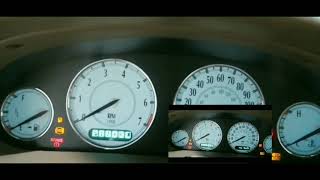
🎬 Watch: A visual guide to common body control module symptoms- Erratic Interior and Exterior Lights: Headlights or interior dome lights may flicker, stay on and drain the battery, or refuse to turn on at all.
- Power Accessory Malfunctions: Power windows, door locks, or power mirrors may stop working, work sporadically, or operate on their own.
- Security System and Starting Issues: The factory alarm may go off randomly, or the Sentry Key Immobilizer system may fail to recognize your key, preventing the car from starting. 🎬 Watch: Troubleshooting a 1999 Chrysler that clicks but won't start This is a major symptom pointing to BCM failure.
- Dashboard and Gauge Cluster Problems: Warning lights may illuminate for no reason, or the entire instrument cluster may intermittently go blank while driving.
- Persistent Battery Drain: A faulty BCM can fail to shut down certain circuits when the car is off, leading to a parasitic draw that drains the battery overnight.
- Windshield Wiper Problems: Wipers may not turn on, may stop in the middle of the windshield, or may not return to their parked position.
These symptoms can point to a BCM that has failed due to age, moisture intrusion, or internal electronic faults like cracked solder joints.
Associated Diagnostic Trouble Codes (DTCs)
A professional scan tool that can read Chrysler-specific body codes is needed for proper diagnosis. While a generic code reader may not see them, a failing BCM can set codes such as:
- P1695: No CCD message received from body control module.
- P1681: No I/P Cluster CCD/J1850 messages received.
- P1684: Battery disconnected during last 50 starts (often a side effect of dealing with a battery drain caused by the BCM).
Programming and Immobilizer Requirements
Warning: A replacement Body Control Module for a 1999 Chrysler LHS or 300M MUST be programmed to the vehicle. This is not a plug-and-play part.
This is the single most important fact to understand before buying or replacing this module. These vehicles use Chrysler's Sentry Key Immobilizer System (SKIS) and Vehicle Theft Security System (VTSS), which are managed by the BCM.
When a BCM is replaced, the new module must be programmed with the vehicle's correct VIN and security information (known as the 'secret key'). If this is not done, one of two things will happen:
- The vehicle will not start at all.
- The engine will start and then stall after a few seconds.
This programming requires a dealership-level scan tool from that era, specifically the Chrysler DRB III. Most independent shops, and virtually all DIY mechanics, do not have this tool. Therefore, you have two primary options for a successful replacement:
- Dealer Programming: Have a Chrysler dealership install and program the new module. This is the most straightforward but often most expensive option.
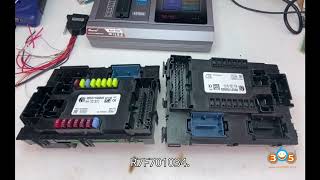
- Cloning Service: Send your original BCM and a compatible used replacement to a specialist service that can 'clone' the data. They will copy the VIN and security programming from your old module to the replacement, making the replacement plug-and-play when you receive it back. 🎬 See how professional cloning services prepare your replacement module
Buying a Used Body Control Module
Given the age of these vehicles, a used OEM module is often the only available and affordable option. New OEM modules are typically discontinued, and new aftermarket units are not manufactured. Here’s what you need to know before buying used:
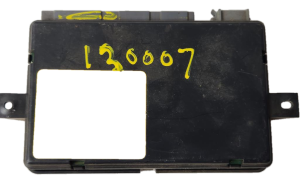
- Match the Part Number EXACTLY: The most critical step is to match the OEM part number on your original BCM to the replacement unit. The primary part numbers are 04602350AC, 4602350AB, and 4602350. While 'AC' is a later revision of 'AB', subtle internal differences can exist. To guarantee compatibility, do not deviate from the number printed on your original module.
- Factor in Programming Costs: Remember that a used BCM is not a simple swap. The money you save on the part will need to be allocated to either dealer programming or a cloning service. A $50 used BCM that costs $300 to program is a $350 part.
- Inspect for Physical Damage: When you receive the used module, check for signs of water damage, corrosion on the pins, or evidence that the case has been opened. These are red flags.
- Why Used OEM is Your Best Bet: For complex electronics like a BCM, a used original factory part is almost always superior to a non-existent or low-quality aftermarket alternative. The OEM module was designed specifically for your vehicle's systems.
Cost to Replace the Body Control Module
Costs can vary, but here is a general breakdown for the 1999 LHS and 300M. Note that new parts are generally not available.
| Item | Estimated Cost |
|---|---|
| New OEM | $550 - $700+ (Largely unavailable/discontinued) |
| New Aftermarket | Not Available |
| Remanufactured OEM | $150 - $400 |
| Used OEM | $50 - $150 |
| Shop Labor (Physical Replacement) | $100 - $200 |
| Shop Labor (Programming Only) | $100 - $300 |
| Total Estimated Cost (Used/Reman Part + Pro Install) | $300 - $900 |
Replacement Procedure Overview
The BCM is located on the driver's side, under the dashboard, and is attached to the main interior fuse box (Junction Block). While the physical replacement is feasible for a DIYer with moderate skills, it requires working in a tight space.
Pro Tip: Before starting any work, disconnect the negative terminal of the battery to prevent electrical shorts.
- Disconnect the negative battery cable.
- Remove the lower instrument panel trim and knee bolster panel below the steering column to gain access.
- Unscrew the Junction Block/BCM assembly from its mounting points.
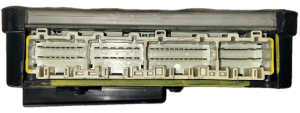
- Carefully disconnect all the wiring harness connectors from the back of the assembly.
- Once removed, the BCM can be separated from the Junction Block.
- Installation is the reverse of removal. Remember, the vehicle will not start or run correctly until the replacement BCM is programmed.
Frequently Asked Questions (FAQ)
Do I have to take my car to the dealer to replace the BCM?
Unless you are using a pre-cloned module, yes. A dealer or a specialist with a Chrysler DRB III scan tool is required to program the replacement BCM to your vehicle's VIN and security system.
Can I drive my car with a bad BCM?
It depends on the symptoms. If the issue is limited to malfunctioning lights or windows, it may be drivable but could be unsafe or lead to a dead battery. If the BCM failure affects the security system and prevents the car from starting, it is not drivable.
Will my car start if I just swap in a used BCM?
No. The BCM is tied to the anti-theft system. A non-programmed BCM will prevent the engine from running, either by not cranking at all or by starting and immediately stalling.
Where is the BCM located on a 1999 Chrysler LHS or 300M?
The Body Control Module is located under the driver's side of the dashboard. It is physically attached to the back of the interior fuse panel, also known as the Junction Block.
Helpful Videos


Technical Specifications
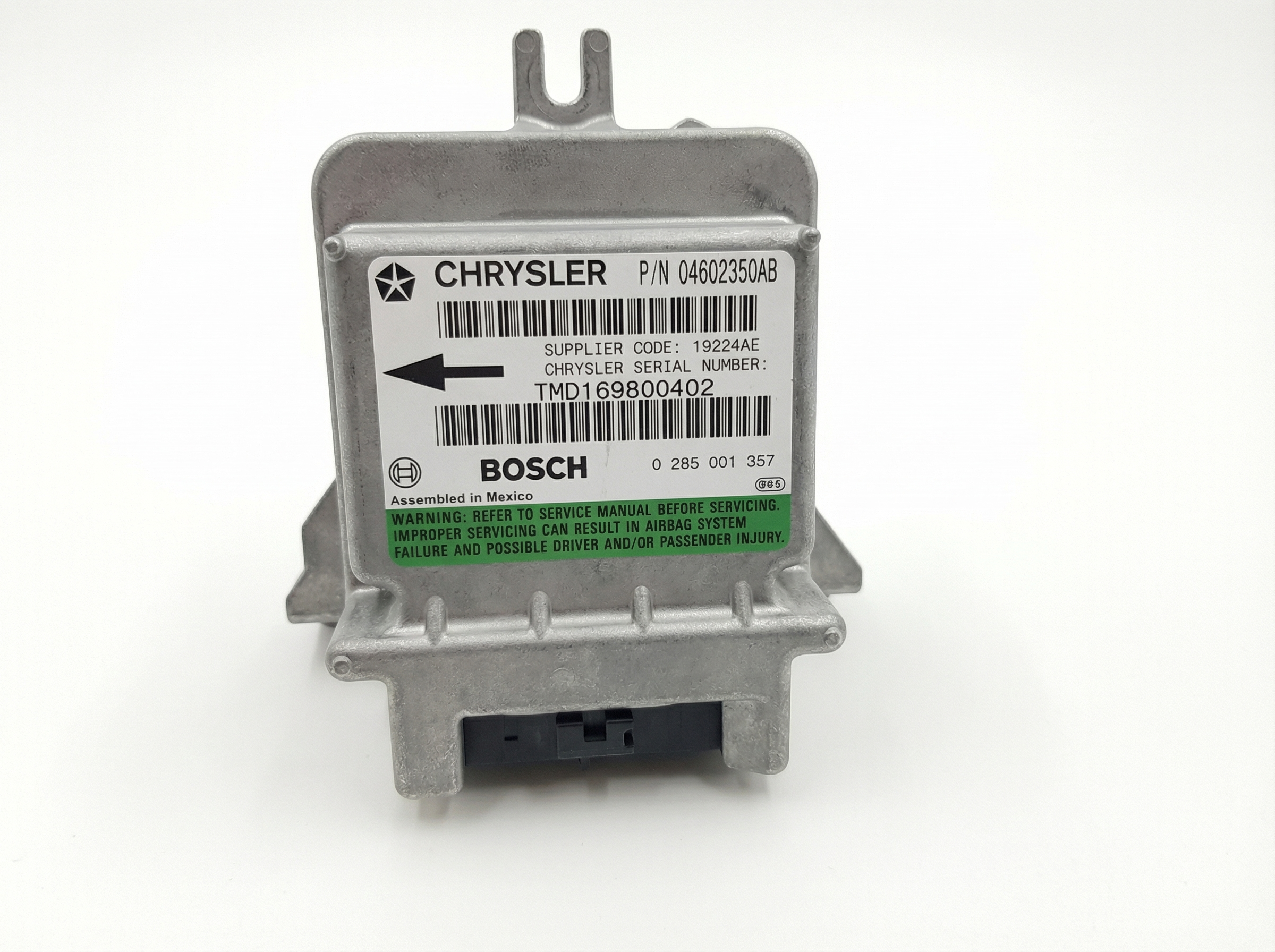
OEM Part Numbers: 04602350AC 4602350AB 4602350
Communicates via Chrysler Collision Detection (CCD) Bus. Integrated with Sentry Key Immobilizer System (SKIS).
We Have This Part in Stock

The information in this article is provided for general reference and educational purposes only. Vehicle specifications, procedures, and part compatibility can vary by production date, trim level, and region. Always consult your vehicle's factory service manual and verify part numbers before purchasing or performing repairs. Safety-critical components such as airbags, seat belts, and braking systems should be installed by a qualified professional.
- Chrysler LHS:
- Chrysler 300M: