

2010-2012 Dodge Caliber BCM: Your Guide to Fixing Electrical Faults & Programming a Replacement
Learn to diagnose common Body Control Module failures, understand mandatory programming, and choose the right used part to stop the electrical chaos in your Caliber.
- Programming is mandatory for any replacement BCM (new or used) to match your car's VIN and anti-theft system.
- Water damage from clogged sunroof drains or leaking windshield seals is a primary cause of BCM failure in the Dodge Caliber.
- You must match the part number exactly AND ensure the donor module comes from a vehicle with the same options (e.g., seat airbags).
- The most common diagnostic code associated with a failed BCM is U0141 (Lost Communication with Body Control Module).
Symptoms of a Failing 2010-2012 Dodge Caliber BCM

A failing Body Control Module often creates a host of strange and seemingly unrelated electrical problems. Because the BCM controls so many different systems, its failure can be confusing to diagnose. One of the most definitive signs is the presence of communication-related Diagnostic Trouble Codes (DTCs).
- Erratic Electronics: One of the most common signs is the unpredictable behavior of accessories. This can include power windows that won't go up or down, door locks that don't respond, a horn that honks randomly, or windshield wipers that activate on their own.
- Dashboard Warning Lights: A faulty BCM can cause multiple, unrelated warning lights to illuminate on the instrument cluster, sometimes all at once, resembling a 'Christmas tree'. You might see warnings for systems that are mechanically fine.
- Starting Issues or No-Start Condition: The BCM is a key part of the vehicle's anti-theft and immobilizer system. If it fails, it may not recognize your key's transponder chip, preventing the engine from starting even if the battery and starter are good.
- Persistent Battery Drain: A classic symptom is a parasitic draw that drains the battery when the car is turned off. This happens when the BCM fails to properly shut down a circuit, causing a component to draw power continuously.
- Communication Fault Codes: A professional scan tool will often reveal specific codes. The most common code pointing to a BCM issue is U0141 (Lost Communication With Body Control Module). This code means other modules on the vehicle's network cannot get a signal from the BCM.
Common Causes of BCM Failure in the Dodge Caliber


While any electronic component can fail with age, the BCM in the Dodge Caliber is particularly susceptible to environmental factors.
Water Intrusion
The most frequently cited cause of BCM failure in these vehicles is water damage. The BCM is located inside the cabin, under the dashboard, but water can find its way in. Common leak points include:
- Clogged or Disconnected Sunroof Drains: This is a well-documented issue on the Caliber. The drain tubes can get clogged with debris or the grommets can fail, causing water to overflow and drip down behind the dash directly onto electronic modules.
- Leaking Windshield Seals: An old or improperly installed windshield seal can allow rainwater to seep into the dashboard area.
When water reaches the BCM, it causes corrosion on the circuit board and connector pins, leading to short circuits and eventual failure. If you are replacing a BCM, it is critical to find and fix the source of any water leak first.
Pro Tip: Before installing a replacement BCM, thoroughly inspect the driver's side footwell and the area behind the dashboard for any signs of moisture, water stains, or rust. If you find evidence of a leak, test the sunroof drains by slowly 🎬 Watch: How to unclog your sunroof drains to prevent leaks pouring water into the sunroof tray and ensuring it exits under the car, not inside it.
Programming and Installation: This is NOT Plug-and-Play

A replacement Body Control Module—whether it is new, used, or remanufactured—MUST be programmed to your specific vehicle. You cannot simply swap the part and expect it to work. The BCM is tied to the vehicle's Vehicle Identification Number (VIN) and the anti-theft system (immobilizer). Failure to program the module will result in a VIN mismatch, which can cause a no-start condition and render many electronic features inoperable.
Programming Options:
- Dealer Programming: A Chrysler/Dodge dealership can program a new or used BCM to your vehicle using their proprietary diagnostic tools. This is the most direct but often the most expensive route.
- Automotive Locksmith: Many professional automotive locksmiths have advanced scan tools and software capable of programming BCMs, keys, and immobilizer systems for various makes, including Dodge. This can be a more affordable and convenient option than a dealer.
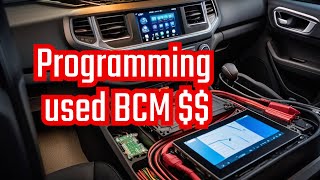
- Mail-in Cloning/Programming Service: Several companies specialize in programming modules. You can mail them your original (even if faulty) BCM and a compatible used donor module. They will clone the critical data (VIN, key codes, option configuration) from your old module to the new one, making the replacement truly plug-and-play 🎬 See how a professional clones and programs a BCM when you get it back.
Warning: The BCM must be configured for the specific options on your Caliber. The initial buyer warning regarding models with front seat mounted airbags is a perfect example. If you install a BCM from a car without this option, your airbag system may not function correctly. The part number must match, and the programming must reflect your vehicle's exact feature set.
Buying a Used Body Control Module for Your Caliber

Purchasing a used OEM Body Control Module is a cost-effective solution, provided you follow these critical steps:
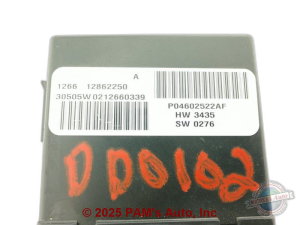
- Match the Part Number Exactly: The part number on the replacement module must be identical to your original. The provided OEM numbers (56054200AC, 56054200AD, etc.) often supersede each other, but it's safest to match the number precisely.
- Verify Vehicle Options: If possible, get the VIN of the donor vehicle. This allows you to check if it had the same options as your car (e.g., front seat airbags, sunroof, security system). A mismatch in options can cause features to work incorrectly or not at all, even after VIN programming.
- Inspect for Physical Damage: Check the used module's connectors for any signs of corrosion (green or white crust), bent pins, or physical damage to the casing. Water damage is the #1 killer of these parts, so any sign of corrosion is a major red flag.
- Budget for Programming: Remember that the cost of the used part is not the final cost. Factor in the price of programming by a dealer, locksmith, or mail-in service. A $50 used BCM is useless without the additional $100-$250 for programming.
Cost Breakdown
Prices can vary significantly based on your location and the chosen service provider. The following are estimates to help you understand the value of different options.
| Part/Service | Estimated Cost |
|---|---|
| New OEM BCM (Part Only) | $400 - $600+ |
| New Aftermarket BCM (Part Only) | $150 - $350 |
| Used OEM BCM (Part Only) | $50 - $125 |
| Remanufactured BCM (Part Only) | $150 - $400 |
| Shop Labor (Physical Installation) | $100 - $200 |
| Programming Service (Dealer/Locksmith) | $125 - $250 |
Frequently Asked Questions (FAQ)
Does a used 2010-2012 Caliber BCM need to be programmed?
Yes, absolutely. All replacement BCMs, including used ones, must be programmed to your car's VIN and security system. A used module is locked to the donor car's information and will not work correctly without being reprogrammed.
Where is the Body Control Module located on a Dodge Caliber?
The BCM is typically located inside the vehicle, under the driver's side of the dashboard. It is often mounted to the firewall or near the steering column. It should not be confused with the Totally Integrated Power Module (TIPM), which is the main fuse and relay box located in the engine bay.
Can I drive my Caliber with a bad BCM?
It is not recommended. While the engine may still run, a failing BCM can cause unpredictable behavior of critical systems like headlights, taillights, and wipers. It can also cause the engine to stall or fail to start, potentially leaving you stranded.
What is the difference between the BCM and the TIPM?
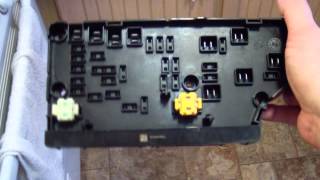
The BCM is the 'brain' for body electronics, making decisions based on inputs from switches and sensors. The Totally Integrated Power Module (TIPM) is primarily a power distribution center—essentially a smart fuse box that contains fuses, relays, and a circuit board to route power to various components, often taking commands from the BCM. On some Chrysler products, these are combined, but on the Caliber, they are generally separate units.
🎬 Watch: A look inside the TIPM to see how it differsHelpful Videos


Technical Specifications
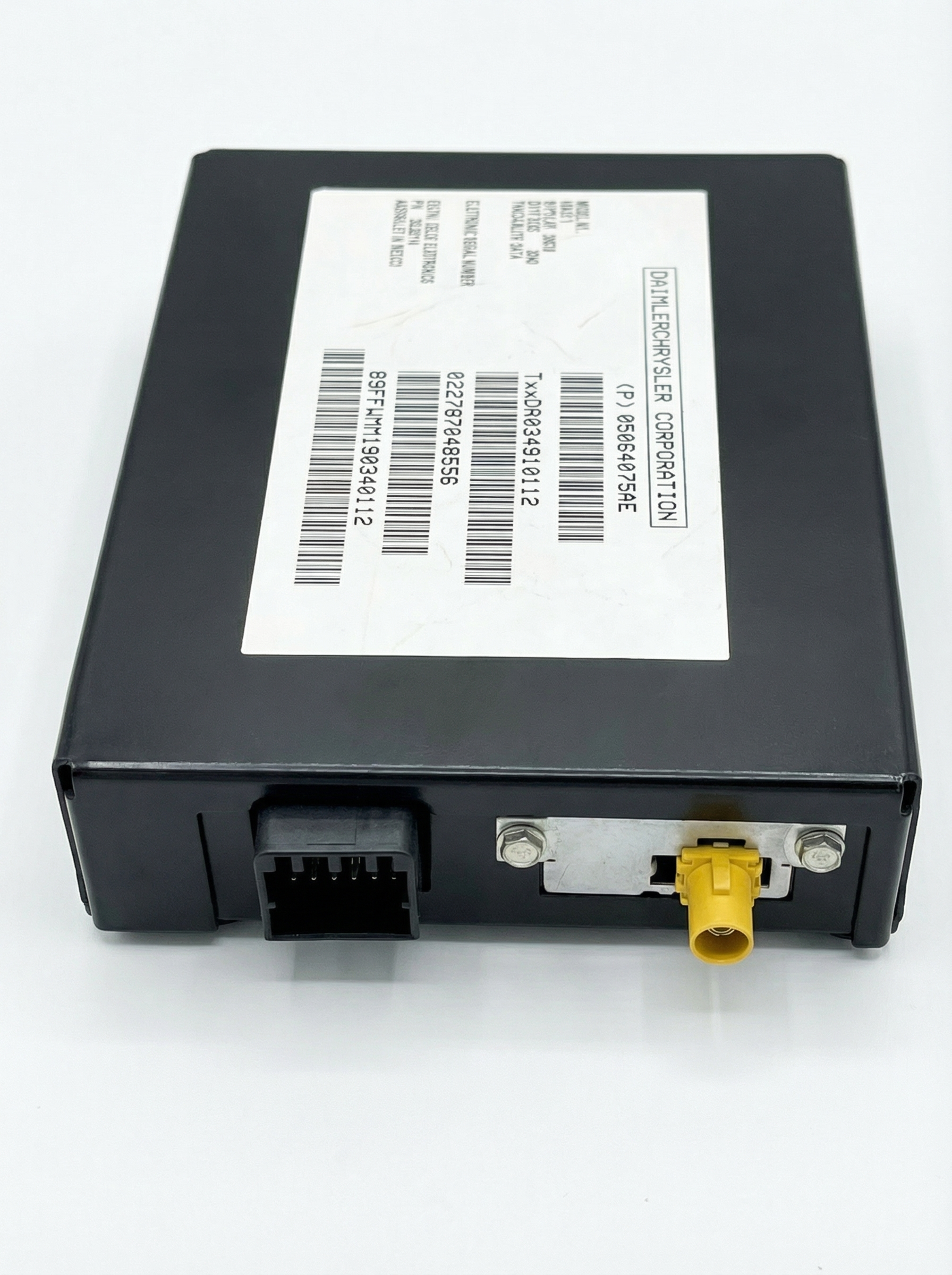
OEM Part Numbers: 56054200AC 56054200AD 56054200AE 56054200AF 56054200AG P56054200AF
Location: Interior, under driver's side dashboard. Communication Protocol: CAN Bus.
We Have This Part in Stock

The information in this article is provided for general reference and educational purposes only. Vehicle specifications, procedures, and part compatibility can vary by production date, trim level, and region. Always consult your vehicle's factory service manual and verify part numbers before purchasing or performing repairs. Safety-critical components such as airbags, seat belts, and braking systems should be installed by a qualified professional.
- Dodge Caliber:
- 🎬 Helpful Videos
- 🛍️ Shop This Part
- Symptoms of a Failing 2010-2012 Dodge Caliber BCM
- Common Causes of BCM Failure in the Dodge Caliber
- Water Intrusion
- Programming and Installation: This is NOT Plug-and-Play
- Programming Options:
- Buying a Used Body Control Module for Your Caliber
- Cost Breakdown
- Frequently Asked Questions (FAQ)
- 🎟️ Get 5% Off