

2011-2014 Charger & Chrysler 300 Body Control Module: A Guide to Programming, Symptoms, and Replacement
This guide covers common failures, critical programming requirements, and how to distinguish a bad BCM from a faulty alternator in your Dodge Charger or Chrysler 300.
- A replacement Body Control Module (BCM) MUST be programmed to your car's VIN and configuration to function.
- Symptoms of a failing 160-amp alternator (NHTSA Recall 14V-634) on 3.6L models can mimic BCM failure; check this first.
- When buying a used BCM, you must match the part number exactly and have a plan for programming, such as a dealer visit or a mail-in cloning service.
- Common failure symptoms include erratic lights and power accessories, parasitic battery drain, and no-start conditions related to the security system.
The #1 Thing to Know: This Module Requires Programming

Warning: You cannot simply swap a Body Control Module (BCM) in a 2011-2014 Dodge Charger or Chrysler 300. A replacement module, whether new or used, must be electronically programmed to your specific vehicle. Without programming, the car may not start, and numerous features will not work. The BCM stores critical information, including the Vehicle Identification Number (VIN) and data for the anti-theft immobilizer system.
When you install a different BCM, it must be configured by a dealer, a properly equipped independent shop, or through a mail-in cloning service. Attempting to install a used BCM without a plan for programming will result in a car that doesn't function correctly and may display a 'B222C - Vehicle Configuration Not Programmed' error code.
Symptoms of a Failing Body Control Module

A failing BCM often creates a host of strange and intermittent electrical problems. Because it controls so many different systems, symptoms can vary widely. Common signs include:
- Erratic Lights: Headlights, interior lights, or dash lights flickering, staying on, or not working at all.
- Power Accessory Failure: Power windows, door locks, or mirrors working intermittently or not at all.
- Security System Issues: The factory alarm may go off randomly, or the key fob may not be recognized, preventing the car from starting.
- Parasitic Battery Drain: The BCM may fail to let other modules 'sleep' when the car is off, causing the battery to die overnight.
- Dashboard Warning Lights: The instrument cluster may light up with multiple, unrelated warning lights.
- Communication Codes: A scan tool may show 'U' codes, such as U0140, indicating a loss of communication with the BCM.
Crucial First Step: Check for Alternator Recall 14V-634

Before you condemn the BCM, it is essential to check if your vehicle was affected by NHTSA recall 14V-634 (Chrysler recall P60). This major recall involved the 160-amp alternator on vehicles with the 3.6L V6 engine. The alternator could fail suddenly and without warning, causing a complete loss of electrical power while driving. The symptoms—stalling, loss of power steering, and multiple warning lights—can easily be mistaken for a catastrophic BCM failure. A dealer can check your VIN to see if the recall was performed. A simple voltage test of your charging system can also rule out a bad alternator.
Known Issues, Recalls, and TSBs
While the alternator recall is the most significant related issue, a few other electrical problems were noted for these vehicles:
- NHTSA Recall 12V-197000: Addressed an overheating power distribution center (fuse box) that could lead to a loss of ABS and Electronic Stability Control (ESC) function. The fix involved relocating a fuse.
- NHTSA Recall 14V-101: Related to the low-beam headlight wiring harness overheating and causing the headlights to fail.
- NHTSA Recall 17V-741000: A software issue that could prevent the cruise control from disengaging, fixed by a software update to the powertrain control module.
Body Control Module Location and Replacement

The BCM in the 2011-2014 Dodge Charger and Chrysler 300 is located under the driver's side dashboard, typically to the left of the steering column. It is often mounted high up and can be difficult to access, requiring work in a cramped space.
While the exact procedure can vary slightly by year and options, the general steps are:
- Disconnect the battery. This is a critical safety step for any electrical work.
- Remove the lower dash panels and knee bolster below the steering wheel to gain access.
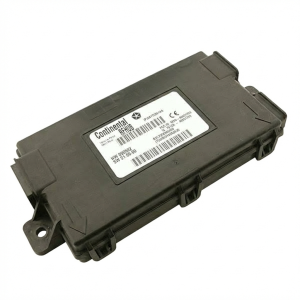
- Locate the BCM. It is a plastic box with multiple large electrical connectors.
- Carefully unplug all electrical connectors. Most have locking tabs that must be depressed or levers that must be swung to release them.
- Unbolt the module from its mounting bracket. It is typically held by 7mm or 10mm bolts or nuts.
- Installation is the reverse of removal.
Pro Tip: Take photos of the connector locations before unplugging them. While they are usually keyed to only fit in one spot, photos can be a helpful reference during reassembly.
Buying a Used Body Control Module
A used OEM module is a cost-effective alternative to a new part, but you must follow these steps to ensure it will work in your car.
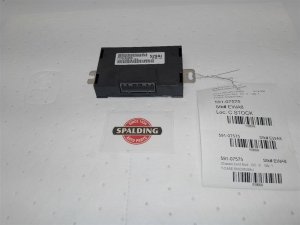
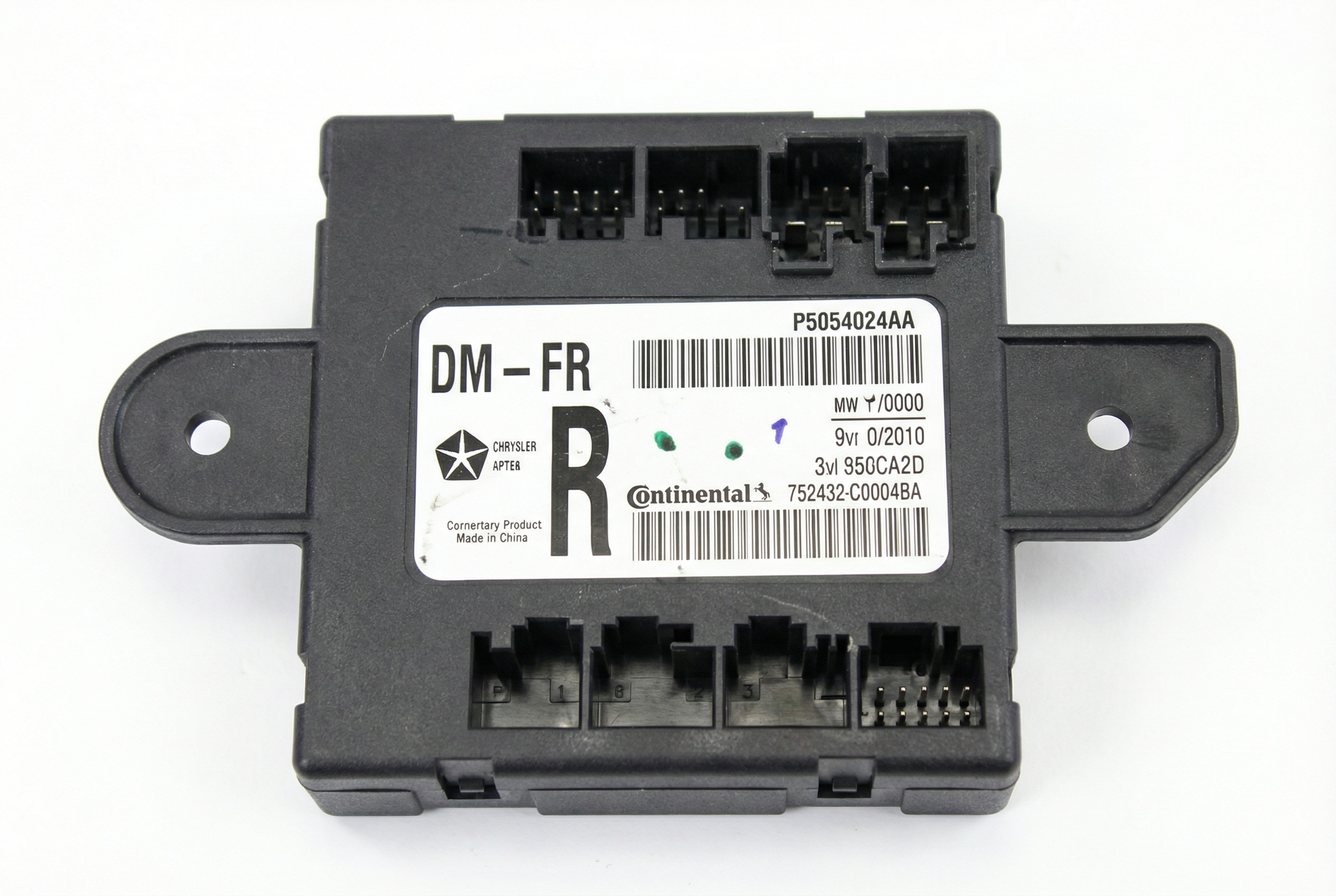
1. Match the Part Number EXACTLY. There are many different BCMs for this platform, with variations for trim level, powertrain, and options. A module from a V6 may not work in a V8. A module for a car without a sunroof won't operate the sunroof in your car. The part number is printed clearly on the module's label. Superseded part numbers are common, so verify compatibility if the number is not identical.
2. Understand the Police Package Difference. It is important to note that specific part numbers were for vehicles with the Police Package. While those part numbers were for the wrong module, the principle holds true. Police vehicles have unique features controlled by the BCM, and their modules are not directly interchangeable with civilian models without proper programming. Ensure the donor vehicle matches your car's package.
3. Choose Your Programming Path BEFORE You Buy.
- Dealer Programming: Any Chrysler, Dodge, or Jeep dealer can program a new or used BCM to your vehicle using their proprietary wiTECH software. This is the most straightforward but often most expensive option.
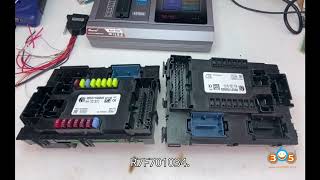
- Mail-in Cloning Service: Many companies offer a service where you mail in your original (faulty) BCM and the used one you purchased. They will copy the VIN, key data, and configuration from your old module to the new one. The returned module is then plug-and-play, requiring no further programming. This is often the best balance of cost and convenience for a DIY repair.
- Independent Shop / Automotive Locksmith: Some independent repair shops and specialized automotive locksmiths have the advanced scan tools (like Autel) and software subscriptions (like Chrysler's TechAuthority or CDA6) needed to program these modules. You will need to call around to find a shop with this specific capability.
Cost of Replacing a Body Control Module
Prices can vary significantly based on the part source and labor rates. Here are typical cost ranges:
| Part / Service | Estimated Cost |
|---|---|
| New OEM (Dealer) | $400 - $650 |
| New Aftermarket | $250 - $350 |
| Used OEM (Salvage) | $50 - $150 |
| Remanufactured / Programmed | $200 - $400 |
| Shop Labor (Installation) | $100 - $250 |
| Shop Labor (Programming) | $100 - $200 |
| Mail-in Cloning Service | $150 - $250 |
Common Part Numbers
This is not a complete list, but includes many of the common BCM part numbers for the 2011-2014 Dodge Charger and Chrysler 300. Always match the number from your original part.
- (P)04692275AM
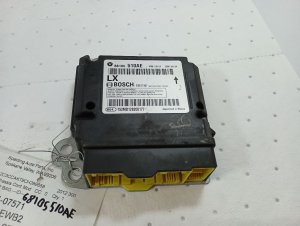
- 68105510AE, 68105510AD
- 68154472AB, 68154472AC
- 68154473AB, 68154473AC
- 68164872AC
- 68170747AB, 68170747AD
- 68226574AA, 68226574AB
- 68226575AA, 68226575AB
Frequently Asked Questions (FAQ)
Can I drive my Charger or 300 with a bad BCM?
Maybe, but it's not recommended. Depending on what functions have failed, it could be unsafe. If your headlights, wipers, or defroster are not working, you should not drive the vehicle in conditions that require them. If the BCM is causing a no-start condition or stalling, the vehicle is not drivable.
Will a BCM from a V8 work in my V6 (or vice-versa)?
No, not without being reprogrammed. The BCM is configured for the specific powertrain and options of the car it came from. You must match the part number and have the module programmed to your vehicle's configuration.
What is the difference between a BCM and a PCM?
The BCM (Body Control Module) handles body and interior electronics like lights, windows, and locks. The PCM (Powertrain Control Module) is the 'engine computer' that controls all engine and transmission functions to make the car go. They are separate computers that talk to each other.
Can a locksmith program a new BCM?
Some specialized automotive locksmiths can, but not all. Basic key-cutting locksmiths cannot. You need to find one that specifically offers advanced automotive module programming services for Chrysler vehicles. Always call and ask specifically if they can program a replacement BCM for your year and model.
Helpful Videos

Technical Specifications
OEM Part Numbers: 04692275AM 68105510AE 68105510AD 68154472AB 68154472AC 68154473AB 68154473AC 68164872AC 68170747AB 68170747AD 68226574AA 68226574AB 68226575AA 68226575AB
The BCM is located under the driver's side dashboard, to the left of the steering column. It functions as a gateway between the CAN-C (powertrain) and CAN-IHS (body) data buses.
We Have This Part in Stock

The information in this article is provided for general reference and educational purposes only. Vehicle specifications, procedures, and part compatibility can vary by production date, trim level, and region. Always consult your vehicle's factory service manual and verify part numbers before purchasing or performing repairs. Safety-critical components such as airbags, seat belts, and braking systems should be installed by a qualified professional.
- Dodge Charger:
- Chrysler 300:
- 🎬 Helpful Videos
- 🛍️ Shop This Part
- The #1 Thing to Know: This Module Requires Programming
- Symptoms of a Failing Body Control Module
- Crucial First Step: Check for Alternator Recall 14V-634
- Known Issues, Recalls, and TSBs
- Body Control Module Location and Replacement
- Buying a Used Body Control Module
- Cost of Replacing a Body Control Module
- Common Part Numbers
- Frequently Asked Questions (FAQ)
- 🎟️ Get 5% Off