

2018-2024 Dodge, Ram & Jeep BCM Failure: Programming, Symptoms & Replacement
This guide covers the common symptoms, programming requirements, and replacement challenges for the Body Control Module in many popular Dodge, Ram, and Jeep models.
- A replacement Body Control Module (BCM) is NOT plug-and-play; it MUST be programmed to your vehicle's VIN.
- Dealers will only program a brand-new BCM. A used BCM must be programmed by an independent specialist or a mail-in cloning service.
- Common symptoms of failure are erratic electronics, a dead battery from parasitic drain, and a no-start condition.
- In Jeep Wranglers and Gladiators, check for water damage, as the BCM is located in a vulnerable spot in the passenger footwell.
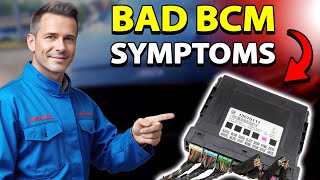
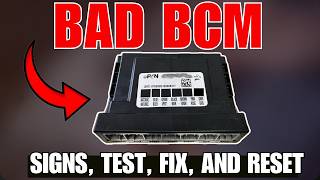
Symptoms of a Failing Body Control Module
A bad BCM can make your vehicle act possessed. The symptoms are almost always electrical and can seem completely unrelated to each other, making diagnosis tricky. Here are the most common signs that your BCM is failing:
🎬 Watch: 5 common BCM symptoms and how to check them yourself.- Erratic Electronics: This is the most common sign. Headlights, taillights, or interior lights may flicker, stay on when the vehicle is off, or not work at all. Power windows, door locks, and mirrors might work intermittently or stop responding completely.
- Dashboard Warning Lights: You might see a cluster of warning lights—like for the ABS, airbags, or traction control—turn on all at once for no apparent reason. These lights may come and go randomly.
- Parasitic Battery Drain: If your battery repeatedly dies overnight, a faulty BCM could be the cause. The module may fail to go into "sleep mode," keeping certain circuits active and draining the battery when the vehicle is parked.
- Starting Problems: The BCM is often tied into the vehicle's anti-theft or immobilizer system. If it fails, it may not recognize your key, preventing the engine from cranking or starting, even if the battery and starter are good. You might also see the security light stay on.
- Alarm and Key Fob Issues: The factory alarm might go off for no reason, or your key fob may suddenly stop locking or unlocking the doors.
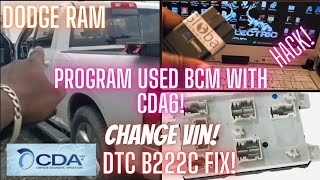
- OBD-II Communication Codes: A scan tool may show communication-related fault codes, with U0140 (Lost Communication with Body Control Module) being a very common indicator. Other codes like B222C (Configuration Not Programmed) can appear after a replacement attempt.
Vehicle-Specific Known Issues
While BCM failure can happen on any of these models, some have unique vulnerabilities:
- Jeep Wrangler (JL) & Gladiator (JT): The BCM in these vehicles is located in the passenger footwell area. This makes it susceptible to water damage from leaks or after off-roading through deep water. Owners have also reported widespread electrical issues caused by faulty CAN bus connectors behind the glove box, which can mimic BCM failure.
- Ram 1500/2500/3500: Some owners have reported BCM issues after having their windshields tinted, suggesting that water dripping down into the dash area during the process can damage the module.
Pro Tip: Before condemning the BCM, always check the basics first. Ensure the battery is fully charged and the terminals are clean and tight. Inspect all related fuses and check the BCM's ground connection for corrosion or looseness. Sometimes, simply disconnecting the battery cables and touching them together for a few moments can reset the BCM and clear temporary glitches on these vehicles.
Buying a Used Body Control Module
Given the high cost of a new OEM module, a used BCM from a recycled vehicle is a popular choice. However, there are critical factors to consider.
Warning: This is NOT a plug-and-play part. A replacement BCM, whether new or used, must be programmed to your vehicle. A dealer cannot and will not reprogram a used BCM.
- Part Number Matching: You must match the OEM part number on your original BCM exactly. Even a one-digit difference can mean incompatibility. Do not rely on visual similarity; verify the number printed on the part sticker.
- Inspection: When buying a used module, inspect it for any signs of physical damage, especially corrosion on the pins or casing, which indicates water intrusion. Avoid any units that look like they've been opened or tampered with.
- Programming Requirements: A used BCM contains the VIN and configuration data from its original vehicle. To work in your vehicle, this data must be overwritten. This can be done in two main ways:
- Cloning Service: Many independent shops and mail-in services can "clone" your original BCM. They read the data from your old module and write it directly onto the used replacement. This is often the most straightforward method if your old module is still able to communicate. 🎬 See how a pro reads and writes data to clone a BCM.
- Advanced Scan Tools: Tools like AlfaOBD or JScan, popular with enthusiasts, may be able to perform the necessary functions. This typically involves backing up the configuration from your old BCM, installing the new one, and then restoring that configuration to the replacement module. This process is complex and may require a Security Gateway (SGW) bypass module for 2018+ vehicles. It is not recommended for beginners. 🎬 Watch: How to program a donor BCM using AlfaOBD.
- VIN and Immobilizer Sync: The BCM is a key part of the anti-theft system. After installation and programming, a "Proxy Alignment" procedure is often required to ensure all modules on the vehicle network recognize each other. Failure to do this can result in a no-start condition or persistent error codes.
Replacement Cost Comparison
The cost of replacing a BCM can vary significantly based on the part source and labor involved.
| Part/Service | Estimated Cost |
|---|---|
| New OEM Module (Part Only) | $250 - $500+ |
| Used OEM Module (Part Only) | $75 - $200 |
| Aftermarket New/Remanufactured | $200 - $400 (Limited availability) |
| Shop Labor (Installation) | $100 - $250 (1-2 hours) |
| Dealer Programming (New BCM) | $150 - $300 |
| Independent Shop/Cloning Service (Used BCM) | $200 - $400 |
Note: Prices are estimates and can vary by location and vehicle model. Dealer programming is typically only available for brand new modules.
Frequently Asked Questions (FAQ)
Does a new or used Body Control Module need to be programmed?
Yes, absolutely. A replacement BCM must be programmed with your vehicle's VIN and specific configuration data. It also needs to be synchronized with the anti-theft system. A dealer can program a new module, but you will need an independent specialist or a mail-in service to program a used one.
Can I drive my vehicle with a bad BCM?
It depends on the symptoms. If the failure causes critical systems like headlights, wipers, or the starter to fail, the vehicle is not safe or reliable to drive. If the symptoms are minor, like an inoperative power window, you may be able to drive it to a repair shop, but be aware that the problem could worsen unexpectedly.
Where is the BCM located on these vehicles?
On the Jeep Wrangler (JL) and Gladiator (JT), the BCM is located behind the glove box in the passenger footwell. On Ram trucks and Dodge Durango/Challenger/Charger models, it is also typically found under the dashboard, often on the driver's or passenger's side, sometimes integrated with the fuse panel.
Can I use a BCM from a different model or year?
No. You must use a BCM with the exact same OEM part number as your original. Even if the module looks identical and fits, internal hardware and software differences can make it incompatible, leading to system malfunctions or a no-start condition.
Will disconnecting the battery reset a faulty BCM?
Sometimes, a simple reset can fix temporary glitches. Disconnecting the negative battery terminal for 15-30 minutes, or disconnecting both cables and touching them together, can drain the internal capacitors and force a reboot. This can sometimes resolve minor issues but will not fix a physically failed or internally shorted module.
Helpful Videos

Technical Specifications
OEM Part Numbers: 068403887AB 068403887AC 068492545AA 68293147AC 68400768AA 68454413AA
The BCM is a central computer module that controls body electronics. It communicates with other modules over the vehicle's CAN bus network. For vehicles 2018 and newer, it is protected by a Security Gateway (SGW) module that restricts diagnostic and programming access.
We Have This Part in Stock
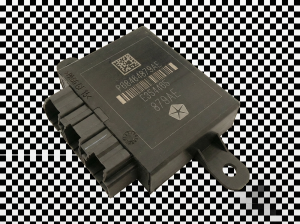
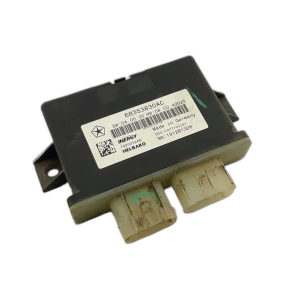
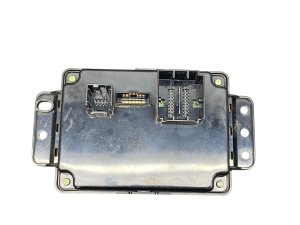
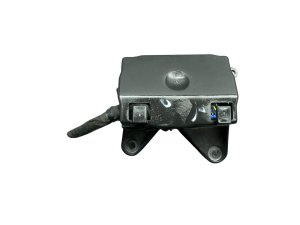
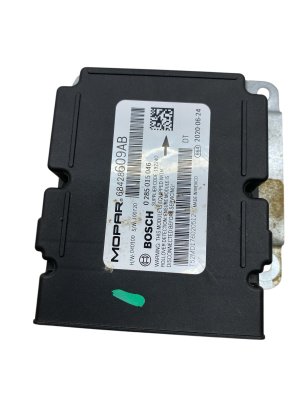
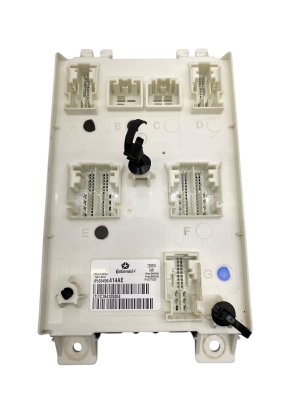

The information in this article is provided for general reference and educational purposes only. Vehicle specifications, procedures, and part compatibility can vary by production date, trim level, and region. Always consult your vehicle's factory service manual and verify part numbers before purchasing or performing repairs. Safety-critical components such as airbags, seat belts, and braking systems should be installed by a qualified professional.
- Dodge Durango:
- Ram 1500:
- Ram 3500:
- Ram 2500:
- Dodge Charger:
- Jeep Wrangler:
- Dodge Challenger:
- Jeep Gladiator: