

2009-2014 Ferrari California BCM: Immobilizer Faults, Programming, and Replacement
Your guide to diagnosing the notorious 'Immobiliser Malfunction' error, understanding the critical data cloning process, and avoiding a costly trip to the dealer.
- A replacement BCM MUST be programmed via data cloning from your original module; it is not a plug-and-play part.
- A weak or failing car battery can cause identical symptoms to a bad BCM. Always check the battery first.
- The BCM is directly linked to the immobilizer system, and a common symptom of failure is a 'Immobiliser Malfunction' error preventing the car from starting.
- When buying a used BCM, inspect it for signs of water damage and always verify the OEM part number on your original unit before purchasing.
Symptoms of a Failing Body Control Module
A faulty BCM in a Ferrari California can create a host of perplexing electrical issues. Because the BCM controls so many different functions, symptoms can be intermittent and varied, often leading to a difficult diagnosis. Weak or old vehicle batteries can also cause similar electrical gremlins, so it's always best to ensure your battery is fully charged and healthy before suspecting the BCM.
- 'Immobiliser Malfunction' Error: This is one of the most common and frustrating symptoms reported by owners. The car may fail to recognize the key, preventing it from starting. This can be an intermittent problem, requiring multiple key cycles before the car will start.
- Multiple Unrelated Warning Lights: A failing BCM can cause numerous, unrelated warning lights to appear on the dashboard simultaneously, sometimes described as looking like a 'Christmas tree'. You might see errors for the ABS, transmission, and other systems that are mechanically sound.
- Failure of Electronic Accessories: Components like power windows, door locks, interior lights, the trunk release, or windshield wipers may work erratically or stop working altogether. For example, the BCM may fail to send the proper ground signal to a relay, preventing a component like the trunk latch from operating.
- Communication Errors with Scan Tools: A technician may find that their diagnostic scan tool cannot communicate with the BCM or other modules in the car. This indicates a network problem, often originating with the BCM itself.
- Parasitic Battery Drain: A faulty BCM can fail to shut down properly, causing a slow but steady drain on the battery that can leave it dead overnight or after a few days of sitting.
Known Issues, TSBs, and Recalls
As of late 2025, there are no specific recalls or Technical Service Bulletins (TSBs) issued by Ferrari or the NHTSA for the Body Control Module itself on the 2009-2014 California.
However, this vehicle generation is subject to other important safety recalls that owners should be aware of:
- Takata Airbag Inflator Recall: Multiple recalls (including NHTSA campaign number 16V341) were issued for 2009-2011 California models due to defective Takata passenger-side airbag inflators that could rupture during deployment, causing serious injury.
- Brake Fluid Reservoir Cap Recall: A recall (NHTSA campaign number 22V536) affects 2009-2017 California models. The brake fluid reservoir cap may not vent properly, which could lead to a vacuum, a brake fluid leak, and a potential loss of braking capability.
It is crucial to verify with a Ferrari dealer or through the NHTSA website that these free recall repairs have been performed on your vehicle.
Compatibility Warning: This Body Control Module is specific to the 2009-2014 Ferrari California equipped with the 4.3L naturally aspirated V8 engine. It is not compatible with the later Ferrari California T (2015-2017) which uses a different 3.9L twin-turbo engine and a different BCM. Always verify the OEM part number on your original module before purchasing a replacement.
Programming and Calibration: The Most Critical Step
A replacement Body Control Module cannot be simply swapped into the vehicle. The BCM is a security-critical component that is programmed specifically to the car's Vehicle Identification Number (VIN) and is linked to the key fobs and immobilizer system. Installing a used BCM without proper programming will result in a no-start condition.
There are two primary paths for replacement:
- Ferrari Dealer Replacement: A dealer will order a brand-new BCM from the factory, programmed specifically for your car's VIN. This is the most expensive and potentially time-consuming option, as parts may not be readily available.
- Data Cloning / Transfer Service: This is the most common and cost-effective solution when using a recycled OEM part. Specialized independent shops and mail-in services can extract the security data, VIN, and key information from your original (faulty) BCM and transfer, or 'clone', it onto the donor BCM. Once the data is cloned, the replacement module becomes plug-and-play, requiring no further programming from a dealer.
Pro Tip: Even if your original BCM is severely damaged (e.g., by water), it is essential to retain it. The data stored on its internal chips may still be recoverable by a specialist. Without the original module to clone from, using a recycled part becomes much more difficult, if not impossible.
Buying a Used Body Control Module
Purchasing a used OEM Body Control Module is an excellent way to save a significant amount of money, provided you follow a few key steps. The most important factor is not the module itself, but the ability to transfer your car's original data onto it.
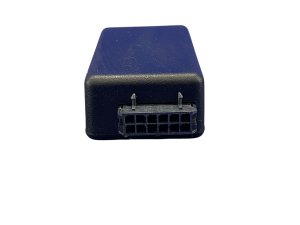
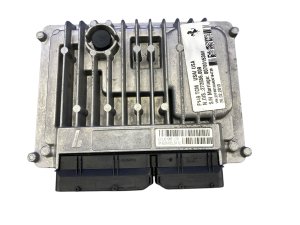
- Verify the Part Number: Before you buy, check the part number on your car's original BCM. The most commonly cited number is 272656, but other numbers like 229377 have also been associated with this model. Physical verification is the only way to be certain.
- Inspect for Physical Damage: Carefully examine the used module's casing and connectors. Look for any signs of corrosion (green or white powder), which indicates past water or moisture damage. Water intrusion is a common cause of BCM failure, often from clogged roof drains or bad window seals. Do not buy a module that shows any signs of water damage.
- Secure a Cloning Service: Before purchasing the used BCM, identify a reputable service that can perform the data cloning. Confirm with them that they can work with this specific Ferrari model and part number.
- Keep Your Original Module: Do not discard your original BCM. It is required for the data cloning process. The used module you are buying is essentially a healthy container for your car's unique software and security information.
Replacement Cost Comparison
The cost to replace a Ferrari California BCM can vary significantly depending on the path you choose. The following estimates are for reference and may vary by location and supplier.
| Part/Service | Estimated Cost | Notes |
|---|---|---|
| New OEM Module (Dealer) | $2,500 - $4,000 | Part only. Ordered from Ferrari, VIN-specific. |
| Used OEM Module | $400 - $750 | Part only. Requires data cloning to function. |
| BCM Repair / Cloning Service | $750 - $1,800 | Service to repair your original module or clone your data to a used one. |
| Shop Labor | $400 - $800 | To remove the old BCM and install the replacement. Ferrari specialist labor rates are higher than average. |
Frequently Asked Questions (FAQ)
Does a used Ferrari California BCM need to be programmed?
Yes, absolutely. A used BCM must have the immobilizer and configuration data from your original module cloned onto it. It will not work if you simply install it in the car.
Where is the BCM located on a 2009-2014 Ferrari California?
The Body Control Module is located inside the passenger compartment, typically under the dashboard. Access may require removing trim panels or the glove box.
Can a weak car battery cause BCM symptoms?
Yes. Ferraris are notoriously sensitive to battery voltage. A weak or dying battery can cause a wide range of strange electrical behavior, including multiple warning lights and error messages that mimic BCM failure. Always test and fully charge your battery before diagnosing a bad BCM.
What is BCM data cloning?
Data cloning is a process where a specialist uses special equipment to read the essential data (like the VIN, key codes, and security settings) from the memory chips on your original BCM and write it onto a replacement (used) BCM. This makes the replacement module an exact digital copy of the original, allowing it to work in your car without needing dealer intervention.
Technical Specifications
OEM Part Numbers: 272656 229377
Controls non-engine related vehicle electronics including lighting, security, windows, locks, and wipers.
We Have This Part in Stock
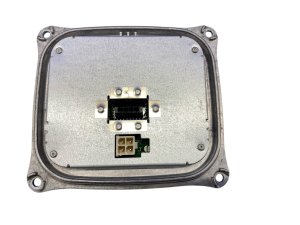
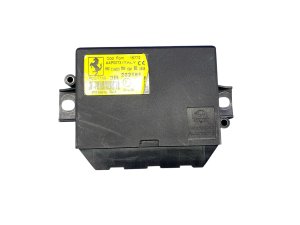
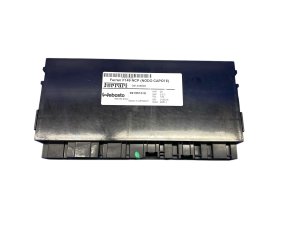
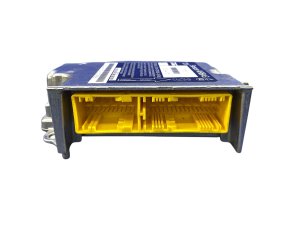

The information in this article is provided for general reference and educational purposes only. Vehicle specifications, procedures, and part compatibility can vary by production date, trim level, and region. Always consult your vehicle's factory service manual and verify part numbers before purchasing or performing repairs. Safety-critical components such as airbags, seat belts, and braking systems should be installed by a qualified professional.
- Ferrari California: