

2000-2004 Ford E-Series Van Cruise Control Failure & Fire Risk
This guide covers the common failures, diagnosis, and critical fire recall information for the cruise control servo in the 2000-2004 Ford E-150, E-250, E-350, E-450, and E-550 Super Duty vans.
- CRITICAL FIRE RISK: These vans were recalled for a faulty cruise control deactivation switch that can leak and cause a fire, even when parked and off. Verify the recall has been performed.
- This part is a cruise control servo, NOT a Body Control Module, and it does not require any programming or flashing for installation.
- This servo is for gasoline engine vans only and is not compatible with diesel or CNG models.
- If your cruise control fails, check fuses and the brake deactivation switches before condemning the servo itself.
CRITICAL SAFETY WARNING: Cruise Control Fire Recall
Warning: These Ford E-Series vans were part of one of the largest automotive recalls in history for a faulty cruise control deactivation switch. This switch, located on the brake master cylinder, can leak brake fluid internally. The fluid can then enter the switch's electrical components, causing a short circuit that can lead to a fire. This can happen at any time, even when the vehicle is turned off, parked, and unattended.
Ford's official remedy was to install a fused wiring harness between the deactivation switch and the cruise control servo. This harness acts as a circuit breaker to prevent a fire if the switch leaks. Before purchasing a used van or replacing parts, it is absolutely critical to verify with a Ford dealer or through the NHTSA website that this recall service has been performed on the vehicle.
Symptoms of a Failing Cruise Control Servo
When the cruise control servo or a related component fails, you'll notice several obvious symptoms. Diagnosing the exact cause can involve checking multiple parts of the system.
1. Cruise Control Will Not Engage
This is the most common symptom. You press the 'ON' and 'SET' buttons, but nothing happens. The vehicle does not hold its speed. This can be caused by a failed servo, a blown fuse, a faulty control switch on the steering wheel, or a bad brake pedal deactivation switch.
2. Cruise Control Disengages Randomly
The system might engage and work for a while, then suddenly turn off without you touching the brakes or the 'OFF' switch. This could point to an intermittent electrical connection, a failing servo motor, or a problem with the vehicle speed sensor.
3. Speed Fluctuates While Engaged
If the van speeds up and slows down on its own while cruise is set, it could be a sign of a problem within the servo itself or a vacuum leak on older systems. The servo may be struggling to make the fine adjustments needed to hold a steady speed.
4. Stuck Accelerator Pedal
In rare cases, a binding or failing cruise control cable can cause the throttle to stick, which may affect the feel of the accelerator pedal. This is a serious safety concern that should be addressed immediately.
Diagnosing the System
Before replacing the servo, it's wise to check the simple things first:
- Fuses: Check the fuse panel for any blown fuses related to the cruise control system.
- Brake Lights: Ensure your brake lights are working correctly. A faulty brake light switch can prevent the cruise control from engaging.
- Deactivation Switch: The switch on the master cylinder is a known failure point. It should have electrical continuity when the brake pedal is not pressed and an open circuit when the pedal is pressed.
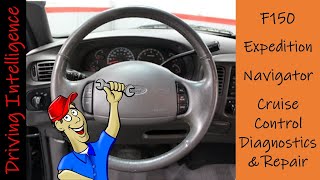
- Self-Test Mode: Many of these Ford vehicles have a built-in diagnostic self-test for the cruise control system. To enter the test, turn the ignition ON (do not start the engine), then press and hold the 'OFF' switch. While holding it, the cruise control indicator light should flash once. You can then press the other buttons (ON, RESUME, COAST, SET) in sequence, and the light should flash for each button press, confirming the switches are working. 🎬 Watch this video for a step-by-step cruise control diagnostic walkthrough.
Programming and Installation Requirements
Pro Tip: The cruise control servo on 2000-2004 Ford E-Series vans is a plug-and-play component. It does not require any programming, flashing, or VIN matching after installation. This makes replacement straightforward for DIY mechanics.
The servo is typically located in the engine compartment, often on the driver's side fender well. Replacement involves disconnecting the battery, unplugging the electrical connector, and detaching the actuator cable from the throttle body.
Buying a Used Cruise Control Servo
Purchasing a used OEM cruise control servo is a cost-effective way to restore functionality. Here’s what to look for:
- Verify Part Numbers: Ensure the part number on the used servo matches your original one. Known compatible part numbers include YC2F9C735AA, YC2FAA, and YC2Z9C735AA.
- Gasoline Engine Only: This specific servo is for gasoline engine models (V6, V8, V10) only. It will not work on diesel or CNG vans.
- Physical Inspection: Check the plastic housing for any cracks or signs of heat damage. Inspect the electrical connector pins to ensure they are straight and free of corrosion. Make sure the throttle cable attachment point is intact.
- Check the Recall Status: While the recall is for the deactivation switch, it's possible that a leaking switch could have sprayed brake fluid onto the servo's connector. Look for any signs of fluid contamination or corrosion on the electrical plug.
Replacement Cost Comparison
Pricing can vary based on supplier and availability. As this part is often discontinued new, used OEM parts are the most common replacement option.
| Part Type | Estimated Cost |
|---|---|
| New OEM | $250 - $350+ (Largely discontinued) |
| New Aftermarket | $150 - $250 (Availability may be limited) |
| Used OEM | $50 - $125 |
| Shop Labor | $75 - $150 |
Frequently Asked Questions (FAQ)
Where is the cruise control servo located on a 2002 Ford E-350?
The cruise control servo is located in the engine bay, typically mounted to the driver's side inner fender well. It's a small black box with an electrical connector and a thin metal cable that runs to the engine's throttle body.
Does a replacement cruise control servo need to be programmed by a dealer?
No. For these 2000-2004 E-Series vans, the cruise control servo is not a programmable module. It is a direct-replacement part that does not need to be matched to the vehicle's VIN or flashed by a dealer.
Can a bad cruise control servo cause a fire?
While the servo itself is not the primary cause, it is part of a system with a known fire risk. A leaking cruise control deactivation switch on the brake master cylinder can short out the electrical circuit, which is always powered, and cause a fire under the hood. It is essential to ensure the safety recall for this issue has been completed on your vehicle.
My cruise control still doesn't work after replacing the servo. What else could be wrong?
If a new servo doesn't fix the issue, check other parts of the system. The most common culprits are a blown fuse, a faulty brake pedal deactivation switch (both the one on the master cylinder and the one at the pedal), or the control switches on the steering wheel. Also, inspect the actuator cable to ensure it is properly connected and not broken.
Helpful Videos
Technical Specifications
OEM Part Numbers: YC2F9C735AA YC2FAA YC2Z9C735AA
Electronic servo with mechanical throttle cable actuator.
We Have This Part in Stock

The information in this article is provided for general reference and educational purposes only. Vehicle specifications, procedures, and part compatibility can vary by production date, trim level, and region. Always consult your vehicle's factory service manual and verify part numbers before purchasing or performing repairs. Safety-critical components such as airbags, seat belts, and braking systems should be installed by a qualified professional.
- Ford E-350 Super Duty:
- Ford E-450 Super Duty:
- Ford E-150:
- Ford E-250:
- Ford E-550 Super Duty:
- 🎬 Helpful Videos
- 🛍️ Shop This Part
- CRITICAL SAFETY WARNING: Cruise Control Fire Recall
- Symptoms of a Failing Cruise Control Servo
- 1. Cruise Control Will Not Engage
- 2. Cruise Control Disengages Randomly
- 3. Speed Fluctuates While Engaged
- 4. Stuck Accelerator Pedal
- Diagnosing the System
- Programming and Installation Requirements
- Buying a Used Cruise Control Servo
- Replacement Cost Comparison
- Frequently Asked Questions (FAQ)
- 🎟️ Get 5% Off