

1997-2003 Ford E-Series Van Body Control Module: Why It Fails and What to Know Before You Buy
This guide covers the essential diagnosis, replacement, and mandatory programming requirements for the Body Control Module in your 1997-2003 Ford E-150, E-250, E-350, E-450, or E-550 van.
- A replacement BCM is NOT plug-and-play; it MUST be professionally programmed to your van's VIN and keys to function.
- Failure to program a replacement BCM will result in a no-start condition due to the Passive Anti-Theft System (PATS).
- Symptoms of failure are almost always electrical, such as erratic lights, locks, and windows, or a parasitic battery drain.
- Buying a used OEM module with a matching part number is a cost-effective option, but you must factor in the additional cost of programming by a dealer or locksmith.
Symptoms of a Failing Body Control Module
A failing BCM can cause a wide range of confusing and seemingly unrelated electrical problems. Because it controls so many different systems, symptoms often appear random. Here are the most common signs that the BCM in your Ford E-Series van may be faulty:
- Erratic Electrical Components: This is the most frequent symptom. You may experience power windows that don't work, door locks that operate on their own, or interior and exterior lights that flicker, stay on, or won't turn on at all.
- Vehicle Won't Start: The BCM is often tied into the vehicle's anti-theft system (PATS). A BCM failure can prevent the system from recognizing your key, resulting in a no-crank or no-start condition. The security or theft light on the dashboard may stay illuminated. 🎬 Watch: Troubleshooting a no-start condition and immobilizer light issues.
- Dashboard Warning Lights: A faulty BCM can trigger random warning lights for the ABS, airbags, or check engine light, even if those systems are mechanically sound.
- Battery Drain: The BCM can fail in a way that it doesn't properly shut down certain electrical circuits when the van is off, leading to a dead battery overnight.
- Key Fob and Remote Entry Failure: If your keyless entry remote suddenly stops working, the BCM, which receives and processes the signal, could be the culprit.
Programming and Anti-Theft Requirements: The #1 Buyer Concern
Warning: A replacement Body Control Module for these Ford E-Series vans is NOT a plug-and-play part. It MUST be programmed to your specific vehicle after installation.
This is the most critical piece of information for anyone buying a replacement BCM. Even if you purchase a used module with the exact same part number from an identical van, it will not work correctly until it is electronically paired with your vehicle's other modules and keys.
Why is Programming Necessary?
The BCM stores vehicle-specific information, including the Vehicle Identification Number (VIN) and data related to the Passive Anti-Theft System (PATS). If this information doesn't match the rest of the vehicle, two major problems will occur:
- The van will not start. The BCM is a key part of the PATS immobilizer system. It needs to recognize the transponder chips in your ignition keys. A new BCM will not have your key data, so the anti-theft system will prevent the engine from starting.
- Features may not work correctly. The BCM is configured for the specific options your van was built with (e.g., power windows, keyless entry). The replacement module must be programmed to know which features to control.
Who Can Program a Replacement BCM?
Programming requires specialized diagnostic scan tools and software. You have a few options:
- Ford Dealership: A dealer has the factory tools and is the most straightforward, though often most expensive, option.
- Automotive Locksmith: Many professional locksmiths have advanced scan tools capable of programming Ford modules and, most importantly, performing the PATS key relearn procedure.
- Well-Equipped Independent Shop: Some independent repair shops invest in dealer-level diagnostic tools and can perform the necessary programming.
A basic OBD-II code reader cannot program a BCM. You must confirm with the shop or locksmith beforehand that they have the specific capability for a 1997-2003 Ford E-Series PATS relearn and module configuration.
Buying a Used Body Control Module
A used OEM module is a cost-effective and reliable alternative to a new part, especially since many new OEM modules for this generation are discontinued. However, you must account for the required programming.
What to Look For:
- Match the Part Number: While programming is always required, starting with the exact same OEM part number from your original module is the best way to ensure hardware compatibility. Check your original module for numbers like F7UB-14A685-CC or similar.
- Inspect for Damage: Check the used module for any signs of physical damage, corrosion on the pins, or evidence of water intrusion. The BCM is typically located under the dashboard, where water leaks from the windshield can sometimes cause damage.
- Factor in Programming Costs: When comparing prices, remember to add the cost of professional programming ($100 - $250) to the price of the used part. A very cheap part may not be a good deal once programming is factored in.
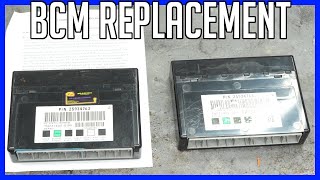
- Ask About Cloning Services: 🎬 See how professional repair and cloning services can restore your module. Some specialized electronics repair services can "clone" your old BCM. This involves transferring the VIN, key data, and configuration from your original module to the replacement unit. If successful, this can make the replacement module a true plug-and-play solution, potentially saving you a trip to the dealer.
Known Issues, TSBs, and Recalls
Web searches for official Technical Service Bulletins (TSBs) and NHTSA recalls for the 1997-2003 Ford E-150, E-250, E-350, E-450, and E-550 did not reveal any specific campaigns directly targeting widespread failure of the Body Control Module itself. Most recalls for this platform relate to other components like speed control systems or wiring harnesses. This indicates that BCM failures are typically due to age, vibration, or environmental factors like moisture intrusion rather than a specific, recognized manufacturing defect.
Replacement Cost Breakdown
The cost to replace the BCM can vary significantly based on the part source and labor rates. Remember that programming is a mandatory additional cost.
| Item | Estimated Cost | Notes |
|---|---|---|
| New OEM Part | $400 - $550+ | Many part numbers for this generation are discontinued and may no longer be available new from Ford. |
| New Aftermarket Part | $250 - $450 | Availability can be limited. Quality and compatibility may vary. |
| Used OEM Part | $50 - $150 | A widely available and cost-effective option. Sourced from recycled vehicles. |
| Shop Labor (Installation) | $100 - $170 | Typically 1-1.5 hours. The BCM is usually located under the driver's side dashboard. |
| Shop Labor (Programming) | $100 - $250 | This is a separate, required step. Cost depends on whether it's a dealer, locksmith, or independent shop. |
| Total Estimated Cost (with Used Part) | $250 - $570 | This represents the most common scenario: buying a used OEM module and paying for professional installation and programming. |
Frequently Asked Questions (FAQ)
Where is the BCM located on a 1997-2003 Ford E-Series van?
The Body Control Module, which Ford sometimes called a Generic Electronic Module (GEM) in this era, is typically located under the dashboard on the driver's side. It is often attached to or integrated with the interior fuse panel. Access may require removing lower dash panels.
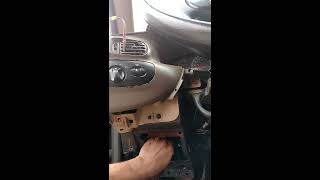
🎬 Watch: A step-by-step walkthrough of the BCM replacement process.Can I replace the BCM myself?
Yes, the physical replacement is a feasible DIY job for someone with basic mechanical skills. It involves removing dash panels and disconnecting electrical connectors. However, the vehicle will not start or run correctly until the replacement module is professionally programmed with a specialized scan tool.
Will a BCM from the exact same model and year van work without programming?
No. Even if the part numbers are identical, the replacement BCM is programmed with the VIN and anti-theft data of its original vehicle. It must be wiped and reprogrammed to match your van's VIN and learn your specific keys.
What is the difference between a BCM and an ECM/PCM?
The BCM (Body Control Module) manages body and cabin electronics like lights, windows, and locks. The ECM (Engine Control Module) or PCM (Powertrain Control Module) is the main computer that controls all engine and transmission functions, such as fuel injection, ignition timing, and shift points.
Helpful Videos

Technical Specifications
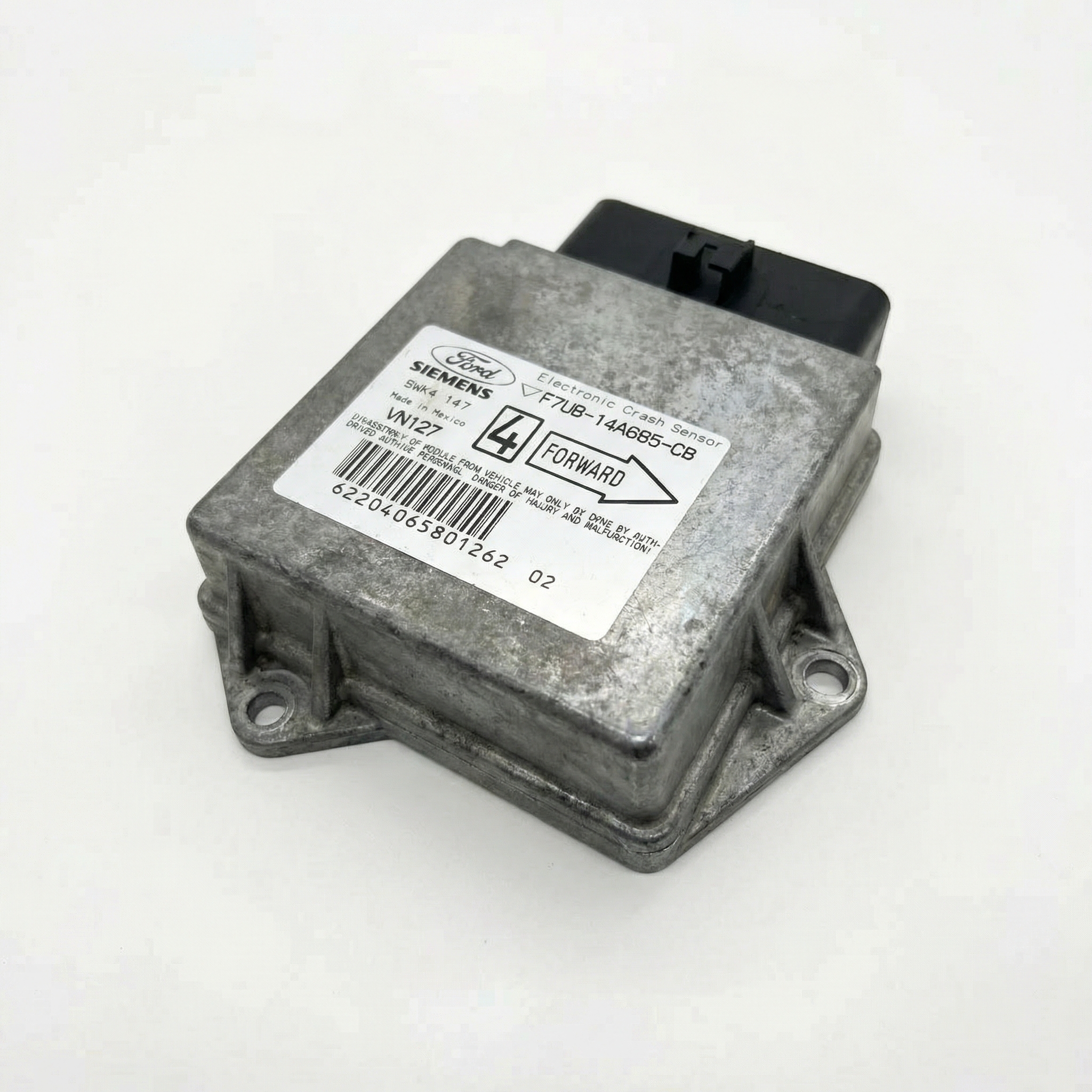
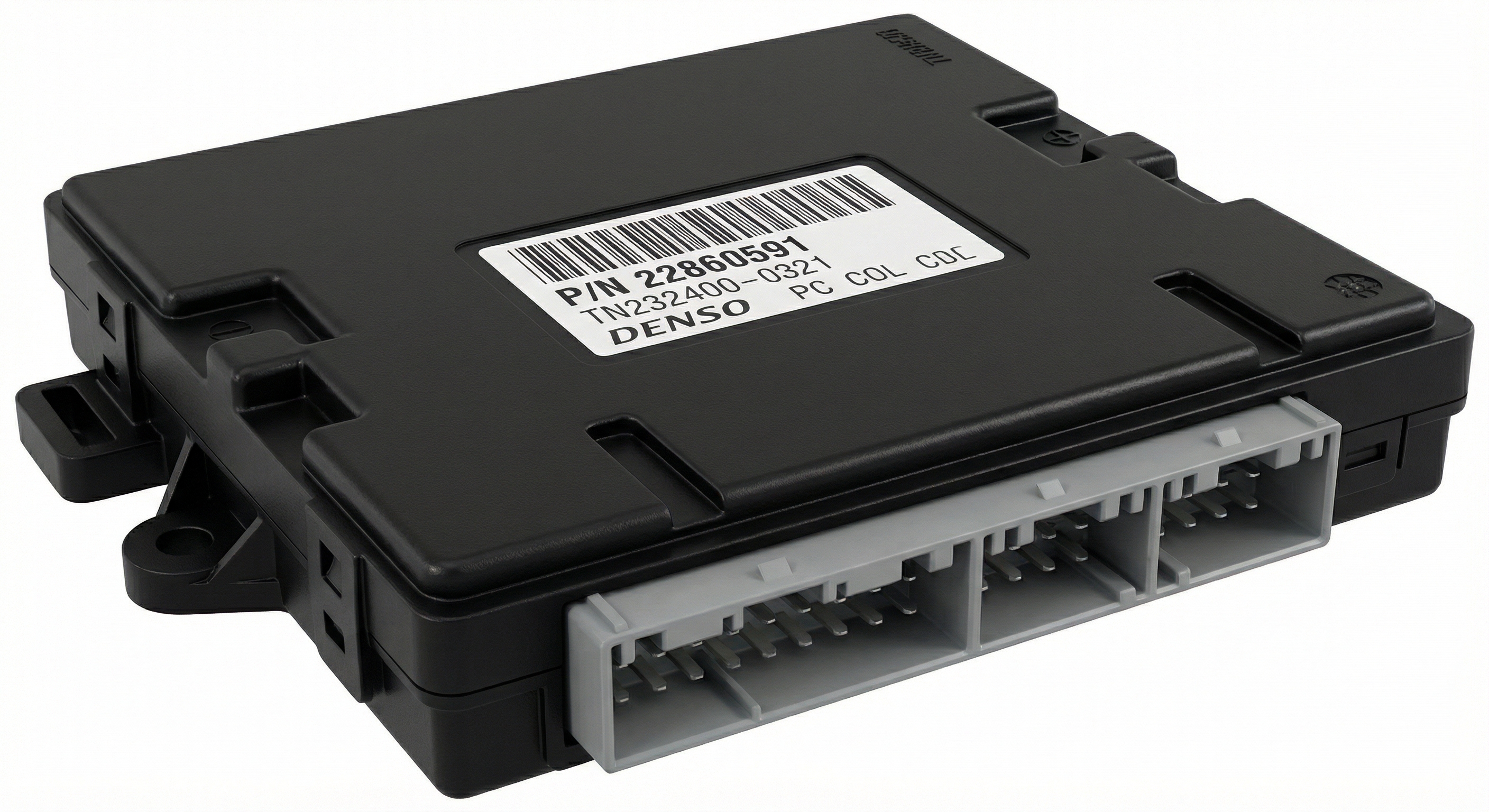
OEM Part Numbers: F7UB14A685CA F7UB14A685CB F7UB14A685CC F7UB14A685CD F7UBCA F7UBCB F7UBCC F7UBCD F7UZ14B056CA
This module is for vehicles equipped with both driver and passenger front airbags. It will not work on models with only a driver-side airbag.
We Have This Part in Stock

The information in this article is provided for general reference and educational purposes only. Vehicle specifications, procedures, and part compatibility can vary by production date, trim level, and region. Always consult your vehicle's factory service manual and verify part numbers before purchasing or performing repairs. Safety-critical components such as airbags, seat belts, and braking systems should be installed by a qualified professional.
- Ford E-450 Super Duty:
- Ford E-150 Econoline:
- Ford E-250 Econoline:
- Ford E-350 Econoline:
- Ford E-550 Super Duty:
- 🎬 Helpful Videos
- 🛍️ Shop This Part
- Symptoms of a Failing Body Control Module
- Programming and Anti-Theft Requirements: The #1 Buyer Concern
- Why is Programming Necessary?
- Who Can Program a Replacement BCM?
- Buying a Used Body Control Module
- What to Look For:
- Known Issues, TSBs, and Recalls
- Replacement Cost Breakdown
- Frequently Asked Questions (FAQ)
- 🎟️ Get 5% Off