

Ford & Lincoln BCM/GEM Guide (2000-2006): Solving Electrical Gremlins in Expedition, Explorer, Navigator & More
This definitive guide covers the common failures, locations, and critical programming steps for the body control modules in popular Ford, Lincoln, and Mercury trucks, SUVs, and cars.
- Programming is NOT optional. A replacement module must be programmed to the vehicle's VIN and security system (PATS) using tools like FORScan or dealer software.
- For Expedition, Navigator, Explorer, and Mountaineer, failure is almost always caused by a leaking windshield. You MUST fix the leak or the new part will also fail.
- These vehicles use two different systems: a single BCM/GEM in the trucks/SUVs and a separate Front (FEM) and Rear (REM) module in the Lincoln LS and Thunderbird.
- You must have at least two working keys to perform the PATS security relearn procedure after installing a new module.
Is This Your Part? Two Platforms, Two Different Systems

Important Compatibility Note: The vehicles covered in this guide use two completely different electronic systems. It is critical to identify which system your vehicle has.
Before diagnosing a problem, understand that these vehicles were built on two distinct platforms:
- Truck/SUV Platform: This includes the 2003-2006 Ford Expedition, 2003-2006 Lincoln Navigator, 2002-2005 Ford Explorer (4-door), 2003-2005 Lincoln Aviator, and 2002-2005 Mercury Mountaineer (4-door). These vehicles use a single main body computer, often called the Generic Electronic Module (GEM), which is typically mounted with the interior fuse box.
- DEW98 Car Platform: This includes the 2000-2002 Lincoln LS and 2002 Ford Thunderbird. These cars do not have a single BCM. Instead, their functions are split between a Front Electronic Module (FEM) and a Rear Electronic Module (REM). The OEM part numbers XW4F-9C735-AD and XW4Z-9C735-AA are associated with this platform.
This guide will cover both systems, with specific sections for each platform's unique issues and module locations.
Symptoms of a Failing Body Control Module

A bad BCM or GEM can make your vehicle seem possessed. Because it controls so many different components, symptoms are often widespread and seemingly random. Common signs include:
- Erratic Lights: Headlights, interior lights, or dash lights flickering, staying on, or not working at all.
- Power Accessory Failure: Power windows, door locks, or the radio not working or activating on their own.
- Parasitic Battery Drain: The module may fail to shut down properly, leaving a component running and draining the battery overnight.
- Wiper and Blower Motor Issues: Wipers turning on by themselves or the climate control blower running even when the key is off.
- Anti-Theft System Problems: The security light may flash, and the vehicle may refuse to start because the BCM/GEM is part of the Passive Anti-Theft System (PATS) and can't recognize the key.
- Dashboard Warning Lights: Multiple warning lights may appear on the instrument cluster for no clear reason.
You may also find diagnostic trouble codes (DTCs) stored in the system. A common one is U0140, which means "Lost Communication With Body Control Module." Other 'U' (network) or 'B' (body) codes are also strong indicators.
Known Issues by Vehicle Platform

Expedition, Navigator, Explorer, Aviator & Mountaineer: The Windshield Water Leak
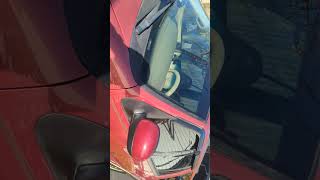
For the truck and SUV platform, the single most common cause of BCM/GEM failure is water intrusion from a leaking windshield. Over time, the factory urethane seal on the windshield, particularly on the driver's side A-pillar, can degrade. 🎬 Watch: How a windshield leak damages the GEM module Rainwater then drips down behind the dashboard and directly onto the GEM and the Central Junction Box (the interior fuse panel it's attached to).
This water damage corrodes the circuit board and connectors, causing the bizarre electrical symptoms mentioned above. Ford was aware of this issue and released a Special Service Message (SSM 15773) instructing dealers that if water damage is found on either the GEM or the fuse box, both components must be replaced and the windshield must be professionally resealed.
Warning: Simply replacing a water-damaged BCM/GEM without fixing the windshield leak will result in the new module failing as well. The root cause of the failure is the leak, not just the part.
Other potential leak sources include clogged sunroof drains, which can also route water behind the dash.
Module Location (Trucks/SUVs):
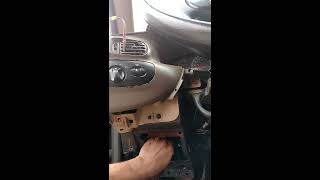
The BCM/GEM is located under the driver's side of the dashboard. It is almost always physically attached to the back of the interior fuse panel. Access requires removing the lower dash trim panel and sometimes a metal reinforcement plate.
🎬 See this walkthrough on how to replace the GEM moduleLincoln LS & Ford Thunderbird: FEM and REM System
These cars use a more distributed system with a Front Electronic Module (FEM) and a Rear Electronic Module (REM). Failures are typically due to internal electronics rather than a specific water leak pattern like the trucks. Symptoms are similar, but depend on which module is failing. For example, a bad REM might affect the fuel pump, convertible top, or door locks.
Module Locations (Cars):
- Front Electronic Module (FEM): Located in the passenger side footwell area, behind trim panels.
- Rear Electronic Module (REM): Located in the trunk, typically on the driver's or right-hand side behind the trunk liner.
Programming is Required: The Most Important Step
You cannot simply swap a used or new body control module and expect it to work. The module must be programmed to your vehicle's specific VIN and options. This involves two key steps:
- As-Built Data Configuration: The module must be loaded with your vehicle's "As-Built" data. This is a block of code that tells the BCM which features your car has (e.g., fog lights, automatic climate control, power seats). Without this, features will not work correctly.
- PATS Parameter Reset: The BCM is a critical part of Ford's Passive Anti-Theft System (PATS). A replacement module breaks the security link between the keys and the engine computer (PCM). A "PATS Parameter Reset" must be performed to introduce the new module to the other components. This procedure involves a mandatory 10-minute security waiting period and requires you to have at least two original, programmed keys. If you only have one key, you will need a locksmith or dealer to program a second one before the PATS reset can be completed.
Pro Tip: Programming can be done with the dealer's IDS/FDRS software, but this is expensive. For DIYers, the best tool is FORScan software (for Windows) with an extended license and a compatible OBD-II adapter. The extended license is very affordable and allows you to perform the necessary module programming and PATS functions.
Buying a Used Body Control Module
Buying a used BCM, GEM, FEM, or REM is a great way to save money, but you must plan ahead. Here’s what to know:
- Have a Programming Plan FIRST: Before you buy the part, know who will program it. Many dealers are unwilling or unable to program used modules with their factory tools. Your best options are an independent shop that specializes in Fords, a mobile automotive locksmith with advanced programming tools, or doing it yourself with FORScan.
- Inspect for Water Damage (Trucks/SUVs): When buying a used GEM for an Expedition, Explorer, etc., carefully inspect the case and electrical pins for any signs of white or green corrosion. Do not buy a part that shows any evidence of water damage.
- Match Part Numbers Exactly: While programming can configure many options, it's always best to get a module with a part number that is identical or a direct superseded replacement for your original. This is especially important for the LS and Thunderbird FEM/REM modules.
- Ignore the Mileage: The mileage is stored in the instrument cluster and/or the PCM, not the BCM. The mileage of the donor vehicle does not matter.
Cost Breakdown
Prices can vary, but here is a general estimate for replacing a single module (BCM/GEM/FEM/REM).
| Part Type | Estimated Cost | Notes |
|---|---|---|
| New OEM | $200 - $600+ | Dealer-sourced part. Price varies significantly by specific module. |
| Remanufactured Aftermarket | $100 - $300 | Good option from brands like Dorman or Cardone. |
| Used OEM | $50 - $150 | Most cost-effective, but inspect carefully and ensure you can get it programmed. |
| Shop Labor (Replacement) | $100 - $200 | Typically 1-1.5 hours to physically swap the module. |
| Shop Labor (Programming) | $100 - $250 | This is a separate step from installation and requires special tools. |
Frequently Asked Questions (FAQ)
Can I just swap in a new BCM without programming?
No. The vehicle will not start and/or many electrical features will not work. The module must be programmed with your vehicle's As-Built data and synchronized with the PATS anti-theft system.
Why do my wipers and lights act crazy when it rains? (Expedition, Explorer, etc.)
This is the classic symptom of a leaking windshield allowing water to drip onto the BCM/GEM module. You must fix the windshield seal in addition to replacing the damaged module(s).
Do I have to go to a dealer for programming?
No. An independent mechanic with Ford-specific scan tools, an automotive locksmith, or a DIYer with FORScan software and the correct adapter can all program a new module. In fact, for a used module, an independent shop or locksmith is often a better choice than a dealer.
What's the difference between a BCM, GEM, FEM, and REM?
BCM (Body Control Module) is the generic term. GEM (Generic Electronic Module) is the name Ford used for the BCM in many of its 1990s and 2000s trucks and SUVs. FEM (Front Electronic Module) and REM (Rear Electronic Module) are used in vehicles like the Lincoln LS and Thunderbird, where the BCM's functions are split between two separate modules located at the front and rear of the car.
Does this part fit my 2-door Explorer or Explorer Sport Trac?
No. This guide and the associated parts are for the 4-door Explorer and Mountaineer SUVs. The Explorer Sport Trac is based on the Ford Ranger pickup and uses different electronic modules. The 2-door Explorer Sport may also have differences. Compatibility is only confirmed for the 4-door models.
Helpful Videos
Technical Specifications
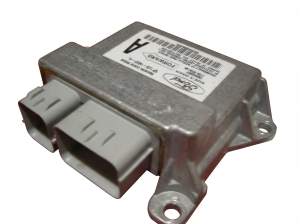
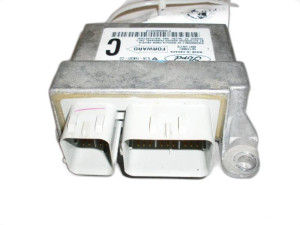
OEM Part Numbers: XW4F-9C735-AD XW4Z-9C735-AA 1W6Z-14B205-A
System architecture varies by platform. Trucks/SUVs use a centralized BCM/GEM module integrated with the Central Junction Box (fuse panel). Lincoln LS/Thunderbird use a distributed system with a Front Electronic Module (FEM) and Rear Electronic Module (REM).
We Have This Part in Stock


The information in this article is provided for general reference and educational purposes only. Vehicle specifications, procedures, and part compatibility can vary by production date, trim level, and region. Always consult your vehicle's factory service manual and verify part numbers before purchasing or performing repairs. Safety-critical components such as airbags, seat belts, and braking systems should be installed by a qualified professional.
- Ford Expedition:
- Lincoln Navigator:
- Ford Explorer:
- Lincoln Aviator:
- Mercury Mountaineer:
- Ford Thunderbird:
- Lincoln LS:
- 🎬 Helpful Videos
- 🛍️ Shop This Part
- Is This Your Part? Two Platforms, Two Different Systems
- Symptoms of a Failing Body Control Module
- Known Issues by Vehicle Platform
- Expedition, Navigator, Explorer, Aviator & Mountaineer: The Windshield Water Leak
- Lincoln LS & Ford Thunderbird: FEM and REM System
- Programming is Required: The Most Important Step
- Buying a Used Body Control Module
- Cost Breakdown
- Frequently Asked Questions (FAQ)
- 🎟️ Get 5% Off