

2019-2023 Ford Transit Connect BCM: Failure Symptoms, Programming, and Replacement
This guide covers the common electrical failures, critical programming requirements, and replacement costs for the Body Control Module in the 2019-2023 Ford Transit Connect.
- This module is NOT plug-and-play. It requires mandatory programming by a dealer or qualified shop to sync with your vehicle's VIN and anti-theft system.
- When buying a used BCM, you must match the engineering part number (e.g., JV6T-14A073-EB) exactly.
- Mail-in cloning services are a highly recommended option. They copy your old module's data to the replacement, making it plug-and-play and avoiding programming hassles.
- Check for water damage. A known issue involves water leaking into the passenger footwell (TSB 21-2379), which can destroy the BCM. Inspect any used module for corrosion.
Symptoms of a Failing Transit Connect BCM

A faulty Body Control Module can create a variety of strange electrical issues. Because the BCM controls so many different systems, you may notice several problems at once. Be aware that a weak or failing battery can cause similar symptoms, so it's always best to test the battery and check all related ground wires before condemning the BCM.
- Erratic Electrical Functions: This is the most common sign. You may experience lights (headlights, interior lights) flickering or not working, power windows or locks operating on their own or not at all, and wipers or the horn behaving unpredictably.
- Parasitic Battery Drain: If your battery repeatedly dies overnight, the BCM may be failing to shut down a circuit, causing a constant power draw.
- Warning Lights on Dash: The BCM can cause random warning lights for the airbag, ABS, or traction control to illuminate on the instrument cluster, even if those systems are working correctly.
- No-Start or Cranking Issues: The BCM is a key part of the Passive Anti-Theft System (PATS). If it fails, it may not recognize your key, preventing the engine from cranking or starting. 🎬 Watch: Troubleshooting a no-start caused by PATS security codes.
- Strange Gauge Behavior: On startup, you might see the temperature gauge spike to hot or the fuel gauge read empty before slowly returning to normal, as reported by some 2019 Transit Connect owners.
- Diagnostic Trouble Codes (DTCs): A scan tool may reveal communication codes, most commonly U0140 (Lost Communication with Body Control Module). You may also see circuit-specific codes for components controlled by the BCM, such as a "Circuit Short To Battery Or Open" for the headlights.
Known Issues, TSBs, and Recalls

While there have been no direct recalls for the BCM itself on the 2019-2023 Transit Connect, there are related service bulletins and issues to be aware of.
- TSB 21-2379 - Water Intrusion: This Technical Service Bulletin addresses an issue where water can drip into the passenger's front footwell. The BCM is located in this area (behind the glove box), and water intrusion is a very common cause of BCM failure due to corrosion on the circuit board and connector pins.
- Related Electrical TSBs: Other bulletins have been issued for issues with the SYNC system, telematics control unit (TCU), and intermittent power steering problems, indicating the complexity of the vehicle's electrical network.
- PCM Recalls (Not BCM): Ford issued recalls (like 20V636000) for the Powertrain Control Module (PCM) software, which could cause engine overheating. This is a separate computer from the BCM and controls engine functions. It's important not to confuse a PCM issue with a BCM issue.
Warning: This module MUST be programmed to your vehicle after installation. It is not a plug-and-play part. Failure to program the module will result in a no-start condition and/or non-functioning electronics.
Programming and Immobilizer Requirements

This is the most critical part of replacing the BCM in a Transit Connect. The module contains vehicle-specific data, including the Vehicle Identification Number (VIN) and security information for the anti-theft system (PATS).
- Parameter Reset: After a new or used BCM is installed, a procedure called a "Parameter Reset" must be performed using a diagnostic tool. This synchronizes the BCM with the vehicle's other modules, including the engine computer and ignition keys. 🎬 Watch: A walkthrough of the BCM replacement and parameter reset.
- Key Programming: The parameter reset process involves programming your existing keys to the new BCM. You will typically need to have at least two working keys present for the technician to complete the job.
- Who Can Program It?
- Ford Dealership: A dealer can program a brand new BCM using the Ford IDS software. However, many dealers are unwilling or unable to program a used BCM.
- Independent Shops: A well-equipped independent mechanic or automotive locksmith with professional-grade tools and a valid software subscription can program a BCM.
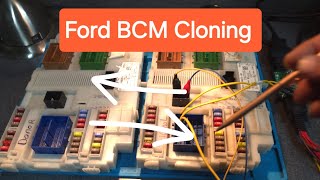
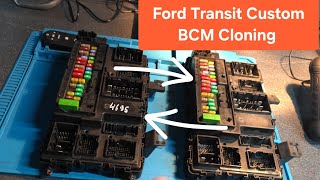
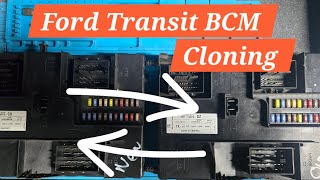
- Cloning Services: You can mail your original BCM and a compatible replacement unit to a specialist service. They will clone (copy) the data from your old module to the replacement, making it a true plug-and-play part when you get it back. This is often the best option for DIYers.
- FORScan (Advanced DIY): While technically possible for very experienced users with an extended license, programming a BCM with FORScan is complex and carries a high risk of rendering the vehicle inoperable if done incorrectly. It is not recommended for beginners.
Buying a Used Body Control Module

Purchasing a used BCM is a great way to save money, but careful selection is essential to avoid compatibility problems. Given the complex programming involved, getting the right part from the start is crucial.
- Match the Part Number Exactly: The most important step is to match the Ford engineering part number on the white sticker of your original module. For this generation of Transit Connect, a common number is JV6T-14A073-EB. Do not rely on just the year and model; the part number must be an identical match to ensure all features and options on your van will work.
- Inspect for Water Damage: Since water intrusion is a known issue, carefully inspect the connector pins on the used module. Look for any signs of green or white corrosion, rust, or discoloration. A module with any signs of moisture damage should be avoided, even if it comes from a running vehicle.
- Consider a Cloning Bundle: Some sellers may offer a used BCM along with a mail-in cloning service. This can be a convenient way to ensure the part you receive will be plug-and-play, removing the need to find a local shop for programming.
- Why Used OEM is a Good Choice: A used original equipment (OEM) module that has been verified and tested is often more reliable than a new, unbranded aftermarket part. It was designed specifically for your vehicle's electrical system, ensuring proper communication and function once programmed.
Cost Breakdown
The cost to replace a BCM can vary significantly based on the price of the part and local labor rates for programming.
| Item | Estimated Cost |
|---|---|
| New OEM Part | $300 - $600 |
| Used OEM Part | $70 - $250 |
| Remanufactured / Cloning Service | $400 - $500 |
| Shop Labor (Installation & Programming) | $250 - $500 (2-4 hours) |
| Total Estimated Cost | $320 - $1100+ |
Note: Prices are estimates and can vary by location and supplier. The total cost will be lowest if you install a cloned module yourself and highest if you have a dealer install and program a new OEM part.
Frequently Asked Questions (FAQ)
Can I install a used BCM from another Transit Connect myself?
You can physically install it, as it's mostly removing trim and unplugging connectors. However, the vehicle will not start or run correctly until the module is professionally programmed to your van's VIN and keys. The easiest DIY path is to buy a compatible used module and have it cloned from your original before you install it.
What is the difference between the BCM and the PCM/ECM?
The BCM (Body Control Module) controls body electronics like lights, windows, and locks. The PCM (Powertrain Control Module) or ECM (Engine Control Module) is the 'engine computer' and manages all functions of the engine and transmission. They are separate computers that communicate with each other.
Will my keys work after replacing the BCM?
No, not immediately. Your keys are part of the vehicle's anti-theft system, which is managed by the BCM. During the programming of the new BCM, the keys must be re-synced to the vehicle. You will need to have all your keys present during the programming service.
A mechanic said my BCM is bad, but the van drives fine. Is that possible?
Yes. It's common for a BCM to fail in a way that only affects certain systems. For example, your power locks and radio might stop working, but the van will still start and drive perfectly fine because the engine is controlled by the separate PCM. However, if the failure is related to the anti-theft portion of the BCM, it can prevent the vehicle from starting.
Helpful Videos

Technical Specifications
OEM Part Numbers: JV6T-14A073-EB JV6T14A073EB JV6Z-14A068-B JV6Z14A068B
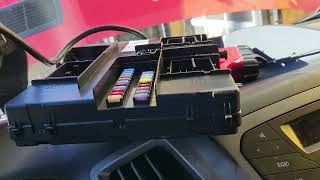
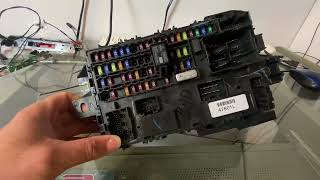
Also known as: Smart Junction Box (SJB), Central Junction Box (CJB), Fuse and Relay Center. Physically integrated with the interior fuse panel.
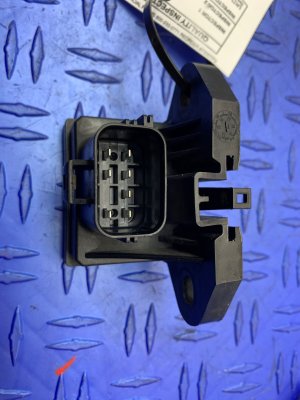
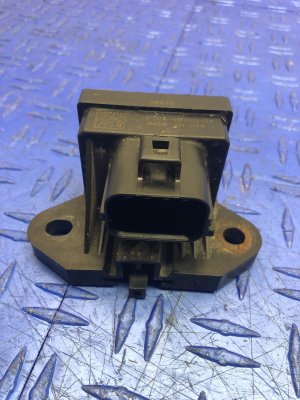
We Have This Part in Stock

The information in this article is provided for general reference and educational purposes only. Vehicle specifications, procedures, and part compatibility can vary by production date, trim level, and region. Always consult your vehicle's factory service manual and verify part numbers before purchasing or performing repairs. Safety-critical components such as airbags, seat belts, and braking systems should be installed by a qualified professional.
- Ford Transit Connect: