

Ford Transit Connect & Fiesta BCM (2010-2013): Symptoms, Part Matching, and Mandatory Programming
This in-depth guide covers the common failures, part numbers, and critical programming requirements for the Body Control Module shared by the 2010-2013 Ford Transit Connect and 2011-2013 Ford Fiesta.
- Programming is MANDATORY. A replacement BCM will not work and the car will not start until it is electronically programmed to the vehicle by a dealer or a properly equipped independent shop.
- You MUST match the engineering ID number (e.g., 9T1T-15K602-AD) printed on your original module's label when buying a replacement.
- At least TWO working keys are required to complete the anti-theft system programming. The process will fail if you only have one key.
- Common failure causes include internal electronic faults and water damage, sometimes from a leaking washer fluid pump allowing fluid to travel through the wiring harness.
Symptoms of a Failing BCM
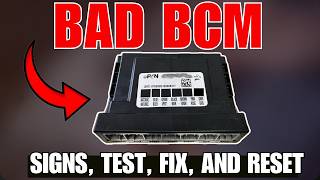
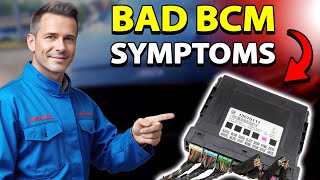
A failing Body Control Module rarely affects how the engine runs, but it can create a wide range of bizarre and frustrating electrical problems. Because the BCM controls so many different systems, you will likely experience multiple issues at once.
🎬 Watch: Top 7 symptoms of a bad body control module- Widespread Electrical Gremlins: This is the most common sign. You might experience issues like the horn honking when you use a turn signal, windows opening when you turn on the high beams, or other strange combinations of unrelated functions.
- Non-Functioning Accessories: One or more systems controlled by the BCM may stop working entirely. This often includes power windows, interior dome lights, power door locks, or the radio.
- Dashboard Lights Up Like a Christmas Tree: Multiple, unrelated warning lights may illuminate on the instrument cluster simultaneously.
- Persistent Battery Drain: A faulty BCM can fail to 'go to sleep' after the vehicle is turned off, causing a parasitic draw that drains the battery, sometimes overnight. You may find yourself needing to jump-start the vehicle frequently.
- Key Fob and Security Problems: The keyless entry remote may stop working, and the vehicle's anti-theft system (PATS) may not recognize your key, resulting in a no-crank, no-start condition. A flashing theft light on the dash is a key indicator.
- Communication Fault Codes: A professional scan tool will often find Diagnostic Trouble Codes (DTCs) related to lost communication. The most common code is U0140 - Lost Communication With Body Control Module.
Is It the BCM or the TCM?
For the 2011-2013 Ford Fiesta equipped with the PowerShift automatic transmission, it is very important to distinguish between a Body Control Module (BCM) failure and a Transmission Control Module (TCM) failure. The TCM on these cars is notoriously problematic and was subject to a warranty extension program (14M02). While a bad BCM causes body electrical issues, a bad TCM will cause symptoms like harsh shifting, loss of power, inability to engage a gear, and a Check Engine light. The problems are separate and require different parts and repairs.
Known Issues and Causes of Failure
While any electronic component can fail over time, these BCMs are known to be susceptible to a few specific issues.
Water Intrusion
One of the most common causes of BCM failure in these and other Ford models is water damage. In some cases, a leaking windscreen washer pump can allow washer fluid to get into the wiring harness. Through capillary action, this moisture can travel the entire length of the wire and drip directly into the BCM's connectors, causing corrosion and short circuits on the main board. When inspecting a BCM, look for any signs of rust, corrosion, or a white/green powdery residue on the pins and connectors.
Internal Failures
Over time, vibrations and thermal cycles can cause microscopic cracks in solder joints on the circuit board. In other Ford models from the same era, recalls were issued for contaminated circuit boards from the factory that could lead to a short circuit and, in rare cases, a fire risk.
Vehicle-Specific Information
The Body Control Module is located in the same general area on both the Ford Transit Connect and Ford Fiesta.
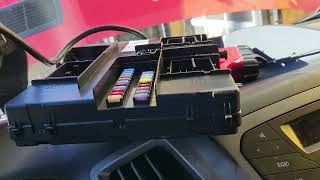
- 2010-2013 Ford Transit Connect: The BCM (also called the GEM) is located on the passenger side of the vehicle, behind the glove box, and is typically attached to the interior fuse panel.
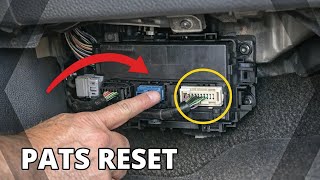
- 2011-2013 Ford Fiesta: The BCM is located in the passenger footwell, behind or underneath the glove box. 🎬 See this walkthrough for Ford Fiesta BCM location and replacement
Warning: The physical replacement of the module is relatively simple, requiring removal of trim panels and disconnecting several electrical connectors. However, the vehicle will not start or function correctly until the new module is programmed.
Buying a Used Body Control Module
Given the high cost of a new OEM module, a used BCM from a reputable recycler is an excellent value. However, you must be extremely careful to buy the correct part.
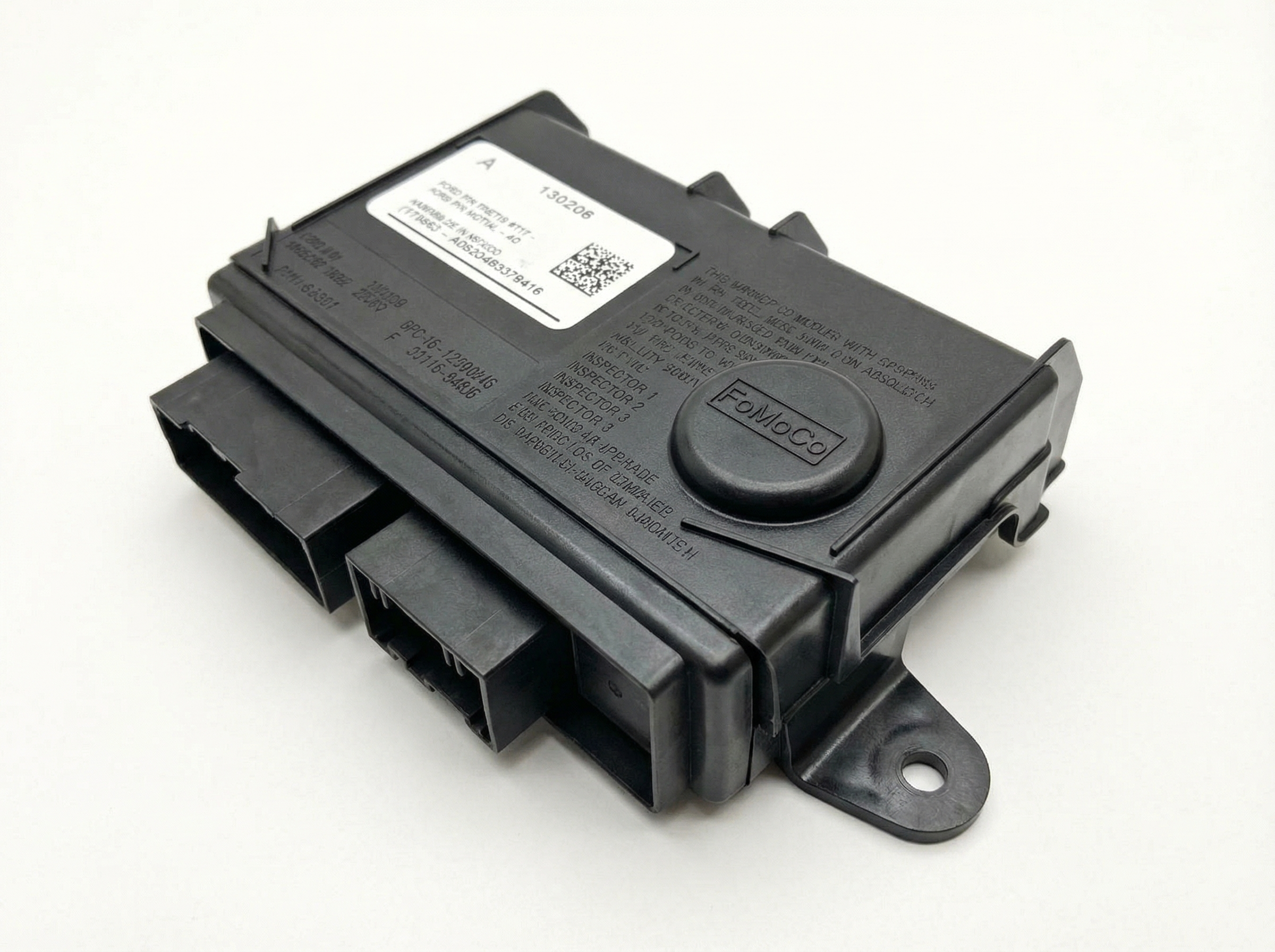
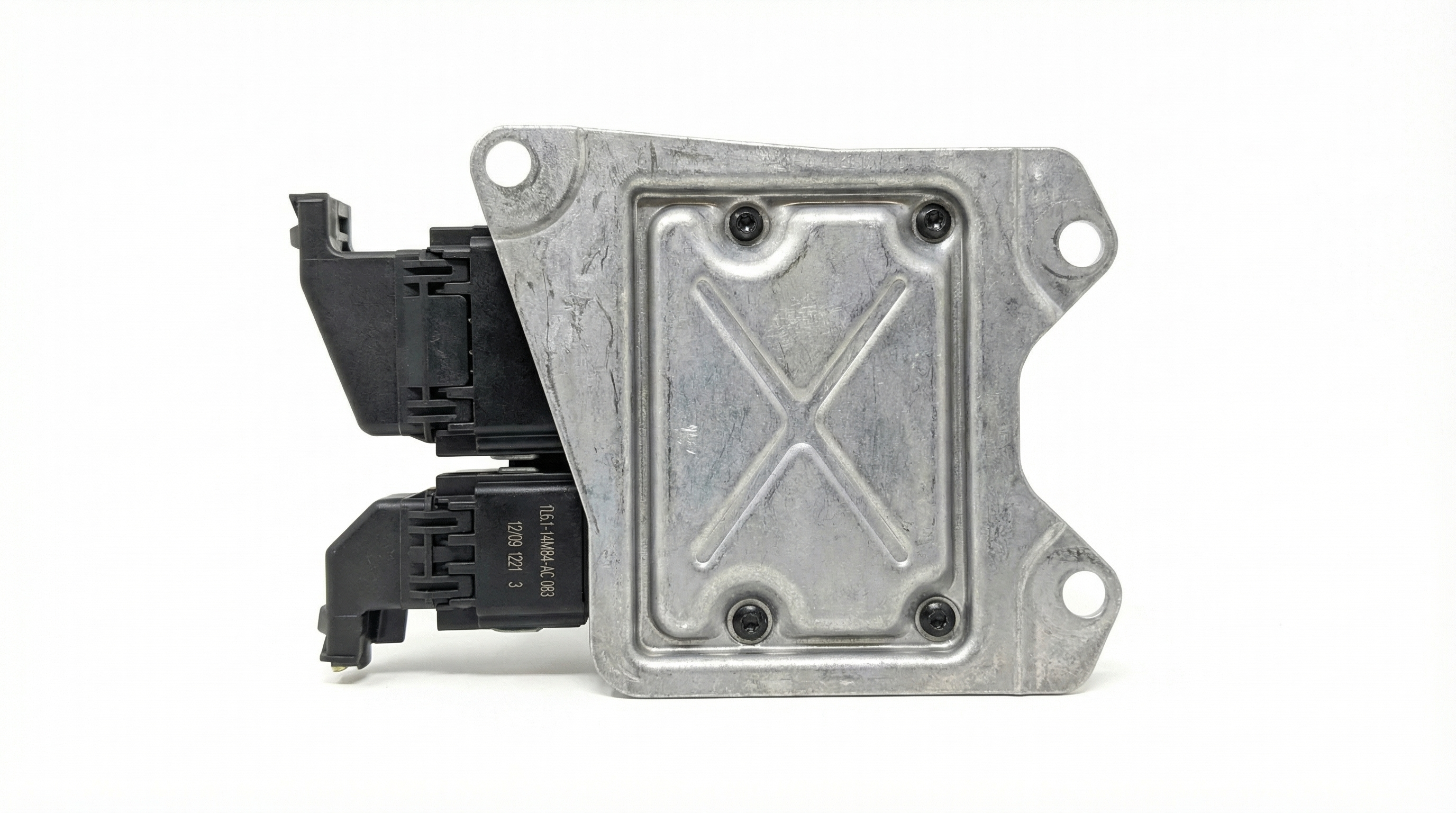
- Match the Engineering ID Number: Do NOT order a BCM based on year, make, and model alone. You MUST remove the original module from your vehicle and match the large-print ID number on the label. For this application, the most critical number is the engineering ID, such as 9T1T-15K602-AD. Other numbers like AE8T-15K600-AF may exist for the Fiesta. Mismatched numbers can lead to programming failures or features not working correctly.
- Physical Inspection: When you receive the used module, carefully inspect all electrical pins and connectors. Look for any signs of corrosion, bent pins, or water damage. If it looks corroded, do not install it.
- Source from a Reputable Supplier: Buy from a supplier that offers a warranty and has good reviews. This gives you recourse if you receive a damaged or incorrect part.
Programming and Installation: This is NOT Plug-and-Play
Installing a replacement BCM—whether new or used—is a two-step process: physical installation and electronic programming. The programming is mandatory and cannot be skipped.
The vehicle will not start until the Passive Anti-Theft System (PATS) is configured in the new BCM. This process involves a security handshake between the BCM, the Powertrain Control Module (PCM), and your vehicle's keys.
Who Can Program a Ford BCM?
- Ford Dealerships: They have the required tools (Ford IDS/FDRS software) and security credentials to perform the programming. This is the most straightforward but also the most expensive option.
- Qualified Independent Shops: Many independent auto repair shops that specialize in diagnostics have the same tools (like an Autel scanner with a J2534 device) and a subscription to the Ford software. They may also need a licensed locksmith ID to perform the security-related functions.
- Mail-In Cloning Services: If your original BCM is still communicating, you can mail it and a compatible replacement module to a specialist service. They will clone the data from your old module to the replacement, making the replacement 100% plug-and-play when you get it back. This can be a great option for DIYers who can handle the physical swap but not the programming.
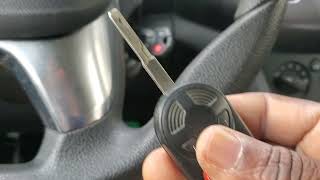
Pro Tip: You MUST have at least TWO working keys for the vehicle to complete the programming process. The procedure involves erasing all previously known keys and then teaching the new BCM to recognize two keys. If you only have one key, the process will fail, and the car will not start.
🎬 Watch: Why you need two keys for the programming processCost to Replace the BCM
The cost can vary dramatically based on the path you choose. Programming is a significant portion of the expense.
| Part/Service | Estimated Cost |
|---|---|
| New OEM BCM (Part Only) | $300 - $900 |
| Used OEM BCM (Part Only) | $25 - $75 |
| Shop Labor (Physical Install) | $100 - $200 (approx. 1 hour) |
| Shop Labor (Programming) | $200 - $800+ (Varies widely by dealer/shop) |
| Total Dealer Replacement (New Part) | $700 - $1,500+ |
| Total DIY Install (Used Part + Shop Programming) | $225 - $875 |
Frequently Asked Questions (FAQ)
Does a replacement BCM for a Fiesta or Transit Connect have to be programmed?
Yes, absolutely. The module must be programmed to your vehicle's specific configuration (As-Built data) and synchronized with the anti-theft system (PATS). The vehicle will not start without this procedure.
Can I program a Ford BCM myself?
For most DIY mechanics, the answer is no. While tools like FORScan can modify some BCM settings, the critical PATS parameter reset requires specific software, security credentials (sometimes a locksmith license), and a mandatory 10-minute security wait that can lock the module if done incorrectly. A mail-in cloning service is the most DIY-friendly option for avoiding dealer programming.
Where is the BCM located on my 2011-2013 Fiesta or 2010-2013 Transit Connect?
On both vehicles, the BCM is located in the passenger side footwell area, behind or below the glove compartment. It is often physically attached to the interior fuse box.
What's the difference between the BCM and the TCM on my Ford Fiesta?
The BCM (Body Control Module) controls body electronics like lights, locks, and windows. The TCM (Transmission Control Module) controls the automatic transmission. On Fiestas with the problematic DPS6 PowerShift transmission, TCM failure is common and causes shifting problems, not the electrical issues associated with a bad BCM.
Helpful Videos
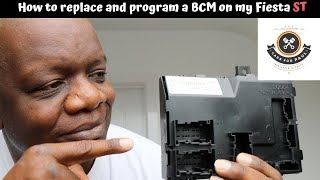
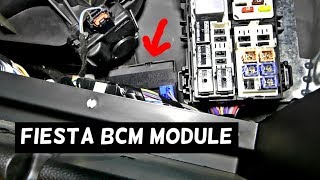
Technical Specifications
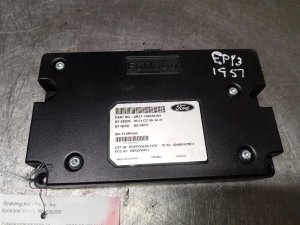
OEM Part Numbers: 9T1T15K602AD 9T1Z15K602A 9T1Z15K602B AE8T-15K600-AF
Controls vehicle body electronics including TPMS, keyless entry, lighting, and the Passive Anti-Theft System (PATS).
We Have This Part in Stock

The information in this article is provided for general reference and educational purposes only. Vehicle specifications, procedures, and part compatibility can vary by production date, trim level, and region. Always consult your vehicle's factory service manual and verify part numbers before purchasing or performing repairs. Safety-critical components such as airbags, seat belts, and braking systems should be installed by a qualified professional.
- Ford Transit Connect:
- Ford Fiesta:
- 🎬 Helpful Videos
- 🛍️ Shop This Part
- Symptoms of a Failing BCM
- Is It the BCM or the TCM?
- Known Issues and Causes of Failure
- Water Intrusion
- Internal Failures
- Vehicle-Specific Information
- Buying a Used Body Control Module
- Programming and Installation: This is NOT Plug-and-Play
- Who Can Program a Ford BCM?
- Cost to Replace the BCM
- Frequently Asked Questions (FAQ)
- 🎟️ Get 5% Off