

2019-2022 Honda HR-V SRS Airbag Module: Why the Airbag Light is On and How to Fix It
This guide explains why your HR-V's airbag light stays on after an accident and details the critical difference between resetting your original module versus buying a replacement.
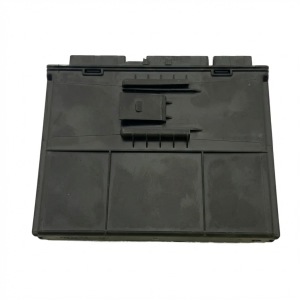
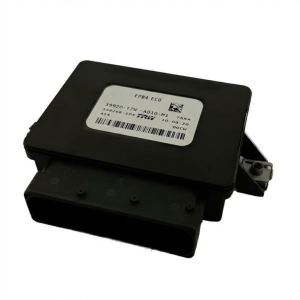
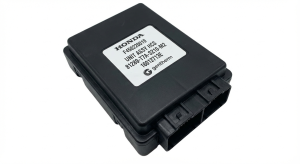
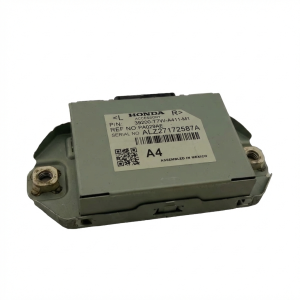
- This part is the SRS Airbag Control Module, not the Body Control Module. Its primary job is to control airbag deployment.
- If the SRS warning light is on, your airbags are DISABLED and will not work in a crash.
- After an accident, the module stores permanent 'crash data' that cannot be cleared with a normal scanner and requires a specialized reset service.
- Resetting your vehicle's original module is the cheapest and easiest solution, as it avoids the need for expensive dealer programming.
Symptoms of a Failing SRS Airbag Module
The signs of a problem with the SRS module are typically very clear, as the system is designed to alert the driver immediately to any fault that could compromise safety.
- Persistent SRS Airbag Warning Light: This is the most common and definitive symptom. When you start your HR-V, the SRS light on the dashboard should illuminate for a few seconds and then turn off. If the light stays on, it indicates a fault within the safety system, and critically, it means your airbags will not deploy in an accident.
- Stored "Crash Data" After an Accident: If the vehicle has been in a collision that was severe enough to trigger the sensors (even if the airbags didn't deploy), the module will store permanent crash data. This will keep the SRS light illuminated even after all physical damage to the vehicle has been repaired. This data cannot be cleared with a standard OBD-II scanner or even by most dealership tools.
- Failure to Communicate with Scan Tools: In cases of internal failure, such as from water damage or an electrical surge, the module itself may become unresponsive and fail to communicate with a diagnostic scan tool.
Warning: Do not ignore the SRS warning light. A constant light means the entire airbag and seatbelt pretensioner system is disabled. In a collision, the vehicle's primary safety features will not function.
Known Issues, Recalls, and Technical Service Bulletins (TSBs)
While there are no widespread recalls or TSBs specifically for the SRS control module on the 2019-2022 Honda HR-V, there are a couple of related safety recalls for this generation that owners should be aware of:
- Passenger Seat Weight Sensor Recall: A recall was issued for some 2020-2022 HR-V models because the front passenger seat weight sensor could crack and short circuit. This could cause the passenger airbag to be deactivated when it should be active, or vice-versa. This is a sensor issue, not a module failure, but it will illuminate the SRS light.
- Rearview Camera Recall: Many 2019-2022 HR-Vs were recalled (NHTSA recall 24V-384) because the rearview camera image may not display when the engine is started. This is an issue with the display audio unit, not the SRS module, but it is a notable electronic problem for these vehicles.
Programming and Reset Requirements
This is the most important concept for anyone dealing with an SRS module issue. Unlike other electronic modules, the SRS module has unique programming needs related to crash data.
After an accident, the module has "hard codes" written to its memory. These codes cannot be erased with a standard scanner. You have two primary options:
- Reset Your Original Module: This is the preferred method. You remove the original module from your vehicle and mail it to a specialized service that clears the crash data. Because it is your vehicle's original module, it retains the correct VIN and configuration data. When you receive it back, it is a simple plug-and-play installation with no further programming required.
- Replace the Module: If you install a new or used module, it will likely need to be programmed to your vehicle's specific VIN and configuration by a Honda dealer or a highly-equipped independent shop. This adds extra cost and complexity to the repair.
Pro Tip: Resetting your original module is almost always cheaper and easier than replacing it. A reset service costs a fraction of a new module and avoids the hassle of VIN programming.
Buying a Used 2019-2022 HR-V SRS Module
Purchasing a used SRS module can be a cost-effective option, but it comes with significant risks. This is THE most important section for anyone considering a used unit.
- Verify It's "Crash-Free": The biggest risk is buying a module that has been removed from a vehicle that was in an accident. If it has crash data stored on it, you will have the exact same problem as your old one—an airbag light that won't turn off. You will then have to pay to have the used module reset.
- Get a Guarantee: Only buy from reputable sellers who explicitly guarantee the module is free of crash data and offer a warranty. Ask the seller directly: "Can you confirm this module was removed from a vehicle that did not have its airbags deployed and has no stored crash data?"
- Match Part Numbers Exactly: Ensure the OEM part number on the used module (e.g., 77960-T7A-A23) perfectly matches the one you are replacing. While there may be some compatibility, an exact match is the safest bet.
- Why Used OEM is a Good Choice: A guaranteed-clean, used OEM Honda module is far superior to a new, cheap aftermarket unit. The OEM module is built to Honda's strict safety and quality standards, ensuring it will communicate correctly with your vehicle's other systems.
Cost Comparison
The cost to resolve an SRS module issue can vary dramatically depending on the path you choose. Here are typical price ranges:
| Service / Part | Estimated Cost |
|---|---|
| New OEM Module (Part Only) | $500 - $700 |
| Used OEM Module (Guaranteed Clean) | $75 - $200 |
| Mail-In Reset Service | $50 - $60 |
| Shop Labor (Replacement) | $220 - $325 |
| Total Cost (New Module + Labor) | $720 - $1,025+ |
| Total Cost (Reset Service + DIY R&R) | $50 - $60 |
DIY Replacement Overview
Replacing the SRS module is feasible for a DIY mechanic with experience in interior trim removal. The module is located in the center of the vehicle, under the center console.
Critical Safety Warning: The SRS system is a safety device. Before beginning any work, you MUST disconnect the negative terminal of the car battery and wait at least 15 minutes. This allows the system's backup power to discharge, preventing accidental deployment of the airbags while you work.
- Disconnect the Battery: Disconnect the negative battery terminal and wait 15 minutes.
- Access the Module: The process involves carefully removing the trim panels around the center console and shifter to gain access to the module, which is bolted to the floor.
- Unbolt and Disconnect: The module is typically held in place by three bolts. Once unbolted, carefully disconnect the electrical connectors.
- Install the New/Reset Module: Bolt the replacement or reset module in place, reconnect the electrical harnesses, and reassemble the console trim.
- Reconnect Battery: Once everything is reassembled, reconnect the battery. The SRS light should now turn off after the initial system check.
Frequently Asked Questions
Can I drive my HR-V with the airbag light on?
No. It is unsafe to drive with the SRS light on. It means your entire airbag system is deactivated and will not protect you in a crash. You should have the vehicle serviced as soon as possible.
Why won't the airbag light turn off after I replaced the deployed airbags?
Because the SRS module stores permanent crash data after an accident. Replacing the airbags and sensors does not clear this data from the module. The module itself must be professionally reset or replaced to turn off the light and re-enable the system.
Can my regular mechanic or a locksmith reset the SRS module?
Generally, no. Clearing crash data is not possible with standard diagnostic tools. It requires specialized hardware and software to directly reprogram the module's memory chip. While a dealer can install and program a new module, only dedicated mail-in services can typically clear the data from your original unit.
Is it better to buy a new module or reset my original one?
Resetting your original module is almost always the better option. It is significantly cheaper and, because it retains your car's VIN, it is a simple plug-and-play solution that does not require an expensive trip to the dealer for programming.
Technical Specifications
OEM Part Numbers: 77960-T7A-A23 77960-T7A-A22
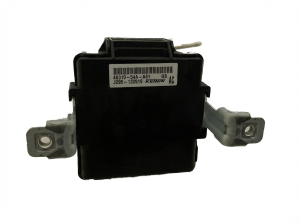
Also known as: SRS Unit, Diagnostic Unit, Airbag Electronic Control Unit (ECU). Location: Bolted to the vehicle floor under the center console.
We Have This Part in Stock

The information in this article is provided for general reference and educational purposes only. Vehicle specifications, procedures, and part compatibility can vary by production date, trim level, and region. Always consult your vehicle's factory service manual and verify part numbers before purchasing or performing repairs. Safety-critical components such as airbags, seat belts, and braking systems should be installed by a qualified professional.
- Honda HR-V: