

2016-2019 Honda Pilot Liftgate Module: Solving an Erratic or Stuck Rear Hatch
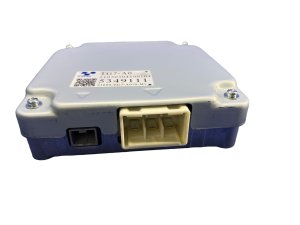
This guide covers the common failures of the power tailgate control unit (part 74970-TG7-A01), why it fails, and the critical programming steps required after replacement.
- This part (74970-TG7-A01) is the Power Liftgate Control Unit, NOT the main Body Control Module (BCM).
- A replacement module, whether new or used, MUST be programmed to the vehicle by a dealer or specialist with Honda software.
- Before replacing the module, always attempt a system reset, as this can often fix erratic behavior like the gate opening and then closing by itself.
- When buying a used module, inspect it carefully for any signs of water damage or corrosion on the case and connectors.
Is This the Right "Body Control Module"?

It is critical to understand that the part number 74970-TG7-A01 is for the Power Liftgate Control Unit, not the main Body Control Module (BCM). While the initial request may have referred to it as a BCM, this module specifically and exclusively controls the automatic rear hatch. The main BCM is a separate component, typically located under the driver's side dashboard, that manages systems like interior lights, power windows, and door locks. This module is located in the rear of the vehicle, near the liftgate assembly.
Symptoms of a Failing Power Liftgate Module


When this module begins to fail, it can cause a range of frustrating issues with the power tailgate. Look for these common signs:
- Tailgate Fails to Open or Close: The most common symptom. Pressing any of the control buttons (key fob, dash, or tailgate) results in no movement, or only a series of beeps.
- Erratic Operation: The liftgate opens fully or partially, then immediately closes on its own. It may also stop moving mid-travel or reverse direction without encountering an obstacle.
- Beeping with No Action: The system beeps as if it's about to work, but the tailgate never moves. This suggests the module is receiving the command but cannot execute it.
- Loss of Hands-Free Features: If your Pilot is equipped with a hands-free kick sensor, it may stop responding even if the buttons still work intermittently.
Before You Replace the Module: Diagnosis & Simple Fixes

Not every liftgate problem is caused by a bad module. Before spending money on a replacement, try these simple diagnostic and reset steps that often solve the problem:
- Check for Obstructions: Over-packing the cargo area can cause the liftgate to be forced shut, which can throw off its calibration. Ensure nothing is blocking the latch or the path of the gate.
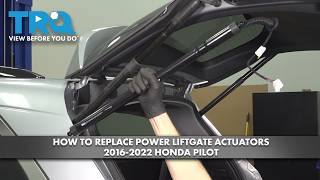
- Inspect the Struts: Weak liftgate struts can prevent the motor from lifting the heavy gate, mimicking a module or motor failure. If the gate feels heavy to lift manually or won't stay open, the struts may be the culprit. 🎬 Watch: How to replace failing power liftgate struts and actuators.
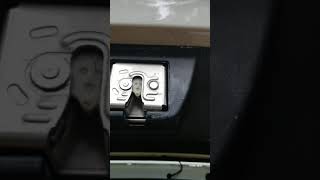
- Perform a System Reset: An electronic glitch is a common cause of erratic behavior. A reset can often restore normal function. Place the vehicle in Park and unlock all doors. Press and hold the dashboard power tailgate button until the gate opens. Press it again to stop it mid-travel. Finally, press the button on the inside edge of the liftgate to let it close automatically. 🎬 Watch: A quick video guide on performing this system reset. This can recalibrate the system.
Pro Tip: Another common issue is a faulty external release switch (the rubber pad on the tailgate). These switches can fail from moisture and use. A technician can test this by bypassing the switch to see if the latch actuates.
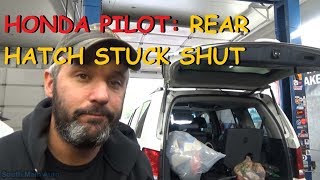
🎬 See how to manually open a hatch that is stuck shut.Known Issues, TSBs, and Recalls
As of early 2026, there are no specific recalls or Technical Service Bulletins (TSBs) from Honda or the NHTSA that directly address the failure of the power liftgate control module for the 2016-2019 Pilot. However, owner forums are filled with reports of power liftgate malfunctions, indicating it is a common real-world problem.
It is important not to confuse this with other recalls for this vehicle generation, such as the one for the hood latch striker (NHTSA 21V-932), which could cause the hood to open while driving. Those issues are unrelated to the rear liftgate system.
Buying a Used Power Liftgate Module
A used OEM module is a smart way to save money, as new aftermarket versions are not readily available and a new OEM unit is expensive. However, since this is a sensitive electronic part, careful purchasing is key.
- Verify the Part Number: You must match the part number exactly. For 2016-2018 Pilot EX-L models, the primary number is 74970-TG7-A01. Some listings show compatibility through 2019. Always confirm the number on your original part before buying.
- Inspect for Water Damage: The module's location in the rear of the vehicle makes it susceptible to water intrusion from a leaking window seal or body seam. Carefully inspect the casing and electrical connectors for any signs of corrosion, rust, or a chalky white residue. Do not buy a module with any signs of moisture damage.
- Budget for Programming: A used module is not a plug-and-play part. It must be programmed to your vehicle's VIN and specific configuration. Factor the cost of programming by a dealer or qualified shop into your total repair cost.
Warning: All electronic modules may require reprogramming to function. An electronic component may not function without proper programming. Do not assume you can install this part yourself and have it work without this crucial step.
Programming Requirements: A Dealer or Specialist is Required
Replacing the power liftgate control module is not a simple DIY swap. The new or used module must be programmed to communicate with the rest of the vehicle's systems, including the main BCM and the key fobs. Without this step, the module will not operate the liftgate. This programming requires specialized Honda-specific diagnostic software (like the Honda HDS) and cannot be performed by most general mechanics. You will need to have the vehicle towed to or driven to a Honda dealership or a well-equipped independent shop that specializes in Honda electronics for the final installation and programming.
Cost Comparison
| Part Type | Estimated Cost |
|---|---|
| New OEM | $350 - $390 |
| New Aftermarket | Not commonly available |
| Used OEM | $75 - $150 |
| Shop Labor (Installation & Programming) | $125 - $250 |
Frequently Asked Questions (FAQ)
Where is the power liftgate module located on a 2016-2019 Honda Pilot?
The power liftgate control module is located in the rear of the vehicle, typically behind the interior trim panel in the cargo area on the driver's or passenger's side. It is not under the dashboard.
Does a replacement liftgate module have to be programmed?
Yes, absolutely. Whether you buy a new or used module, it must be programmed to your vehicle's VIN using Honda-specific diagnostic equipment. It is not a plug-and-play part.
My liftgate opens and then closes by itself. Is the module bad?
Not necessarily. This is a very common symptom that can be caused by the system losing its calibration, often after the gate was manually forced shut or the battery was disconnected. Before replacing the module, try the system reset procedure outlined in the 'Diagnosis & Simple Fixes' section of this guide.
What's the difference between the liftgate module and the main Body Control Module (BCM)?
The liftgate module (74970-TG7-A01) is a single-purpose computer that only controls the power rear hatch. The main BCM is a much more complex module that controls dozens of other body-related functions like lights, locks, windows, wipers, and the security system.
Helpful Videos
Technical Specifications
OEM Part Numbers: 74970-TG7-A01
Fits 2016-2018 Honda Pilot EX-L trims, and potentially 2019 models. Requires programming to the vehicle.
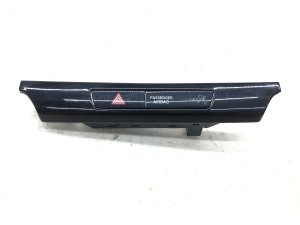
We Have This Part in Stock
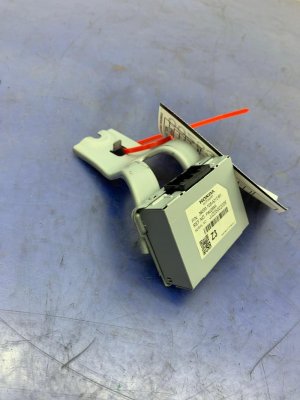
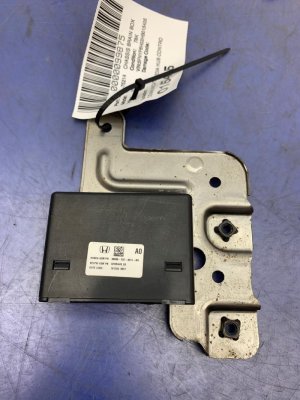

The information in this article is provided for general reference and educational purposes only. Vehicle specifications, procedures, and part compatibility can vary by production date, trim level, and region. Always consult your vehicle's factory service manual and verify part numbers before purchasing or performing repairs. Safety-critical components such as airbags, seat belts, and braking systems should be installed by a qualified professional.
- Honda PILOT:
- 🎬 Helpful Videos
- 🛍️ Shop This Part
- Is This the Right "Body Control Module"?
- Symptoms of a Failing Power Liftgate Module
- Before You Replace the Module: Diagnosis & Simple Fixes
- Known Issues, TSBs, and Recalls
- Buying a Used Power Liftgate Module
- Programming Requirements: A Dealer or Specialist is Required
- Cost Comparison
- Frequently Asked Questions (FAQ)
- 🎟️ Get 5% Off