

Honda Pilot & Ridgeline Body Control Module (MICU) Failure: Diagnosis and Replacement Guide (2005-2014)
Solving the mystery of electrical failures, no-start problems, and the flashing green key light in your 2005-2008 Pilot or 2006-2014 Ridgeline.
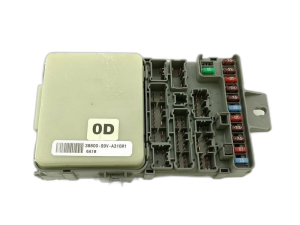
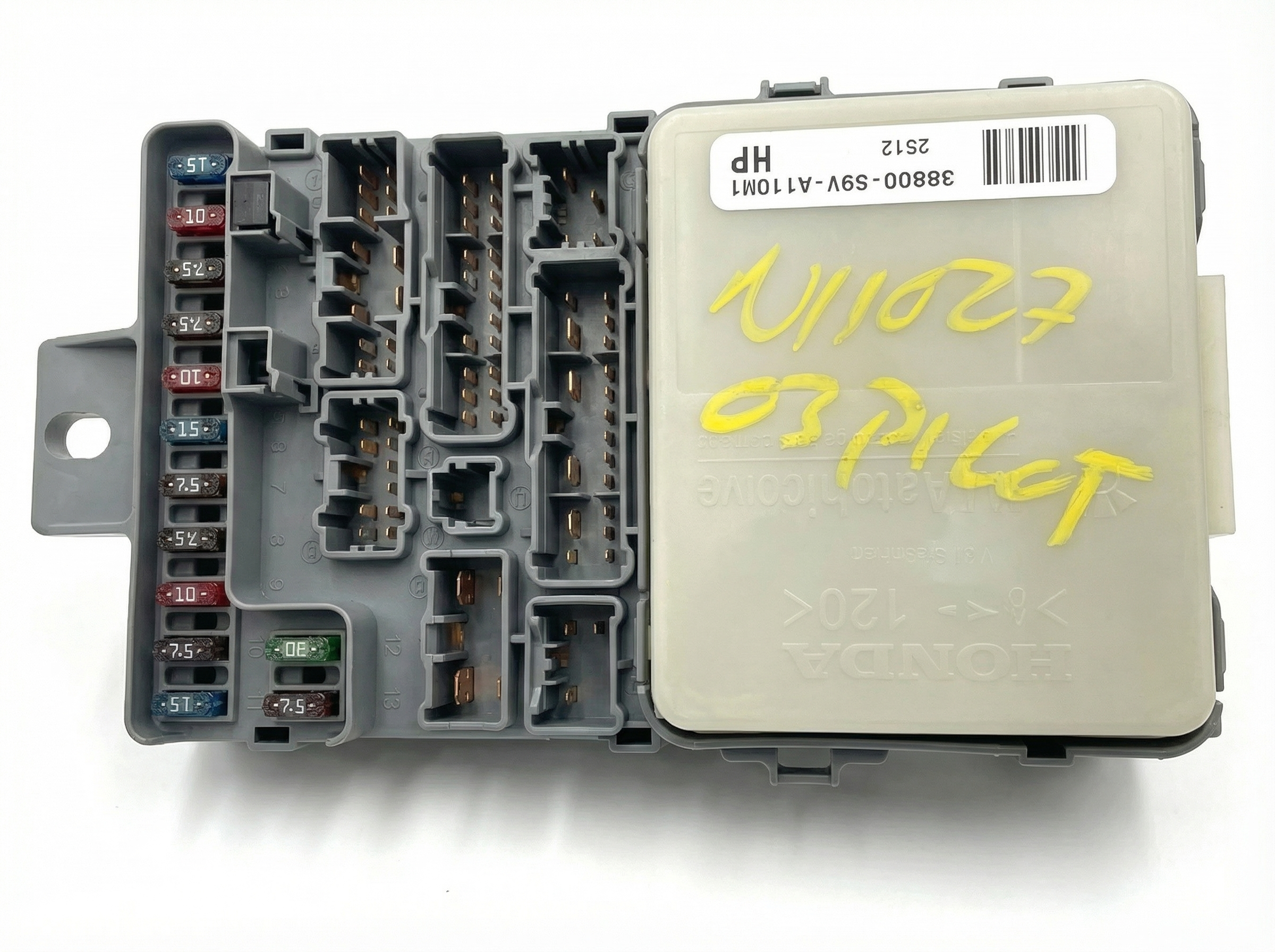
- The part is the driver's side fuse box, called the MICU. It is NOT the TPMS module.
- Replacement is NOT plug-and-play. The new MICU MUST be programmed to the vehicle's immobilizer system by a dealer or well-equipped shop, otherwise the engine will not start.
- For 2005-2008 Pilots, failure is often caused by a water leak from a body seam behind the driver's fender that drips on the MICU.
- For 2006-2014 Ridgelines, the MICU part number is different for different trim levels (e.g., RT vs. RTL) and must be matched exactly.
The #1 Mistake: Confusing the MICU with the TPMS Module

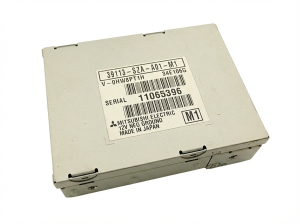
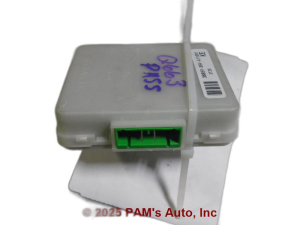
Before diagnosing any issue, it's critical to identify the correct part. Many online listings and even the initial OEM part numbers provided can be misleading. The part numbers 39350-S9V-A0, 39350-S9V-A01, and 39350-S9V-A11 do NOT belong to the main body computer. These numbers identify the vehicle's TPMS (Tire Pressure Monitoring System) Receiver Unit, a small, separate module responsible only for the tire pressure system. The true body control module is the entire driver's side interior fuse box, officially called the Multiplex Integrated Control Unit (MICU). All diagnosis and replacement information in this guide refers to this MICU/fuse box assembly.
Symptoms of a Failing MICU

When the MICU begins to fail, it can cause a wide range of confusing and seemingly unrelated electrical problems. Because it's a central computer, a single fault inside the unit can affect multiple systems at once.
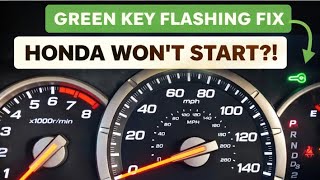
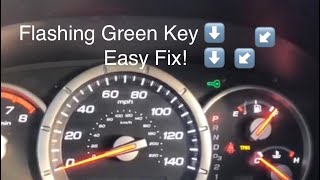
- No-Start with Flashing Green Key Light: This is the most definitive symptom. You turn the key, the engine may or may not crank, but it will not start, and a green key-shaped light flashes on the instrument cluster. This indicates the immobilizer system is not recognizing the key, a common result of MICU failure.
- Multiple Electrical Failures: Several features may stop working at once. Common examples include the power windows, power locks, radio, interior dome lights, and windshield wipers all failing simultaneously.
- Parasitic Battery Drain: The MICU may fail to let other modules go to "sleep" when the vehicle is off, causing a mysterious battery drain that kills the battery overnight.
- Erratic or Non-Functioning Lights: Headlights, taillights, or interior lights may flicker, stay on when they should be off, or not turn on at all.
- Loss of Communication Codes: When a technician scans the vehicle, they may find "U" (Network) or "B" (Body) codes. Specifically, codes like U0140 (Lost Communication With Body Control Module), B1008 (MICU Lost Communication With Gauge Control Module), or U1281 (Gauge Control Module Lost Communication With MICU) point directly to a problem with the MICU or its network connection.
Known Issues and Vehicle-Specific Problems

2005-2008 Honda Pilot: Water Intrusion
Warning: The leading cause of MICU failure in the first-generation Honda Pilot is water damage. A poorly sealed body seam located in the cowl area, behind the driver's side front fender, 🎬 See how water leaks into the cabin and damages wiring. can allow water to drip directly onto the back of the MICU/fuse box. Over time, this moisture causes corrosion on the circuit board, leading to catastrophic failure. If you are replacing a MICU in a Pilot, it is absolutely essential to find and seal this leak to prevent the replacement unit from failing as well.
2006-2014 Honda Ridgeline: Trim Level Compatibility
For the Honda Ridgeline, the MICU/fuse box is not a one-size-fits-all part. There are different units for different trim levels, and they are not interchangeable. For example, the MICU for a base RT or RTS trim is different from the one used in a higher-end RTL or SE trim, which may have additional features like heated seats or a premium audio system. Using the wrong MICU can result in certain features not working. Always match the part number from your original unit exactly.
Programming and Immobilizer Requirements

A replacement MICU, whether new or used, MUST be programmed to the vehicle. This is not an optional step. The MICU is a critical component of the immobilizer security system. If you install a replacement unit without programming, the vehicle will not start and the green key light will flash on the dash.
- Who Can Program It? A Honda dealership can always perform the programming using their proprietary Honda Diagnostic System (HDS). However, many professional independent auto repair shops with high-end scan tools (such as Autel or Launch) have the necessary software function, often called "Replace MICU" or similar, to perform the immobilizer relearn procedure. 🎬 Watch: How to program the immobilizer after a module swap. A mobile locksmith specializing in automotive work may also be able to perform this service.
- Is it DIY? For the average DIY mechanic, programming is not feasible due to the cost of the required tools. However, there is an advanced workaround for those with electronics experience.
Pro Tip (Advanced DIY): The vehicle's unique immobilizer data is stored on a small EEPROM chip on the MICU's circuit board. It is possible to carefully desolder this chip from your original, faulty MICU and solder it onto the board of the replacement (used) MICU. This transfers the car's "identity" to the new unit, making it plug-and-play and bypassing the need for expensive software reprogramming. This is a high-skill procedure that carries the risk of damaging both modules if done incorrectly.
Buying a Used Body Control Module (MICU)
Given the high cost of a new MICU, especially for the Ridgeline, a used OEM unit from a reputable recycler is often the best value. Here’s what to look for:
- Match the Part Number Exactly: This is the most important rule. Due to variations by year and trim level, you must match the Honda part number on your original MICU to the letter. Do not rely on visual comparison alone.
- Inspect for Corrosion: Carefully inspect the connectors and casing for any signs of green or white crusty corrosion, which indicates past water damage. For a Pilot, be extra cautious and ask the seller if they can inspect the back of the unit. Avoid any module that shows signs of moisture.
- Source from a Reputable Seller: Purchase from a seller that offers a warranty and has good reviews. This gives you protection in case the unit is dead on arrival.
- Factor in Programming Costs: Remember that you will need to pay for programming. Call local independent shops or locksmiths beforehand to get a quote for a "Honda MICU replacement programming" service so you know the total cost.
Cost Comparison
Prices can vary significantly based on the specific vehicle and part number. The MICU for the Ridgeline is generally much more expensive than the one for the Pilot.
| Part/Service | 2005-2008 Honda Pilot | 2006-2014 Honda Ridgeline |
|---|---|---|
| New OEM (Dealer) | $115 - $170 | $250 - $1,400+ (Varies by trim/year) |
| New Aftermarket | Not Generally Available | Not Generally Available |
| Used OEM (Recycled) | $50 - $150 | $100 - $300+ |
| Shop Labor (Replacement & Programming) | $150 - $300 | $150 - $300 |
Frequently Asked Questions (FAQ)
Do I really need to program a replacement MICU?
Yes, absolutely. The MICU is tied to the vehicle's immobilizer system. Without programming, the car will not recognize your keys and will not start. You will see a flashing green key symbol on the dashboard.
Where is the MICU located on my Pilot or Ridgeline?
The MICU is the driver's side interior fuse box, located under the dashboard to the left of the steering column.
Can a locksmith program the new MICU?
Some well-equipped automotive locksmiths can. You need to specifically ask if they have the equipment to perform a "Honda MICU replacement" or "immobilizer relearn" procedure. It requires more than a standard key programming tool.
Why did my Honda Pilot's MICU fail?
The most common reason for failure in the 2005-2008 Pilot is water damage. A known leaking body seam behind the driver's fender allows water to drip onto the fuse box, causing corrosion and electrical shorts. It is critical to fix the leak when replacing the part.
Can I just replace a fuse instead of the whole box?
If your problem is caused by a single blown plug-in fuse, then yes. However, the issues described in this guide are typically caused by an internal failure of the MICU's circuit board itself. In this case, replacing individual fuses will not solve the problem and the entire MICU/fuse box assembly must be replaced.
Helpful Videos

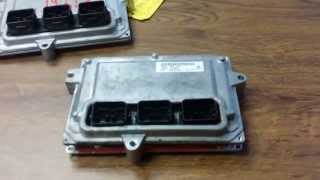
Technical Specifications
OEM Part Numbers: 38800-S9V-A21 38200-SJC-A01 38200-SJC-A02 38200-SJC-A11 38200-SJC-A14
This component is the Multiplex Integrated Control Unit (MICU), integrated into the driver's side under-dash fuse/relay box. It operates on the vehicle's B-CAN and F-CAN networks.
We Have This Part in Stock

The information in this article is provided for general reference and educational purposes only. Vehicle specifications, procedures, and part compatibility can vary by production date, trim level, and region. Always consult your vehicle's factory service manual and verify part numbers before purchasing or performing repairs. Safety-critical components such as airbags, seat belts, and braking systems should be installed by a qualified professional.
- Honda Pilot:
- Honda Ridgeline:
- 🎬 Helpful Videos
- 🛍️ Shop This Part
- The #1 Mistake: Confusing the MICU with the TPMS Module
- Symptoms of a Failing MICU
- Known Issues and Vehicle-Specific Problems
- 2005-2008 Honda Pilot: Water Intrusion
- 2006-2014 Honda Ridgeline: Trim Level Compatibility
- Programming and Immobilizer Requirements
- Buying a Used Body Control Module (MICU)
- Cost Comparison
- Frequently Asked Questions (FAQ)
- 🎟️ Get 5% Off