

2017-2018 Hyundai Elantra Body Control Module: Fixing Electrical Faults & Programming Guide
This guide details common BCM failure symptoms, clarifies critical part number differences, and explains the mandatory programming required for replacement.
- A replacement BCM must be programmed by a dealer or qualified shop to start the car.
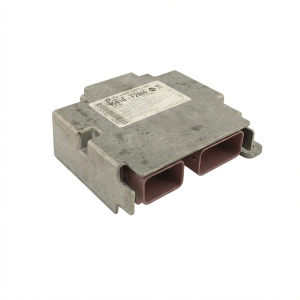
- The OEM part number 95910-F2000 is for the Airbag Module, NOT the Body Control Module. Verify your original BCM's part number before buying.
- Common failure symptoms include erratic lights, dead battery, and malfunctioning windows/locks.
- Buying a used OEM module can save over 80% on the part cost, but you must budget for professional programming.
Critical Warning: Body Control Module (BCM) vs. Airbag Module (ACM)
Important: The part number you may have, 95910-F2000, is for the Airbag Control Module (ACM), also known as the SRS module. It is NOT the Body Control Module. These are two separate parts with different functions.
- The Body Control Module (BCM) controls lights, windows, locks, and other accessories.
- The Airbag Control Module (ACM/SRS) controls the airbag system and seat belt pre-tensioners.
This guide is for the Body Control Module (BCM). Ensure you are purchasing the correct part for the symptoms you are experiencing.
Symptoms of a Failing Body Control Module
A failing BCM can cause a wide range of strange and intermittent electrical problems. Because the BCM controls so many different systems, you will often experience more than one of these issues at the same time.
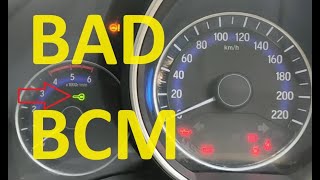
🎬 Watch: Common symptoms of a failing Body Control Module- Erratic Lights: Headlights, taillights, or interior lights may flicker, stay on when the car is off, or not turn on at all.
- Power Window and Lock Malfunctions: Windows may not go up or down, or door locks may operate on their own or not respond to the switch or key fob.
- Key Fob and Security System Issues: The keyless entry remote may stop working, or the factory alarm may trigger randomly. In some cases, the immobilizer light may stay on, preventing the car from starting.
- Parasitic Battery Drain: A faulty BCM can fail to shut down a system, causing the component to draw power continuously and drain the battery while the car is parked.
- Dashboard Warning Lights: Multiple, unrelated warning lights may appear on the instrument cluster, sometimes described as looking like a "Christmas tree". This happens when the BCM loses communication with other modules.
- No-Start Condition: The BCM is a key part of the immobilizer system. If it fails to recognize the key, the engine will not crank or start.
Associated OBD-II Trouble Codes
A failing BCM often stores communication-related fault codes. While a standard code reader may not see them, a more advanced scan tool can pull codes from the body module. Look for "U" (Network) or "B" (Body) codes, such as:
- B1602: CAN Error
- B1603: CAN Communication Bus Off
These codes point to a communication breakdown on the vehicle's network, and the BCM is a common cause.
Known Issues, Recalls, and TSBs
As of early 2026, there are no active recalls specifically for the Body Control Module on the 2017-2018 Hyundai Elantra. However, several related campaigns exist for the electrical system:
- NHTSA Recall 18V-137 (ABS Module): Some Elantras were recalled for an issue where moisture could enter the Anti-Lock Brake System (ABS) module, potentially causing a short and increasing fire risk. This is a separate module from the BCM.
- NHTSA Recall 17V-152 (Power Steering): A small number of 2017 Elantras were recalled for a bad connector on the electronic power steering motor, which could cause a loss of steering assist.
- TSB 23-01-014H-2 (Anti-Theft): Hyundai released a Technical Service Bulletin for an anti-theft software upgrade for vehicles not equipped with an engine immobilizer, a system managed in part by the BCM.
Programming and Immobilizer Requirements
Warning: A replacement Body Control Module MUST BE PROGRAMMED to the vehicle after installation. It is not a plug-and-play part.
This is the most critical step of the replacement process. The BCM is tied to the vehicle's anti-theft immobilizer system and must be configured to your car's specific Vehicle Identification Number (VIN) and options. If you simply swap the module, the car will not recognize your keys and will not start.
Who Can Program a Hyundai BCM?
- Hyundai Dealerships: They have the required GDS (Global Diagnostic System) scan tool and software to perform the programming and key relearn procedure. This is the most reliable option.
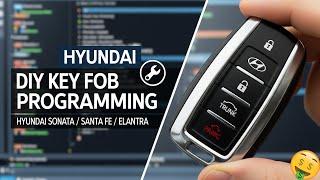
- Independent Repair Shops: Many professional shops that specialize in diagnostics have advanced scan tools (like Autel or Snap-on) with the capability to program Hyundai modules. Always call ahead and confirm they can perform BCM programming and key registration 🎬 Watch: How a professional scan tool programs Hyundai keys for your specific vehicle.
- Automotive Locksmiths: Some mobile locksmiths have the specialized equipment to program BCMs and keys. This can be a convenient option, but you must verify their capabilities beforehand.
A basic OBD-II code reader cannot perform this function. You must budget for this programming service when purchasing a replacement BCM.
Buying a Used Body Control Module
Purchasing a used OEM Body Control Module is an excellent way to save a significant amount of money. Since aftermarket options are not readily available for this model, a used OEM unit is often the best choice outside of a new part from the dealer.
How to Ensure Compatibility
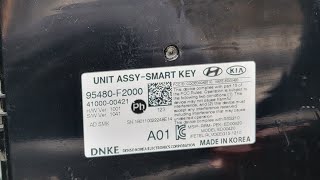
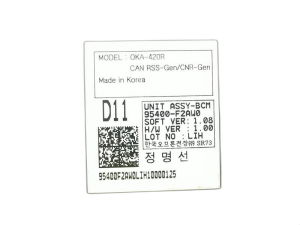
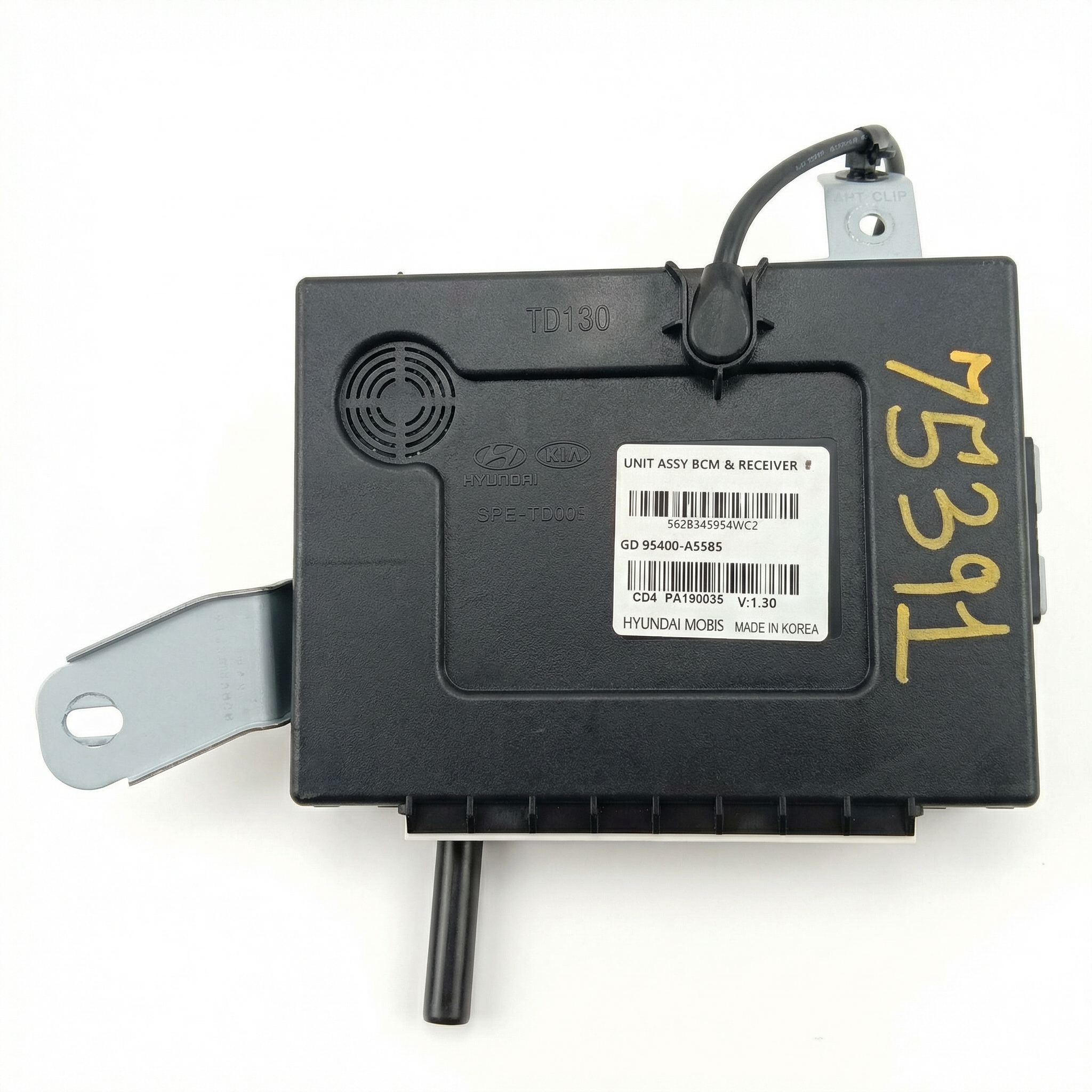
- Match the Part Number Exactly: This is the most important rule. Hyundai uses several different BCMs for the 2017-2018 Elantra based on trim level and options. The most common difference is for vehicles with a smart key (push-button start) versus a conventional turn-key ignition. Check the part number on your original module before ordering. Common part numbers include 95400-F2AW0 (with smart key) and 95400-F2AX0.
- Inspect the Part: When you receive the used module, check the connectors for any signs of corrosion, bent pins, or heat damage. Ensure the plastic casing is not cracked or broken.
- Buy from Reputable Sellers: Purchase from sellers who offer a warranty and have good reviews. Avoid parts from vehicles with flood or fire damage, as this can cause hidden electronic issues.
Pro Tip: When budgeting for the repair, remember to add the cost of programming to the price of the used part. A $50 used BCM that requires a $150 programming service costs $200 to install.
Cost Comparison
Below is an estimated cost breakdown for replacing the BCM. Prices can vary based on your location and the repair shop's labor rates.
| Part Type | Estimated Cost |
|---|---|
| New OEM | $320 - $460 |
| New Aftermarket | Not commonly available |
| Used OEM | $40 - $75 |
| Shop Labor (Installation) | $100 - $175 |
| Shop Labor (Programming) | $100 - $200 |
DIY Replacement Walkthrough
Physically replacing the BCM is a straightforward job for a DIYer with basic tools. However, remember that the vehicle will be disabled until the new module is professionally programmed.
- Difficulty: 2/5 (Physical swap is easy, but programming is required)
- Estimated Time: 0.5 - 1 hour
Tools Needed:
- Socket wrench set (likely 10mm)
- Trim removal tools
- Flashlight
Steps:
- Disconnect the Battery: Disconnect the negative terminal from the car's battery to prevent electrical shorts.
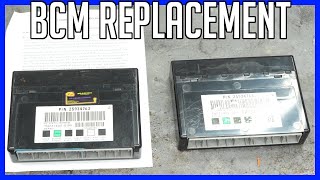
- Locate the BCM: The BCM is located under the driver's side dashboard, typically mounted to or near the interior fuse panel. You may need to remove the lower dash trim panel below the steering wheel for access. 🎬 See this video for BCM location and removal steps
- Unplug the Connectors: Carefully press the release tabs on each electrical connector and pull them straight out from the module. Do not force them.
- Unbolt the Module: The BCM is usually held in place by one or two 10mm bolts or nuts. Remove them and slide the module out of its bracket.
- Install the New Module: Seat the replacement BCM in the mounting bracket and secure it with the bolts/nuts.
- Reconnect Everything: Plug the electrical connectors back into the new BCM until they click securely into place. Reinstall any trim panels you removed and reconnect the negative battery terminal.
- Arrange for Programming: At this point, the car will likely not start. It must be towed to a dealer or have a mobile technician come to you to program the new BCM.
Frequently Asked Questions (FAQ)
Do I absolutely have to program a replacement BCM?
Yes. For the 2017-2018 Elantra, programming is mandatory. The BCM is linked to the vehicle's immobilizer system. Without programming, the car will not recognize your keys and will not start.
Can I drive my car with a bad BCM?
It depends on the symptoms. If the only issue is a malfunctioning power window, you can likely drive it. However, if the BCM is causing a no-start condition, a parasitic battery drain, or affecting exterior lighting, the vehicle is either undrivable or unsafe to operate.
Will a BCM from a different Elantra trim level work?
No, you must match the part number exactly. A BCM from a car with a smart key will not work in a car with a standard key, and vice-versa. Different options require different BCM software and hardware configurations.
Why is a used OEM module often better than a new aftermarket one?
For complex electronics like a BCM, the original equipment (OEM) part is designed to communicate perfectly with all other modules in the car. Aftermarket modules are not widely available for this part, and when they are, they can sometimes have software glitches or compatibility issues. A used OEM module is a reliable and cost-effective choice, provided it is programmed correctly.
Helpful Videos
Technical Specifications
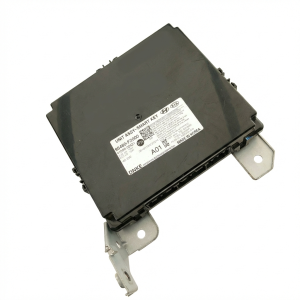
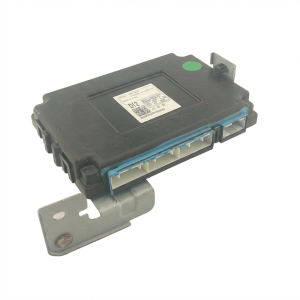
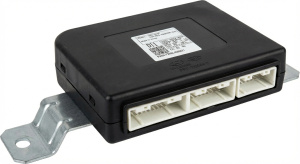
OEM Part Numbers: 95400-F2AW0 95400-F2AX0 95400-F2BB0
Controls vehicle body electronics including lights, locks, windows, wipers, and anti-theft immobilizer. Requires VIN-specific programming and key registration upon installation.
We Have This Part in Stock

The information in this article is provided for general reference and educational purposes only. Vehicle specifications, procedures, and part compatibility can vary by production date, trim level, and region. Always consult your vehicle's factory service manual and verify part numbers before purchasing or performing repairs. Safety-critical components such as airbags, seat belts, and braking systems should be installed by a qualified professional.
- Hyundai Elantra:
- 🎬 Helpful Videos
- 🛍️ Shop This Part
- Critical Warning: Body Control Module (BCM) vs. Airbag Module (ACM)
- Symptoms of a Failing Body Control Module
- Associated OBD-II Trouble Codes
- Known Issues, Recalls, and TSBs
- Programming and Immobilizer Requirements
- Who Can Program a Hyundai BCM?
- Buying a Used Body Control Module
- How to Ensure Compatibility
- Cost Comparison
- DIY Replacement Walkthrough
- Tools Needed:
- Steps:
- Frequently Asked Questions (FAQ)
- 🎟️ Get 5% Off