

2018-2020 Kia Sorento Adaptive Headlamp (AFLS) Module 92170C6500: Not the BCM, and Yes, It Needs Programming
This guide clarifies that the AFLS module (92170C6500) controls your adaptive headlights and almost certainly requires dealer-level programming after replacement.
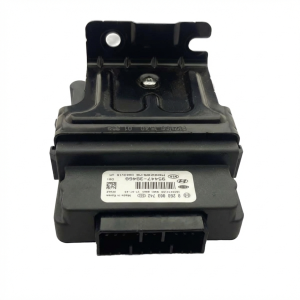
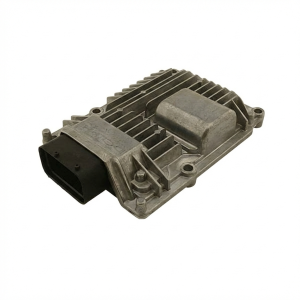
- This part (92170C6500) is the Adaptive Front-Lighting System (AFLS) module, NOT the main Body Control Module (BCM).
- Replacement is NOT plug-and-play; it requires dealer-level programming ('Variant Coding') to function correctly.
- The most common failure symptom is a flashing 'AFS' warning light on the dashboard.
- When buying used, you must match part number 92170C6500 exactly and budget for programming costs.
Is This a Body Control Module (BCM)?
No. This is one of the most common points of confusion for this part. The part number 92170C6500 is exclusively the Adaptive Front-Lighting System (AFLS) Control Module. It only manages the swiveling function of your adaptive headlights. It does not control other body electronics like power windows, door locks, or interior lights.
The main Body Control Module (BCM) in a 2018-2020 Sorento has a different part number (such as 95400-C6000 or 95400-C6525) and is responsible for a much wider range of functions throughout the vehicle. If you are experiencing issues with locks, windows, or other general electronics, the AFLS module is not the cause.
Symptoms of a Failing AFLS Module
When the AFLS module fails, you will notice problems specifically related to the headlight aiming system. Key symptoms include:
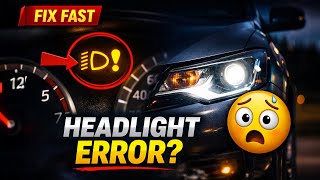
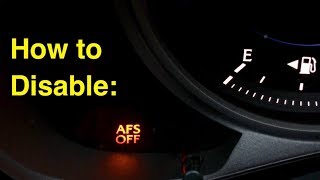
- Flashing "AFS" Warning Light: The most common indicator is a flashing "AFS" light on the instrument cluster. A warning message such as "Check Intelligent Front-Lighting System (IFS)" may also appear.
- Headlights Do Not Swivel: The headlights will stop turning with the steering wheel when driving on curves at night.
- Headlights Stuck in One Position: One or both headlights may become stuck pointing straight ahead, or worse, off to the side or aimed down at the ground.
- Intermittent Flickering or Shutdown: While less common for the module itself, electronic failure can sometimes manifest as flickering or one headlight not turning on, though this can also be a symptom of a failing bulb or ballast.
Pro Tip: Before condemning the module, check for other issues. A flashing AFS light can also be triggered by a faulty steering angle sensor, a bad height level sensor on the suspension, or a problem with the wiring to the headlamp assemblies. Also, ensure the issue isn't simple condensation inside the headlamp, which is a known, and often normal, condition addressed by Kia TSB BOD055.
Programming and Calibration: A Dealer Visit is Likely Required
Important: This module is not a plug-and-play part. After physical installation, it must be electronically configured to the vehicle.
Kia and Hyundai vehicles often require a process called "Variant Coding" when a new electronic control unit is installed. This procedure uses a dealer-level diagnostic tool to tell the vehicle's main computer what features the car has, allowing it to properly communicate with the new module. If this coding is not performed, the module will not function correctly, and you will likely get a persistent "AFS" warning light and a fault code such as C1702 (Variant Coding Error).
While some high-end independent repair shops may have tools capable of this programming, a Kia dealership is the most reliable choice to ensure the replacement is coded correctly. You can perform the physical installation yourself to save on labor costs, but you must plan for a subsequent trip to a dealer or qualified specialist for the final programming step.
Buying a Used AFLS Module
A used OEM module is a cost-effective alternative to a new part, especially since aftermarket versions are not typically available. When purchasing a used module, follow these guidelines:
- Verify the Part Number: Absolutely must match 92170C6500. There are no substitutes.
- Inspect the Connectors: Check the pins for any signs of corrosion, bending, or water damage. A module with clean pins is essential.
- Check for Physical Damage: Look for cracks in the plastic housing or broken mounting tabs.
- Buy From a Reputable Source: Purchase from an automotive recycler that offers a warranty. This protects you in case you receive a defective part.
- Factor in Programming Costs: Remember that the money you save by buying used should be weighed against the additional cost of dealer programming, which is unavoidable.
Known Issues, TSBs, and Recalls (2018-2020 Sorento)
While there are no specific recalls for the AFLS module on the 2018-2020 Sorento, there are some related items of note:
- TSB BOD055: Addresses moisture and condensation inside the headlamp assembly. This is considered normal in many cases and can often be cleared by running the headlights for 30 minutes. This should not be mistaken for a module failure.
- Recall 22V632000 (NHTSA): Pertains to a tow hitch harness module that can short circuit and cause a fire. This affects 2016-2022 Sorentos and is unrelated to the AFLS, but it highlights the importance of addressing electrical system warnings promptly.
| Part Type | Estimated Cost |
|---|---|
| New OEM | $360 - $555 |
| Used OEM | $75 - $175 |
| New Aftermarket | Not commonly available |
| Shop Labor (Installation) | $180 - $315 |
| Dealer Programming | $100 - $200 |
Frequently Asked Questions (FAQ)
Can I install a used AFLS module myself and drive to the dealer for programming?
Yes. The physical installation is feasible for a DIYer with moderate experience. However, until the module is programmed, the adaptive headlight function will not work, and the AFS light will remain on. The headlights may default to a fixed 'safe' position, but their aim may not be optimal, so drive with extra caution at night.
My "AFS" light is flashing. Does that mean this module is definitely bad?
Not necessarily. While the AFLS module is a common cause, the flashing light indicates a fault anywhere in the adaptive lighting system. This could also be a problem with a wheel speed sensor, the steering angle sensor, a suspension height sensor, or the wiring between the module and the headlamps. A proper diagnosis with a scan tool that can read Kia-specific codes is needed to pinpoint the failure.
What is the difference between an AFLS module and a headlight ballast?
They perform very different jobs. The ballast (or HID control unit) is a high-voltage power supply that ignites and powers the HID or LED bulb. The AFLS module is a low-voltage logic controller that tells the motors inside the headlamp assembly when and how far to turn based on vehicle speed and steering input.
Will a module from a different Kia model work?
No. You must use a module with the exact part number 92170C6500 designed for the 2018-2020 Sorento. Even if a module from another vehicle has the same physical connectors, its internal software and programming will be different and will not work correctly.
Helpful Videos
Technical Specifications
OEM Part Numbers: 92170C6500
Also known as: Ecu Assembly Afls, Adaptive Front Lighting System Control Module.
We Have This Part in Stock

The information in this article is provided for general reference and educational purposes only. Vehicle specifications, procedures, and part compatibility can vary by production date, trim level, and region. Always consult your vehicle's factory service manual and verify part numbers before purchasing or performing repairs. Safety-critical components such as airbags, seat belts, and braking systems should be installed by a qualified professional.
- Kia Sorento: