

2004-2008 Mazda 3, 5, 6 & RX-8 Body Control Module: Solving Mysterious Electrical Problems
This guide clarifies the common confusion between the Body Control Module (PJB) and the TPMS module, and explains the critical programming required for a replacement.
- A replacement Body Control Module (PJB) MUST be programmed to the vehicle's VIN by a dealer or specialist to function.
- On the 2004-2006 Mazda 3, check the PJB for corrosion caused by dripping A/C line condensation before condemning the module.
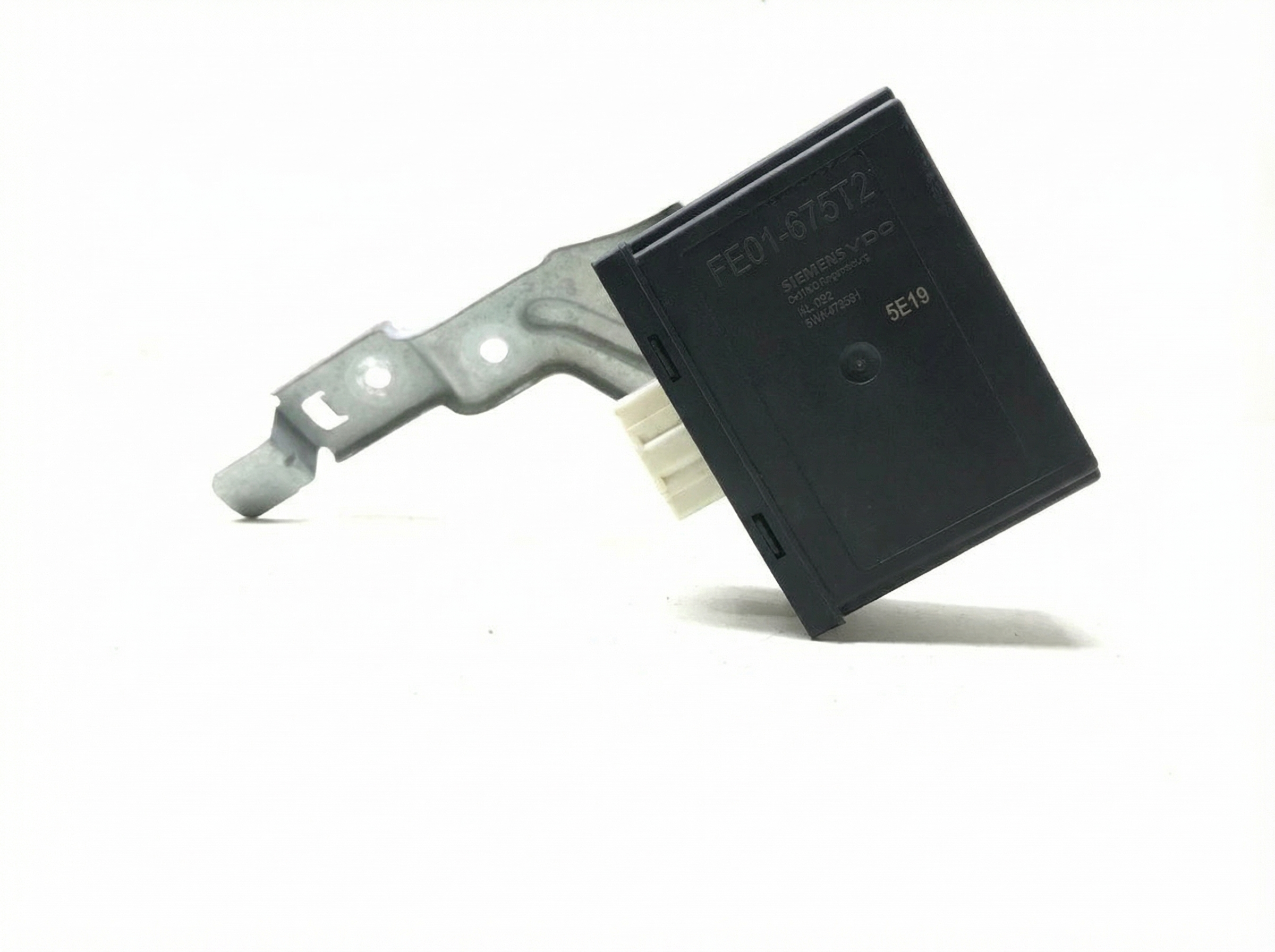
- The main PJB controls most electronics; a separate module (FE01675T2) is used ONLY for the Tire Pressure Monitoring System (TPMS).
- Part numbers must be an EXACT match. Using a module with a different part number will lead to compatibility issues.
Understanding This Part: BCM, PJB, and TPMS Module Explained
When diagnosing electrical issues on a 2004-2006 Mazda 3, 2005 Mazda 6, 2004-2008 Mazda RX-8, or 2006-2007 Mazda 5, there is often confusion about the Body Control Module. For these vehicles, the main component controlling body electronics is the Passenger Junction Box (PJB). This unit integrates the interior fuse panel with a microprocessor and relays, acting as the primary BCM.
Separately, there is a dedicated Tire Pressure Monitoring System (TPMS) Control Module, identified by part number FE01675T2. While this is an electronic control module, its only function is to manage the TPMS. If your only problem is a TPMS warning light, the FE01675T2 module may be the cause. However, if you are experiencing a wide range of unrelated electrical problems, the PJB is the more likely culprit.
Symptoms of a Failing Body Control Module (PJB)
A failing PJB can cause a wide variety of strange and intermittent electrical problems that may seem unrelated. Because the PJB controls so many different circuits, its failure can be confusing to diagnose.
- Lighting Problems: Headlights, taillights, or dashboard lights may not turn on, may stay on constantly, or flicker randomly.
- Power Lock & Window Malfunctions: Doors may not lock or unlock with the remote or interior switches. Power windows may stop working intermittently.
- Parasitic Battery Drain: The PJB may fail to shut down correctly, causing a slow drain that kills the battery when the car is parked for a day or two. This is often traced back to specific CPU or hazard light fuses in the PJB.
- Dashboard Chaos: Multiple, unrelated warning lights may illuminate on the instrument cluster. The speedometer and tachometer may stop working, reading zero while driving.
- No-Start Condition: The module plays a role in the vehicle's security system. A PJB failure can prevent the car from recognizing the key, leading to a no-start or intermittent starting issue where the engine does not crank.
- Associated OBD-II Codes: A faulty PJB may store codes like U0140 (Lost Communication With Body Control Module), B1342 (ECU is faulted), or B2477 (Module configuration failure). You may also see many codes for specific open or shorted circuits it controls.
Vehicle Specific Issue: For the 2004-2006 Mazda 3, a very common failure is caused by water dripping from an air conditioning line onto the PJB and its connectors. This corrosion can cause intermittent or total failure of the headlights and other systems. Inspecting the PJB connectors for green or white corrosion is a key diagnostic step on these vehicles.
Programming and Immobilizer Requirements
This is the most critical information for anyone replacing this part. A replacement Body Control Module (PJB) is NOT a plug-and-play part. It must be programmed to your specific vehicle.
- VIN and Configuration: The PJB is programmed with the vehicle's VIN and specific options (e.g., with or without an alarm system, daytime running lights, etc.). Installing a module from another car without reprogramming will cause features to work incorrectly or not at all.
- Immobilizer Link: The PJB is a key part of the vehicle's anti-theft immobilizer system. It must be synchronized with the vehicle's keys and the Powertrain Control Module (PCM). If this procedure is not performed, the vehicle will not start.
- Who Can Program It? This programming requires a Mazda-specific diagnostic tool (like the M-MDS) and a subscription to their service network to download the correct 'as-built' data for your VIN. This typically means a visit to a Mazda dealership is required. Some high-end independent shops specializing in automotive electronics may also have this capability.
Warning: Installing a used PJB from a salvage yard without having it professionally reprogrammed will likely result in a no-start condition and other electrical faults. The cost of programming must be factored into the total repair cost.
Buying a Used Body Control Module
A used OEM module can be a cost-effective solution, but careful purchasing is essential to avoid creating more problems.
- Match Part Numbers Exactly: The part number on the replacement module must be an exact match to your original. Mazda produced many variations based on trim level, model year, and options. A Mazda technician on a forum emphasized that the part number must be 100% identical.
- Inspect for Corrosion: Especially for parts from a Mazda 3, carefully inspect all electrical pins and connectors for any signs of green or white corrosion, which indicates water damage. Do not buy a module that shows any signs of moisture intrusion.
- Plan for Programming: Before you buy, contact your local Mazda dealer or a qualified independent shop to confirm they are willing and able to program a used module. Some dealerships may refuse to program customer-supplied used parts. Confirm the cost of this service beforehand.
- Verify the TPMS Module: If your only issue is with the tire pressure light, ensure you are buying the specific TPMS module (FE01675T2) and not the entire PJB.
Cost Comparison
| Part Type | Estimated Cost (Part Only) |
|---|---|
| New OEM (Dealer) | $550 - $800+ |
| New Aftermarket | Not commonly available |
| Used OEM | $75 - $200 |
| Remanufactured | $250 - $400 |
| Shop Labor & Programming | $150 - $400 |
Frequently Asked Questions (FAQ)
Do I have to take my car to the dealer to replace the BCM?
While you can physically swap the module yourself, the vehicle will not start or run correctly until the replacement BCM (PJB) is programmed. This programming almost always requires a trip to a Mazda dealer or a specialist with Mazda-specific diagnostic equipment.
Can I use a BCM from a different model, like an RX-8 module in a Mazda 3?
No. Even if the part looks similar, the internal software and configuration are specific to the vehicle's model, year, and options. You must use a module with the exact same OEM part number as the one you are replacing.
My only problem is the TPMS light. Do I need to replace the whole PJB?
No, likely not. These vehicles use a separate, dedicated TPMS Control Module (part number FE01675T2). If your only symptom is a persistent TPMS warning light (and you've confirmed tire pressures and wheel sensors are good), you should diagnose and replace only the TPMS module.
What is the difference between a BCM and a PJB?
In this generation of Mazda vehicles, the terms are often used interchangeably. The Passenger Junction Box (PJB) is the specific name for the component that serves as the Body Control Module (BCM). It's located behind the glove compartment and also contains the interior fuse panel.
Technical Specifications
OEM Part Numbers: FE01675T2 (TPMS Module Only) BN8B66730C (PJB Example) CC4567560B (PJB Example) CC4667560B (PJB Example)
This module is for vehicles equipped with a Tire Pressure Monitoring System (TPMS). For the 2008 Mazda RX-8, part FE01675T2 fits only vehicles manufactured on or before August 31, 2007.
We Have This Part in Stock

The information in this article is provided for general reference and educational purposes only. Vehicle specifications, procedures, and part compatibility can vary by production date, trim level, and region. Always consult your vehicle's factory service manual and verify part numbers before purchasing or performing repairs. Safety-critical components such as airbags, seat belts, and braking systems should be installed by a qualified professional.
- Mazda 3:
- Mazda 6:
- Mazda RX-8:
- Mazda 5: