

1995-1997 Mazda 626 & MX-6 Body Control Module: Solving Your Car's Electrical Gremlins
Your complete guide to diagnosing, replacing, and buying the right Body Control Module for your 1995-1997 Mazda 626 or Mazda MX-6.
- Compatibility is critical: For 1995 models, verify the vehicle production date is on or after 09/27/1994. For all years, you must match the OEM part number exactly (e.g., KL86189E1).
- Be prepared for programming: Due to the factory immobilizer, a replacement BCM may require programming by a dealer or locksmith to allow the car to start.
- Symptoms are electrical, not mechanical: A bad BCM causes issues like erratic lights, dead batteries, and failing power accessories, but typically does not affect how the engine runs.
- Location: The BCM is under the driver's side dash, not to be confused with the Engine Control Unit (ECU) which is in the center console.
Symptoms of a Failing BCM in a 1995-1997 Mazda 626 or MX-6
A faulty Body Control Module can make it seem like your car is haunted. Because the BCM controls so many different electrical systems, failures often show up as a cluster of unrelated, intermittent problems. If you're experiencing several of the following issues at once, the BCM is a likely suspect.
- Erratic Electrical Functions: This is the most common sign. Power windows may not open or close, power locks might work randomly, the radio may turn on or off by itself, and the windshield wipers could activate without being switched on.
- Lighting Problems: Headlights, taillights, or interior lights may flicker, stay on when the car is off, or not turn on at all.
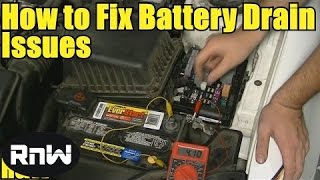
- Parasitic Battery Drain: A classic symptom is a battery that repeatedly dies overnight. A bad BCM can fail to shut down a circuit when the car is off, causing a slow but steady drain on the battery. 🎬 Watch: How to perform a parasitic draw test on your vehicle
- Dashboard Warning Lights: The dashboard may light up with multiple, seemingly random warning lights for systems like ABS, airbags, or traction control. This happens when the BCM can no longer communicate correctly with other modules in the vehicle.
- Security System and Starting Issues: The factory alarm may go off for no reason, or the keyless entry remote may stop working. In some cases, a bad BCM can prevent the car from starting by failing to recognize the key or send the 'start' signal from the ignition. A forum post regarding a 1995 MX-6 described a no-start condition where a "Security" light on the dash indicated a problem with the immobilizer system, which was tied to the BCM and ECU.
Known Issues, Recalls, and Technical Service Bulletins (TSBs)
For vehicles of this age, formal manufacturer campaigns are rare. Research did not uncover any specific recalls or TSBs from Mazda or the NHTSA related to the Body Control Module for the 1995-1997 Mazda 626 and MX-6. Most known issues are based on owner reports in online forums and general component failure patterns. The most significant issue reported by owners is the link between the BCM and the vehicle's anti-theft or immobilizer system, which can lead to a no-start condition.
Important Compatibility Note: For 1995 models, this module is specified for vehicles built from September 27, 1994, onwards. You must verify your vehicle's production date before purchasing a replacement. This date is usually found on a sticker inside the driver's side door jamb.
Diagnosing a Faulty BCM
Before condemning the BCM, it's important to rule out simpler problems.
- Check Fuses: Always start by checking all related fuses. A single blown fuse can disable multiple systems.
- Check the Battery and Ground: Ensure your car battery is fully charged and in good health. All computer modules require a stable power supply and a solid ground connection to function properly.
- Visual Inspection: The most common cause of BCM failure is damage from water, vibration, or electrical shorts. Once you locate the BCM, inspect it and its connectors for any signs of green or white corrosion, burn marks, or moisture. Sometimes just unplugging and reseating the connectors can fix a poor connection.
- Scan for Codes: A professional scan tool that can read body codes (often starting with 'B' or 'U') can be very helpful. A common code is U0140, which indicates a loss of communication with the Body Control Module.
Buying a Used Body Control Module
For the 1995-1997 Mazda 626 and MX-6, a used OEM module is the most practical and affordable option. New units are likely discontinued, and aftermarket options are rare and may lack the correct programming.
- Match the Part Number Exactly: The most critical step is to match the OEM part number on your original BCM to the one you are buying. Known part numbers are KL86189E1 and KL86189E1E. Do not rely on visual similarity; the internal programming must be identical.
- Verify the Production Date: As mentioned, if you have a 1995 model, confirm your car was built on or after 09/27/1994.
- Inspect the Part: When buying online, carefully examine the photos. Avoid any units that show signs of corrosion, water damage, or evidence of being opened or tampered with.
- Check the Warranty/Return Policy: Buy from a reputable seller that offers a warranty and a clear return policy. This protects you in case the part is dead on arrival.
Programming and Immobilizer Considerations
This is the most important question for any BCM replacement. For the 1995-1997 Mazda 626 and MX-6, the answer is complex.
- Keyless Entry Remotes: The key fobs for locking and unlocking the doors can be reprogrammed by the owner using a simple procedure of key turns and door opening/closing sequences. This is separate from the BCM itself.
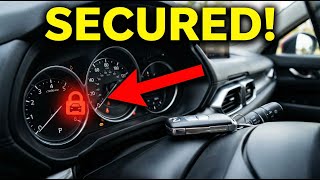
- Immobilizer System: These vehicles were equipped with an anti-theft system (immobilizer) that uses a transponder chip in the ignition key. 🎬 See this overview of the Mazda anti-theft system This system is designed to prevent the car from starting if the correct key is not used. The BCM is often part of this security system.
Warning: Because of the immobilizer link, a replacement BCM may not be a simple "plug-and-play" installation. The vehicle may not start after swapping the module until the replacement BCM is programmed or synchronized to your existing keys. This procedure may require a visit to a Mazda dealership or a well-equipped automotive locksmith with the appropriate diagnostic tools.
Replacement Procedure Overview
Replacing the BCM is a feasible DIY job for those comfortable working under the dashboard.
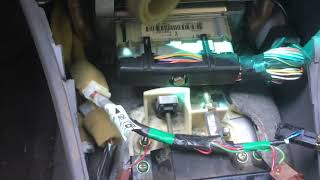
Pro Tip: Do not confuse the Body Control Module (BCM) with the Engine Control Unit (ECU/PCM). On these cars, the ECU is often located in the center console area, behind the radio. 🎬 Watch: How to remove the ECU on a Mazda 626 The BCM is typically found under the driver's side dashboard, near the interior fuse panel and kick panel.
- Disconnect the Battery: Always disconnect the negative battery terminal before working on any electronic components.
- Access the BCM: Remove the driver's side lower dash panels, scuff plate, and kick panel to gain access to the module.
- Remove the Old Module: Unplug the electrical connectors (they have locking tabs that must be depressed) and unbolt the module from its bracket.
- Install the New Module: Bolt the replacement BCM into place and securely reconnect all electrical connectors.
- Reconnect Battery and Test: Reconnect the battery and test all functions (lights, locks, windows, etc.). Attempt to start the vehicle. If it does not start and a security light is flashing, it will likely require the immobilizer programming mentioned above.
Cost of Replacing a BCM
Costs can vary significantly based on the source of the part and labor rates in your area.
| Part/Service | Estimated Cost |
|---|---|
| New OEM Part | $400 - $600+ (Likely Discontinued) |
| New Aftermarket Part | Not commonly available |
| Used OEM Part | $50 - $150 |
| Remanufactured Part | $150 - $400 |
| Shop Labor | $100 - $200 (1-1.5 hours) |
| Total (Used OEM + DIY) | $50 - $150 |
| Total (Used OEM + Shop) | $150 - $350 |
Frequently Asked Questions (FAQ)
Does a replacement BCM for a 1995-1997 Mazda 626/MX-6 need to be programmed?
Possibly. Due to the factory immobilizer system, the car may not start after the BCM is replaced. If this happens, the module will need to be synchronized to your keys by a dealer or a specialized locksmith. You should be prepared for this extra step and potential cost.
Where is the BCM located on the Mazda 626 and MX-6?
The BCM is typically located under the dashboard on the driver's side, often near the interior fuse box or behind the kick panel. It is a separate module from the engine computer (ECU), which is in the center console.
Can a bad BCM cause a parasitic battery drain?
Yes, this is one of the most common symptoms. A faulty BCM can fail to turn off an electrical component, like an interior light or a relay, causing a continuous power draw that drains the battery when the car is parked.
What is the difference between a BCM and an ECU?
The BCM (Body Control Module) manages body and interior electronics like lights, windows, and locks. The ECU (Engine Control Unit), also called a PCM, is the main computer for the engine and transmission, controlling fuel injection, ignition timing, and emissions systems. A BCM failure will cause electrical problems, while an ECU failure will cause the engine to run poorly or not at all.
Helpful Videos
Technical Specifications
OEM Part Numbers: KL86189E1 KL86189E1E
Controls body electronics including, but not limited to, power windows, power locks, interior/exterior lighting, wipers, and the anti-theft system.
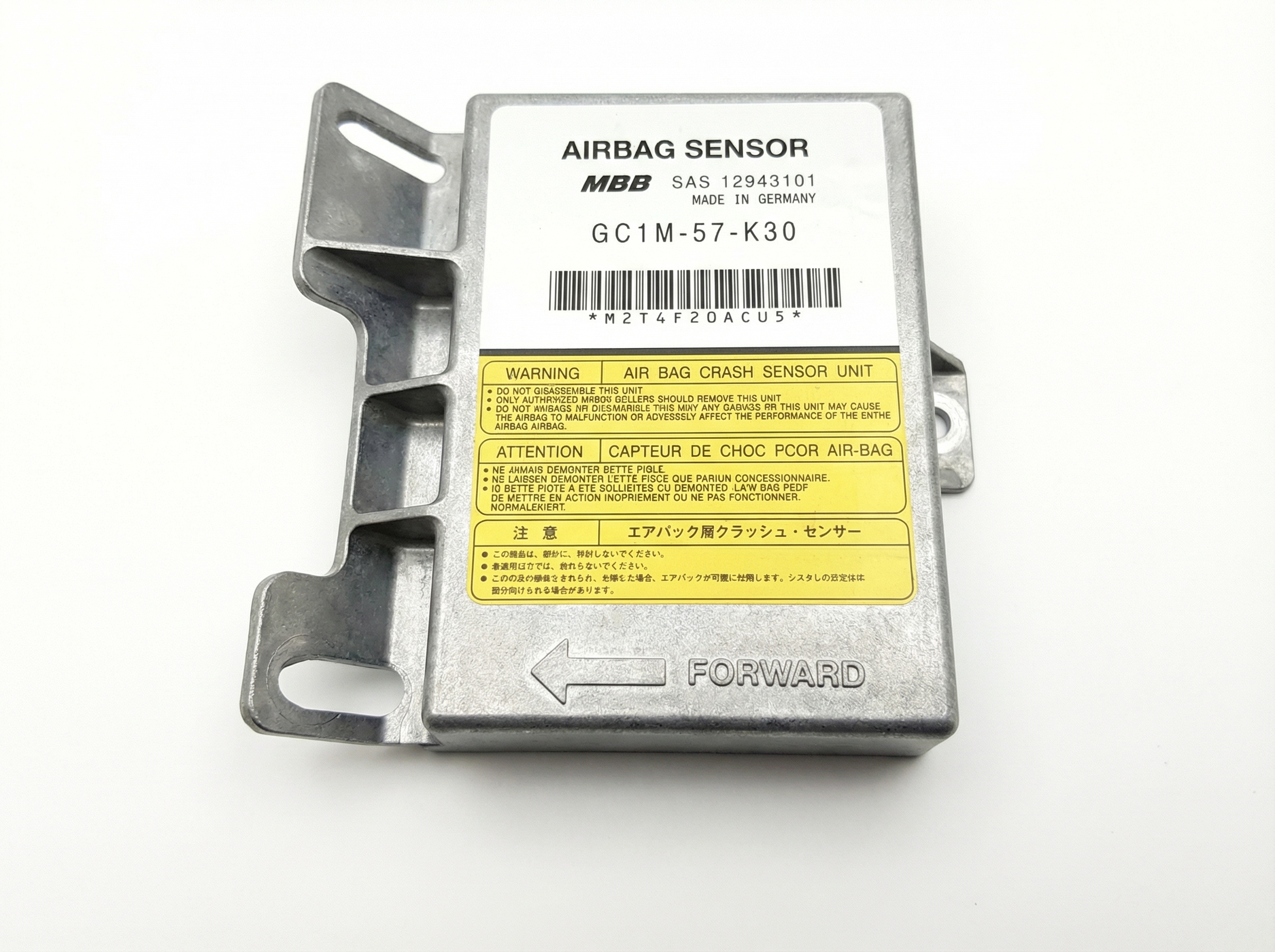
We Have This Part in Stock

The information in this article is provided for general reference and educational purposes only. Vehicle specifications, procedures, and part compatibility can vary by production date, trim level, and region. Always consult your vehicle's factory service manual and verify part numbers before purchasing or performing repairs. Safety-critical components such as airbags, seat belts, and braking systems should be installed by a qualified professional.
- Mazda 626:
- Mazda MX-6:
- 🎬 Helpful Videos
- 🛍️ Shop This Part
- Symptoms of a Failing BCM in a 1995-1997 Mazda 626 or MX-6
- Known Issues, Recalls, and Technical Service Bulletins (TSBs)
- Diagnosing a Faulty BCM
- Buying a Used Body Control Module
- Programming and Immobilizer Considerations
- Replacement Procedure Overview
- Cost of Replacing a BCM
- Frequently Asked Questions (FAQ)
- 🎟️ Get 5% Off