

Mazda CX-5, CX-9, 6 & 2 Rain Sensor Problems: Why Your Auto Wipers Fail (2015-2021)
A complete guide to diagnosing and fixing the automatic rain-sensing wipers on your 2017-2021 Mazda CX-5, 2016-2021 CX-9, 2016-2021 Mazda 6, and 2015-2018 Mazda 2.
- This part is a Rain Sensor, not a Body Control Module (BCM). A faulty sensor is a much simpler and cheaper fix.
- The #1 cause of failure is the adhesive gel pad between the sensor and the windshield, often due to air bubbles or improper installation during a windshield replacement.
- Before replacing anything, check the infotainment settings to ensure 'Rain Sensing Wipers' is turned ON and clean the windshield area over the sensor.
- After replacement, the sensor must be initialized. This can often be done with a simple DIY procedure using the wiper stalk and ignition, no tools required.
Is This a Body Control Module (BCM)?

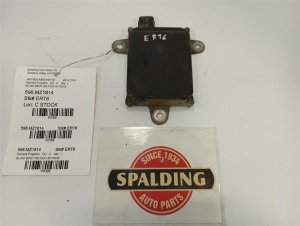
No. While this part controls a 'body function,' it is important to understand that this is a Rain and Humidity Sensor, not the Body Control Module (BCM). The Rain Sensor is a simple input device that tells the main computer what to do. The actual BCM (or Front Body Control Module (FBCM) in these Mazdas) is a much more complex computer that receives the signal from this sensor and then activates the wiper motor. Misdiagnosing a BCM failure when only the rain sensor is faulty can be a costly mistake. This guide focuses specifically on the Rain and Humidity Sensor with part number TK78-66-5G0 and its variants.
Symptoms of a Failing Rain Sensor


When the rain sensor fails, the automatic wiper function will become unreliable or stop working completely. You will likely still be able to operate the wipers manually in low and high-speed modes. Common symptoms include:
- Automatic wipers do not activate in the rain: The most common symptom is that the 'AUTO' setting on the wiper stalk does nothing, forcing you to manually control the wipers.
- Wipers operate constantly when dry: The sensor may incorrectly detect moisture, causing the wipers to run continuously on a dry windshield. This can sometimes be caused by dirt, condensation, or a failing sensor.
- Wiper speed doesn't match the rain: The wipers may not speed up in heavy rain or may run too fast in a light mist.
- Wipers activate randomly: Strong sunlight, fog, or even frost can sometimes trick a failing or dirty sensor into activating the wipers.
- "Auto Light System Malfunction" Warning: On some models, a faulty rain/light sensor can trigger a warning message on the dash, sometimes accompanied by Diagnostic Trouble Code (DTC) B10AD:09.
Known Issues and Easy Fixes to Try First

Before you replace the sensor, check these common and often overlooked issues. Many "broken" rain sensors are actually just fine.
1. Check Your Infotainment Settings
Many Mazda owners don't realize that the rain-sensing function can be turned off in the vehicle's settings menu on the main display. When disabled, the 'AUTO' position on the wiper stalk will function as a standard, fixed-interval intermittent wiper instead of being automatic. Before doing any other diagnosis, navigate to your vehicle settings and ensure "Rain Sensing Wipers" is checked ON.
2. Clean the Windshield
The sensor is very sensitive to any obstruction on the glass. A layer of dirt, wax from a car wash, bug splatter, or even a toll pass sticker placed over the sensor area can block its view and cause it to malfunction. The sensor is located behind the rearview mirror. Thoroughly clean the outside of the windshield in this area with glass cleaner.
3. The Windshield Gel Pad: The #1 Cause of Failure
This is the most common hardware failure point. The sensor is not glued directly to the glass. Instead, it makes contact via a soft, clear adhesive gel pad (sometimes called a protective sheet or coupler). This pad ensures a perfect optical connection. If this pad has air bubbles, has been disturbed during a windshield replacement, or has degraded over time, the sensor will fail to read correctly. Look closely at the sensor from outside the vehicle. If you see what looks like air bubbles or the sensor appears loose, the gel pad is almost certainly the problem.
Pro Tip: If you've recently had your windshield replaced and the auto wipers stopped working, it's highly likely the installer either damaged the gel pad, introduced bubbles, or forgot to transfer it to the new glass. Contact the installer before attempting a repair yourself.
Buying a Used Rain Sensor
Buying a used OEM rain sensor can be a smart way to save money, as they are generally reliable electronic components. However, the condition of the gel pad is critical.
- Inspect the Lens: Ensure the plastic lens on the sensor itself is not scratched or damaged.
- Assume You Need a New Gel Pad: The gel pad is designed for single use. Even if a used sensor comes with the old pad, it's best to remove it and install a new one to prevent issues with air bubbles. A new adhesive pad (part number TK80-66-5G2 or similar) is inexpensive and essential for a successful repair.
- Match the Part Number: There are different sensors for models with and without automatic headlights. The TK78-66-5G0 is for vehicles WITHOUT auto headlamps. A common part number for models WITH auto headlamps is TK79-66-5G0B. Ensure you are buying the correct one for your vehicle's trim level.
Replacement and Initialization
Replacing the sensor is a straightforward DIY job that usually takes less than 30 minutes.
- Remove the plastic cover behind the rearview mirror. It usually unclips.
- Disconnect the electrical connector from the sensor.
- Carefully unclip the sensor from its metal bracket on the windshield.
- If replacing the gel pad, carefully peel the old pad off the sensor or windshield. Clean both surfaces thoroughly with alcohol to remove any residue.
- Apply the new gel pad to the sensor, ensuring there are no air bubbles. Then, press the sensor firmly onto the windshield bracket.
- Reconnect the electrical connector and reinstall the plastic cover.
Sensor Initialization (Calibration)
After replacement, the sensor must be initialized so it knows what a clean, dry windshield looks like. This can often be done without special tools.
DIY Initialization Procedure: While procedures can vary slightly, a common method is as follows:
1. Make sure the windshield is clean and dry.
2. Turn the ignition switch OFF.
3. Move the wiper switch to the 'AUTO' position.
4. Turn the ignition switch to the ON position (do not start the engine).
5. Within 10 seconds, move the wiper switch from AUTO to OFF five times, ending in the AUTO position. Move the switch at a steady pace (about one cycle per second).
6. If successful, the wipers will often cycle once to confirm the initialization is complete.
If the DIY method does not work, a Mazda dealer or a well-equipped independent shop can perform the initialization with a diagnostic tool.
Cost to Repair or Replace
Costs can vary, but here is a general breakdown:
| Item | Estimated Cost |
|---|---|
| New OEM Rain Sensor | $130 - $180 |
| New Aftermarket Rain Sensor | $70 - $150 |
| Used OEM Rain Sensor | $25 - $75 |
| New Adhesive Gel Pad | $15 - $25 |
| Shop Labor (Diagnosis & Replacement) | $100 - $200 |
Frequently Asked Questions
Do I need to program the rain sensor after installing it?
No, it does not require programming in the same way a BCM or key fob does. However, it does need to be 'initialized' or 'calibrated' to the windshield so it can function correctly. This can often be done without special tools.
Why do my auto wipers turn on when it's sunny?
This can happen if the sensor is dirty, there is condensation on the windshield, or the sensor itself is failing. It can also be tricked by strong, direct light or reflections. First, try thoroughly cleaning the windshield area over the sensor.
Can I just use regular intermittent wipers instead?
Yes. You can disable the "Rain Sensing Wipers" feature in the vehicle's infotainment settings. This will cause the 'AUTO' setting on the stalk to behave like a traditional, fixed-interval intermittent wiper system.
Will a bad rain sensor drain my battery?
It is extremely unlikely. The rain sensor is a low-power device and is generally only active when the ignition is on. It is not a common cause of parasitic battery drain. A true Body Control Module (BCM) failure, however, can cause battery drain.
Technical Specifications
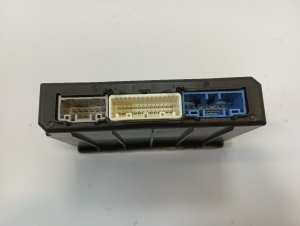
OEM Part Numbers: TK78-66-5G0 TK78-66-5G0A
Optical infrared sensor for detecting moisture on glass. For models without automatic headlamps.
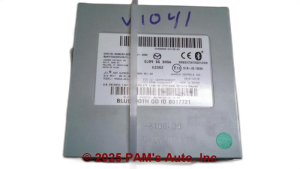
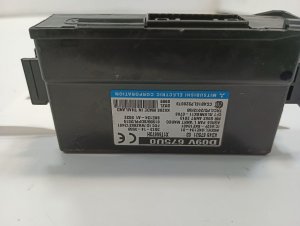
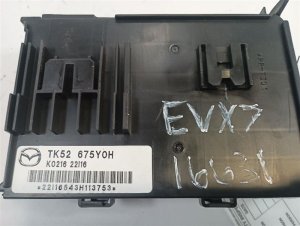
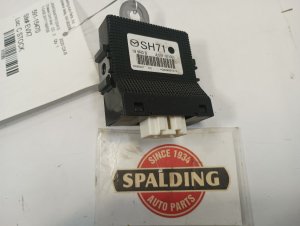
We Have This Part in Stock

The information in this article is provided for general reference and educational purposes only. Vehicle specifications, procedures, and part compatibility can vary by production date, trim level, and region. Always consult your vehicle's factory service manual and verify part numbers before purchasing or performing repairs. Safety-critical components such as airbags, seat belts, and braking systems should be installed by a qualified professional.
- Mazda CX-5:
- Mazda CX-9:
- Mazda 6:
- Mazda 2:
- 🛍️ Shop This Part
- Is This a Body Control Module (BCM)?
- Symptoms of a Failing Rain Sensor
- Known Issues and Easy Fixes to Try First
- 1. Check Your Infotainment Settings
- 2. Clean the Windshield
- 3. The Windshield Gel Pad: The #1 Cause of Failure
- Buying a Used Rain Sensor
- Replacement and Initialization
- Sensor Initialization (Calibration)
- Cost to Repair or Replace
- Frequently Asked Questions
- 🎟️ Get 5% Off