

2006-2008 Mazda 6 Body Control Module: A Guide to Electrical Gremlins and Replacement
This guide covers common failures, symptoms, and the critical programming requirements for the Body Control Module in the 2006-2008 Mazda 6 and Mazda Mazda6.
- This BCM is for Mazda 6 models WITHOUT the factory anti-theft alarm system; it will not work on cars with the factory alarm.
- A replacement BCM, whether new or used, WILL require programming by a dealer or qualified shop to sync with your keys and immobilizer.
- Water intrusion from a leaking sunroof or windshield is a common cause of failure for the BCM, which is located in the driver's footwell.
- Symptoms are almost always electrical, including parasitic battery drain, erratic lights/wipers, and non-functional power windows/locks.
Symptoms of a Failing BCM in a 2006-2008 Mazda 6

A faulty Body Control Module can create some of the most frustrating and bizarre electrical issues. Because the BCM controls so many different systems, symptoms can vary widely. Often, you'll experience multiple problems at once. Here are the most common signs that your BCM may be failing:
- Erratic Lights: Headlights, taillights, or interior lights may flicker, stay on constantly, or not turn on at all. Some owners report headlights staying on and draining the battery.
- Power Window and Lock Problems: Windows may stop responding to the driver's switch, or the power locks may work intermittently or not at all.
- Windshield Wipers Acting on Their Own: Wipers may activate randomly, not shut off, or fail to work when you need them.
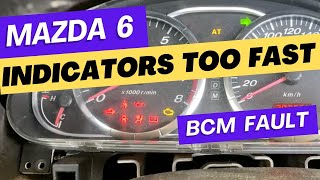
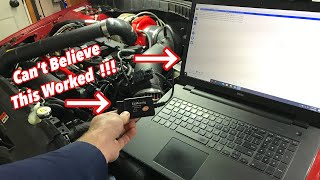
- Rapidly Flashing Turn Signals: Even with good bulbs, the turn signals may flash very quickly, a condition known as hyper-flashing, which can point to a BCM fault. 🎬 Watch: See how a faulty BCM causes rapid indicator flashing.
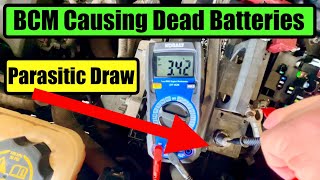
- Persistent Battery Drain (Parasitic Draw): One of the most common BCM failure symptoms is a battery that repeatedly dies overnight. A faulty BCM can fail to let other modules go to "sleep," causing a continuous power drain that kills the battery. 🎬 Watch: How to diagnose a BCM parasitic battery drain.
- Dashboard Warning Lights: Your dash might light up with multiple, seemingly unrelated warning lights.
- Security System and Key Fob Issues: The car's alarm might go off for no reason, or the keyless entry remote may stop working.
- No-Start Condition: In some cases, a bad BCM can prevent the car from starting by failing to recognize the key's transponder chip or not sending the correct signal from the ignition switch.
Pro Tip: Before condemning the BCM, always check the basics first. Ensure your battery is fully charged and in good health, check all related fuses, and inspect the main wiring harnesses for any signs of corrosion or damage, especially from rodents. A bad ground connection can also mimic BCM failure.
🎬 See this guide on BCM symptoms and DIY testing steps.Known Issues, TSBs, and Recalls

For the 2006-2008 Mazda 6, there are no specific recalls directly targeting the Body Control Module itself. However, numerous owner complaints and several Technical Service Bulletins (TSBs) address electrical problems that can be related to or confused with BCM failure.
- Water Intrusion: On some Mazda 6 models, particularly those with a sunroof, water can leak down the A-pillar and onto the BCM, which is located in the driver's side footwell area. This water damage is a common cause of BCM failure, leading to corrosion on the circuit board and connectors.
- Electrical Problem TSBs: Mazda has issued several TSBs related to battery drain and other electrical concerns. For example, TSB #MT-004-18 advises technicians to interview customers about electrical issues like a dead battery or stored DTCs before beginning diagnosis. While not a BCM-specific TSB, it highlights the prevalence of complex electrical issues in these vehicles.
Buying a Used Body Control Module

Given the high cost of a new OEM module, a used BCM from a reputable recycler is a very popular and cost-effective solution. However, you must be extremely careful to get the right part and understand the installation requirements.
1. Match the Part Number EXACTLY
This is the most important rule. The part number is printed on a white label on the BCM case. The 2006-2008 Mazda 6 uses a series of interchangeable part numbers. The base number is GP7B-67-560, and it is followed by a letter (A, B, C, D, E). Later letters are generally newer revisions that supersede older ones. For example, GP7B-67-560D replaces GP7B-67-560C, B, A, and the original part.
2. Verify Vehicle Options
This is critical. These BCMs were made for vehicles WITHOUT the factory anti-theft alarm system. If your car has the factory alarm, this module will not work correctly. The part description from Mazda dealers confirms this distinction. Also, ensure the donor vehicle was not a Mazdaspeed6, as those models use a different BCM.
3. Inspect for Damage
When you receive the used BCM, inspect it carefully before installation. Look for:
- Signs of Water Damage: Check the case and connectors for any white or greenish corrosion, rust, or water stains. A history of water damage is a major red flag.
- Burnt Smell or Scorch Marks: A faint burnt electronics smell or any visible scorch marks on the circuit board (if you can see it) indicates an internal failure.
- Intact Connectors: Make sure all the pins in the electrical connectors are straight and clean.
Programming and Immobilizer Requirements
YES, this module will likely require programming to function correctly. While some basic functions might work on a simple plug-and-play swap, features tied to the vehicle's security system, like the key fobs and immobilizer, must be synchronized to the new module.
- What is Programming? Programming, also called 'configuration', involves using a diagnostic tool to make the new BCM recognize your specific car's VIN, options, and security keys. Without this step, the car may not start, or keyless entry may not work.
- Who Can Program It? A Mazda dealership is the most reliable option. They have the proprietary Mazda Modular Diagnostic System (M-MDS) required to perform the configuration. Some well-equipped independent shops or automotive locksmiths with access to high-end scan tools and J2534 pass-thru devices may also be able to program the module. DIY programming is complex and not recommended for beginners, though tools like FORScan may have some capabilities for advanced users.
- Immobilizer Link: The BCM is linked to the car's immobilizer system. When you replace it, you must have your keys reprogrammed to the new module. You will typically need to have all of your keys present during the programming session.
Warning: Do not attempt to start the car repeatedly if it doesn't recognize the key after a BCM swap. You could trigger the anti-theft system, making programming more difficult. It's best to have the vehicle towed to a qualified shop for programming.
Replacement Overview

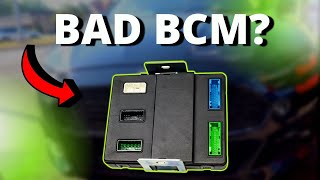
The BCM in the 2006-2008 Mazda 6 is located in the driver's footwell, to the left of the steering column, integrated with the interior fuse panel.
- Disconnect the negative battery terminal.
- Remove the driver's side scuff plate and side trim panel to gain access.
- Unplug the multiple electrical connectors from the BCM. Be gentle with the locking tabs.
- Unbolt the BCM/fuse block assembly from its bracket.
- Install the new BCM in the reverse order.
- Reconnect the battery and arrange for the vehicle to be programmed.
Cost Comparison
| Part Type | Estimated Cost |
|---|---|
| New OEM | $430 - $630 |
| New Aftermarket | Not commonly available |
| Used OEM | $50 - $150 |
| Remanufactured / Repair Service | $200 - $350 |
| Shop Labor (Replacement & Programming) | $150 - $300 |
Frequently Asked Questions (FAQ)
Do I have to get a replacement BCM programmed?
Yes, programming is highly recommended and often required. While the car might run, many features, especially keyless entry and the immobilizer system, will not work correctly without programming the module to your car's VIN and security information.
Where is the BCM located on a 2007 Mazda 6?
The Body Control Module is located in the driver's side footwell, attached to the interior fuse box, to the left of the steering column and behind the kick panel.
Can a bad BCM cause my battery to die?
Absolutely. This is one of the most common symptoms. A faulty BCM can create a "parasitic draw" by not allowing electrical components to shut down properly when the car is off, draining the battery overnight.
Will a BCM from a 2008 Mazda 6 work in my 2006 Mazda 6?
Yes, as long as the part numbers are compatible and your vehicle options match (i.e., both cars are non-alarm models). The BCMs used from 2006-2008 are largely interchangeable, provided you follow the part number supersession list and perform the necessary programming.
Helpful Videos
Technical Specifications
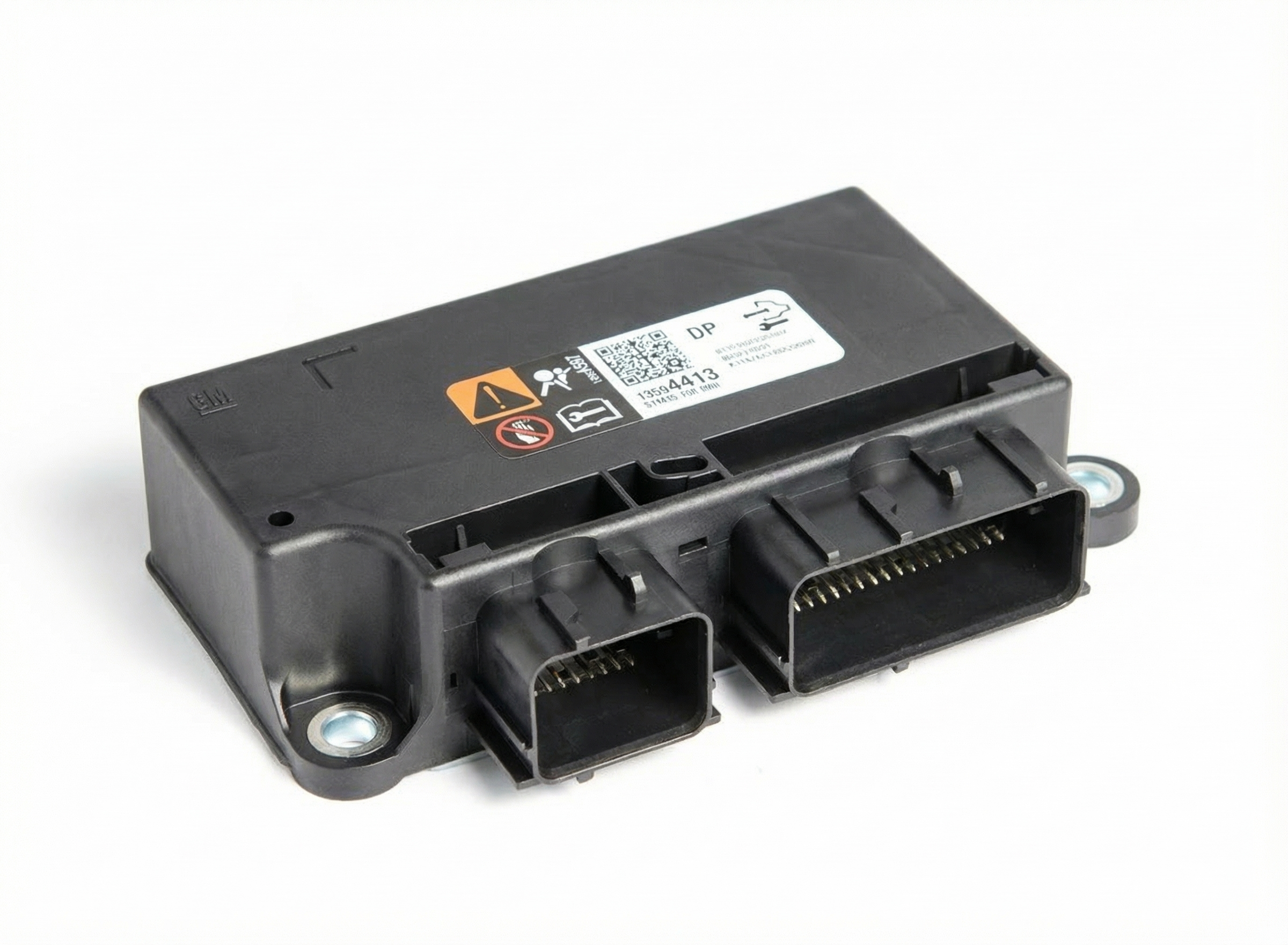
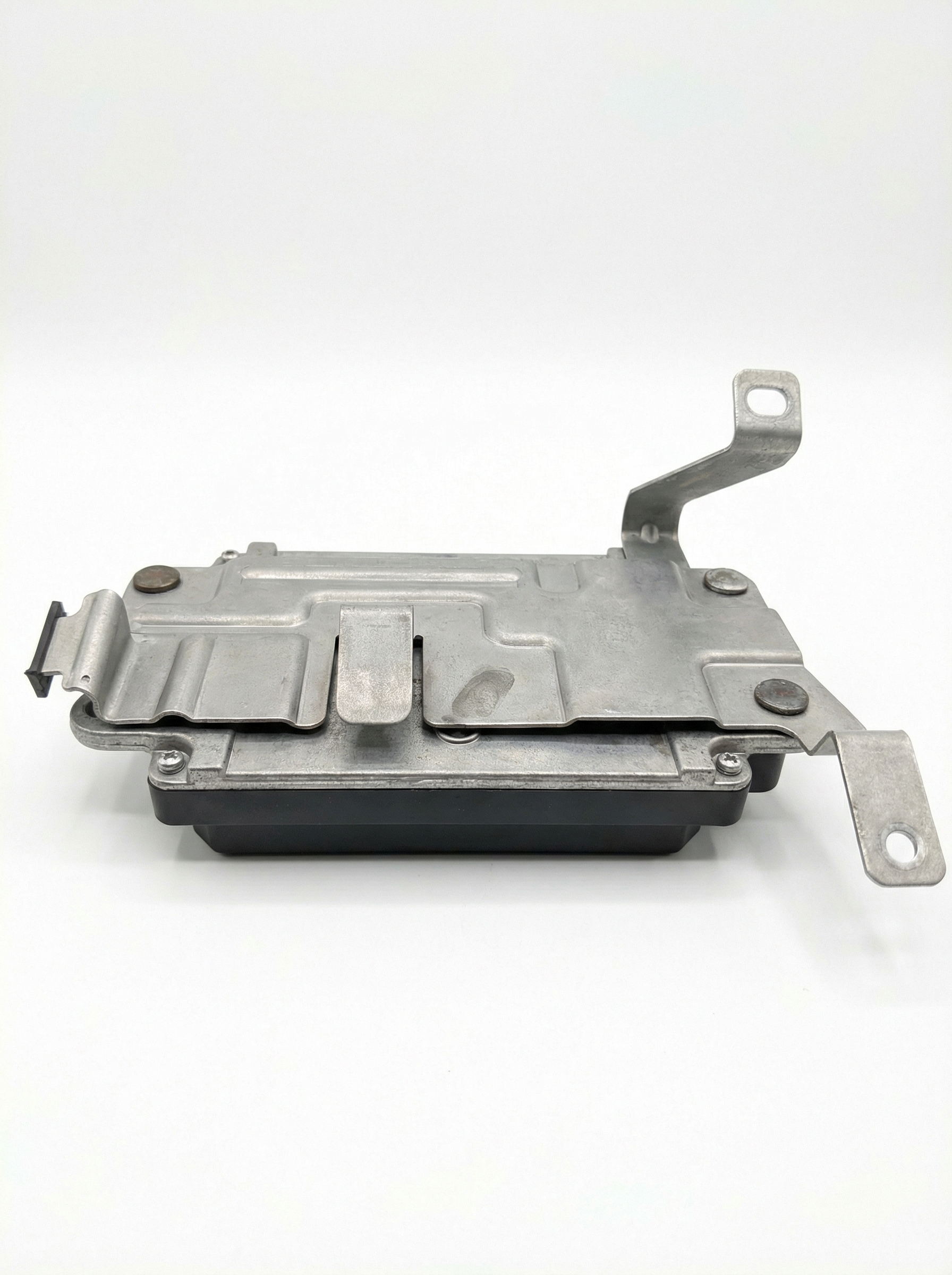
OEM Part Numbers: GP7B67560 GP7B67560A GP7B67560B GP7B67560C GP7B67560D GP7B67560E
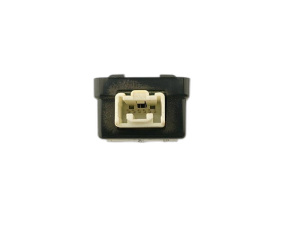
Location: Driver's side footwell, integrated with interior fuse panel. Compatibility: For models without factory anti-theft system. Not for Mazdaspeed6 models.
We Have This Part in Stock

The information in this article is provided for general reference and educational purposes only. Vehicle specifications, procedures, and part compatibility can vary by production date, trim level, and region. Always consult your vehicle's factory service manual and verify part numbers before purchasing or performing repairs. Safety-critical components such as airbags, seat belts, and braking systems should be installed by a qualified professional.
- Mazda Mazda6:
- Mazda 6:
- 🎬 Helpful Videos
- 🛍️ Shop This Part
- Symptoms of a Failing BCM in a 2006-2008 Mazda 6
- Known Issues, TSBs, and Recalls
- Buying a Used Body Control Module
- 1. Match the Part Number EXACTLY
- 2. Verify Vehicle Options
- 3. Inspect for Damage
- Programming and Immobilizer Requirements
- Replacement Overview
- Cost Comparison
- Frequently Asked Questions (FAQ)
- 🎟️ Get 5% Off