

1998-2002 Mercedes S-Class, CL-Class & SL-Class General Module (BCM) Failure and Programming
This guide covers the common failures, symptoms, and critical programming requirements for the body control module in W140, C140, and R129 chassis Mercedes-Benz models.
- This part is known as the General Module (GM) in Mercedes terminology, not a BCM.
- A replacement module, whether new or used, MUST be programmed to the vehicle by a dealer or specialist with a STAR/Xentry tool.
- Failure often causes multiple, seemingly unrelated electrical issues with lights, locks, and windows.
- Before replacing the module, inspect for brittle, cracked wiring insulation, a common problem on these models that can cause identical symptoms.
What is the General Module (Body Control Module)?
In many vehicles from the late 1990s and early 2000s, a central computer manages the electronic accessories. In the 1998-1999 Mercedes-Benz S-Class (S320, S420, S500, S600), the 1998-1999 CL-Class (CL500, CL600), and the 1998-2002 SL-Class (SL320, SL500, SL600), this part is officially called the General Module (GM) or sometimes the Basic Module. It is, for all practical purposes, the Body Control Module (BCM). This module is the brain behind many features you use every day, including your lights, power locks, windows, and the anti-theft system.
Common Symptoms of a Failing General Module
When the General Module begins to fail, you'll often notice strange and seemingly unrelated electrical problems. Because the module controls so many different systems, a single internal fault can cause a wide range of issues. You might experience 🎬 Watch: Common symptoms of a failing Body Control Module several of these symptoms at once.
- Erratic Lights: Interior or exterior lights may flicker, stay on, or not turn on at all.
- Power Window and Lock Malfunctions: Windows may stop responding, or the central locking system may work intermittently or fail completely.
- Alarm System Issues: The factory alarm may sound for no reason or fail to arm.
- Parasitic Battery Drain: A faulty module can fail to shut down properly, causing a slow drain on the battery that leaves it dead overnight.
- Warning Lights on Dash: A failing BCM can trigger various warning lights on the instrument cluster, sometimes resembling a 'Christmas tree' effect.
- Communication Fault Codes: A professional scan tool may show 'U' codes, such as U0140 (Lost Communication With Body Control Module), indicating the module is not communicating with other computers in the car.
Pro Tip: Before condemning the General Module, always check the vehicle's battery and charging system. Low voltage from a weak battery or failing alternator can cause many of the same erratic electrical symptoms. Also, inspect all related fuses in the main fuse box and any auxiliary fuse panels.
Known Issues, TSBs, and Recalls
Biodegradable Wiring Harness (1990s Models)
A significant issue for Mercedes-Benz vehicles of this era, including the W140 S-Class and R129 SL-Class, was the use of biodegradable wiring insulation. Over time, the insulation on the wires becomes brittle, cracks, and flakes away, leading to exposed wires. This can cause short circuits, erratic behavior, and complete failure of connected components. While this issue is most famous for affecting the main engine harness, it can also impact other wiring in the car, potentially causing symptoms that mimic a failed General Module. A thorough inspection of the wiring connected to the module is crucial during diagnosis.
Recalls
As of early 2026, there are no specific recalls issued by the National Highway Traffic Safety Administration (NHTSA) for the General Module itself on these specific models. However, there have been other electrical system and software-related recalls for these vehicle platforms over the years that may present similar symptoms. It is always recommended to check your vehicle's VIN on the official NHTSA website for any open recalls.
Buying a Used Body Control Module: What You Must Know
Purchasing a used General Module can be a cost-effective solution, but it requires careful attention to detail to ensure compatibility and function. This is not a simple plug-and-play part.
Important: This module is a critical part of the vehicle's anti-theft system, known as the Drive Authorization System (DAS). A used module from another vehicle will not work without being properly programmed to your specific car and its keys. The vehicle will not start until this 🎬 See why your Mercedes won't start due to Drive Authorization programming is completed.
- Verify Part Numbers: The most critical step is to match the OEM part number exactly. Remove your original module and compare the number on its label to the used part you intend to buy. Several part numbers were used across these models, and they are not always interchangeable.
- Physical Inspection: When you receive the used module, inspect it carefully. Look for any signs of water damage, corrosion on the pins, or evidence that the case has been opened. Any of these are red flags.
- Programming is Required: A used module is 'married' to the VIN and keys of its original vehicle. To work in your car, it must be 'divorced' from the donor car and 'married' to yours using specialized diagnostic tools. This process syncs the module with your car's Electronic Ignition Switch (EIS) and keys.
- Who Can Program It?: This is not a DIY job. Programming typically requires a Mercedes-Benz dealership or a well-equipped independent European auto specialist who has the appropriate diagnostic computer (like a STAR/Xentry system) and software. Most general mechanics or locksmiths will not have the capability to program this specific module.
Replacement and Programming Overview
The physical replacement of the module is straightforward, but the electronic programming is complex.
Location
- W140/C140 S-Class & CL-Class: The General Module is typically located in the main electronics box in the engine compartment, on the passenger side, near the firewall under a protective cover.
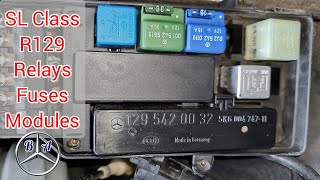
- R129 SL-Class: The module is also located in the electronics box on the passenger side of the engine bay, under the plastic cover near the windshield. 🎬 Watch: How to find the modules and relays on an R129
Procedure
- Disconnect the vehicle's battery.
- Locate and remove the cover for the electronics box.
- Identify the General Module (verify by part number).
- Carefully disconnect the electrical connectors.
- Remove any retaining screws or clips and take out the old module.
- Install the replacement used module and reconnect the wiring.
- Reconnect the battery.
- Crucially, the vehicle must then be taken to a dealer or specialist for programming. The car will not start and many electronics will not function until this is done.
Cost Comparison
Prices can vary significantly based on the source and condition of the part. Labor costs for programming are a mandatory additional expense.
| Part Source | Estimated Part Cost |
|---|---|
| New OEM (Dealer) | $700 - $1,200+ (if available) |
| New Aftermarket | Not commonly available |
| Used OEM (Salvage) | $50 - $250 |
| Remanufactured | $250 - $500 |
| Shop Labor (Programming) | $150 - $350 |
Frequently Asked Questions
Can I just swap the module from another car without programming?
No. The module is tied to the anti-theft system (DAS). If you install a used module without programming, the car will not recognize your key and the engine will not start.
Why are my windows, locks, and lights all acting up at the same time?
This is a classic sign of a General Module failure. Since the module controls all of these separate systems, a single fault inside the computer can cause them all to malfunction simultaneously.
Can a locksmith program a used Mercedes General Module?
It is highly unlikely. While some advanced automotive locksmiths can program keys, programming a core control module like the GM to the vehicle's VIN and existing keys requires dealer-level diagnostic tools and software that most locksmiths do not possess.
Is it possible that my wiring is bad, not the module?
Yes, especially on these models. The biodegradable wiring insulation used in the 1990s is a known failure point. Wires can short together and cause the exact same symptoms as a bad module. A thorough inspection of the harness connectors and nearby wiring is essential before replacing the module.
Helpful Videos
Technical Specifications
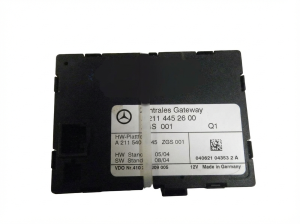
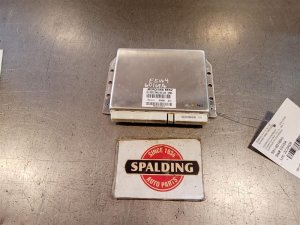
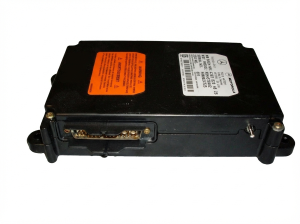
OEM Part Numbers: 1298204126 1408205426 1408206626 1408206726 1408208526 1408209126 A0185458332
The module functions as a central control unit for body electronics and is integrated with the Drive Authorization System (DAS) for anti-theft purposes.
We Have This Part in Stock
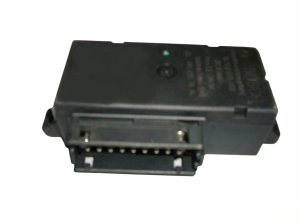
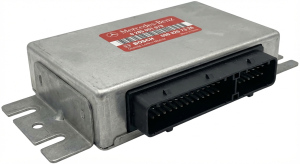
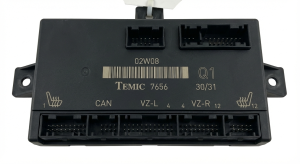

The information in this article is provided for general reference and educational purposes only. Vehicle specifications, procedures, and part compatibility can vary by production date, trim level, and region. Always consult your vehicle's factory service manual and verify part numbers before purchasing or performing repairs. Safety-critical components such as airbags, seat belts, and braking systems should be installed by a qualified professional.
- Mercedes-Benz S600:
- Mercedes-Benz S500:
- Mercedes-Benz CL600:
- Mercedes-Benz CL500:
- Mercedes-Benz SL600:
- Mercedes-Benz SL500:
- Mercedes-Benz S320:
- Mercedes-Benz S420:
- Mercedes-Benz SL320:
- 🎬 Helpful Videos
- 🛍️ Shop This Part
- What is the General Module (Body Control Module)?
- Common Symptoms of a Failing General Module
- Known Issues, TSBs, and Recalls
- Biodegradable Wiring Harness (1990s Models)
- Recalls
- Buying a Used Body Control Module: What You Must Know
- Replacement and Programming Overview
- Location
- Procedure
- Cost Comparison
- Frequently Asked Questions
- 🎟️ Get 5% Off