

2012-2013 Nissan GT-R Body Control Module: Failure Symptoms, Location, and Programming Guide
This guide covers the common failures, replacement procedures, and mandatory programming requirements for the Body Control Module in your 2012-2013 Nissan GT-R.
- A replacement BCM (new or used) absolutely MUST be electronically configured to the car and have the keys re-registered to it. The car will not start otherwise.
- A known TSB (NTB12-041) addresses a no-start/no-shut-off condition, which only requires a BCM reprogram, not a full replacement.
- When buying a used BCM, you must match the OEM part number exactly. Common numbers include 284B1-1ET0B and 284B1-1ET4B.
- The BCM is located in the passenger-side footwell, behind the plastic kick panel, not under the center console.
Symptoms of a Failing 2012-2013 GT-R Body Control Module
A faulty BCM can create a variety of strange electrical issues. Because it controls so many different systems, you may notice one or more of these problems, which can be intermittent at first and worsen over time.
- No-Start or Unresponsive Ignition: The most severe symptom is the engine refusing to crank or start. You may press the push-to-start button and nothing happens, or the instrument panel lights up but the starter does not engage. In some cases, the engine may not turn OFF when the button is pressed. This specific issue is addressed in a Technical Service Bulletin (TSB) for the 2012 GT-R.
- Erratic Lights: Headlights, taillights, or interior lights may flicker, stay on when the car is off, or not work at all.
- Power Window and Lock Malfunctions: Windows may not go up or down, or the power door locks may stop responding to the key fob or interior switches.
- Security System and Key Fob Issues: The factory alarm may go off randomly, or the car may not recognize the key fob, preventing you from locking, unlocking, or starting the vehicle.
- Parasitic Battery Drain: A classic sign of a bad BCM is a battery that repeatedly dies overnight. The module may fail to go into "sleep mode," keeping other electronics active and draining the battery while the car is parked.
- Multiple Dashboard Warning Lights: A failing BCM can cause a cascade of error messages, often lighting up the dash like a Christmas tree with warnings for unrelated systems.
- Associated OBD-II Codes: While many issues won't set a check engine light, a scan tool that can read BCM codes may show communication errors, such as codes starting with 'U' (e.g., U1000 for lost communication) or 'B' (body codes).
Known Issues, TSBs, and Recalls
Technical Service Bulletin NTB12-041 / EL12-015
Nissan issued a TSB for the 2012 GT-R (and other models) that specifically addresses a no-crank/no-start condition or an engine that will not shut off. The symptom is an unresponsive push-button ignition. The official fix is not to replace the BCM, but to reprogram it with updated software using the dealership's CONSULT diagnostic tool. If your vehicle exhibits these exact symptoms, a reprogram should be the first step before considering replacement.
Recalls
As of early 2026, there are no active recalls from the National Highway Traffic Safety Administration (NHTSA) for the Body Control Module itself on the 2012-2013 Nissan GT-R. Other recalls exist for this vehicle, such as for the steering column assembly, but they do not pertain to the BCM.
Replacement and Programming Information
Warning: A new or used Body Control Module CANNOT be simply swapped into the vehicle. It requires mandatory programming and configuration to function. Failure to program the module will result in a no-start condition and malfunctioning electronics.
BCM Location
The BCM in the 2012-2013 Nissan GT-R is located in the passenger-side footwell. To access it, you must remove the plastic dash side finisher panel (the kick panel) next to the passenger's right foot. The module is mounted behind this panel. This contradicts some general information that places it under the center console.
Programming Requirements
Replacing the BCM is a two-stage electronic process:
- Configuration: The replacement BCM (whether new or used) must be configured to the specific options of your GT-R. A technician uses a diagnostic tool to save the configuration from your old module and write it to the new one. This tells the BCM what features the car has (e.g., specific lighting, security options, etc.).
- Key Registration (NATS Immobilizer): The BCM is a core component of the Nissan Anti-Theft System (NATS). After the BCM is installed and configured, all of your keys must be electronically registered to it. If this step is skipped, the immobilizer will not recognize the keys and the engine will not start.
This work can be performed by a Nissan dealership using the CONSULT-III tool or by a qualified independent repair shop or automotive locksmith who has a high-end diagnostic tool with Nissan programming capabilities, such as certain Autel scanners.
Buying a Used Body Control Module
This is the most important section for anyone considering a used BCM. While it can be a cost-effective option, it comes with significant risks if not done correctly.
- Match the Part Number EXACTLY: There are several different BCM part numbers for the R35 GT-R. You must match the OEM part number on your original module to the used one you are buying. Common part numbers for this era include 284B1-1ET0B and 284B1-1ET4B. Do not use a module just because it came from the same year GT-R; the hardware can differ based on trim and options.
- Inspect for Physical Damage: Carefully examine the connector pins on the used module. Look for any signs of corrosion (green or white crust), which indicates water damage. On some Nissan/Infiniti models, clogged sunroof drains can leak water directly onto the BCM, causing it to fail. Do not buy a module with any signs of water intrusion or physical damage to the casing or connectors.
- VIN and Mileage: The BCM itself does not store the vehicle's VIN or mileage; that information is primarily in the Engine Control Module (ECM). Therefore, you do not need to worry about a VIN mismatch with a used BCM. However, the module's internal configuration must be compatible with your car's features, which is why matching the part number is critical.
- Why Used OEM is a Good Choice: For a complex electronic part like this, a used OEM module is often a more reliable choice than a new, cheap aftermarket part (if one were even available). Used OEM modules are built to Nissan's original quality standards. The key is ensuring you get a functional, damage-free unit with the correct part number.
Cost Breakdown
Here is an estimated cost comparison for replacing the BCM on a 2012-2013 GT-R. Prices can vary by location and supplier.
| Part / Service | Estimated Cost |
|---|---|
| New OEM BCM | $600 - $1,050 |
| New Aftermarket BCM | Not generally available |
| Used OEM BCM | $250 - $450 |
| Remanufactured BCM | Not generally available |
| Shop Labor (Replacement & Programming) | $250 - $500 |
Pro Tip: The physical replacement of the module is relatively simple (around 1-1.5 hours of labor). The majority of the labor cost is for the electronic configuration and key programming, which requires specialized tools and knowledge.
Frequently Asked Questions (FAQ)
Do I have to take my GT-R to a Nissan dealer to program a new BCM?
Not necessarily. While a Nissan dealer can always perform the work, many high-end independent auto repair shops and specialized automotive locksmiths have the advanced diagnostic tools (like Autel or Snap-on) required to configure a new BCM and register your keys to the car's immobilizer system.
Can I replace the BCM myself to save money?
You can perform the physical swap of the module yourself to save on about an hour of labor, but the vehicle will not start or run correctly until it is towed to a shop for professional programming. The module is located in the passenger-side kick panel area.
Will a bad BCM cause a 'Check Engine' light?
Usually, no. BCM failures typically affect body electronics and may set 'B' (Body) or 'U' (Communication) codes, which can only be read by advanced scan tools. A standard OBD-II reader that only checks for engine codes will likely show no errors.
My GT-R won't start, but the battery is good. Could it be the BCM?
Yes, this is a very common symptom. A known issue, documented in TSB NTB12-041, describes a no-crank condition caused by a BCM software glitch. It could also be a complete failure of the BCM's immobilizer circuit. Before replacing the module, ask your technician to check if the BCM reprogram from the TSB is applicable.
Technical Specifications
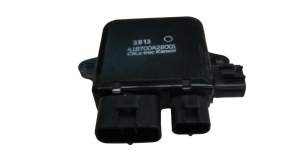
OEM Part Numbers: 284B1-1ET0B 284B1-1ET4B 284B1-1EA9D 284B1-1EA7B 284B1-1EA5B
The initial vetted part numbers (98820-JF43C, K8820-JF43C) are for the Airbag Control Module (SDM), not the Body Control Module. The BCM is tied to the vehicle's side airbag system for communication but is a separate part.
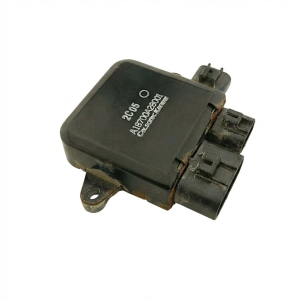
We Have This Part in Stock

The information in this article is provided for general reference and educational purposes only. Vehicle specifications, procedures, and part compatibility can vary by production date, trim level, and region. Always consult your vehicle's factory service manual and verify part numbers before purchasing or performing repairs. Safety-critical components such as airbags, seat belts, and braking systems should be installed by a qualified professional.
- Nissan GT-R:
- 🛍️ Shop This Part
- Symptoms of a Failing 2012-2013 GT-R Body Control Module
- Known Issues, TSBs, and Recalls
- Technical Service Bulletin NTB12-041 / EL12-015
- Recalls
- Replacement and Programming Information
- BCM Location
- Programming Requirements
- Buying a Used Body Control Module
- Cost Breakdown
- Frequently Asked Questions (FAQ)
- 🎟️ Get 5% Off