

2016 Nissan Maxima Body Control Module: Programming, Compatibility, and Replacement Guide
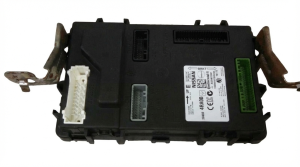
This in-depth guide covers the critical programming requirements and trim-specific compatibility for the 2016 Nissan Maxima Body Control Module.
- A replacement Body Control Module for a 2016 Maxima is NOT plug-and-play; it absolutely MUST be programmed to the vehicle by a dealer or specialist.
- The specific module (285323JA0E) is for Platinum, SL, and SR trims only; it will not work in S or SV models.
- A used BCM can be installed, but it requires either professional programming at a shop or a mail-in 'cloning' service to function.
- Owners should be aware of a separate, critical safety recall for the ABS actuator module, which can leak fluid and cause a fire.
Symptoms of a Failing Body Control Module
A faulty BCM can cause a wide range of confusing and seemingly unrelated electrical problems. Because it controls so many different systems, symptoms can appear intermittently at first before becoming more constant. Be aware that many of these symptoms can also be caused by a weak battery or poor ground connections, which should be checked first.
- Erratic Electrical Functions: This is the most common sign. Headlights may flicker, interior dome lights might stay on, or power windows and locks may operate on their own.
- Accessory Failure: One or more systems may stop working entirely, such as the radio, climate controls, windshield wipers, or power mirrors.
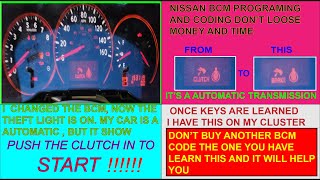
- No-Start or Key Not Detected: The BCM is a critical part of the Nissan Anti-Theft System (NATS). If it fails, it may not recognize your Intelligent Key, preventing the car from starting. The security light on the dashboard may remain illuminated.
- Parasitic Battery Drain: A classic symptom is a battery that repeatedly dies overnight. A faulty BCM can fail to shut down certain circuits when the car is turned off, causing a slow but steady power draw.
- Dashboard Warning Lights: A failing BCM can cause multiple warning lights for systems like ABS, Airbag, or Traction Control to illuminate, even if the systems themselves are fine. This is often due to communication errors between modules.
- Diagnostic Trouble Codes (DTCs): The most common code associated with a BCM failure is U0140 (Lost Communication With Body Control Module). If an incorrect BCM is installed, you may see codes like B2192 (BCM-ECM ID Mismatch) or P161F (Immobilizer Error).
Warning: This specific module, part number 285323JA0E, is ONLY for 2016 Maxima Platinum, SL, and SR trims equipped with Park Assist and Driver Assist systems. It is not compatible with S or SV models. Installing the wrong module will result in features not working and will likely cause communication errors.
Buying a Used 2016 Maxima Body Control Module
Buying a used OEM module is a cost-effective way to fix your vehicle, but success depends on understanding the programming requirements. New aftermarket modules are generally not recommended for this part due to the complex, vehicle-specific programming involved.
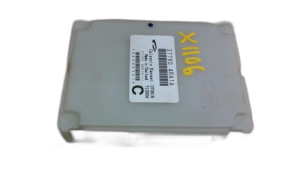
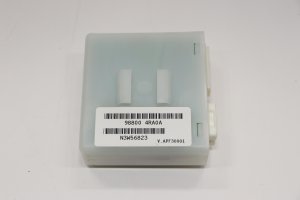
- Verify the Part Number: Absolutely ensure the part number on the used module matches your original one. For the driver-assist features, this is 285323JA0E. There may be other BCM-related modules in the vehicle, so matching is critical.
- Physical Inspection: When you receive the used module, inspect it carefully. Look for any signs of corrosion on the pins, cracks in the plastic housing, or evidence of water damage. A burnt smell is a clear sign of internal failure.
- Understand the Programming Paths: A used BCM is not a plug-and-play part. You have two main options for making it work:
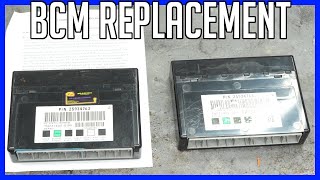
- Professional Programming: Purchase the used module and take it with your vehicle to a Nissan dealership or a qualified independent shop that has advanced diagnostic tools like the Nissan CONSULT or a high-end Autel scanner. They will need to perform a programming procedure to register the module to your car's VIN and re-learn all of your keys. 🎬 Watch: How to code the BCM and program your keys
- Cloning Service: Some specialized automotive electronics services offer BCM cloning. This involves sending both your original (faulty) BCM and the used (donor) BCM to them. They will copy the critical data—including VIN, key information, and vehicle configuration—from your old module to the donor. The returned donor module then becomes plug-and-play, requiring no further programming.
Programming and Installation Requirements
This is not a DIY job for the average mechanic. While the physical replacement of the module is straightforward, the electronic programming is complex and requires specialized tools and knowledge. Installing a BCM without programming it will result in a no-start condition, and the vehicle will need to be towed.
The official Nissan procedure, outlined in TSB NTB16-001, involves several steps:
- Install the Replacement BCM: The BCM is typically located in the driver's side dashboard area, often behind the instrument cluster. Disconnect the battery before swapping the module.
- Initialize the BCM: Using a tool like Nissan's CONSULT-III plus, the technician must initialize the new module. This erases any previous key data.
- Configure the BCM: The module must be configured to match your vehicle's specific options (e.g., trim level, sunroof, etc.).
- Re-Register All Keys: All existing Intelligent Keys must be re-registered to the newly installed BCM. If any new keys are being added, the original keys must be registered first.
Pro Tip: Always keep all of your vehicle's keys together when you go in for BCM programming. Every key you wish to use must be present during the re-registration process.
Known Issues, TSBs, and Recalls
While there are no direct recalls for the BCM on the 2016 Maxima, there are important service bulletins and related safety recalls for other electronic components.
- TSB NTB16-001: This bulletin provides the official service information for replacing the BCM and re-registering Intelligent Keys, confirming that programming is mandatory.
- ABS Actuator Recalls (NHTSA 18V601000, 16V636): A significant safety recall was issued for many 2016-2018 Maximas. The Anti-Lock Brake (ABS) actuator pump can leak brake fluid onto its internal circuit board, creating an electrical short and a fire risk. The ABS warning light illuminating is a key symptom. While this is a separate module from the BCM, it is a critical electronic safety issue that all 2016 Maxima owners should be aware of. You can check if your vehicle is affected by entering your VIN on the NHTSA website.
Cost Breakdown for Replacement
Prices can vary based on location and supplier, but this provides a general estimate of what to expect.
| Part Type | Estimated Cost |
|---|---|
| New OEM (Dealer) | $620 - $1,025 |
| Used OEM | $40 - $100 |
| Shop Labor (Physical Swap) | $100 - $200 |
| Shop Labor (Programming/Cloning) | $150 - $300 |
| Total Estimated Cost (Used Part) | $290 - $600 |
Frequently Asked Questions (FAQ)
Do I have to program a replacement BCM for a 2016 Maxima?
Yes, absolutely. A replacement BCM, whether new or used, must be electronically programmed to your vehicle's VIN and have all keys re-registered. If you do not program it, the car's anti-theft system will engage, and the engine will not start.
Where is the BCM located on a 2016 Nissan Maxima?
The BCM is generally located inside the cabin, on the driver's side, behind the dashboard. On many similar Nissan sedans, it is positioned behind the instrument cluster (speedometer), 🎬 See this walkthrough on how to replace a BCM requiring removal of the dash trim and the cluster itself to access it.
Can I install a BCM from an 'S' or 'SV' trim into my 'Platinum' or 'SR' Maxima?
No. The BCM must match the trim level and options of your vehicle. The module for the Platinum, SL, and SR trims (part 285323JA0E) controls the Park Assist and Driver Assist systems. A module from a base model will not have the hardware or software for these features, causing them to fail and likely triggering warning lights.
Can a locksmith or independent shop program a Nissan BCM?
Possibly, but you must check first. While a Nissan dealer is the most reliable option, some advanced independent shops and automotive locksmiths have high-end scan tools (like Autel or Snap-On with programming capabilities) that can perform the necessary VIN registration and key learning procedures. Always confirm they have experience with modern Nissan BCMs before committing to the work.
Helpful Videos
Technical Specifications
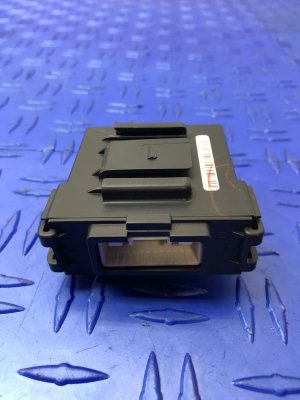
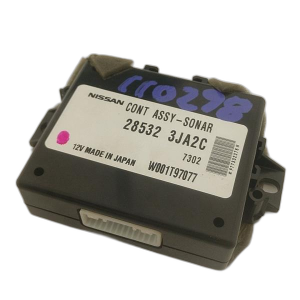
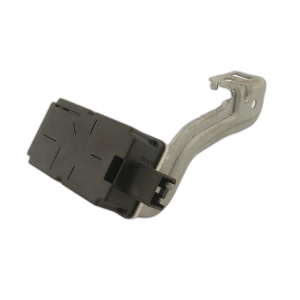
OEM Part Numbers: 285323JA0E
This module is specifically the Sonar Controller Assembly, designed for vehicles with Park Assist and Driver Assist systems.
We Have This Part in Stock

The information in this article is provided for general reference and educational purposes only. Vehicle specifications, procedures, and part compatibility can vary by production date, trim level, and region. Always consult your vehicle's factory service manual and verify part numbers before purchasing or performing repairs. Safety-critical components such as airbags, seat belts, and braking systems should be installed by a qualified professional.
- Nissan Maxima: