

2013-2014 Nissan Murano BCM: Programming, Keys, and Electrical Problems
This guide explains why replacing the Body Control Module in your Murano requires special programming for the Intelligent Key system to work.
- A replacement BCM, new or used, absolutely MUST be programmed to the vehicle by a dealer or qualified shop with specialized tools.
- The BCM is linked to the anti-theft system; swapping it will prevent the car from starting until it is programmed.
- You must match the OEM part number exactly (e.g., 284B1-1V48C or 284B11V48D).
- Symptoms often appear as bizarre electrical issues, such as key detection problems, random warning lights, and battery drain.
Symptoms of a Failing BCM in a 2013-2014 Murano
A bad Body Control Module can cause a wide range of strange electrical issues. Because the BCM controls so many different systems, you may notice several seemingly unrelated problems at once. Common symptoms include:
🎬 Watch: Common symptoms of a bad Body Control Module- Key Fob and Starting Issues: This is one of the most frequent complaints. You may see a "No Key Detected" warning on the dash even when the key is inside the car. The engine may fail to crank or start because the BCM is a critical part of the Nissan Anti-Theft System (NATS) and cannot verify the key.
- Erratic Electrical Components: You might experience "electrical gremlins" where lights (interior or exterior) flicker, stay on, or don't turn on at all. Power windows, door locks, and wipers may operate on their own or not respond to the switch.
- Dashboard Warning Lights: A failing BCM can trigger a cluster of random warning lights on the instrument panel. These lights may appear and disappear without a clear reason.
- Parasitic Battery Drain: If your battery repeatedly dies overnight, a faulty BCM could be the cause. The module may fail to go into a "sleep" state when the car is off, continuously drawing power and draining the battery.
Known Issues, Recalls, and TSBs
As of early 2026, there are no specific recalls for the Body Control Module itself on the 2013-2014 Nissan Murano. However, several Technical Service Bulletins (TSBs) and one notable recall are relevant to the vehicle's electrical and related systems.
- Recall 17V184000: This significant safety recall addresses a power steering hose clamp that may not be secure. A leak of flammable power steering fluid near a hot engine could increase the risk of a fire. While not a BCM issue, it's a critical safety fix for this vehicle generation.
- TSBs for Key/Starting Issues: Nissan has issued TSBs like NTB13-107F for other models, which address "Vehicle Key Not Detected" or no-start conditions, problems often linked to the BCM and Intelligent Key system. Another TSB, NTB16-003C, deals with Intelligent Key initialization. These indicate that the systems controlled by the BCM can be complex to diagnose.
- Voluntary Service Campaign P0A08: This campaign for 2010-2014 Muranos involves flushing the brake fluid and inspecting the ABS actuator, another critical electronic component.
Warning: Some Nissan BCMs, particularly on models like the Rogue, are known to be sensitive and can be "bricked" (permanently disabled) during key programming, even with professional tools. While this specific issue is not widely reported for the 2013-2014 Murano, it highlights the delicate nature of working with Nissan's BCM 🎬 See why Nissan BCM programming can be so difficult and anti-theft systems.
Programming and Immobilizer Requirements
This is the most critical section for any buyer or mechanic. A replacement Body Control Module, whether it is a new or used part, MUST be programmed to your vehicle to function. This is not an optional step.
- Anti-Theft Link: The BCM is the heart of the Nissan Anti-Theft System (NATS). It is electronically tied to your vehicle's VIN, ignition keys (Intelligent Keys), and the Engine Control Module (ECM).
- No Plug-and-Play: If you install a BCM from another vehicle, it will not recognize your keys. The car's immobilizer will activate, preventing the engine from starting. You cannot simply swap the part and drive away.
- Who Can Program It?: Programming requires specialized diagnostic tools. A Nissan dealership using the CONSULT diagnostic system is the most reliable option. Some highly-equipped independent shops or specialized automotive locksmiths may also have tools (like Autel or Snap-on) with the capability to perform BCM initialization and key registration. 🎬 Watch: How a Nissan BCM and key are programmed However, you must confirm their ability to work on this specific model year before beginning work.
- Cloning as an Alternative: Some specialized services offer BCM "cloning." This involves transferring the data (VIN, key info, etc.) from your original BCM to a donor (used) BCM. If successful, the cloned module may be plug-and-play, as it contains all of your car's original security information.
Buying a Used Body Control Module
Purchasing a used BCM can be a cost-effective solution, provided you take the right steps. Given that new OEM modules are often discontinued or expensive, a quality used part is a common choice.
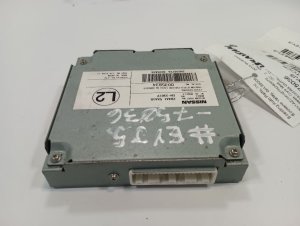
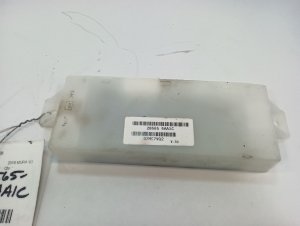
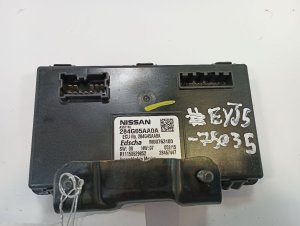
- Match the Part Number Exactly: This is non-negotiable. The OEM part number on the replacement module must perfectly match the one on your original BCM. The primary known part numbers are 284B1-1V48C and its successor, 284B11V48D. Using a BCM with a different part number, even if it looks identical, will likely result in programming failure or system incompatibility.
- Verify Vehicle Options: Ensure the donor module came from a 4-door Sport Utility Murano with the Intelligent Key system. It will not work with the 2-door CrossCabriolet convertible model.
- Inspect for Damage: When you receive the part, check the connectors for any bent or corroded pins. Look for any signs of water damage, which can appear as a chalky white residue on the case or corrosion on the circuit board. Do not accept a module that looks like its case has been pried open.
- Factor in Programming Costs: Remember that the price of the used part is not your final cost. You must budget for professional programming, which can add a few hundred dollars to the total repair.
Pro Tip: Before condemning the BCM, have a professional check the vehicle's battery and charging system. Low voltage from a weak battery or failing alternator can cause bizarre electrical issues that mimic BCM failure.
Cost to Replace the BCM
The total cost involves the part itself and the labor for installation and programming. The physical replacement is relatively simple for a mechanic, but programming is where the cost and complexity lie.
| Item | Estimated Cost |
|---|---|
| New OEM Part | $1,100 - $1,600+ (if available) |
| Used OEM Part | $75 - $250 |
| Remanufactured Part | $200 - $500 (when available) |
| Shop Labor (Installation) | $100 - $170 (approx. 1 hour) |
| Shop Labor (Programming) | $150 - $300 (approx. 1-2 hours) |
Frequently Asked Questions (FAQ)
Can I replace the Murano BCM myself?
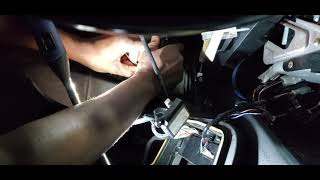
You can perform the physical swap yourself, but the vehicle will be undrivable until it is towed to a dealer or a shop with the correct tools to program the new BCM and your keys. The BCM is typically located under the driver's side dashboard, behind the instrument cluster.
Will my car start after I install a used BCM?
No. The immobilizer will prevent the engine from starting until the used BCM is professionally programmed to recognize your vehicle's keys and other control modules.
Why don't my key fobs work after BCM replacement?
The key fobs must be electronically registered to the new BCM. This is a standard part of the programming process. The new module has no memory of your old keys until they are programmed into it.
Does the mileage or VIN need to match on a used BCM?
No, the BCM does not store the vehicle's mileage. While it doesn't store the VIN either, it must be programmed with the vehicle's VIN and security information during the initialization process at a dealership or qualified shop.
Helpful Videos
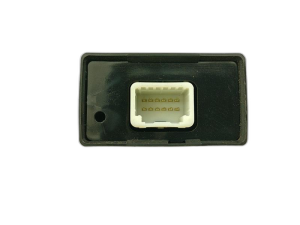
Technical Specifications
OEM Part Numbers: 284B1-1V48C 284B11V48D
Module for 4-door Sport Utility models with Intelligent Key system. Not for 2-door CrossCabriolet.
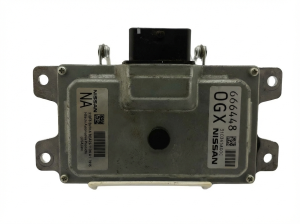
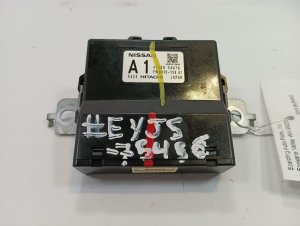
We Have This Part in Stock

The information in this article is provided for general reference and educational purposes only. Vehicle specifications, procedures, and part compatibility can vary by production date, trim level, and region. Always consult your vehicle's factory service manual and verify part numbers before purchasing or performing repairs. Safety-critical components such as airbags, seat belts, and braking systems should be installed by a qualified professional.
- Nissan Murano: