

2010-2016 Chrysler, Dodge, Ram & Jeep BCM: Solving Confusion with the TIPM & Park Assist Module
This guide clarifies the role of the Body Control Module (BCM), distinguishes it from the problematic TIPM, and explains the critical programming requirements for your minivan, truck, or SUV.
- The BCM must be programmed or 'cloned' to your vehicle's VIN; it is not a plug-and-play part.
- Stalling or no-start issues are almost always caused by the Totally Integrated Power Module (TIPM), not the BCM.
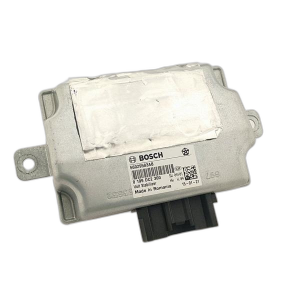
- The part numbers 56054151AA-AE are for the Park Assist Module, a separate, simpler component, not the main BCM.
- Symptoms of a bad BCM are typically widespread, intermittent electrical glitches affecting multiple unrelated systems like lights, locks, and windows.
BCM, TIPM, or Park Assist Module? Clearing Up the Confusion

When diagnosing electrical issues in a 2011-2016 Chrysler Town & Country, 2011-2016 Dodge Grand Caravan, 2010-2011 Dodge Nitro, 2011-2012 Jeep Liberty, 2010-2011 Ram 1500, 2500, or 3500, or a 2012-2014 Ram C/V, it's easy to get confused by three different components: the Body Control Module (BCM), the Totally Integrated Power Module (TIPM), and the Park Assist Module.
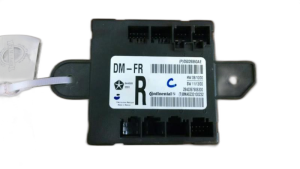
- Body Control Module (BCM): As described above, this is the computer for comfort and convenience features like lights, locks, and windows.
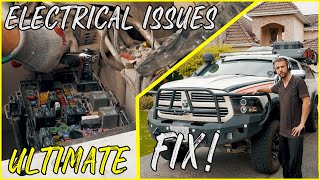
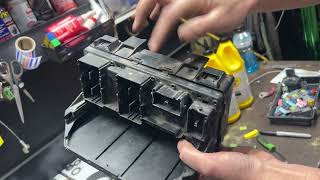
- Totally Integrated Power Module (TIPM): This is the main fuse and relay box under the hood. In these Chrysler-family vehicles, it's more than just a fuse box; it contains internal, non-serviceable relays that control critical components like the fuel pump, horn, and wipers. TIPM failures are very common and often misdiagnosed as BCM problems. 🎬 Watch: Diagnosing common TIPM corrosion and electrical issues.
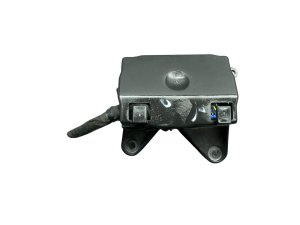
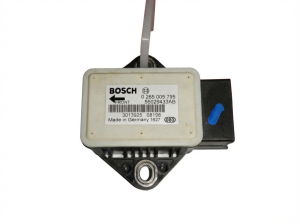
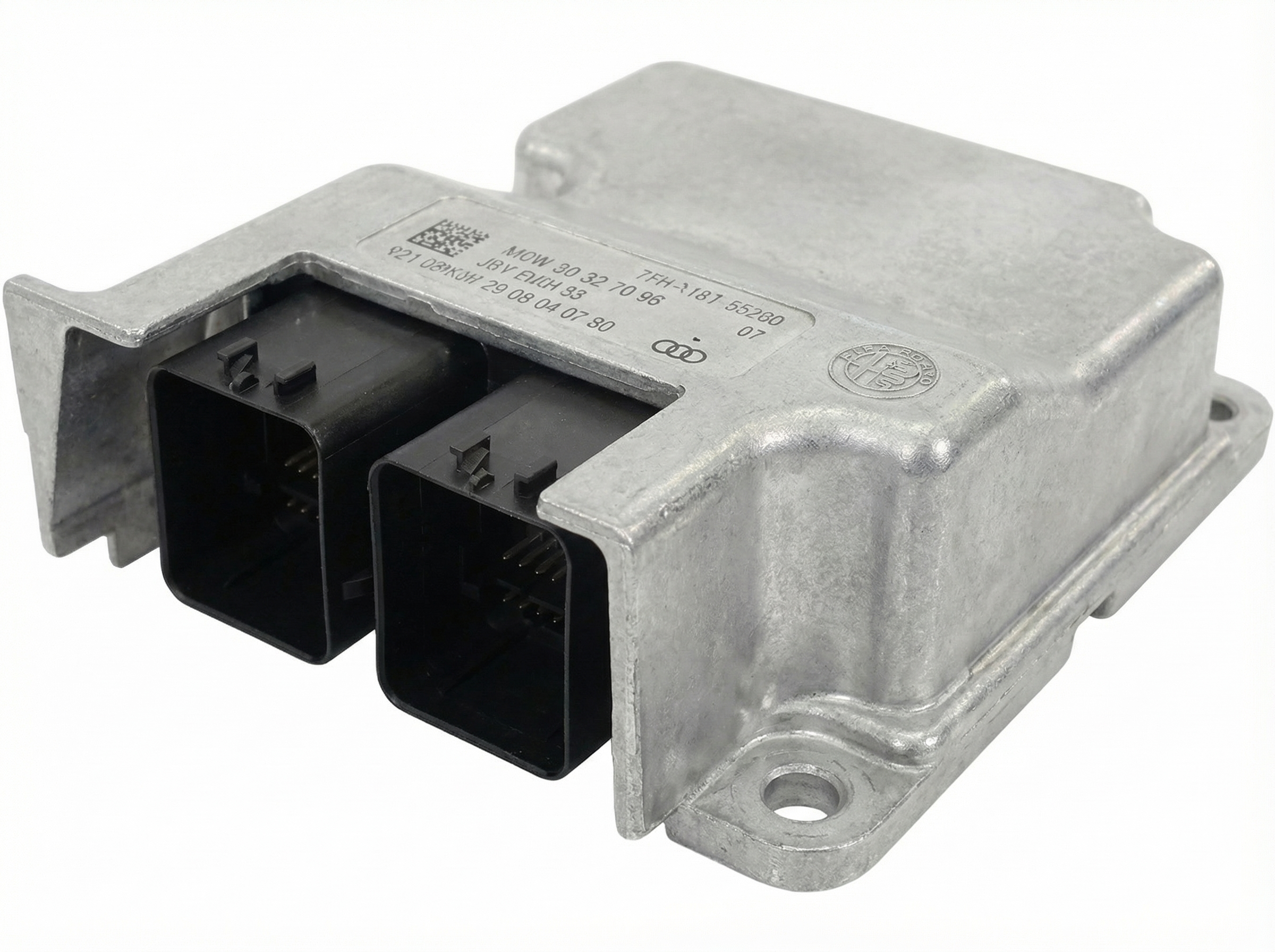
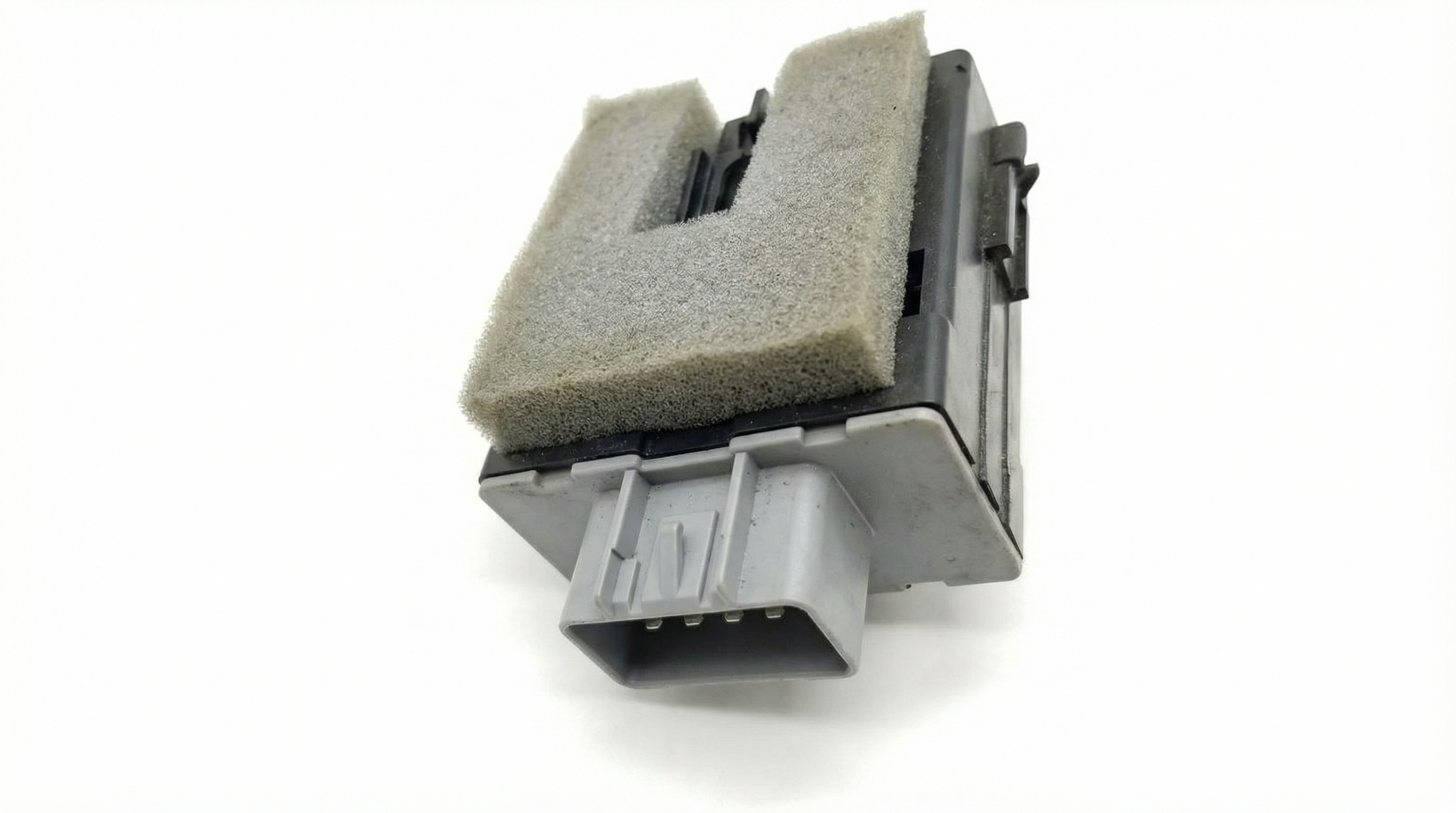
- Park Assist Module: This is a smaller, specific computer that only manages the rear parking sensor system. The OEM part numbers 56054151AA, 56054151AB, 56054151AC, 56054151AD, and 56054151AE are for this Park Assist Module, not the main BCM.
Important: If your vehicle is stalling, cranking but not starting, or having fuel pump issues, the problem is very likely the TIPM, not the BCM. This article focuses on the true Body Control Module.
Symptoms of a Failing Body Control Module

A failing BCM can cause a wide range of strange and intermittent electrical problems. Because it controls so many different systems, you will often see multiple, unrelated issues at the same time.
- Erratic Lights: Headlights, taillights, or interior lights may flicker, stay on when the vehicle is off, or not turn on at all.
- Power Window and Lock Malfunctions: Doors may lock or unlock on their own, or windows may refuse to go up or down.
- Dashboard Chaos: You might see multiple warning lights illuminate for no reason, gauges sweeping back and forth, or the instrument cluster going dark intermittently.
- Security System Faults: The factory alarm may go off randomly, or the immobilizer may fail to recognize your key, preventing the car from starting.
- Parasitic Battery Drain: A faulty BCM can fail to shut down certain accessories, causing the battery to die overnight.
- Accessory Failures: The radio, climate controls, or windshield wipers may work intermittently or not at all.
- Diagnostic Trouble Codes (DTCs): A scanner may show communication codes, such as U0140 (Lost Communication With Body Control Module).
Known Issues, Recalls, and Technical Service Bulletins (TSBs)
While there are numerous recalls and TSBs for these vehicles, very few point directly to widespread failure of the Body Control Module itself. For example, recalls on the 2011 Chrysler Town & Country and Dodge Grand Caravan often relate to an overheating vent window switch or the TIPM, not the BCM. Similarly, many electrical complaints for the 2011 Jeep Liberty and 2011 Ram trucks trace back to the TIPM. There is a TSB (08-016-11) that involves flashing the BCM on some 2011 models, but it is for different vehicles (Dodge Journey/Charger) and addresses specific issues like trunk lamp timeout and passive entry response, not total failure. The lack of BCM-specific recalls suggests it is not as common of a failure point as the TIPM.
Diagnosing a Faulty BCM

- Check Fuses: Before condemning the BCM, always check all related fuses. The main fuse box (TIPM) is located under the hood. A simple blown fuse can mimic BCM failure.
- Scan for Codes: Use an OBD-II scanner capable of reading body codes (B-codes) and network codes (U-codes). A code like U0140 strongly suggests a BCM communication problem. Codes like P1695 (No CCD message from body control module) also point to the BCM.
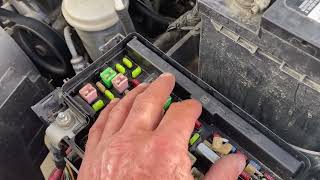
- Perform a Reset: Sometimes, a simple hard reset can resolve temporary glitches. Disconnect both battery terminals and touch them together for about 30 seconds to drain any residual power from the modules. Reconnect and see if the problems persist. 🎬 See how to perform a TIPM reset to fix electrical glitches.
- Check for Water Intrusion: The BCM is typically located inside the cabin, under the driver's side dashboard near the kick panel. Check for any signs of water damage from a leaking windshield or firewall grommet, which can corrode the module and its connectors.
Pro Tip: If you are experiencing a parasitic battery drain, a technician can perform a draw test by measuring the amperage being pulled from the battery when the vehicle is off. By pulling fuses one by one, they can isolate which circuit is causing the draw. If the draw stops when a BCM-related fuse is pulled, the module is likely the culprit.
Buying a Used Body Control Module: Programming is Required
Warning: You cannot simply install a used Body Control Module from another vehicle and expect it to work. The BCM is a security component that is programmed with the original vehicle's Vehicle Identification Number (VIN) and other configuration data.
Installing a used BCM without programming will result in a no-start condition, incorrect mileage displayed on the odometer, and features that do not work because the module's configuration does not match your vehicle's options.
To use a recycled OEM BCM, you have two main options:
- Dealer Programming: A Chrysler/Dodge/Jeep/Ram dealership can program a new or, in some cases, a used BCM to your vehicle using their proprietary wiTECH software. However, many dealers are unwilling or unable to program used modules.
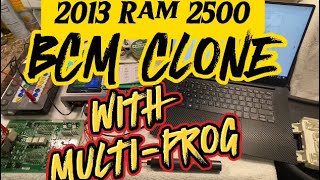
- Cloning Service: The best option for a used part is to send your original BCM and the replacement used BCM to a specialist service. They can use specialized tools to read the data (VIN, mileage, key data, configuration) from your original module's processor and write it directly onto the replacement module. This process, called cloning, makes the replacement module a plug-and-play part, requiring no further programming. 🎬 Watch: A step-by-step walkthrough of the BCM cloning process.
Focus: The Park Assist Module (Part #56054151AE & Supersessions)

As mentioned, the part numbers often associated with this vehicle group are for the Park Assist Module. This module's only job is to process inputs from the ultrasonic sensors in the rear bumper and provide alerts to the driver during parking maneuvers. Failure of this module will only affect the parking sensor system and will not cause the widespread electrical issues associated with a BCM or TIPM failure. Replacement is much simpler and may not require programming, though a dealer scan tool might be needed to initialize it.
Cost of Replacement
Prices can vary significantly based on the part source and labor rates. Programming costs are a major factor.
| Part/Service | Estimated Cost |
|---|---|
| New OEM BCM (Part Only) | $800 - $1,200 |
| New Aftermarket BCM (Part Only) | $400 - $550 |
| Used OEM BCM (Part Only) | $75 - $200 |
| Remanufactured BCM | $250 - $400 |
| Shop Labor (Installation & Programming) | $250 - $500 |
| BCM Cloning Service | $100 - $250 |
Frequently Asked Questions (FAQ)
Do I have to program a replacement BCM for my Grand Caravan or Ram 1500?
Yes, absolutely. A replacement BCM, whether new or used, must be programmed to your vehicle's specific VIN and configuration. Failure to do so will result in a no-start condition and numerous malfunctioning features.
Can a locksmith or independent shop program a Chrysler BCM?
Some advanced independent shops and automotive locksmiths with high-end scan tools and a subscription to Chrysler's tech portal may be able to perform programming. However, it often requires the dealer-specific wiTECH software. The most reliable non-dealer option is to use a cloning service that transfers data from your old module to the replacement.
What is the difference between the BCM and the TIPM?
The BCM is the 'brain' for body accessories like lights, windows, and locks. The TIPM is the 'heart' and fuse box, distributing power to the entire vehicle. On these vehicles, the TIPM also contains critical relays for the fuel pump and starter, making it a common cause of no-start or stalling issues, which are symptoms not typically caused by the BCM.
Where is the Body Control Module located?
On most vehicles in this group, including the Chrysler Town & Country and Dodge Grand Caravan, the BCM is located inside the vehicle, under the driver's side of the dashboard, often attached to the firewall or a kick panel.
Helpful Videos

Technical Specifications
OEM Part Numbers: 56054151AA (Park Assist Module) 56054151AB (Park Assist Module) 56054151AC (Park Assist Module) 56054151AD (Park Assist Module) 56054151AE (Park Assist Module)
The Body Control Module is a networked computer that communicates via the vehicle's CAN bus. It controls multiple low-power circuits for interior and exterior accessories. It is VIN-specific and requires programming.
We Have This Part in Stock

The information in this article is provided for general reference and educational purposes only. Vehicle specifications, procedures, and part compatibility can vary by production date, trim level, and region. Always consult your vehicle's factory service manual and verify part numbers before purchasing or performing repairs. Safety-critical components such as airbags, seat belts, and braking systems should be installed by a qualified professional.
- Ram 1500:
- Ram 2500:
- Ram 3500:
- Chrysler Town & Country:
- Dodge Grand Caravan:
- Jeep Liberty:
- Ram C/V:
- Dodge Nitro:
- Dodge Ram 1500:
- Dodge Ram 3500:
- Dodge Ram 2500:
- 🎬 Helpful Videos
- 🛍️ Shop This Part
- BCM, TIPM, or Park Assist Module? Clearing Up the Confusion
- Symptoms of a Failing Body Control Module
- Known Issues, Recalls, and Technical Service Bulletins (TSBs)
- Diagnosing a Faulty BCM
- Buying a Used Body Control Module: Programming is Required
- Focus: The Park Assist Module (Part #56054151AE & Supersessions)
- Cost of Replacement
- Frequently Asked Questions (FAQ)
- 🎟️ Get 5% Off