

2010-2011 Subaru Legacy & Outback Body Module Failure: A Guide to the BIU
This in-depth guide covers the diagnosis, replacement, and critical programming requirements for the Body Integrated Unit (BIU) in your 2010-2011 Subaru Legacy or Outback.
- This part is for Manual Climate Control models ONLY; it will not work with automatic systems.
- Subaru calls this part the Body Integrated Unit (BIU), and it is linked to the anti-theft immobilizer.
- A replacement BIU (new or used) MUST be programmed or 'cloned' to the vehicle, or the engine will not start. This is not an optional step.
- Common failure symptoms include parasitic battery drain, erratic electronics (lights, windows, locks), and a no-start condition.
Important: Manual vs. Automatic Climate Control

Compatibility Warning: This specific Body Integrated Unit is ONLY for 2010-2011 Subaru Legacy and Outback models equipped with Manual Climate Control. These systems are typically identified by three large physical knobs on the dashboard for temperature, fan speed, and mode selection. This part will NOT work in vehicles with Automatic Climate Control, which usually have a digital display and "Auto" button, commonly found on Limited trim levels. Always verify your vehicle has the manual system before purchasing.
Symptoms of a Failing Body Integrated Unit


A failing BIU can cause a wide range of confusing and seemingly unrelated electrical problems. Because it controls so many different systems, symptoms can vary, but they often appear in clusters. The engine itself may run perfectly, while the rest of the car's electronics seem to have a mind of their own.
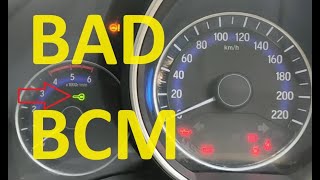
🎬 Watch: Common symptoms of a failing Body Control Module- Erratic Electronics: This is the most common sign. You may experience power windows that don't work, door locks that fail to engage, windshield wipers that won't turn on or off, or interior/exterior lights that flicker or fail to illuminate.
- Parasitic Battery Drain: A classic symptom is a battery that repeatedly dies overnight. A faulty BIU can fail to shut down a circuit, causing a slow but steady drain on the battery even when the car is off. 🎬 See a real-world diagnosis of a Subaru parasitic battery drain
- Dashboard Lights Go Haywire: Many owners report the instrument cluster lighting up "like a Christmas tree" with multiple, unrelated warning lights.
- Vehicle Won't Start: Because the BIU is part of the immobilizer system, a complete failure can prevent the car from starting. You may turn the key and get nothing, or the security light on the dash may stay illuminated, indicating it doesn't recognize your key.
- Diagnostic Trouble Codes (DTCs): A scan tool may reveal specific codes stored in the system. Common codes related to BIU failure include B-series (Body) and U-series (Network Communication) codes. Look for codes like B1100 (BIU Internal Error), B1101/B1102 (Power Supply Malfunction), B1402 (Immobilizer Key Mismatch), or U0140 (Lost Communication with Body Control Module).
The #1 Rule: Programming is NOT Optional

You cannot simply swap a used Body Integrated Unit into your Legacy or Outback and expect it to work. The BIU is electronically tied to your vehicle's specific keys and Engine Control Module through the immobilizer system.
If you install a different BIU, the car will not start. You have two main options after installing a replacement unit:
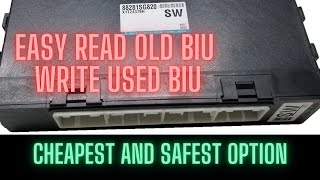
- Cloning (Recommended for Used Parts): This is the most straightforward method when using a recycled OEM part. You must send your original (faulty) BIU and the donor (used) BIU to a specialized service. They will read the unique immobilizer data, key codes, and vehicle configuration from your original module's memory chip and write it directly onto the donor module. The cloned unit is then returned to you as a plug-and-play part, requiring no further programming. 🎬 Watch: How to program and clone a Subaru BIU
- Dealer/Shop Programming: A Subaru dealership or a well-equipped independent shop can use a diagnostic tool like the Subaru Select Monitor (SSM) to register the new BIU to the vehicle and reprogram your keys to it. This is typically how a brand-new BIU is installed. This process can be costly and requires you to have the vehicle and all keys present at the shop.
Pro Tip: Even if your original BIU is damaged by water or has no communication, a professional cloning service can often read the data directly from the memory chip on the circuit board. This makes cloning a viable option in most failure scenarios.
Buying a Used Body Integrated Unit
Purchasing a used OEM BIU is a cost-effective solution, provided you follow the programming requirements. Here's what to look for:
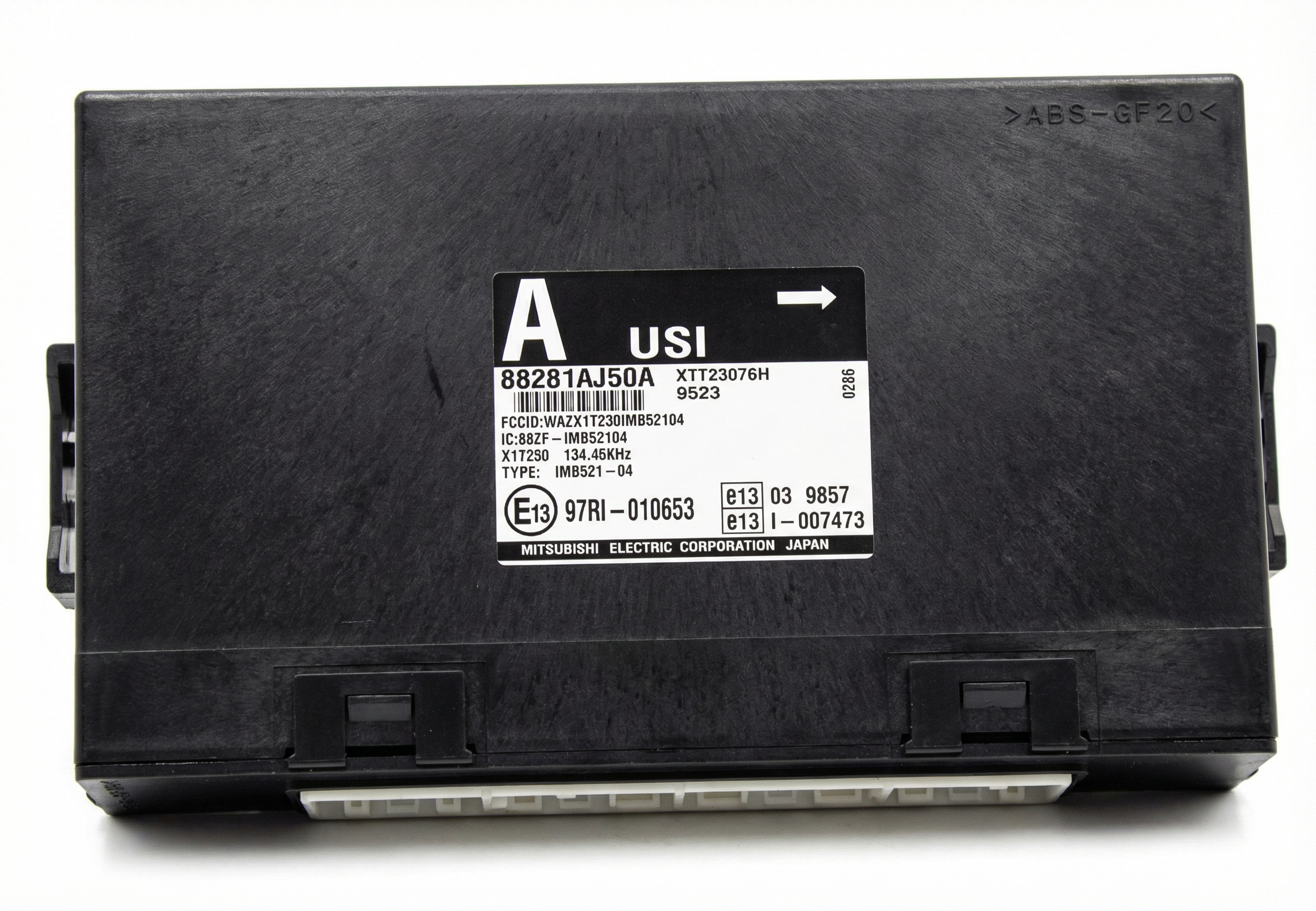
- Match the Part Number: It is critical to match the OEM part number exactly. The primary part numbers for this application are 72343AJ11A and its successor, 72343AJ31A. Ensure the part you buy is one of these.
- Verify Compatibility: Double-check that the donor vehicle was a 2010-2011 Legacy or Outback with the same manual climate control system as yours.
- Inspect for Damage: When the part arrives, carefully inspect the housing and all electrical connector pins. Look for any signs of corrosion (green or white crust), which indicates water damage, or any bent or burnt pins. Do not install a module that shows signs of physical damage.
- Factor in Cloning Costs: Remember that the price of the used part is not the final cost. You must budget for the mail-in cloning service to make the part functional in your car.
Related Recalls and Service Bulletins
While there are no direct recalls for the Body Integrated Unit on these vehicles, several safety recalls involve systems controlled by or related to the BIU. It's wise to check if your vehicle has had these repairs performed.
- Wiper Motor Failure (NHTSA Campaign 15V124000): A recall was issued for the front windshield wiper motor, which could overheat, fail, and potentially cause a fire. Since the BIU controls the wipers, this is a highly relevant issue.
- Electronic Parking Brake (NHTSA Campaign 18V633000): Affecting models with a manual transmission, the electronic parking brake module could fail, preventing the brake from engaging and potentially allowing the vehicle to roll away.
- Moonroof Detachment (NHTSA Campaign 11V467000): The moonroof glass could detach due to improper adhesive application.
- Takata Airbag Inflators: Like millions of other vehicles, these models were subject to the massive Takata airbag recall, which can cause serious injury if not addressed.
Cost of Replacement (2010-2011 Legacy & Outback)
| Part or Service | Estimated Cost |
|---|---|
| New OEM BIU | $240 - $290 |
| Used OEM BIU | $50 - $125 |
| BIU Cloning Service | $100 - $200 |
| Shop Labor for Diagnosis & Replacement | $150 - $250 |
Frequently Asked Questions (FAQ)
Do I have to take my car to the dealer to replace the BIU?
Not necessarily. If you buy a used BIU and have it 'cloned' with your original module's data, the replacement becomes a plug-and-play job you can do yourself. If you buy a new BIU, you will need a dealer or a specialized shop with Subaru programming tools to make it work.
What is the difference between a BIU and an ECU?
The BIU (Body Integrated Unit) controls body electronics like lights, windows, and locks. The ECU (Engine Control Unit) manages the engine's performance, including fuel injection, ignition timing, and emissions systems. They are separate computers, but they communicate with each other, especially for the immobilizer system.
Can a bad BIU cause a parasitic battery drain?
Yes, this is a very common symptom. A faulty BIU can fail to power down a system after the car is turned off, leading to a constant current draw that drains the battery.
Where is the BIU located on a 2010-2011 Legacy or Outback?
The Body Integrated Unit is typically located in the cabin, under the dashboard. It is often found integrated with or mounted near the interior fuse box on the driver's side.
Helpful Videos

Technical Specifications
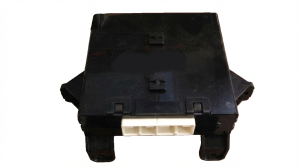
OEM Part Numbers: 72343AJ11A 72343AJ31A
For vehicles with Manual Climate Control systems.
We Have This Part in Stock

The information in this article is provided for general reference and educational purposes only. Vehicle specifications, procedures, and part compatibility can vary by production date, trim level, and region. Always consult your vehicle's factory service manual and verify part numbers before purchasing or performing repairs. Safety-critical components such as airbags, seat belts, and braking systems should be installed by a qualified professional.
- Subaru Legacy:
- Subaru Outback:
- 🎬 Helpful Videos
- 🛍️ Shop This Part
- Important: Manual vs. Automatic Climate Control
- Symptoms of a Failing Body Integrated Unit
- The #1 Rule: Programming is NOT Optional
- Buying a Used Body Integrated Unit
- Related Recalls and Service Bulletins
- Cost of Replacement (2010-2011 Legacy & Outback)
- Frequently Asked Questions (FAQ)
- 🎟️ Get 5% Off