

2017-2023 Tesla Model 3 Body Controllers (VCFRONT, VCLEFT, VCRIGHT): A Guide to Failures & Programming
Diagnose zone-specific electrical failures, understand the mandatory programming, and learn why not all body control modules are the same in a Model 3.
- The Model 3 uses three separate body controllers (VCFRONT, VCLEFT, VCRIGHT), not one BCM. Failures are often isolated to one zone of the car.
- Replacement is NOT plug-and-play. All new or used controllers MUST be programmed to the car's VIN using Tesla's proprietary 'Toolbox' software.
- A faulty controller can cause a parasitic drain that kills the 12V battery, making the car seem completely dead.
- Water intrusion is a common cause of failure for the VCRIGHT module located in the passenger footwell.
Understanding the Model 3's Distributed Controller System
When you have an electrical issue in a 2017-2023 Tesla Model 3—like a window that won't go down or a door that won't open—the problem often traces back to a body controller. However, the Model 3 doesn't have just one. It uses a sophisticated system of three main modules: the Front Body Controller (VCFRONT), Left Body Controller (VCLEFT), and Right Body Controller (VCRIGHT). Each one is a small computer responsible for the power distribution and function of the components in its designated area. This is a major difference from most other cars that rely on a single BCM.
Symptoms of a Failing Body Controller
Because the system is zone-specific, symptoms are often isolated to one area of the vehicle, which can help in diagnosing the correct module.
Symptoms of VCLEFT (Driver-Side) or VCRIGHT (Passenger-Side) Failure:
- Unresponsive Controls on One Side: The most common symptom is when the door lock, window switch, power mirror, or power seat on either the driver's or passenger's side stops working.
- Parasitic 12V Battery Drain: A faulty controller can fail to enter its low-power "sleep" mode when the car is off. This causes a continuous power draw that drains the 12V battery, sometimes overnight. The result is a car that appears completely dead and will not "wake up" or respond to the key.
- Water Intrusion Damage (VCRIGHT): The Right Body Controller (VCRIGHT) is located in the passenger footwell and is known to be susceptible to water damage from A-pillar leaks or a clogged HVAC drain. Corrosion on the module's circuit board can lead to a wide range of erratic electrical behavior on the passenger side of the car.
Symptoms of VCFRONT (Front Controller) Failure:
- Erratic Lighting: Headlights (especially Matrix LEDs), daytime running lights, or turn signals may flicker, stay on, or fail to illuminate.
- Frunk or Horn Malfunctions: The front trunk (frunk) may refuse to open, or the horn may not work.
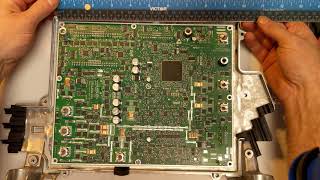
- Pump and Sensor Issues: The VCFRONT module controls various pumps and sensors related to the vehicle's thermal management system. 🎬 Watch: Detailed teardown of the VCFRONT module
Known Issues, Recalls, and Service Bulletins
While there are no widespread recalls for faulty body controller hardware, Tesla has issued related service bulletins.
- Service Bulletin SB-25-17-010: This bulletin addresses an issue where some vehicles may have been fitted with an incorrect front body controller from the factory. The fix is to replace the module with one that is compatible with the vehicle's specific configuration, such as its Autopilot hardware version. This highlights the critical importance of matching part numbers and hardware revisions when sourcing a replacement.
- Software-Based Recalls: Many recalls affecting the Model 3 are related to software and are fixed with an Over-The-Air (OTA) update. These typically do not involve hardware replacement unless a component has already failed.
Warning: A replacement body controller is not a plug-and-play part. It is a blank slate that MUST be programmed to your vehicle's specific VIN and configuration. This is not an optional step.
Programming and Calibration Requirements
This is the single most important part of replacing a Tesla body controller. The vehicle will not function correctly without proper programming.
- Tesla Toolbox Software: The programming procedure, known as "VIN-learning" or "provisioning," requires Tesla's proprietary diagnostic software, called Toolbox. 🎬 See: Overview of Tesla Toolbox 3 diagnostic software
- Procedure: A technician connects a laptop to the vehicle and runs a specific software routine (e.g., PROC_BDY_X_PEKTRON-VIN-LEARN) to pair the new or used controller to the car.
- Firmware Reinstall: After the controller is programmed, the vehicle's main firmware must be reinstalled to ensure all systems communicate correctly.
- Who Can Program It?: A Tesla Service Center is the most straightforward option. However, some specialized independent EV repair shops have purchased subscriptions and training from Tesla and have the authorized tools to perform this programming. A standard auto repair shop will not be able to complete the job.
Buying a Used Body Controller: What You Must Know
Purchasing a used OEM controller is a cost-effective repair strategy, as the hardware is generally reliable. However, success depends entirely on proper planning for the mandatory programming.
- Match the Part Number Exactly: Tesla uses many hardware revisions. Check the part number on your original module and buy a used one with the exact same number to ensure compatibility with your car's features (e.g., Autopilot hardware, premium audio).
- Secure a Programmer First: Before you buy the part, confirm that either a Tesla Service Center or a qualified independent EV shop in your area is willing and able to program a used controller for you.
- Physical Inspection: When you receive the used part, inspect the connectors for any signs of corrosion, bent pins, or physical damage. This is especially important for the VCRIGHT module, which is prone to water damage.
- Why Used OEM is a Good Choice: There are few, if any, new aftermarket options for these complex modules. A used, factory-original OEM part that has been correctly programmed is functionally identical to a new one and is a reliable choice.
Cost to Replace a Tesla Model 3 Body Controller
Costs can vary based on which of the three controllers has failed and local labor rates. The primary expense is often the specialized labor for diagnosis and programming, not the part itself.
| Part/Service | Estimated Cost | Notes |
|---|---|---|
| New OEM Controller | $300 - $600 | Price varies by module (Front, Left, or Right). Must be purchased through Tesla Service. |
| Used OEM Controller | $50 - $350 | Widely available from online auto recyclers. Price depends on module and condition. |
| Shop Labor (Diagnosis & Installation) | $300 - $750 | Includes physical replacement and the critical software programming. Requires a Tesla Service Center or specialized independent shop. |
Controller Locations and Replacement Overview
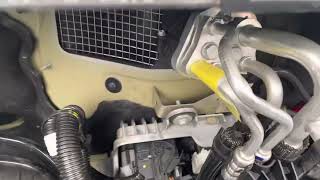
- VCFRONT (Front): Located in the front of the vehicle, under the frunk storage tub and cowl panel.
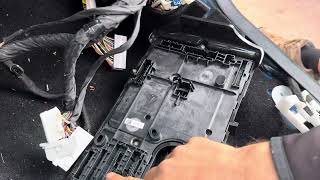
- VCRIGHT (Right): Located in the passenger footwell, behind the carpet and lower dash trim. 🎬 Watch: Step-by-step VCRIGHT replacement walkthrough
- VCLEFT (Left): Located in the driver's footwell in a position mirroring the right-side controller.
Pro Tip: Before beginning work, you must properly power down the vehicle by disconnecting the 12V power and the high-voltage loop. Tesla's service manual warns that failure to follow the correct procedure, such as ensuring a window is open before disconnecting power, could result in vehicle lockout or even shattered glass.
Frequently Asked Questions (FAQ)
Does the Model 3 have a single Body Control Module (BCM)?
No, unlike most cars, the Tesla Model 3 uses a distributed system with three main body controllers: VCFRONT (Front), VCLEFT (Left), and VCRIGHT (Right). Each manages a different zone of the car.
Can I replace a body controller myself and skip the programming?
No. While the physical replacement may be possible for a skilled DIY mechanic, the mandatory software programming makes it impractical for most. The car will not operate correctly without programming the new or used module to your car's VIN using Tesla's Toolbox software.
Why did my 12V battery die and my car won't wake up?
This is a classic symptom of a failing body controller. The faulty module can get stuck 'on' and prevent the car from going to sleep, leading to a parasitic drain that depletes the 12V battery.
Can my regular mechanic program a new Tesla body controller?
Almost certainly not. Programming requires a subscription to Tesla's diagnostic service and specialized training. This job must be done by a Tesla Service Center or an independent repair shop that specializes in EVs and has invested in the proper Tesla tools and access.
Helpful Videos
Technical Specifications
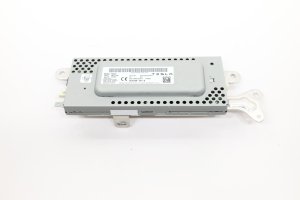
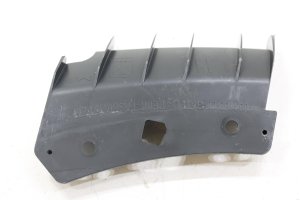
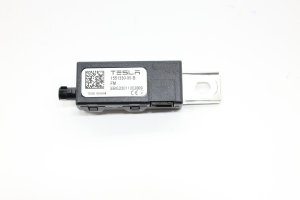
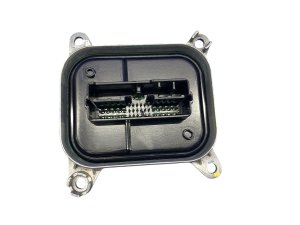
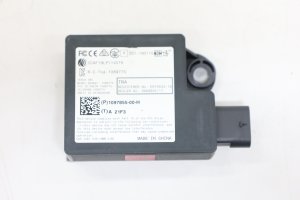
OEM Part Numbers: 1097855-00-H (Rear Bumper Module) 1583991-10-D (Front Controller, HW3) 1585663-00-C (Front Controller) 1585663-20-D (Front Controller, HW4) 149732400F 1097855-00-D
The Model 3 uses a distributed body control system with three primary modules: VCFRONT, VCLEFT, and VCRIGHT. These solid-state modules replace traditional fuse boxes and relays, using MOSFETs for power distribution.
We Have This Part in Stock

The information in this article is provided for general reference and educational purposes only. Vehicle specifications, procedures, and part compatibility can vary by production date, trim level, and region. Always consult your vehicle's factory service manual and verify part numbers before purchasing or performing repairs. Safety-critical components such as airbags, seat belts, and braking systems should be installed by a qualified professional.
- Tesla 3:
- 🎬 Helpful Videos
- 🛍️ Shop This Part
- Understanding the Model 3's Distributed Controller System
- Symptoms of a Failing Body Controller
- Symptoms of VCLEFT (Driver-Side) or VCRIGHT (Passenger-Side) Failure:
- Symptoms of VCFRONT (Front Controller) Failure:
- Known Issues, Recalls, and Service Bulletins
- Programming and Calibration Requirements
- Buying a Used Body Controller: What You Must Know
- Cost to Replace a Tesla Model 3 Body Controller
- Controller Locations and Replacement Overview
- Frequently Asked Questions (FAQ)
- 🎟️ Get 5% Off