

2023-2025 Toyota & Lexus Immobilizer Module 89784-0E140: No-Start Issues & Programming
This guide covers the critical immobilizer control module used in many new Toyota and Lexus models, explaining why it can prevent your car from starting and what's required to fix it.
- This module is a critical anti-theft part; if it fails, your car will crank but not start.
- It is NOT a plug-and-play part. Replacement modules (new or used) MUST be programmed to your vehicle by a dealer or qualified locksmith with Toyota Techstream software.
- Before replacing the module, always check the key fob battery, the main vehicle battery, and related fuses.
- When purchasing a used module, factor in the mandatory cost of programming, which can be $150-$300.
- This single part (89784-0E140) is shared across many 2023-2025 Toyota and Lexus models, including Camry, Corolla, Tacoma, and RX series.
Understanding the Immobilizer Control Module
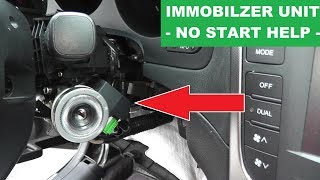
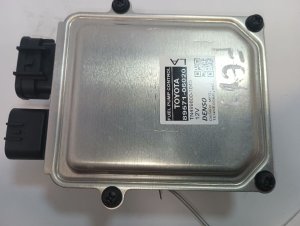
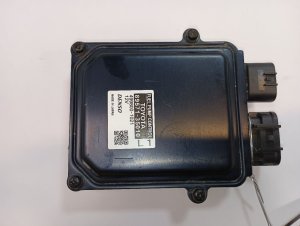
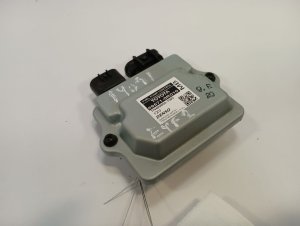
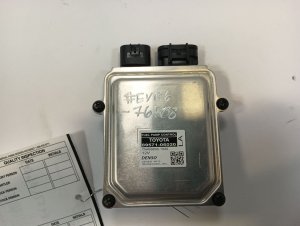
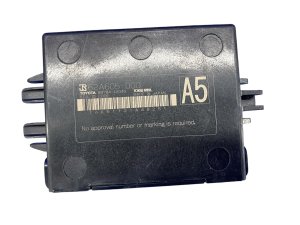
The part identified by OEM number 89784-0E140 is a specialized Body Control Module (BCM) focused on one job: vehicle security. While often called a BCM, its primary role is as the brain of the immobilizer system. It's the gatekeeper that decides whether your key is legitimate before allowing the engine to fire up. This module is used across a wide range of new Toyota and Lexus vehicles, including the 2025 Toyota Camry, 2023-2024 Lexus RX350, 2024-2025 Toyota Corolla, 2024-2025 Toyota Tacoma, 2023-2025 Toyota Corolla Cross, 2023-2024 Lexus RX350h, 2024 Toyota Grand Highlander, 2023-2025 Lexus RX500h, and 2025 Lexus RX450h+ because they share similar electronic platforms.
Warning: A failure of this module will result in a no-start condition. The engine will typically crank but will not start because the module is preventing the fuel injectors and ignition system from activating.
Symptoms of a Failing Immobilizer Module
Because these vehicles are so new, age-related failure is uncommon. Issues are more likely to arise from manufacturing defects, electrical problems, or after an accident. Here are the most common symptoms:
- Engine Cranks But Does Not Start: This is the most definitive symptom. The starter motor will turn the engine over, but it will never catch and run.
- Flashing Security Light: The vehicle's security indicator light on the dashboard may blink rapidly or stay on solid when you try to start the car, indicating an immobilizer fault.
- Key Fob Not Recognized: The vehicle may not respond to the key fob for locking/unlocking doors, and the push-to-start button may not work.
- Warning Messages on Dash: You might see messages like "Key Not Detected" or other system warnings.
- Intermittent Starting Issues: Before complete failure, the module might work sporadically, sometimes allowing the car to start and other times not.
- Diagnostic Trouble Codes (DTCs): A scan tool may reveal communication codes like U0140 (Lost Communication With Body Control Module) or other immobilizer-specific codes.
Known Issues, TSBs, and Recalls
Given the newness of these models, widespread, long-term issues have not yet been fully documented. However, some early issues and related service bulletins have been noted for vehicles in this platform family.
- 2023-2024 Toyota Corolla Cross: 🎬 See this breakdown of recent Corolla Cross safety recalls Some owners have reported electrical issues, including instances where the vehicle stalls or shuts down completely, sometimes accompanied by power steering warnings. While not directly linked to the immobilizer module in every case, these electrical gremlins can sometimes stem from control unit problems. There is also a recall for the skid control ECU software on some 2023-2024 models.
- 2023 Lexus RX350h: Some Technical Service Bulletins (TSBs) have been issued for the 2023 RX platform, including for transmission control module (TCU) issues causing vibrations (NHTSA ID: 10247801) and engine hesitation (NHTSA ID: 10247797). While not the same part, these indicate the complexity and potential for software/module issues in this vehicle generation.
- Parasitic Battery Drain: A faulty BCM or immobilizer module can fail to let other vehicle systems go to "sleep" when the car is off, leading to a dead battery overnight or after a few days.
Programming and Replacement Requirements
CRITICAL: This module CANNOT be simply swapped from one vehicle to another. It is a theft-locked part and requires programming to your specific vehicle and keys.
If you replace the immobilizer module, the new (or used) unit must be synchronized with your vehicle's Engine Control Module (ECM) and your existing keys. Without this step, the car will not start.
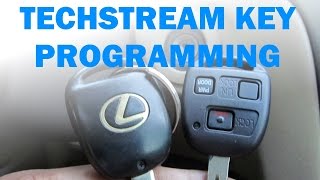
- Who can program it? A Toyota or Lexus dealership is the most reliable option. They use proprietary Techstream software 🎬 Watch: How technicians use Techstream to program Toyota immobilizers to perform the synchronization. Some well-equipped independent shops and specialized automotive locksmiths may also have the tools and subscriptions required to program this module.
- DIY Programming: For older Toyota models, a "paper clip method" existed to put the system into a learning mode. However, for these modern 2023+ vehicles, this is not a confirmed viable method. Programming requires advanced tools like Toyota's Techstream software. Attempting unverified procedures can cause further electronic issues.
- What is required? The technician will need access to the vehicle, all existing keys, and the appropriate diagnostic tool (Techstream). The process involves registering the new module to the car's VIN and then re-registering each key to the new module.
Buying a Used Immobilizer Module
Buying a used OEM immobilizer module can be a cost-effective solution, but you must be aware of the programming requirements. A used module is not a plug-and-play part.
- Verify the Part Number: Ensure the part number (89784-0E140) matches exactly. While other modules may look similar, they are not interchangeable.
- Factor in Programming Costs: When buying a used module, immediately contact a local dealer or qualified locksmith to get a quote for programming. This cost is a mandatory part of the repair. Expect to pay for 1-2 hours of labor.
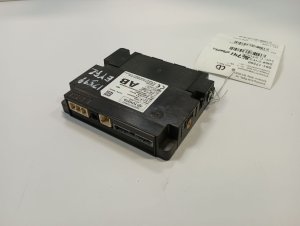
- Physical Inspection: When the part arrives, inspect it for any signs of physical damage, especially to the connectors. Check for corrosion, bent pins, or cracks in the casing, which could indicate water or impact damage.
- Source Matters: Purchase from a reputable seller of used OEM parts that offers a warranty. This protects you in case the module is faulty upon arrival.
Pro Tip: Before condemning the immobilizer module, ensure the battery in your key fob is fresh. Also, have the vehicle's main 12V battery tested. Low voltage can cause a wide range of bizarre electronic issues that can mimic a failed control module. Always check fuses and ground connections as well.
Cost Breakdown
Prices can vary by location and supplier. The main cost variable is the mandatory programming.
| Part/Service | Estimated Cost |
|---|---|
| New OEM Module (Part Only) | $140 - $200 |
| Used OEM Module (Part Only) | $50 - $120 |
| Shop Labor (Programming) | $150 - $300 (1-2 hours) |
| Total New OEM Replacement (Installed & Programmed) | $290 - $500 |
| Total Used OEM Replacement (Installed & Programmed) | $200 - $420 |
Frequently Asked Questions (FAQ)
Can I drive my car with a bad immobilizer module?
No. If the module has failed completely, your car will not start, making it impossible to drive. If it is failing intermittently, you risk being stranded wherever the car decides not to start next.
Will a locksmith be cheaper than the dealer for programming?
Sometimes. An automotive locksmith who specializes in modern vehicle keys and modules may charge less for programming than a dealership. However, you must confirm they have the specific equipment and software to handle a 2023+ Toyota/Lexus immobilizer system before they begin work.
Do I need to replace my keys if I replace the immobilizer module?
No, you should not need to replace your keys. The programming process involves teaching the new module to recognize your existing keys. You will, however, need to have all of your keys present during the programming session.
Could a dead key fob battery cause these symptoms?
Yes, a weak or dead battery in your key fob can prevent the car from recognizing the key, leading to a no-start condition. This is a much easier and cheaper fix, so always try replacing the key fob battery first before diagnosing a bad immobilizer module.
Helpful Videos

Technical Specifications
OEM Part Numbers: 89784-0E140 897840E140
Also known as: Computer Immobilise, Anti-Theft Alarm Control Unit, Anti-Theft Module, Control Module.
We Have This Part in Stock

The information in this article is provided for general reference and educational purposes only. Vehicle specifications, procedures, and part compatibility can vary by production date, trim level, and region. Always consult your vehicle's factory service manual and verify part numbers before purchasing or performing repairs. Safety-critical components such as airbags, seat belts, and braking systems should be installed by a qualified professional.
- Toyota Camry:
- Lexus RX350:
- Toyota Corolla:
- Toyota Tacoma:
- Toyota Corolla Cross:
- Lexus RX350h:
- Toyota Grand Highlander:
- Lexus RX500h:
- Lexus RX450h+: