

2001-2003 Toyota Prius: Solving Electrical Issues with the Body ECU & Combination Meter
This guide clarifies the roles of the various electronic modules in your first-generation Prius and helps diagnose common failures, especially the notorious combination meter issue.
- The 2001-2003 Prius does not have a single Body Control Module; functions are split between a Body ECU, the Combination Meter, and other modules.
- A blank dashboard is the most common electronic failure, caused by the Combination Meter, not the Body ECU. This is often repairable.
- CRITICAL: The odometer mileage is stored in the Combination Meter. Swapping it will display the donor car's mileage unless reprogrammed by a specialist.
- The Airbag Module (part 89170-47040) is a separate safety part. It must be matched to the side airbag option and be free of crash data to function.
The "Body Control Module" Myth in the Gen 1 Prius
If you're trying to find a single "Body Control Module" in your 2001-2003 Prius, you won't have much luck. Unlike later vehicles, the first-generation Prius distributes control of its electronics across several different modules. When troubleshooting issues like failing power locks, a dead instrument panel, or other electrical gremlins, it's important to know which component is responsible.
The three main modules owners often deal with are:
- Body ECU: Manages basic body functions like power door locks, keyless entry, and some interior lighting.
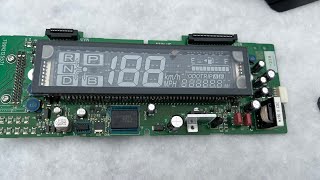
- Combination Meter: This is the instrument panel itself, containing the speedometer and warning lights. It's a common failure point and its malfunction can cause a wide range of strange symptoms.
- Airbag Control Module (SRS ECU): A dedicated safety computer that controls airbag deployment. It is completely separate from the other body electronics.
Symptoms of Failure
Diagnosing your Prius requires matching the symptom to the correct module.
Combination Meter Failure
The most common and confusing electronic failure in the 2001-2003 Prius is the combination meter. Because it acts as a central communication hub, its failure can cause problems that seem unrelated.
- The entire instrument display is completely blank or dark.
- Display works intermittently, sometimes coming back on after hitting a bump.
- Inability to turn the car off normally; you may have to press and hold the power button.
- Backup lights and reverse beeper do not work.
- Fuel gauge is inaccurate or not displayed.
- The check engine light may not illuminate even if there are engine problems.
These issues are often caused by failed capacitors on the meter's circuit board.
Body ECU Failure
Problems with the Body ECU are typically more straightforward:
- Power door locks do not work or operate erratically.
- Keyless entry remote fails to lock or unlock the doors.
- Parasitic battery drain that kills the battery overnight.
- Interior lights or security system malfunctions.
Airbag Control Module (SRS ECU) Failure
A failure here is a critical safety issue:
- The red SRS/airbag warning light on the dashboard is constantly illuminated.
- Airbags will not deploy in a crash.
Warning: The part number 89170-47040 is for the Airbag Control Module, NOT a general Body Control Module. This module is specifically for models equipped with side airbags and is not compatible with vehicles that do not have them.
Known Issues, TSBs, and Recalls
While there are no specific recalls for the Body ECU or Combination Meter, the 2001-2003 Prius had a significant safety recall for the power steering system.
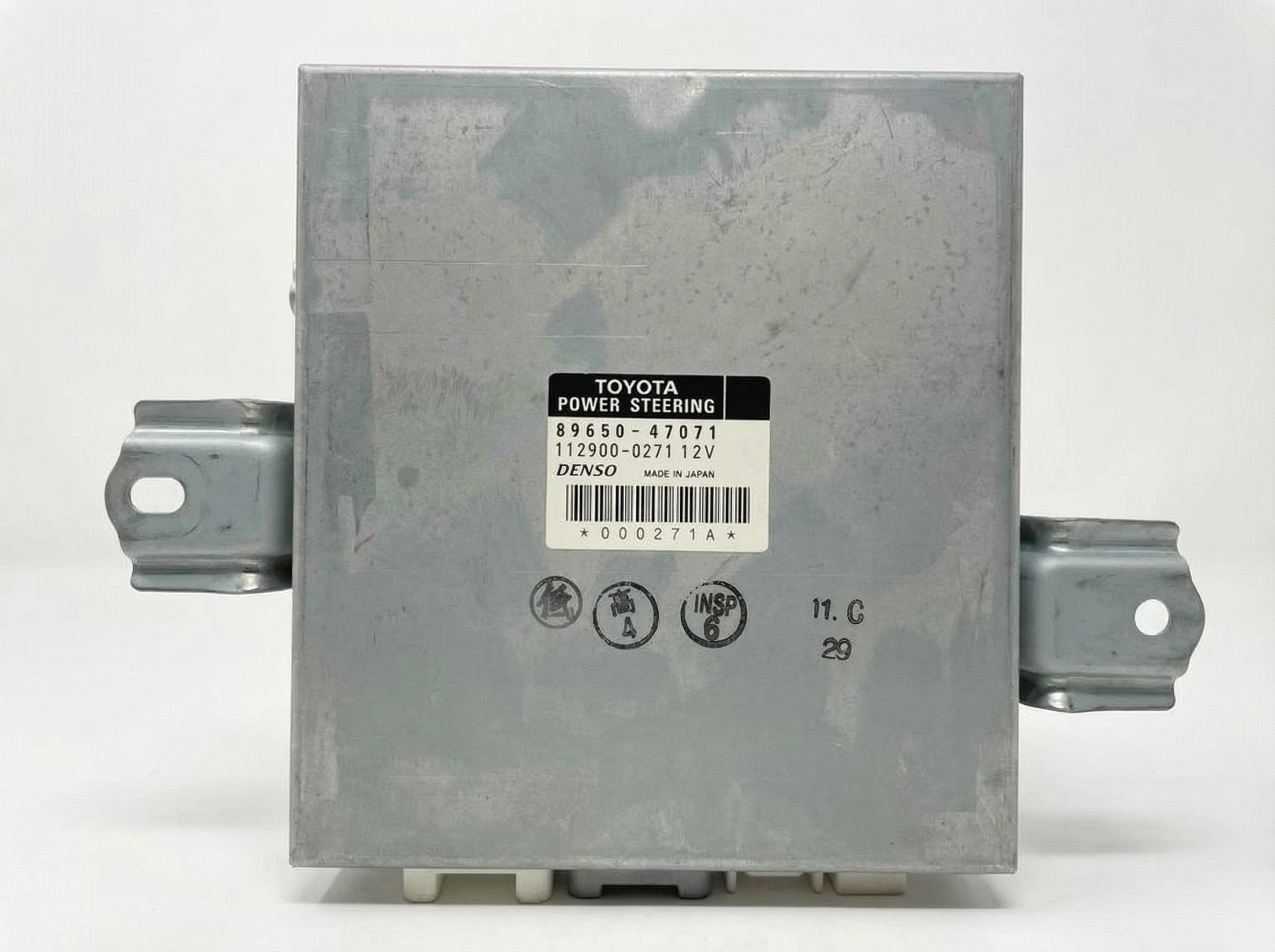
- NHTSA Recall 11V304000: Issued for the Electric Power Steering (EPS) system. Nuts securing the pinion shaft could loosen, leading to increased steering effort, particularly on left turns, and raising the risk of a crash. The remedy was for dealers to replace the nuts free of charge.
- Technical Service Bulletins (TSBs): Toyota issued several TSBs related to the power steering system to address unusual vibrations and enhance warranty coverage on the steering rack assembly. TSBs also exist for engine-related codes like P3101, P3190, and P3191, which relate to low engine power or starting issues, often requiring throttle body cleaning.
Buying a Used Electronic Module for Your Prius
Buying a used OEM module can save you a significant amount of money, but compatibility is critical. Here’s what to look for:
1. The Combination Meter (Instrument Cluster)
Critical Warning: Odometer Mileage. The vehicle's mileage is stored in the combination meter itself. If you install a used cluster, your dashboard will display the mileage of the donor vehicle, not your own. This can cause legal issues with vehicle registration and resale. To do this correctly, you must either send the used module to a specialized service to have it programmed with your car's correct mileage or keep meticulous records of the mileage at the time of the swap.
When buying a used combination meter, inspect the clear plastic lens for deep scratches or cracks. Ensure all mounting tabs are intact. Given the high failure rate from bad capacitors, ask the seller if the unit has been tested or repaired. Many companies now offer rebuilt units with upgraded capacitors and a warranty.
2. The Body ECU
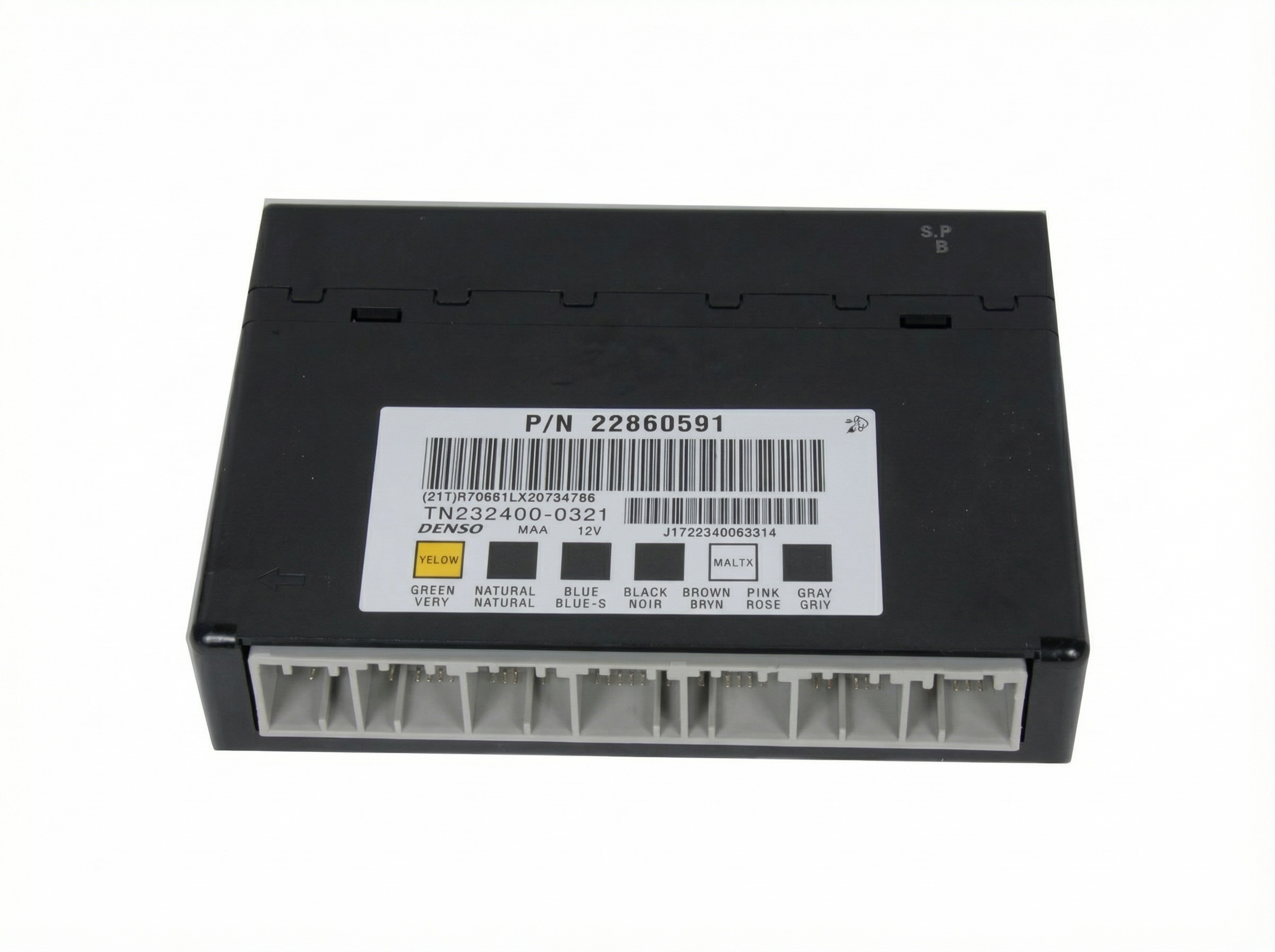
When purchasing a used Body ECU, the most important step is to match the part number exactly. There can be several different part numbers for the same year range depending on the vehicle's original options. Look for a clean unit with no signs of water damage or corrosion on the pins. These modules are generally plug-and-play and do not require special programming.
3. The Airbag Control Module (SRS ECU)
This is a safety-critical component. NEVER buy a module from a vehicle that has been in a flood or fire. Only purchase used airbag modules from reputable sellers who guarantee the part has not been deployed (has no crash data stored). Match the part number 89170-47040 exactly, and confirm it came from a vehicle with the same airbag configuration (with side airbags) as yours. After installation, the system may require a reset or calibration by a professional.
Programming and Installation
Body ECU: Generally does not require programming. It is typically plug-and-play.
Combination Meter: The meter itself does not require programming to function, but as mentioned, the odometer reading is a major issue. After replacement, the fuel gauge's inclination sensor may need to be calibrated to ensure accurate readings.
Airbag Control Module (SRS ECU): If you install a used module that has crash data stored, the airbag light will not turn off. The module must be cleared by a professional service. Simply replacing deployed airbags is not enough; the module itself must be reset. A dealer or specialized shop may also need to perform a zero-point calibration to ensure the sensors work correctly.
Pro Tip: Many of the common combination meter failures are due to a single bad capacitor on the circuit board. For those with electronic soldering skills, replacing this capacitor can be a very cheap and effective repair, costing only a few dollars for the component.
Cost Comparison
Prices can vary widely, but here is a general breakdown for the most commonly replaced module, the Combination Meter.
| Part Type | Estimated Cost |
|---|---|
| New OEM (Dealer) | $950 - $1200+ |
| Remanufactured/Rebuilt | $150 - $400 (often with mileage programming included) |
| Used OEM (Salvage) | $50 - $150 (will require mileage programming separately) |
| DIY Capacitor Repair | $5 - $10 |
| Shop Labor (Installation) | $200 - $400 (1.5-2.5 hours) |
Frequently Asked Questions (FAQ)
My instrument cluster is dead. Is that the Body Control Module?
No, on a 2001-2003 Prius, a dead instrument cluster is almost always a failure of the Combination Meter itself. This is a very common problem caused by internal electronic components failing.
Do I need to program a replacement module?
It depends on the module. A Body ECU usually does not need programming. An Airbag Module needs to be free of crash data and may require calibration. A Combination Meter needs to have the odometer mileage corrected by a specialist to be legally compliant.
Why is my airbag light still on after an accident?
After an accident where airbags deploy, the Airbag Control Module records "crash data" and locks itself for safety. Even after replacing the airbags, the light will stay on until the module itself is professionally reset or replaced with a clear unit.
Can I fix my blank dashboard myself?
If you are skilled with electronics and soldering, you can often repair the Combination Meter by replacing a specific failed capacitor on the circuit board. This is a common DIY fix for those comfortable with taking apart the dashboard and working on circuit boards.
Helpful Videos
Technical Specifications
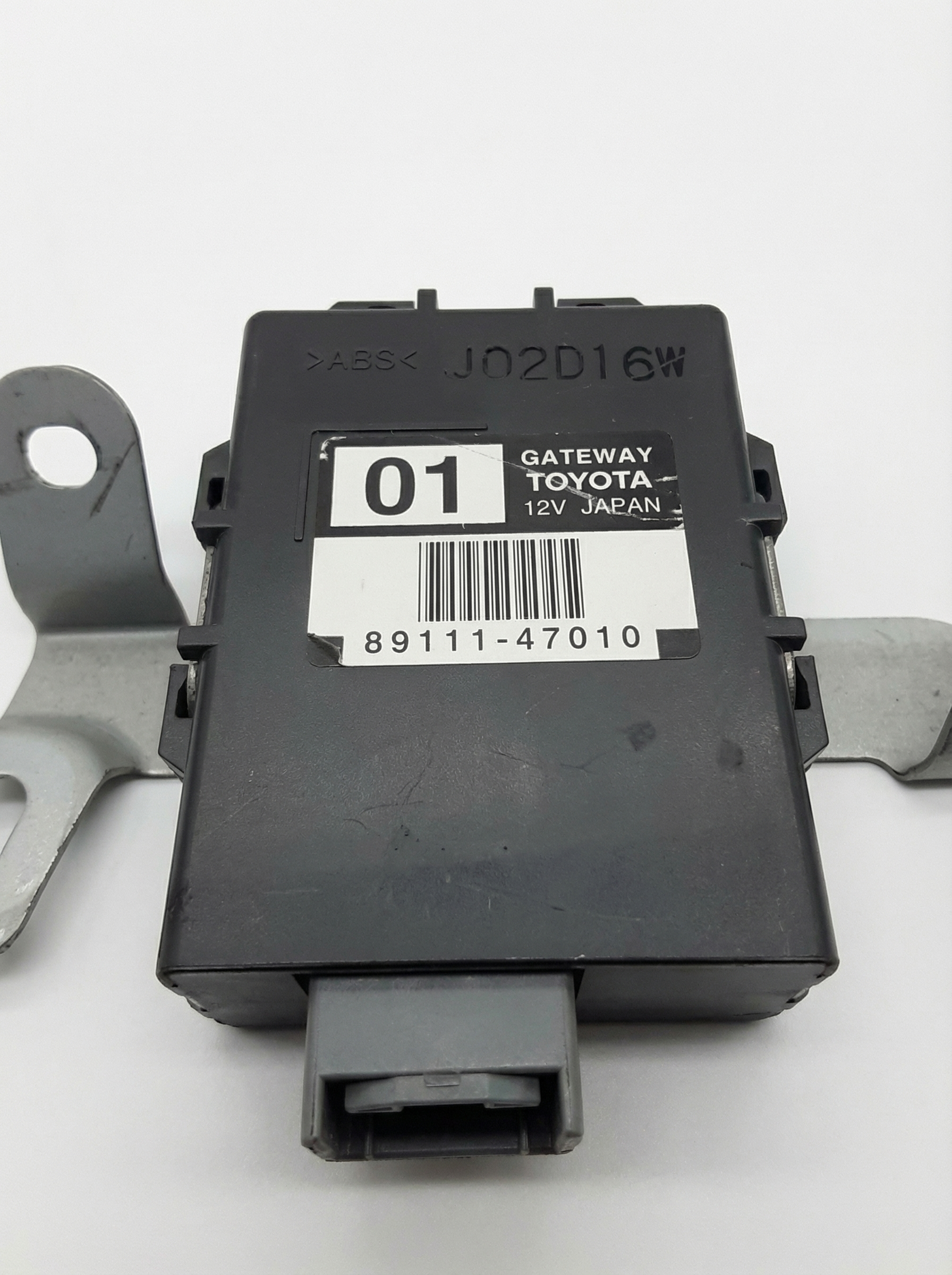
OEM Part Numbers: 89170-47040 (Airbag Control Module, with side airbags) 89221-49025 (Body ECU / Computer, Multiplex Network Body) 83800-47121 (Combination Meter) 82730-47020 (Instrument Panel Junction Block) 89111-47010 (Network Gateway Computer)
System uses a distributed network of ECUs rather than a single BCM. The Combination Meter integrates display, warning lights, and communication gateway functions.
We Have This Part in Stock

The information in this article is provided for general reference and educational purposes only. Vehicle specifications, procedures, and part compatibility can vary by production date, trim level, and region. Always consult your vehicle's factory service manual and verify part numbers before purchasing or performing repairs. Safety-critical components such as airbags, seat belts, and braking systems should be installed by a qualified professional.
- Toyota Prius:
- 🎬 Helpful Videos
- 🛍️ Shop This Part
- The "Body Control Module" Myth in the Gen 1 Prius
- Symptoms of Failure
- Combination Meter Failure
- Body ECU Failure
- Airbag Control Module (SRS ECU) Failure
- Known Issues, TSBs, and Recalls
- Buying a Used Electronic Module for Your Prius
- 1. The Combination Meter (Instrument Cluster)
- 2. The Body ECU
- 3. The Airbag Control Module (SRS ECU)
- Programming and Installation
- Cost Comparison
- Frequently Asked Questions (FAQ)
- 🎟️ Get 5% Off