

2018-2022 Toyota Tundra & Sequoia Body Control Module: Symptoms, Programming, and Replacement
This guide covers the common failures, replacement costs, and critical programming requirements for the Body Control Module in the 2018-2021 Tundra and 2019-2022 Sequoia.
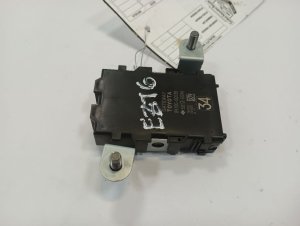
- This BCM (part #89100-0C030) is for Tundra/Sequoia models WITHOUT the blind spot alert feature.
- A replacement BCM MUST be professionally programmed to the vehicle's VIN and keys; it is not a plug-and-play part and the vehicle will not start or run correctly without this step.
- Failure symptoms are almost always electrical, including erratic lights, dead batteries, non-working windows/locks, and no-start conditions.
- New aftermarket or remanufactured options are not readily available, making your choices new OEM from a dealer or a used OEM part.
Symptoms of a Failing Body Control Module
When the BCM starts to fail in a Toyota Tundra or Sequoia, it can cause a wide range of confusing electrical problems. Because the BCM controls so many different systems, you may notice several strange issues at once. Here are the most common signs of a bad BCM:
- Erratic Electrical Functions: Lights (headlights, interior lights) may flicker, stay on, or not work at all. Power windows, door locks, and the radio might work intermittently or stop responding completely.
- Dashboard Warning Lights: You might see multiple warning lights on the dashboard, sometimes looking like a Christmas tree. This can happen when the BCM loses communication with other modules in the vehicle.
- Persistent Battery Drain: A faulty BCM can fail to shut down a circuit, causing a parasitic draw that drains your battery, sometimes overnight. If your battery keeps dying but tests as healthy, the BCM could be the culprit.
- Starting Problems: In some cases, a bad BCM can prevent the vehicle from starting. It may not recognize the transponder chip in your key, preventing the immobilizer system from allowing the engine to start.
- Security System Issues: Problems with the factory alarm or keyless entry system can often be traced back to the BCM.
A common diagnostic trouble code (DTC) associated with BCM failure is U0140 - Lost Communication With Body Control Module. This code specifically indicates a communication breakdown between the BCM and other computers in the vehicle.
Important: Before condemning the BCM, it's crucial to perform basic checks. Ensure the battery is fully charged and the alternator is working correctly. Also, inspect all related fuses and check the module's ground connections for looseness or corrosion, as these can mimic BCM failure symptoms.
Known Issues, TSBs, and Recalls
While there are no widespread recalls or Technical Service Bulletins (TSBs) for the failure of this specific Body Control Module in the 2018-2021 Tundra and 2019-2022 Sequoia, there are some notable electrical system recalls for the Tundra that owners should be aware of:
- Headlight Fire Risk Recall: Toyota recalled nearly 160,000 Tundras from 2018-2021 for a faulty headlight wiring harness. The issue could cause the high and low beams to stay on simultaneously, generating excessive heat that could lead to a fire. Dealers will modify or replace the engine wire harness assembly to correct this.
- Dim Turn Signal Recall: Certain 2018-2020 Tundras were recalled because a wiring error could prevent the front turn signals from flashing brightly enough, increasing the risk of a crash. This was also corrected with a wire harness modification.
These issues are related to wiring, not a failure of the BCM itself, but they highlight the complexity of the vehicle's electrical system.
Programming and Installation Requirements
This is the most critical part of replacing the BCM in these vehicles. A replacement module, whether new or used, will not work correctly without being programmed to your specific vehicle.
Warning: You cannot simply swap this part and expect it to work. The BCM is tied to the vehicle's anti-theft and immobilizer system. Failure to program the module will likely result in a no-start condition, and many electronic accessories will not function.
Why is Programming Required?
- Immobilizer Sync: The BCM must be synchronized with your vehicle's keys and the engine control module (ECM). If they don't recognize each other, the immobilizer will prevent the engine from starting.
- VIN Matching: The BCM stores the vehicle's Vehicle Identification Number (VIN). A mismatch can cause communication errors with other modules.
- Feature Configuration: The BCM is programmed with the specific options your truck came with from the factory. This part number, 89100-0C030, is for models without the blind spot alert feature. A replacement module needs to be configured for all the features your vehicle has.
Who Can Program the BCM?
This is not a DIY task. It requires specialized equipment and software.
- Toyota Dealerships: This is the most reliable option. They have the proprietary Techstream software required to perform the programming.
- Independent Repair Shops: Some independent shops and mobile diagnostic services have the necessary tools. They must have a J2534 pass-through device and a subscription to Toyota's Technical Information System (TIS) to download the correct calibration files.
- Automotive Locksmiths: A well-equipped automotive locksmith may be able to handle the key and immobilizer portion of the programming.
Buying a Used Body Control Module
Purchasing a used OEM Body Control Module is a great way to save money, but you must be careful to get the right part and understand the necessary steps after purchase.
- Match the Part Number Exactly: The part number on the replacement module must be identical to your original one. The primary number is 89100-0C030. You may also see it written as 891000C030. Do not install a module with a different part number.
- Verify Vehicle Options: This specific module is for Tundra and Sequoia models that are NOT equipped with the blind spot alert feature. Ensure the donor vehicle had the same features as yours.
- Physical Inspection: When you receive the used part, inspect it for any signs of physical damage, corrosion on the pins, or a burnt smell. Any of these are red flags.
- Factor in Programming Costs: Remember that even a perfectly matched used BCM will still need to be professionally programmed to your vehicle. Include this cost in your budget.
Replacement Cost Breakdown
The cost to replace the BCM can vary significantly based on the price of the part and labor rates in your area. Aftermarket and remanufactured options for this specific part number are not readily available, so your main choices are new OEM and used OEM.
| Item | Estimated Cost | Notes |
|---|---|---|
| New OEM Part | $275 - $650 | Price varies by dealership and supplier. |
| Used OEM Part | $35 - $100 | Commonly found on sites like eBay. |
| Shop Labor (Diagnosis) | $50 - $75 | To confirm the BCM is the source of the problem. |
| Shop Labor (Replacement & Programming) | $265 - $420 | Includes physical replacement (approx. $115-$170) and programming (approx. $150-$250). |
| Total Cost (with Used Part) | $350 - $595 | Your most likely total cost. |
| Total Cost (with New Part) | $590 - $1,145 | Represents the high end of potential cost. |
Frequently Asked Questions (FAQ)
Does a replacement Body Control Module have to be programmed?
Yes, absolutely. The BCM is linked to your vehicle's VIN, security system, and factory-installed options. A replacement module must be professionally programmed using tools like Toyota's Techstream software to synchronize it with your keys and other computers in the vehicle. Failure to do so will result in a no-start condition or malfunctioning electronics.
Can I drive my Tundra or Sequoia with a bad BCM?
It depends on the symptoms. If the only issues are minor, like an inoperative power window, it may be drivable. However, if the BCM is causing headlights to fail, the security system to act up, the battery to drain, or preventing the vehicle from starting, it is not safe or reliable to drive. Driving with malfunctioning exterior lights is also illegal.
Where is the BCM located on the Tundra and Sequoia?
The Body Control Module is typically located under the driver's side dashboard. On the Tundra, it is often found on the back of the main interior fuse box/junction block, to the lower left of the steering column. The location is similar on the Sequoia, up under the dash near the brake pedal. Access usually requires removing the lower dash trim panels.
Is a dealer the only place that can program a new BCM?
No, but your options are limited. While a Toyota dealer is the most certain choice, some well-equipped independent repair shops or mobile automotive programmers can also do it. They need a J2534 pass-through tool and an active subscription to Toyota's Technical Information System (TIS) to perform the programming.
Technical Specifications
OEM Part Numbers: 89100-0C030 891000C030
Also known as the Network Gateway Computer Assembly. For models without blind spot alert.
We Have This Part in Stock
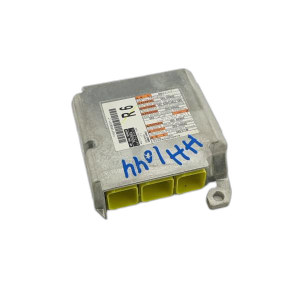
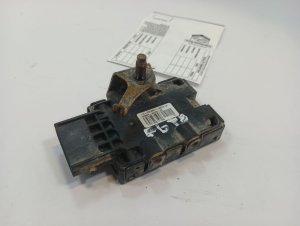
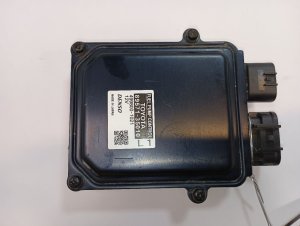
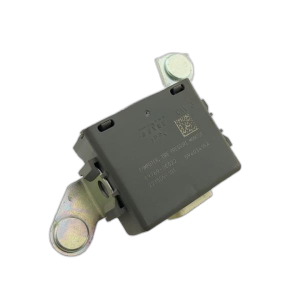

The information in this article is provided for general reference and educational purposes only. Vehicle specifications, procedures, and part compatibility can vary by production date, trim level, and region. Always consult your vehicle's factory service manual and verify part numbers before purchasing or performing repairs. Safety-critical components such as airbags, seat belts, and braking systems should be installed by a qualified professional.
- Toyota Tundra:
- Toyota Sequoia: