

2021-2026 Kia K5 Bumper Impact Bar: Decoding the 2025 Facelift and Trim Variations
This guide explains the critical compatibility differences for the Kia K5 bumper reinforcement, focusing on the 2025 model year redesign and sensor-related trim variations.
- The 2025 model year facelift means parts from 2021-2024 K5s are NOT compatible with 2025-2026 models.
- Verify compatibility for your specific trim (LXS, GT-Line, etc.) as radar sensors for driver-assist systems may require a specific bar.
- Never repair or reuse a bent impact bar; it has lost its structural integrity and must be replaced to ensure safety.
- A used OEM bar is often a better choice than a new aftermarket one, provided it is thoroughly inspected for any prior damage.
Key Compatibility Warning: 2021-2024 vs. 2025-2026 Models
The most critical factor when purchasing a bumper impact bar for a Kia K5 is the model year. Kia introduced a significant facelift for the K5 starting with the 2025 model year. This redesign changed the front and rear fascia, including the underlying support structures. As a result, bumper impact bars for 2021-2024 models are NOT interchangeable with those for 2025 and newer models.
Warning: Always verify the part's specified year range before purchasing. A part from a 2023 K5 will not fit a 2025 K5, and vice-versa. Using the wrong bar will result in improper fitment and compromised safety.
Variant Differences: Trim Levels and ADAS Sensors
Beyond the model year split, compatibility can also depend on your K5's specific trim level (LXS, EX, GT-Line, GT). The primary difference is related to Advanced Driver-Assistance Systems (ADAS). Higher trims often include features like radar-based Smart Cruise Control or Forward Collision-Avoidance Assist. The radar sensor for these systems is typically mounted in the lower grille area, and the bumper reinforcement may have specific mounting points or designs to accommodate it.
- Models with Radar: These vehicles require a specific impact bar designed to work with the radar sensor. Using a bar from a non-radar car can block the sensor or prevent it from being mounted correctly, leading to system malfunctions and safety warnings on the dashboard.
- GT-Line and GT Models: These trims feature different body styling, which may affect the bumper components. While the core impact bar might be the same across some trims within the same year range, it's essential to confirm compatibility, especially when dealing with brackets or associated hardware.
Symptoms of a Damaged Bumper Impact Bar
Unlike mechanical parts, a bumper impact bar does not fail from wear and tear. Failure is always the result of a physical impact. The symptoms are usually obvious:
- Visible Damage After a Collision: Even a minor fender-bender can bend, crease, or crack the impact bar. The damage may be hidden behind the flexible plastic bumper cover.
- Misaligned Bumper Cover: If the plastic bumper cover appears pushed in, crooked, or has uneven gaps with the fenders or hood, the underlying impact bar is likely deformed.
- ADAS Malfunction Warnings: If your K5 displays errors for cruise control or collision avoidance systems after a minor front-end impact, the radar sensor may have been knocked out of alignment due to a bent impact bar.
Pro Tip: After any front-end collision, no matter how small, it is crucial to remove the bumper cover and inspect the impact bar. A bent bar has lost its structural integrity and will not provide adequate protection in a future accident.
Buying a Used Bumper Impact Bar: What to Check
A used OEM impact bar is often a superior choice to a new aftermarket part due to guaranteed fitment and material quality. However, careful inspection is key.
- Check for Any Bends or Deformities: The bar must be perfectly straight. Lay it on a flat surface or use a straightedge to check for any waviness, bows, or creases. Even a slight bend means the part is compromised and should be rejected.
- Inspect Welds and Mounting Points: Carefully examine all welds where mounting brackets are attached to the main beam. Look for any signs of cracking in the paint or the weld itself. All mounting holes should be perfectly round and not elongated or deformed.
- Look for Hidden Damage: Check the backside and underside of the bar for subtle damage that may not be obvious at first glance. Minor surface rust is typically cosmetic, but deep, flaking rust can indicate a loss of structural strength.
- Verify the Part Number: If possible, match the OEM part number from your old bar to the used one. This is the best way to ensure perfect compatibility with your vehicle's year and trim level.
Known Issues, TSBs, and Recalls
As of early 2026, there are no specific recalls or Technical Service Bulletins (TSBs) from the National Highway Traffic Safety Administration (NHTSA) directly related to the structural integrity of the 2021-2026 Kia K5 bumper impact bars. Recalls for this model range have focused on other issues like fuel systems, software, and trim pieces.
Cost Comparison
| Part Type | Estimated Cost | Notes |
|---|---|---|
| New OEM | $430 - $650 | Price varies by year. The bar for the 2025+ models is generally more expensive. |
| New Aftermarket | $175 - $300 | Fitment and material quality may not match OEM standards. |
| Used OEM | $150 - $250 | Offers the best value, providing OEM quality at a lower price. |
| Shop Labor | $150 - $300 | Typically involves 1.5 to 2.5 hours of labor for removal and installation. |
Installation Guide
Replacing the front bumper impact bar is a manageable DIY project for those with basic mechanical skills. The difficulty is rated 3 out of 5 due to the need to carefully remove the bumper cover without breaking plastic clips.
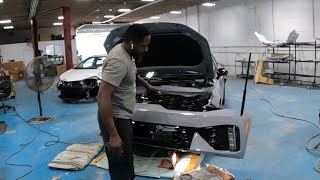
🎬 Watch: Step-by-step guide to removing the 2025 K5 front bumper- Prepare the Vehicle: Park on a level surface and disconnect the negative battery terminal as a precaution, especially on models with front sensors.
- Remove Upper Fasteners: Open the hood and remove the plastic clips and bolts securing the top of the bumper cover and grille.
- Remove Wheel Well Fasteners: Turn the steering wheel to access screws and clips inside the front of each wheel well that attach the bumper cover to the fender liner.
- Remove Underbody Fasteners: Look for bolts and clips along the bottom edge of the bumper cover where it attaches to the splash shield.
- Disconnect Wiring: Carefully begin to pull the bumper cover away from the vehicle, starting at the sides. Be prepared to disconnect any wiring harnesses for fog lights or ADAS sensors before fully removing the cover.
- Unbolt the Impact Bar: With the cover removed, the impact bar is fully exposed. It is typically held on by several large bolts on each side. Remove these bolts and take off the old bar.
- Install the New Bar: Position the new impact bar and hand-tighten the bolts. Ensure it is properly aligned before torquing the bolts to factory specifications.
- Reassembly: Reconnect any wiring, then carefully reinstall the bumper cover by reversing the removal steps. Ensure all clips snap securely into place for a clean fit.
Frequently Asked Questions (FAQ)
Can I repair a bent bumper impact bar instead of replacing it?
No. You should never attempt to repair, straighten, or weld a damaged impact bar. The bar is designed to crumple once to absorb an impact. Once bent, its structural integrity is permanently compromised and it will not provide the necessary protection in a future collision.
Will a bumper bar from a 2024 K5 GT-Line fit my 2025 K5 LXS?
No, for two reasons. First, the 2025 model year was a facelift, so the 2024 bar will not physically fit the 2025 model. Second, the GT-Line and LXS may have different provisions for ADAS sensors, making even same-year swaps potentially problematic without verification.
Is the front impact bar the same as the rear one?
No. The front and rear impact bars are completely different parts with unique shapes, sizes, and mounting points. A rear impact bar for a 2021-2024 K5 carries a different part number, such as 86631-L3000.
Do I need to get my car's sensors recalibrated after replacing the impact bar?
If your vehicle is equipped with a front radar sensor for adaptive cruise control or collision avoidance, a recalibration may be necessary. If the sensor was removed and reinstalled, or if the new bar positions it even slightly differently, recalibration by a qualified shop is recommended to ensure the safety systems function correctly.
Helpful Videos
Technical Specifications
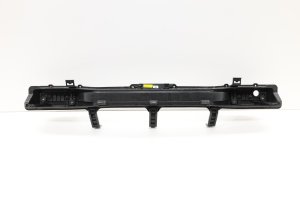
OEM Part Numbers: 64900-L3000 64900-L3050 64900-L2600 86631-L3000
Material: Aluminum or High-Strength Steel
We Have This Part in Stock

The information in this article is provided for general reference and educational purposes only. Vehicle specifications, procedures, and part compatibility can vary by production date, trim level, and region. Always consult your vehicle's factory service manual and verify part numbers before purchasing or performing repairs. Safety-critical components such as airbags, seat belts, and braking systems should be installed by a qualified professional.
- Kia K5:
- 🎬 Helpful Videos
- 🛍️ Shop This Part
- Key Compatibility Warning: 2021-2024 vs. 2025-2026 Models
- Variant Differences: Trim Levels and ADAS Sensors
- Symptoms of a Damaged Bumper Impact Bar
- Buying a Used Bumper Impact Bar: What to Check
- Known Issues, TSBs, and Recalls
- Cost Comparison
- Installation Guide
- Frequently Asked Questions (FAQ)
- 🎟️ Get 5% Off