

2003-2005 Lincoln Aviator Bumper Impact Bar: A Guide to Spotting Hidden Damage
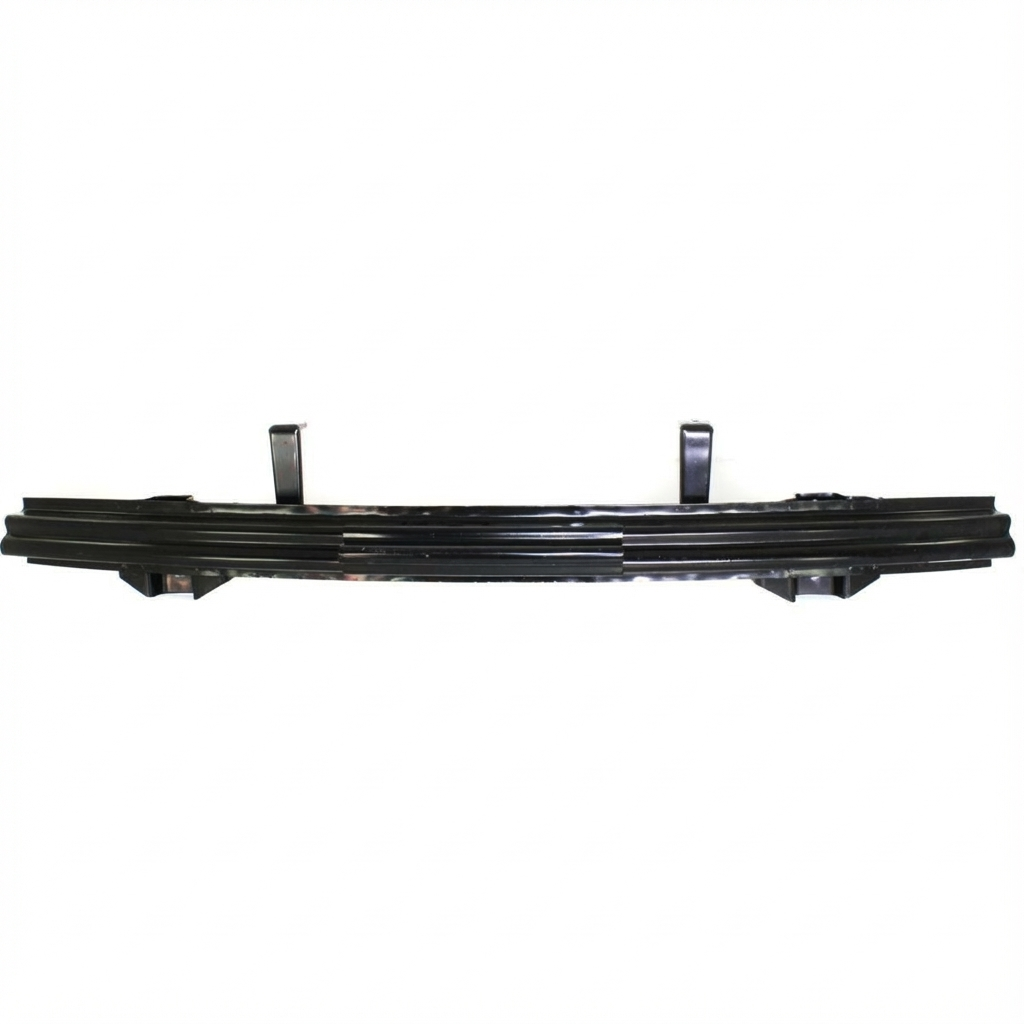
This guide details how to inspect, replace, and price the front bumper impact bar for the 2003-2005 Lincoln Aviator, ensuring you choose a safe and reliable part.
- The bumper impact bar is a critical safety component; never repair or straighten a damaged one, always replace it.
- When buying used, the most important check is for bent mounting points; any deformation there means the part is unusable.
- The 2003-2005 Aviator impact bar is not interchangeable with the Ford Explorer or Mercury Mountaineer.
- A high-quality, undamaged used OEM bar is often superior in fit and safety performance to a cheap new aftermarket part.
Symptoms of a Damaged Bumper Impact Bar
Unlike a failing engine part, a damaged bumper impact bar won't cause driveability issues. The symptoms are almost always related to physical damage or misalignment from an impact.
- Visible Damage After an Accident: The most obvious sign is damage you can see after a collision. This includes cracks, significant dents, or any bending in the bar's shape. According to Ford's official stance, any damage to a bumper reinforcement necessitates replacement; it should not be repaired.
- Misaligned Bumper Cover: If your plastic bumper cover is sagging, has uneven gaps with the fenders or headlights, or won't stay clipped in place, it could be because the underlying impact bar is bent or a mounting bracket is damaged.
- Poor Fitment of Adjacent Parts: The impact bar serves as a key structural reference point for the front of the vehicle. If you have trouble aligning a new grille or headlights, it may be because the impact bar they mount near is deformed.
Warning: Never attempt to straighten a bent or damaged bumper impact bar. Doing so compromises the heat-treated steel's ability to properly absorb energy in a future collision, putting you at greater risk.
Buying a Used 2003-2005 Aviator Bumper Impact Bar: A Buyer's Guide
A used OEM impact bar from a vehicle that wasn't in a front-end collision is often a better choice than a new, cheap aftermarket part. OEM parts are built to stricter standards with specific types of steel designed to crush in a predictable way during an impact. Aftermarket parts may not have the same material quality or precise fit.
Physical Inspection Checklist
When inspecting a used impact bar, be extremely thorough. A seemingly small issue can compromise its safety performance.
- Check All Mounting Points: This is the most critical check. Look at where the bar bolts to the frame. If any of these brackets are bent, twisted, or show signs of stress (like cracked paint or stretched bolt holes), reject the part. A bent mounting point means the bar was subjected to significant force.
- Look for Bends and Creases: Lay the bar on a flat surface. Check for any bowing or twisting. Look down the length of the bar from both ends to spot subtle bends. Any crease in the metal is a point of weakness.
- Inspect Welds: Check all factory welds for cracks or signs of rust, which can indicate internal weakness.
- Surface Rust vs. Rot: Minor surface rust is often cosmetic and can be cleaned and painted. However, if the rust is deep, flaking, or has created pits in the metal (rot), especially around welds or mounting points, the part's structural integrity is compromised.
Known Issues, Recalls, and Service Bulletins
As of early 2026, there are no specific recalls or Technical Service Bulletins (TSBs) from the National Highway Traffic Safety Administration (NHTSA) for the front bumper impact bar on the 2003-2005 Lincoln Aviator. Problems with this part are almost exclusively caused by collision damage rather than a manufacturing defect.
Replacement Information
Replacing the front bumper impact bar is a straightforward but somewhat involved process that requires removing the front bumper cover first.
- Difficulty: 3 out of 5. The process is not mechanically complex, but requires care to avoid scratching paint or breaking the many plastic clips that hold the bumper cover on.
- DIY Feasible: Yes, for a patient DIYer with basic tools.
- Estimated Time: 1.5 to 2.5 hours.
Step-by-Step Overview
- Open the hood.
- Remove Bumper Cover Fasteners: Remove the screws and plastic push-pins securing the top of the bumper cover near the grille, the screws in each wheel well, and the fasteners underneath the vehicle.
- Disconnect Fog Lights: If equipped, reach behind the bumper cover and disconnect the wiring harnesses for the fog lights.
- Remove Bumper Cover: Gently pull the sides of the bumper cover away from the fenders to release the clips, then pull the entire assembly forward and away from the vehicle. It's helpful to have a blanket on the ground to prevent scratches.
- Unbolt the Impact Bar: The steel impact bar is now exposed. It is held to the frame rails by several large bolts. Remove these bolts.
- Install New Bar: Position the new impact bar and hand-tighten the bolts. Once all bolts are started, torque them to the manufacturer's specification. 🎬 Watch this video for a visual guide on replacing the reinforcement bar.
- Reassembly: Reinstall the bumper cover in the reverse order of removal, ensuring all clips snap securely into place.
Pro Tip: When removing the bumper cover, take photos of where each type of clip and screw came from. This will make reassembly much easier.
Cost Comparison
Prices for a 2003-2005 Lincoln Aviator front bumper impact bar can vary significantly based on the source.
| Part Type | Estimated Price Range |
|---|---|
| New OEM (Ford/Lincoln) | $450 - $600+ |
| New Aftermarket | $150 - $300 |
| Used OEM | $100 - $250 |
| Shop Labor for Installation | $200 - $450 |
Frequently Asked Questions (FAQ)
Can I just straighten my bent bumper impact bar?
No. The impact bar is made of specially treated steel designed to bend and crush in a specific way to absorb impact. Once it has been bent, it is compromised. Straightening it will not restore its original strength or safety properties, and it must be replaced.
Is the Aviator bumper bar the same as a Ford Explorer or Mercury Mountaineer?
While the 2003-2005 Lincoln Aviator shares its platform with the Ford Explorer and Mercury Mountaineer of the same era, the front-end styling and components, including the bumper reinforcement, are unique. You must use a part specifically listed for the 2003-2005 Lincoln Aviator to ensure proper fitment. The correct OEM part number is 2C5Z17859BA.
🎬 Learn more about the unique design and history of the Aviator.What tools are needed to replace the impact bar?
You will need a basic socket set with a ratchet and extensions, a screwdriver set (Phillips and flathead), a trim removal tool kit (highly recommended to avoid breaking plastic clips), and potentially a torque wrench to properly tighten the new bar's mounting bolts.
Does a damaged impact bar make the car unsafe to drive?
While the car will still drive, its crashworthiness is significantly reduced. In another frontal collision, even a low-speed one, the lack of proper reinforcement can lead to extensive and costly damage to the radiator, radiator support, and even the vehicle's frame.
Helpful Videos

Technical Specifications
OEM Part Numbers: 2C5Z17859AA 2C5Z17859BA
Material: Steel. The part number 2C5Z17859BA is the most recent and supersedes previous versions.
We Have This Part in Stock

The information in this article is provided for general reference and educational purposes only. Vehicle specifications, procedures, and part compatibility can vary by production date, trim level, and region. Always consult your vehicle's factory service manual and verify part numbers before purchasing or performing repairs. Safety-critical components such as airbags, seat belts, and braking systems should be installed by a qualified professional.
- Lincoln Aviator:
- 🎬 Helpful Videos
- 🛍️ Shop This Part
- Symptoms of a Damaged Bumper Impact Bar
- Buying a Used 2003-2005 Aviator Bumper Impact Bar: A Buyer's Guide
- Physical Inspection Checklist
- Known Issues, Recalls, and Service Bulletins
- Replacement Information
- Step-by-Step Overview
- Cost Comparison
- Frequently Asked Questions (FAQ)
- 🎟️ Get 5% Off