

2004-2009 Mazda 3 Rear Bumper Impact Bar: Damage, Rust, and Fitment Guide
This guide covers how to inspect for hidden collision damage and rust on your Mazda 3's rear impact bar and ensure you buy the correct part for your hatchback or sedan.
- The rear impact bar for the Hatchback (Part BN8F-50-260B) and Sedan are different and NOT interchangeable.
- Besides collision damage, severe rust is the primary reason for replacement, as it compromises the bar's structural integrity.
- A bent or crushed impact bar should never be repaired; it must be replaced to ensure safety in a future collision.
- A used OEM bar is often a superior choice to a new aftermarket bar due to better material quality and guaranteed fitment.
Symptoms of a Damaged Bumper Impact Bar
Unlike mechanical or electrical parts, a bumper impact bar doesn't have symptoms of failure in the traditional sense. Failure is almost always the result of physical damage from a collision or structural weakening from corrosion. Here’s what to look for:
- Visible Damage After Impact: The most obvious sign is damage following a rear-end collision. The bar may be bent, crushed, kinked, or have cracked welds. Even if the outer plastic bumper cover pops back into shape, the steel bar behind it can be permanently deformed.
- Poor Bumper Cover Fitment: If the plastic bumper cover is sagging, has uneven gaps with the body panels, or won't stay clipped in place, it could be because the underlying impact bar is bent or the mounting brackets are damaged.
- Visible Rust and Corrosion: For vehicles in regions with road salt, rust is a major issue. Severe rust can eat away at the steel, creating holes and weak spots that drastically reduce the bar's ability to absorb an impact. Flaking or perforated metal means the bar is no longer structurally sound.
Buying a Used Bumper Impact Bar: What to Check
A used OEM impact bar is an excellent value, offering the same fit and material quality as a new part. However, a thorough inspection is critical to ensure you're buying a safe and effective component.
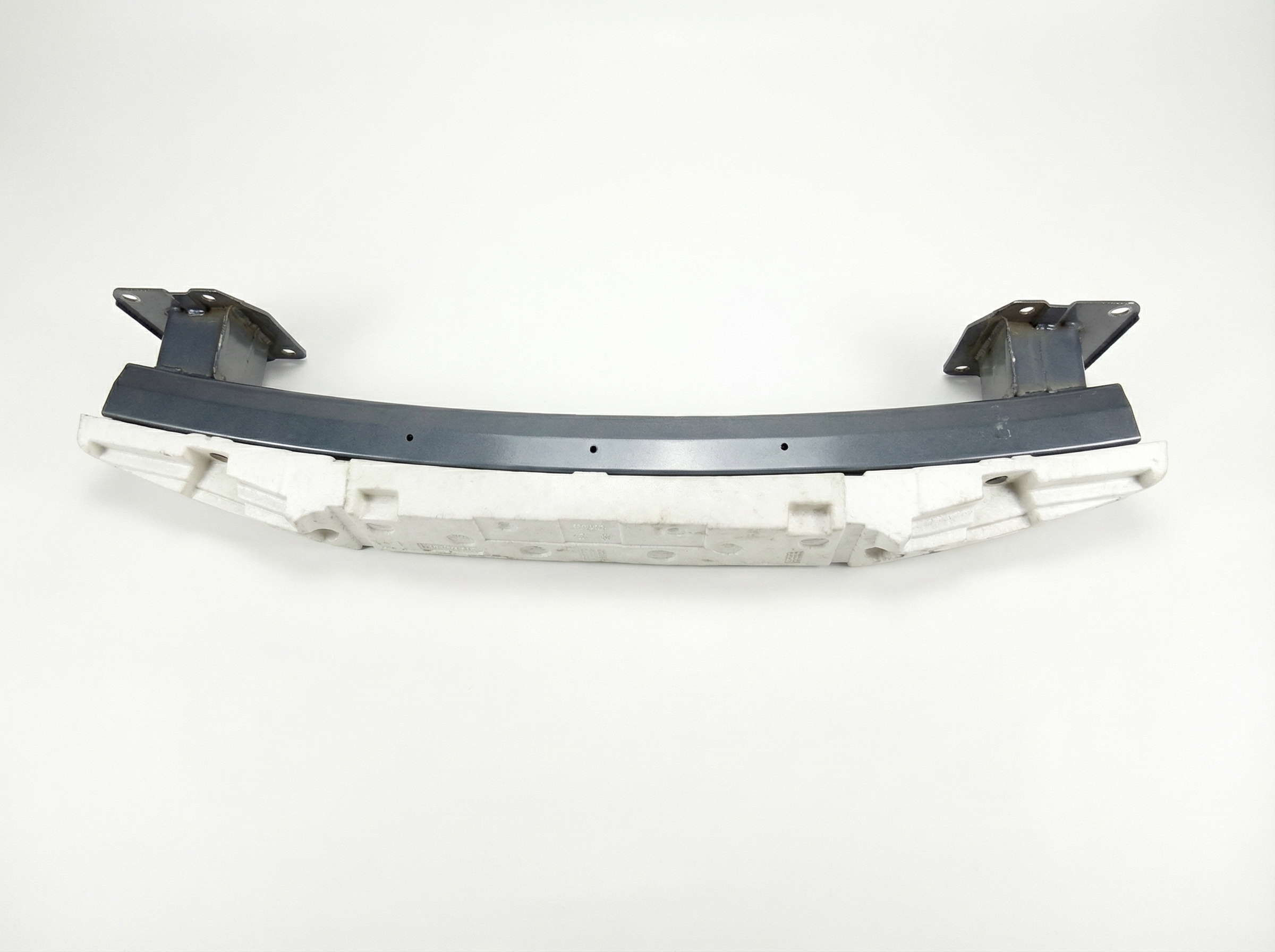
Pro Tip: Don't confuse the bumper impact bar with the plastic bumper cover. The impact bar is the structural steel beam, while the cover is the painted plastic piece you see on the outside of the car.
1. Inspect for Collision Damage
Carefully examine the entire length of the bar. Look for:
- Bends or Creases: Even a slight bend means the bar's structural integrity is compromised. It will not absorb a future impact as designed. Any bar that is not perfectly straight should be rejected.
- Mounting Points: Check the areas where the bar bolts to the car's frame. Ensure the bolt holes are round and not elongated or torn, and that the mounting plates are flat and not bent.
- Cracked Welds: Inspect all factory welds for any signs of cracking, which can occur during a collision.
2. Check for Rust
Rust is the biggest enemy of a used impact bar. A little surface rust can be cleaned and treated with a rust-inhibiting paint, but you must reject a part with heavy or structural corrosion.
- Surface Rust vs. Scale: Light, powdery surface rust is often acceptable. However, if the rust is thick, flaking, or has created deep pits (scaling), the bar has lost significant strength.
- Check Inside: If possible, look inside the bar through any openings. These bars often rust from the inside out, so a clean exterior can be deceiving.
3. Verify Fitment: Hatchback vs. Sedan
This is the most common mistake buyers make. The rear bumper impact bars for the 2004-2009 Mazda 3 Hatchback and Sedan are NOT interchangeable. You must purchase the correct bar for your specific body style.
- Hatchback Part Number: BN8F-50-260B
- Sedan Part Number: While not definitively listed in searches, related sedan bumper brackets have distinct part numbers like BN8V502J1C, confirming a different assembly. Always confirm the donor vehicle was a sedan if you have a sedan.
Warning: Never attempt to repair a bent or damaged impact bar. Once deformed, it has lost its ability to properly absorb energy and must be replaced.
Known Issues, Recalls, and TSBs
As of early 2026, there are no specific recalls or Technical Service Bulletins (TSBs) from Mazda or the NHTSA related to the rear bumper impact bar for the 2004-2009 Mazda 3. The primary known issue, widely discussed by owners, is susceptibility to rust in northern climates.
There was a recall (NHTSA ID: 21V-494) for 2004-2007 Mazda 3 vehicles concerning the plastic Mazda logo on the steering wheel airbag cover, which could shatter during deployment. This is unrelated to the bumper components.
Replacement Cost & Installation Difficulty
Replacing the rear bumper impact bar is a straightforward job for a DIY mechanic with basic tools.
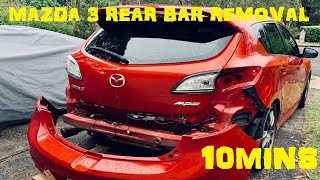
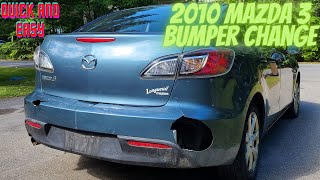
- Installation Difficulty: 2 out of 5. The main task is removing the plastic bumper cover, which involves removing screws, clips, and the tail lights. 🎬 Watch this step-by-step guide to removing the rear bumper cover.
- Estimated Time: 1.5 - 2.5 hours.
- DIY Feasible: Yes.
| Part/Service | Estimated Cost |
|---|---|
| New OEM | $150 - $250 |
| New Aftermarket | $50 - $185 |
| Used OEM | $75 - $165 |
| Shop Labor | $150 - $450 |
Frequently Asked Questions (FAQ)
Can I drive my car if the bumper impact bar is damaged or missing?
While the car will physically drive, it is unsafe. The impact bar is a critical safety feature. Without it, a minor rear-end collision can cause extensive and costly damage to the vehicle's frame, trunk, and fuel system, and increases the risk of injury. You may also get a ticket as bumpers are required by law in many areas.
Will a rear impact bar from a Sedan fit my Hatchback (or vice-versa)?
No. The parts are different and not interchangeable between the 2004-2009 Mazda 3 Sedan and Hatchback models. You must use the part designed for your specific body style to ensure proper fit and safety.
Is it okay to buy an aftermarket impact bar instead of OEM?
Aftermarket bars are cheaper, but their quality, material thickness, and performance in a collision may not match the original equipment manufacturer (OEM) standards. A used OEM part is often a better choice, providing proven fitment and material strength at a comparable price.
Does the impact bar replacement require any painting?
No. The impact bar itself is an unpainted steel component hidden behind the plastic bumper cover. The bumper cover is the part that is painted to match the vehicle's body color.
Helpful Videos
Technical Specifications
OEM Part Numbers: BN8F-50-260B (Hatchback) BN8F50260B (Hatchback)
Material: Steel
We Have This Part in Stock

The information in this article is provided for general reference and educational purposes only. Vehicle specifications, procedures, and part compatibility can vary by production date, trim level, and region. Always consult your vehicle's factory service manual and verify part numbers before purchasing or performing repairs. Safety-critical components such as airbags, seat belts, and braking systems should be installed by a qualified professional.
- Mazda Mazda 3:
- 🎬 Helpful Videos
- 🛍️ Shop This Part
- Symptoms of a Damaged Bumper Impact Bar
- Buying a Used Bumper Impact Bar: What to Check
- 1. Inspect for Collision Damage
- 2. Check for Rust
- 3. Verify Fitment: Hatchback vs. Sedan
- Known Issues, Recalls, and TSBs
- Replacement Cost & Installation Difficulty
- Frequently Asked Questions (FAQ)
- 🎟️ Get 5% Off