

2003-2008 Subaru Forester Rear Bumper Bar: A Guide to Rust, Part Numbers, and Replacement
This in-depth guide covers the common failure points, part number variations, and replacement tips for the second-generation Subaru Forester rear bumper impact bar.
- The primary issue for this part on a 2003-2008 Forester is severe rust, which can make it unsafe and fail inspection.
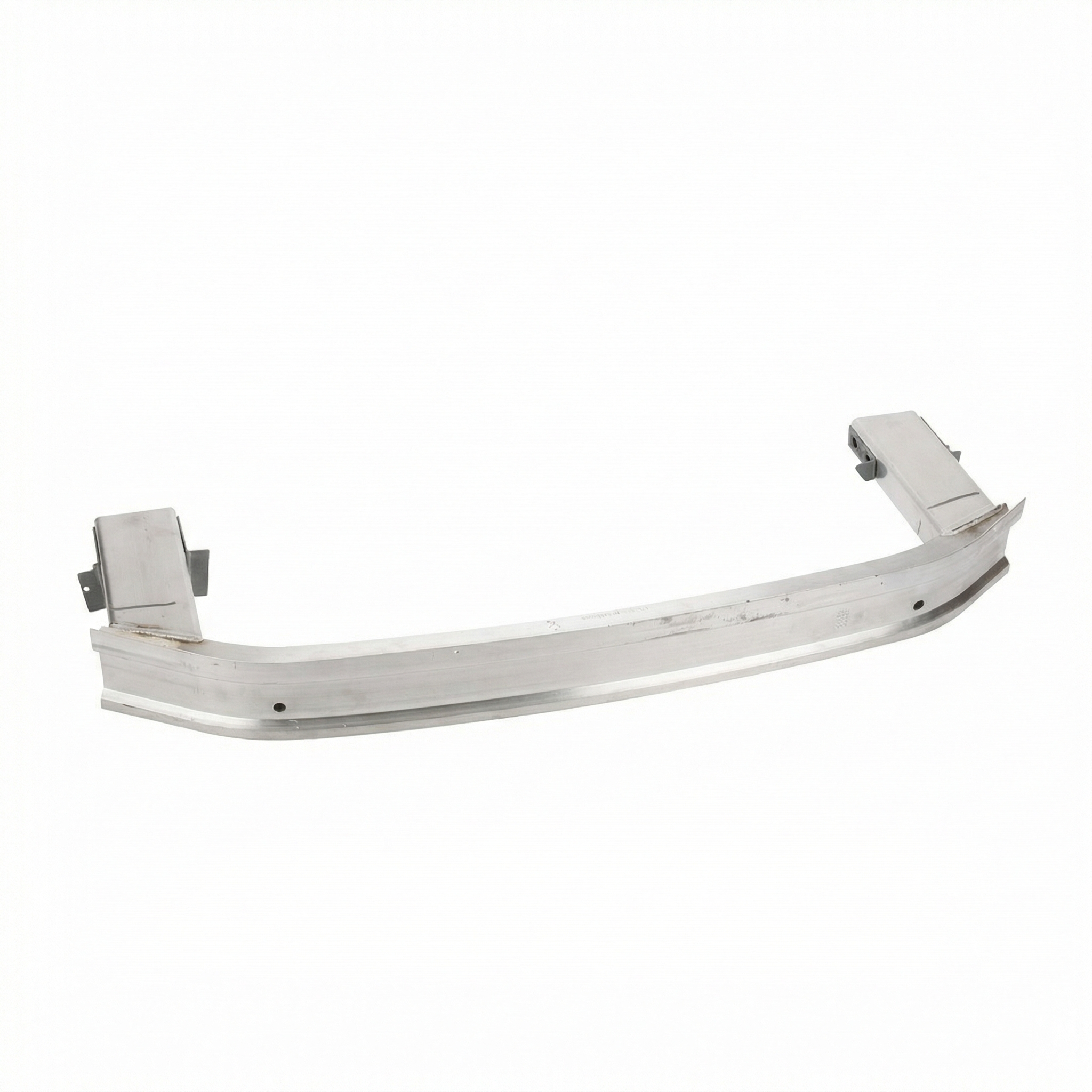
- The OEM part number for the REAR impact bar is 57712SA030 and it fits all 2003-2008 models, including turbo (XT).
- Never repair a bent or cracked impact bar; it is a single-use safety component that must be replaced.
- When buying used, prioritize a rust-free part over anything else. Check for bends, cracks, and deep corrosion before purchasing.
Symptoms of a Failing Rear Bumper Impact Bar
Since the impact bar is hidden from view, symptoms of failure are usually discovered after a collision or during other repairs. The most common signs point to either physical damage or corrosion.
- Visible Damage After an Accident: After any rear-end collision, even a minor one, the plastic bumper cover can flex and pop back into shape, hiding a bent, cracked, or crushed impact bar underneath. If the bumper cover is cracked, pushed in, or misaligned, it's almost certain the impact bar is damaged and requires replacement.
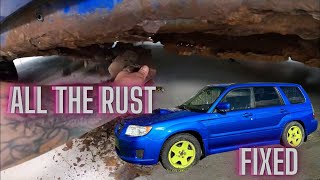
- Severe Rust and Corrosion: The second-generation Forester is known for rust issues on its underbody components, and the bumper reinforcement is no exception. Road salt and moisture can get trapped between the bar and the bumper cover, causing severe corrosion over time. Flaky, bubbling, or perforated rust compromises the structural integrity of the bar, significantly reducing its effectiveness in a future collision. A severely rusted bar can even fail a state safety inspection. 🎬 Watch: How to identify and fix common Subaru Forester rust issues.
- Loose or Misaligned Bumper Cover: While sometimes caused by broken plastic clips, a bumper cover that sags or doesn't line up with the body panels can also indicate that the underlying impact bar it mounts to is bent or has corroded at its mounting points.
Warning: Never attempt to straighten or weld a bent or cracked bumper impact bar. Once it has been deformed in a collision, its ability to properly absorb energy is compromised. A repaired bar will not provide the same level of protection in a subsequent accident. Replacement is the only safe option.
Buying a Used Bumper Impact Bar: What to Check
A used OEM impact bar from a rust-free donor vehicle is an excellent, cost-effective alternative to a new part. It offers the original factory fitment and crash-tested safety standards, which are often superior to new, low-cost aftermarket alternatives. Here’s what to inspect before you buy:
- Check for Bends and Deformation: Lay the bar on a flat surface. It should sit perfectly level. Look down its length to spot any subtle bends or twists. Pay close attention to the mounting plates where it bolts to the frame; they should be perfectly flat and 90 degrees to the bar itself. Any sign of kinking or distortion means the part was involved in an impact and should be rejected.
- Inspect for Rust (The #1 Issue): This is the most critical check for a Forester of this era. Bring a small hammer or a screwdriver to tap on any suspect areas. Surface rust can be cleaned and painted, but you must reject any bar with deep, flaky, or pitting rust. Pay special attention to the bottom edge where water collects and the areas around the mounting bolt holes.
- Verify Part Numbers: The 2003-2008 Forester generation had a mid-cycle refresh that changed some front-end parts. While the rear bar is more consistent, always confirm compatibility. The primary OEM part number for the rear impact bar for all 2003-2008 Foresters (including X, XS, and XT turbo models) is 57712SA030.
- Look for Hidden Cracks: Examine the welds where the mounting plates connect to the main beam. Look for any hairline cracks, which can form from stress even if the bar doesn't look bent.
Pro Tip: The metal impact bar is often sold separately from the large foam or plastic piece that sits on its face. This is called the 'impact absorber' (Part number 57705SA050). If your old one is in good shape, you can often reuse it on the replacement bar.
Known Issues, Recalls, and Technical Service Bulletins (TSBs)
There are no specific recalls or TSBs issued by Subaru or the NHTSA for the rear bumper impact bar on the 2003-2008 Forester. The primary known issue, based on owner forums and repair videos, is a high susceptibility to rust, which can severely compromise its structural integrity.
A related TSB exists for the front bumper cover developing a gap with the fender due to weak plastic retaining claws, but this does not involve the metal impact bar itself.
Cost Comparison for a Rear Bumper Impact Bar
| Part Type | Estimated Cost | Notes |
|---|---|---|
| New OEM | $200 - $285 | Genuine Subaru part offering perfect fit and guaranteed safety performance. |
| New Aftermarket | $150 - $250 | Price and quality vary widely. May use thinner gauge steel or have fitment issues. Aftermarket front bars are listed around $230. |
| Used OEM | $75 - $150 | Best value. Provides OEM quality and fit, provided it is inspected carefully for rust and damage. |
| Shop Labor | $100 - $200 | Typically 1-1.5 hours of labor to remove the bumper cover and replace the bar. |
Installation Overview & Difficulty
Replacing the rear bumper impact bar is a straightforward job for a DIY mechanic with basic tools. The main challenge is often dealing with rusted bolts.
- Difficulty: 2 out of 5
- Estimated Time: 1.5 hours
- Tools Needed: Ratchet with extension, 12mm and 14mm sockets, clip removal tool, flathead screwdriver, penetrating oil.
High-Level Steps:
- Prepare the Bolts: A few days before the job, spray the bolts holding the impact bar to the frame with a quality penetrating oil (like PB Blaster or Deep Creep). This is a critical step to avoid snapping rusty bolts. 🎬 Watch: Helpful tips for patching and repairing rust on your Forester.
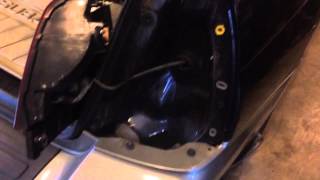
- Remove the Bumper Cover: Open the tailgate and remove any clips holding the trim around the trunk latch. Remove the tail lights, as they often hide screws for the bumper cover. Remove the screws or clips in each rear wheel well and along the bottom edge of the bumper cover. Carefully pull the sides of the cover outwards to release them from the retaining clips under the tail lights, then pull the cover straight back.
- Unbolt the Impact Bar: With the cover removed, the impact bar is fully exposed. It is typically held to the vehicle's frame rails by three or four 14mm bolts on each side. Remove these bolts, and the bar will come right off.
- Install the New Bar: Position the new bar and hand-tighten all bolts. Once they are all threaded, torque them to factory specifications. Transfer the foam impact absorber from the old bar if it's being reused.
- Reinstall Bumper Cover: Re-install the bumper cover, tail lights, and all clips and screws in the reverse order of removal.
Part Number Reference Table
Compatibility for the second-generation Forester can be tricky. The front bumper and its reinforcement changed for the 2006 model year, but the rear bar remained the same.
| Part | Years | OEM Part Number | Notes |
|---|---|---|---|
| Rear Impact Bar | 2003-2008 | 57712SA030 | Fits all trim levels (X, XS, XT). Also called 'Beam Assembly Up Rear'. |
| Front Impact Bar | 2003-2005 | 57712SA000 | Fits pre-facelift models. |
| Front Impact Bar | 2006-2008 | Varies | Fits facelift models. Verify part number with VIN. |
| Rear Foam Absorber | 2003-2008 | 57705SA050 | Attaches to the face of the rear impact bar. |
Frequently Asked Questions (FAQ)
Can I repair a rusty bumper impact bar?
If the rust is only on the surface, you can remove the bar, grind the rust away with a wire wheel, treat the metal with a rust converter, and repaint it with a durable chassis paint. 🎬 See this walkthrough on professional rust repair and repainting techniques. However, if the rust is deep, has caused pitting, or has created any holes, the bar is no longer structurally sound and must be replaced.
Is a slightly bent bumper bar still safe?
No. A bumper impact bar is a single-use safety item. Once it has been bent or crushed, it has done its job. It will not provide the designed level of protection in a future accident and must be replaced.
Does the impact bar from an XT (turbo) model fit a non-turbo Forester?
Yes. For the rear impact bar (57712SA030), it fits all trim levels for the 2003-2008 model years, including the turbo XT and naturally-aspirated X and XS models.
What is the difference between the bumper cover and the bumper impact bar?
The bumper cover is the painted, plastic outer piece you see on the car. Its main purpose is aerodynamics and aesthetics. The bumper impact bar (or reinforcement) is the heavy steel or aluminum beam hidden behind the cover that is bolted to the car's frame and provides the actual crash protection.
Helpful Videos
Technical Specifications
OEM Part Numbers: 57712SA030 (Rear, 2003-2008) 57712SA000 (Front, 2003-2005)
Material: Steel or Aluminum. Mounts to rear frame rails with 14mm bolts.
We Have This Part in Stock

The information in this article is provided for general reference and educational purposes only. Vehicle specifications, procedures, and part compatibility can vary by production date, trim level, and region. Always consult your vehicle's factory service manual and verify part numbers before purchasing or performing repairs. Safety-critical components such as airbags, seat belts, and braking systems should be installed by a qualified professional.
- Subaru Forester:
- 🎬 Helpful Videos
- 🛍️ Shop This Part
- Symptoms of a Failing Rear Bumper Impact Bar
- Buying a Used Bumper Impact Bar: What to Check
- Known Issues, Recalls, and Technical Service Bulletins (TSBs)
- Cost Comparison for a Rear Bumper Impact Bar
- Installation Overview & Difficulty
- Part Number Reference Table
- Frequently Asked Questions (FAQ)
- 🎟️ Get 5% Off