

2016-2025 Prius, Prius Prime & Prius AWD-e Front Bumper Impact Bar: Damage Assessment and Replacement
This guide covers the lower front bumper reinforcement for the 2016-2025 Toyota Prius, 2017-2025 Prius Prime, and 2019-2022 Prius AWD-e, focusing on post-collision inspection and replacement.
- This is a critical safety part; never reuse a bent, cracked, or damaged impact bar. Replacement is the only safe option.
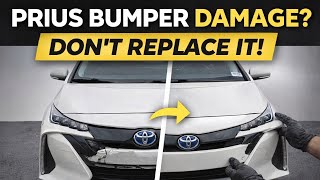
- A plastic bumper cover can hide serious damage. Always remove the cover to inspect the metal reinforcement bar after any front-end collision.
- A used OEM impact bar is often a safer choice than a new, cheap aftermarket part, as it's guaranteed to meet Toyota's original material and construction standards.
- The impact bar is shared across the 2016-2025 Prius, 2017-2025 Prius Prime, and 2019-2022 Prius AWD-e models.
Symptoms of a Damaged Bumper Impact Bar
Unlike mechanical parts that wear out over time, a bumper impact bar is a static structural component. Its failure is almost always the result of a physical impact. The symptoms will be visible after a collision, even a minor one.
- Visible Bumper Cover Damage: Deep scratches, cracks, or punctures in the plastic bumper cover are a strong indication of a potential impact to the reinforcement bar behind it.
- Misaligned Bumper Cover: If the bumper cover is sagging, has uneven gaps with the fenders or headlights, or appears pushed in, the underlying impact bar is likely bent or its mounting brackets are damaged.
- Cracked or Compressed Energy Absorber: Between the bumper cover and the impact bar is a foam or plastic honeycomb energy absorber. If this piece is cracked, crushed, or broken, the impact was severe enough to warrant a close inspection of the metal bar itself.
- Rattling Noises: A loose or rattling sound from the front of the vehicle while driving could indicate that the impact bar or its mounting hardware was loosened or broken during an impact.
Pro Tip: After any front-end collision, no matter how minor it seems, it is crucial to remove the bumper cover for a thorough inspection. A plastic bumper cover can sometimes flex back to its original shape, hiding significant damage to the reinforcement bar underneath.
Buying a Used Bumper Impact Bar: What to Check
A used OEM (Original Equipment Manufacturer) impact bar is an excellent choice for restoring your vehicle's original safety performance, often at a significant savings over a new part. However, careful inspection is key.
Physical Inspection Checklist:
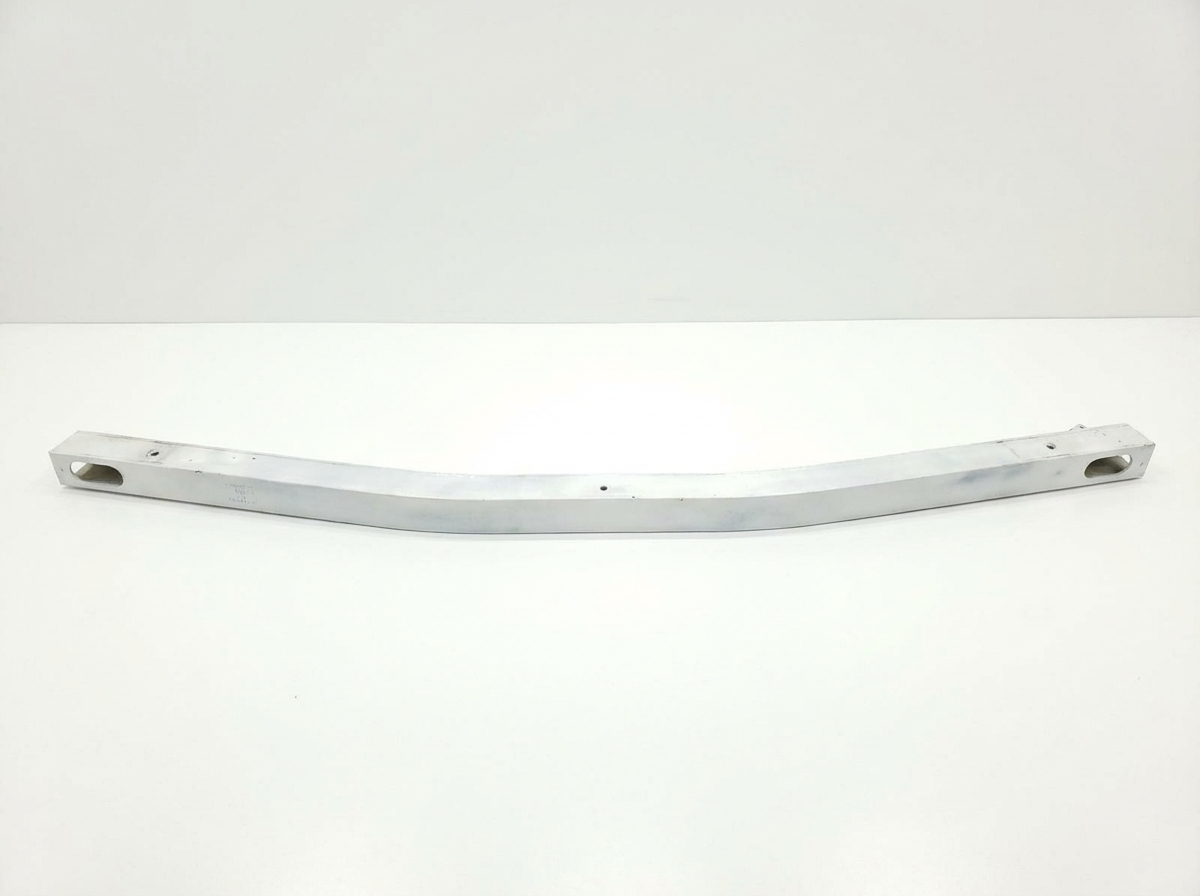
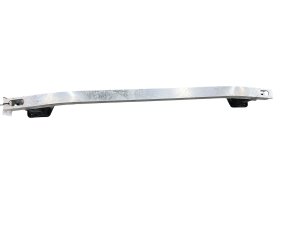
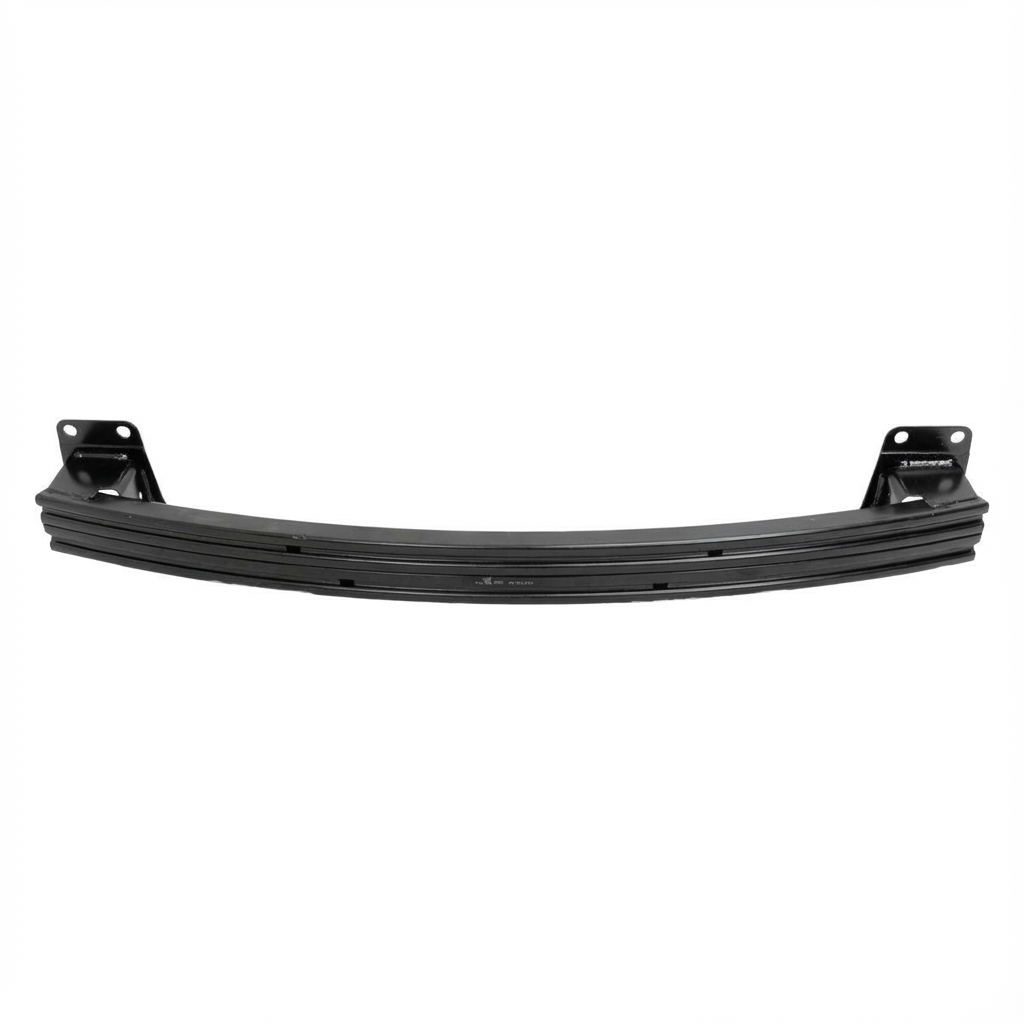
- Check for Bends or Kinks: Lay the bar on a flat surface. It should sit perfectly level with no wobbling. Look down its length from both ends to spot any subtle bends, twists, or deformations. A bent bar has lost its structural integrity and cannot be safely reused.
- Inspect Mounting Points: All mounting holes and brackets must be perfectly round, straight, and free of cracks or stress marks. Any damage here will prevent the bar from being installed correctly and securely.
- Look for Stress Marks or Cracks: Examine the entire surface, especially around welds and mounting points, for any hairline cracks or areas where the paint is flaking, which can indicate the metal has been stressed.
- Verify No Repair Attempts: Never purchase an impact bar that shows signs of being heated, welded, or straightened. These types of repairs cannot restore the original strength and safety characteristics of the part.
- Check for Corrosion: Surface rust is usually cosmetic, but any deep or flaking rust can weaken the metal. This is especially important for vehicles in areas where road salt is used.
Why Used OEM is Often Better Than New Aftermarket
While inexpensive new aftermarket impact bars are available, they may not offer the same level of safety as an original Toyota part. Independent studies have shown that some aftermarket reinforcement bars can be made from thinner materials or have different construction, which can alter how they absorb and distribute energy in a crash. A good, undamaged used OEM part ensures you are restoring the vehicle with a component that meets Toyota's original, rigorous safety and fitment standards.
Known Issues, Recalls, and TSBs
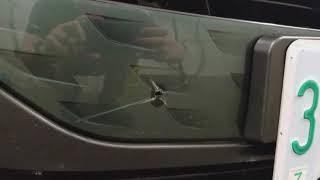
As of early 2026, there are no specific recalls or Technical Service Bulletins (TSBs) issued by Toyota or the NHTSA for the front bumper impact bar on the 2016-2025 Toyota Prius, 2017-2025 Prius Prime, or 2019-2022 Prius AWD-e. Issues with this part are exclusively related to collision damage. However, some owners of the Prius Prime have noted that the front grille and bumper cover assembly can be brittle and prone to damage from minor impacts 🎬 Watch: See how easily the Prius Prime bumper can crack. like road debris, which could potentially lead to hidden damage to the reinforcement bar.
Installation Guide and Difficulty
Replacing the front bumper impact bar requires removing the entire front bumper cover assembly. While not overly complex, it involves many small clips and fasteners and requires care to avoid scratching the paint.
- Difficulty Rating: 3 out of 5
- Estimated Time: 1.5 - 2.5 hours
- Tools Needed: Socket set (especially 10mm), screwdriver set (Phillips and flathead), plastic trim removal tools, pliers.
Basic Replacement Steps:
- Remove Upper Fasteners: Open the hood and remove the plastic clips and any bolts securing the top of the bumper cover to the radiator support.
- Remove Side Fasteners: In each front wheel well, remove the screws or clips that attach the bumper cover to the fender liner and the fender itself.
- Remove Lower Fasteners: Underneath the front of the car, remove all bolts and clips holding the bumper cover to the engine splash shield.
- Disconnect Wiring: If your vehicle has fog lights or parking sensors, carefully disconnect the electrical connectors. This may require partially pulling the bumper cover away to gain access.
- Remove Bumper Cover: Gently pull the sides of the bumper cover away from the fenders to release the retaining clips. With a helper, pull the entire assembly forward and away from the vehicle.
- Unbolt the Impact Bar: The impact bar is now exposed. It is typically held to the frame rails by several large bolts on each side. Remove these bolts and take off the old bar.
- Install the New Bar: Position the new impact bar and tighten the mounting bolts to the manufacturer's specified torque.
- Reassembly: Follow the steps in reverse to reinstall the bumper cover, ensuring all clips are engaged and all wiring is reconnected.
Cost Comparison
Prices can vary based on location and supplier. The following are estimates as of late 2025.
| Part Type | Estimated Cost |
|---|---|
| New OEM (Toyota) | $160 - $270 |
| New Aftermarket | $150 - $250 |
| Used OEM | $100 - $200 |
| Shop Labor | $200 - $400 |
Frequently Asked Questions (FAQ)
Can I repair a bent bumper impact bar instead of replacing it?
No. A bumper impact bar is a single-use safety item. Once it has been bent, crushed, or compromised in an impact, it cannot be safely repaired by heating, welding, or straightening. These actions destroy the temper of the metal and its ability to properly absorb energy in a future collision. Replacement is the only safe option.
Are the impact bars for the Prius, Prius Prime, and Prius AWD-e the same?
Yes, for the model years specified (2016-2025 Prius, 2017-2025 Prius Prime, 2019-2022 Prius AWD-e), these vehicles are built on the same platform and share the same primary front bumper reinforcement bar. Always confirm compatibility by matching the OEM part number.
Does a damaged impact bar affect airbag deployment?
It can. The bumper reinforcement is part of the system that helps determine the severity of a crash. While the primary airbag sensors are usually located elsewhere, a damaged or improperly installed impact bar could potentially alter the timing and force of an impact, which may affect the airbag deployment decision.
Do I need to replace the foam absorber with the impact bar?
It is highly recommended. The foam or plastic honeycomb energy absorber is designed to crush during an impact to absorb low-speed crash energy. If it is cracked, compressed, or damaged in any way, it should be replaced along with the impact bar to ensure the entire bumper system functions as intended.
Helpful Videos
Technical Specifications
OEM Part Numbers: 52131-47200 52132-47020 5213247010 5213247020 52021-47120
Material: High-Strength Steel or Aluminum
We Have This Part in Stock

The information in this article is provided for general reference and educational purposes only. Vehicle specifications, procedures, and part compatibility can vary by production date, trim level, and region. Always consult your vehicle's factory service manual and verify part numbers before purchasing or performing repairs. Safety-critical components such as airbags, seat belts, and braking systems should be installed by a qualified professional.
- Toyota Prius:
- Toyota Prius Prime:
- Toyota Prius AWD-e:
- 🎬 Helpful Videos
- 🛍️ Shop This Part
- Symptoms of a Damaged Bumper Impact Bar
- Buying a Used Bumper Impact Bar: What to Check
- Physical Inspection Checklist:
- Why Used OEM is Often Better Than New Aftermarket
- Known Issues, Recalls, and TSBs
- Installation Guide and Difficulty
- Basic Replacement Steps:
- Cost Comparison
- Frequently Asked Questions (FAQ)
- 🎟️ Get 5% Off